Best Gardening Gloves for Indoor Use
Finding the best gardening gloves for indoor use means balancing dexterity, breathability, and protection for delicate houseplant tasks. This guide covers top picks for every indoor gardener, from lightweight nitrile-coated options to thorn-resistant leather gloves.
Indoor gardening brings nature inside, but it also brings dirt under your nails, thorns in your fingertips, and dry skin from constant soil contact. You might think any old glove works, but the best gardening gloves for indoor use are different from outdoor gear. They need to be lighter, more flexible, and easier to clean. You are not wrestling rose bushes or digging trenches. You are repotting a fiddle leaf fig, pruning a pothos, or sowing microgreens on a windowsill.
I learned this the hard way. My first pair was thick leather, great for hauling mulch but terrible for feeling a delicate root ball. I crushed seedlings. I dropped tools. My hands sweated. Then I switched to a thin nitrile-coated pair, and everything changed. I could feel the soil moisture. I could thread a tiny seed into a cell tray. My hands stayed clean and dry. That is what this guide is about. Finding the right glove for your indoor routine.
Key Takeaways
- Lightweight gloves win for indoor tasks: Heavy leather is overkill for repotting and pruning; choose thin, flexible materials.
- Nitrile coating offers the best grip: It keeps soil from slipping through fingers while staying breathable.
- Fit matters more than brand: Gloves that bunch at the fingertips ruin precision work like seed sowing.
- Washable materials save money: Machine-washable synthetics last longer than leather for daily indoor use.
- Claw gloves speed up soil work: Built-in plastic tips on one hand make digging and aerating faster.
- Touchscreen compatibility is handy: You can check plant apps without removing gloves.
- Store gloves dry to prevent mold: Damp gloves breed bacteria; hang them after each use.
Quick Answers to Common Questions
What is the best material for indoor gardening gloves?
Nitrile-coated knit offers the best balance of dexterity, grip, breathability, and washability for most indoor tasks like repotting, pruning, and seeding.
Can I wash nitrile gardening gloves in the washing machine?
Yes, most nitrile-coated knit gloves are machine washable. Use cold water, mild detergent, no fabric softener, and air dry to preserve the coating.
Are claw gloves worth it for indoor gardening?
Claw gloves are excellent for repotting, aerating soil, and digging planting holes without tools. They save wrist strain but are not suited for delicate tasks like pruning or seeding.
How do I know what size gardening glove to buy?
Measure the circumference of your dominant hand at the knuckles (excluding thumb) in inches. That measurement equals your glove size. Size up if between sizes.
Do I need different gloves for cactus and succulents?
Yes, puncture-resistant synthetic leather or coated gloves with reinforced fingertips protect against spines better than thin nitrile knit gloves.
📑 Table of Contents
Why Indoor Gardening Demands Different Gloves
The Tasks Are Finer
Indoor work is detail-oriented. You separate root-bound plants. You pinch off dead leaves. You plant tiny seeds. Thick gloves kill tactile feedback. You need to feel the plant. A good indoor glove acts like a second skin. It protects without numbing.
Soil Stays Inside
Outdoor soil washes off. Indoor soil ends up on your carpet, your keyboard, your coffee mug. The best gardening gloves for indoor use shed dirt easily. Nitrile and latex coatings release soil with a quick shake. Knit wrists keep dirt from falling inside the cuff. You take them off at the sink, not the back door.
Moisture Management Matters
Indoor air is dry. Heating systems pull humidity down. Your skin cracks. Sweaty gloves make it worse. Breathable backs — nylon, spandex, bamboo — let heat escape. They wick moisture. Your hands stay comfortable during a two-hour repotting session.
Cleaning Is Constant
You wash indoor gloves weekly, maybe daily. Leather stiffens. It cracks. It smells. Synthetic gloves toss in the laundry. They come out fresh. That convenience keeps you wearing them. And wearing gloves is the whole point.
Top Materials for Indoor Gardening Gloves
Nitrile-Coated Knit
This is the gold standard. A seamless nylon or polyester knit shell. A nitrile foam or smooth coating on the palm and fingers. It fits like a glove — literally. You get high dexterity. The coating resists punctures from thorns and sharp leaf edges. It grips wet pots. It breathes. It washes beautifully. Brands like Atlas, Showa, and Wells Lamont lead here. Look for a 13-gauge or 15-gauge shell. Higher gauge means thinner, more sensitive.
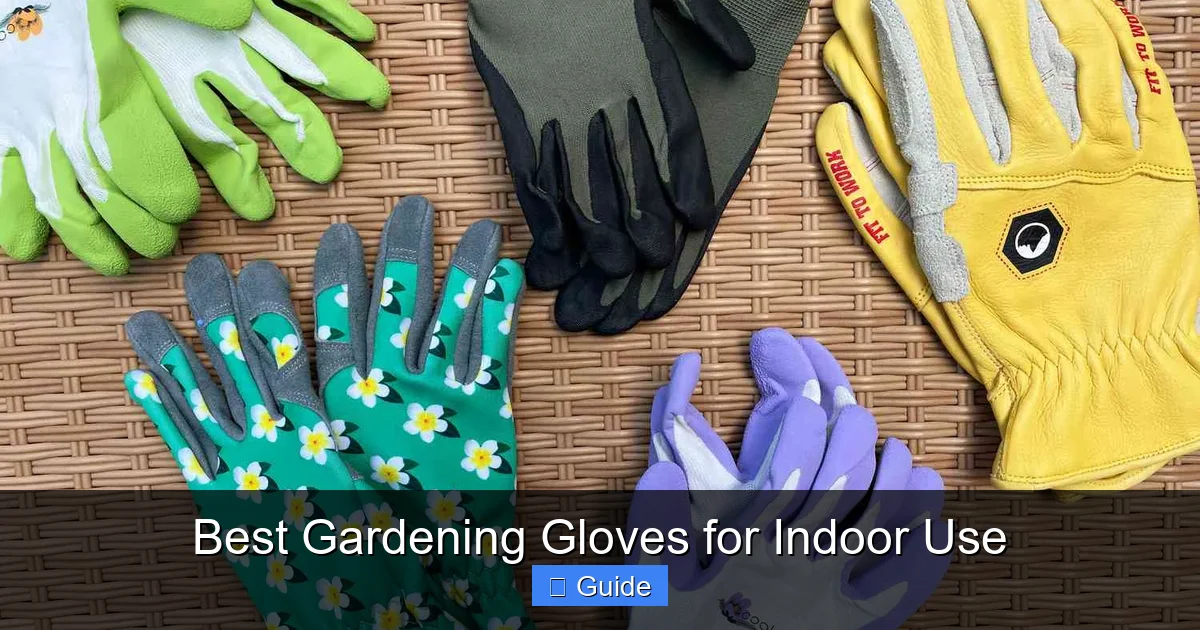
Visual guide about Best Gardening Gloves for Indoor Use
Image source: thespruce.com
Latex-Coated Knit
Similar to nitrile but stickier. Latex grips better on dry surfaces. It feels tacky. Great for handling smooth ceramic pots. Less chemical resistant than nitrile. Some people have latex allergies. If you don’t, these are excellent. They wear faster than nitrile. The coating peels after heavy use. Still, a solid budget choice.
Bamboo Fiber Knit
Bamboo is naturally antimicrobial. It fights odor. It wicks sweat better than polyester. The feel is softer, almost silky. Often paired with nitrile palms. These feel luxurious. They cost more. Worth it if you garden daily and hate clammy hands.
Synthetic Leather (Microfiber)
Thin, supple, washable. Mimics deerskin without the stiffness. Good palm protection. Less breathable than knit backs. Best for tasks with more abrasion — moving rough pots, handling cactus, breaking up compacted soil. Not ideal for fine seeding.
Claw Gloves (ABS Plastic Tips)
One hand has hard plastic claws on the fingertips. Usually the right hand. You dig, aerate, fluff soil, and make planting holes without a trowel. The other hand is a standard nitrile glove. Brilliant for container work. Saves wrist strain. Not for pruning or delicate handling. A specialty tool, not an everyday glove.
Cotton with Dots
Old school. Cotton jersey with PVC dots on the palm. Cheap. Breathable. Washable. Zero dexterity. The dots peel. The cotton absorbs water and stays wet. Fine for light cleanup. Useless for real gardening. Skip these.
How to Choose the Right Fit
Measure Your Hand
Wrap a tape measure around your dominant hand at the knuckles. Not the thumb. That circumference in inches is your glove size. Most brands run small. Size up if between sizes. A tight glove restricts blood flow. A loose glove bunches at the fingertips. Both ruin dexterity.
Try the Pinch Test
Put the glove on. Pinch your thumb and index finger together. Can you feel the pads touching? Can you pick up a single seed? If the material bunches or you feel numb, it is too big or too thick. The best gardening gloves for indoor use pass the pinch test effortlessly.
Check the Cuff
Knit wrists hug the wrist. They keep soil out. They stay put. Gauntlet cuffs flare. They protect forearms from thorns. They let dirt fall in. For indoor work, knit wrists win. Unless you handle cactus or thorny vines daily.
Finger Length Matters
Some gloves have short fingers. Your fingertips hit the end. You lose sensation. Others have long, floppy fingers. You can’t feel anything. Look for anatomical shaping. Curved fingers. Tapered tips. Women’s-specific cuts often fit smaller hands better, regardless of gender.
Feature Breakdown: What Actually Helps
Touchscreen Compatibility
Conductive thread in the thumb and index fingertip. You check your phone for watering schedules, plant ID, or timers. You don’t peel off a glove with dirty fingers. It seems small. It becomes essential once you have it.
Reinforced Fingertips
Extra nitrile or synthetic leather on the thumb, index, and middle fingertips. These wear fastest. Reinforcement doubles glove life. Critical if you pinch-cut stems or scrape soil off roots.
Machine Washable
Non-negotiable. Check the tag. Cold water. Mild detergent. Air dry. No fabric softener — it kills grip. No dryer heat — it melts coatings. A glove that survives 20 washes saves you $50 a year.
Color Coding
Bright colors — orange, lime, pink — are easy to spot in a soil pile. Dark colors hide stains but disappear in leaf litter. Some brands color-code sizes. Handy if multiple people share gloves.
Hanging Loop
A small fabric loop at the cuff. You hang gloves on a hook to dry. They air out fast. No mold. No crusty stiffness. Simple. Effective. Missed by many brands.
Top Picks by Category
Best Overall: Atlas Nitrile Touch 370
15-gauge nylon shell. Nitrile foam palm. Incredible dexterity. Machine washable. Touchscreen compatible. Knit wrist. Comes in sizes XS to XL. Women’s cut available. Costs about $8 a pair. Lasts a season of weekly use. The benchmark.
Best for Sensitive Skin: Bamboo MN Gloves
Bamboo rayon shell. Nitrile palm. Hypoallergenic. Antimicrobial. Super soft. No irritation after hours. Slightly less grip than pure nitrile. Worth it for eczema or contact dermatitis. About $12.
Best for Cactus and Succulents: Wells Lamont HydraHyde
Synthetic leather palm. Spandex back. Puncture-resistant. Water-resistant. Knit wrist. Handles spines without flinching. Less breathable. Hands get warm after 30 minutes. $15. Keep a pair just for thorny tasks.
Best Claw Gloves: GeniTools Claw Gloves
ABS claws on right hand. Nitrile left hand. Claws are sturdy. Dig through root balls. Make seed furrows. Aerate compacted pots. Left hand holds the plant. Weird at first. Indispensable for repotting day. $18.
Best Budget: Vgo 10-Pack Nitrile Coated
Thin. 13-gauge. Smooth nitrile palm. Decent grip. Washable. No touchscreen. No reinforced tips. Wear out in a month of heavy use. But at $1.50 a pair? You toss them guilt-free. Great for seed starting marathons.
Best for Wet Work: Showa 370 Temres
Waterproof nitrile coating. Insulated back. Keeps hands dry and warm. Great for hydroponics, water gardens, winter greenhouse work. Bulky. Low dexterity. Not for daily indoor use. A specialist glove. $22.
Care and Maintenance
Wash After Every Use
Rinse under running water. Scrub palms together. Removes soil, sap, fertilizer salts. Prevents buildup that degrades coating. Takes 30 seconds.
Weekly Machine Wash
Mesh laundry bag. Cold cycle. Mild detergent. No bleach. No softener. Hang dry. Do not wring — it distorts the knit.
Rotate Pairs
Own three pairs. Wear one. Wash one. Dry one. Gloves last three times longer. You always have a dry pair ready.
Inspect Before Use
Check for holes. Thin spots. Peeling coating. A hole at the fingertip lets in soil and bacteria. Toss compromised gloves. They are cheap insurance.
Store Properly
Hang by the loop. Or lay flat in a bin. Never crumple in a pocket. Creases crack coatings. Damp piles grow mold.
Common Mistakes to Avoid
Buying Outdoor Gloves for Indoor Use
Leather drivers. Pigskin. Goatskin. Too thick. Too stiff. Not washable. You will hate them. Save them for the yard.
Ignoring Size Charts
“Medium fits everyone” is a lie. Measure. Order two sizes. Return the wrong one. Fit is everything.
Choosing Style Over Function
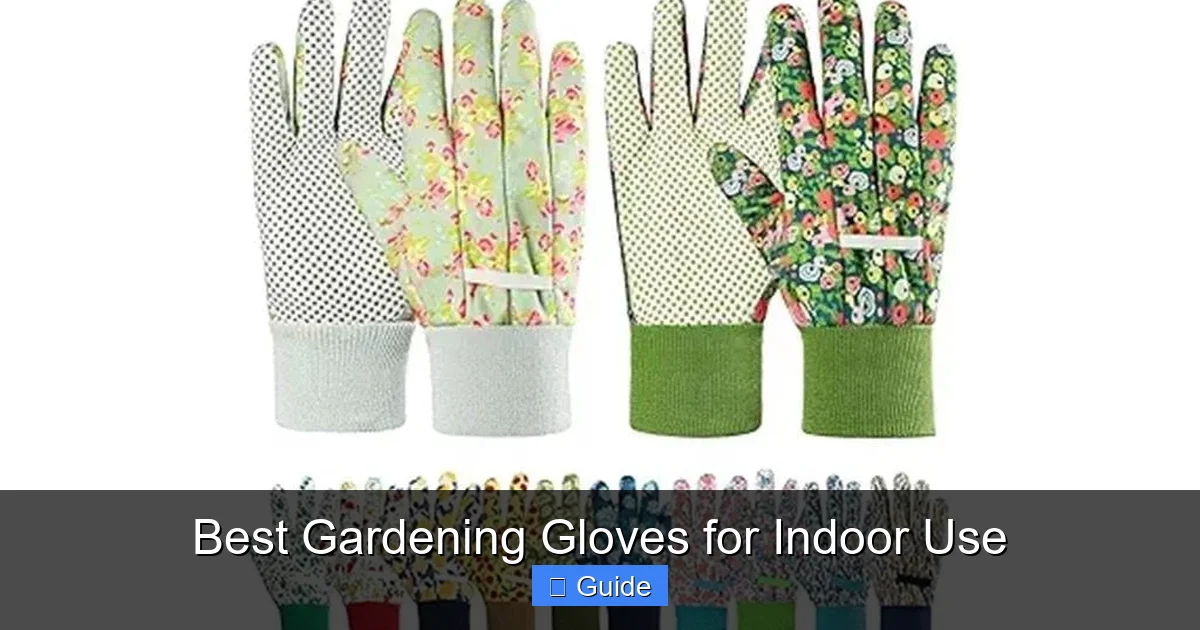
Floral prints. Cute colors. No grip. No washability. One wash and they are rags. Function first. Pretty second.
Wearing Gloves Wet
Damp gloves breed fungus. They chafe. They tear easier. Dry them fully between uses.
Using One Pair for Everything
Claw gloves for digging. Nitrile for seeding. Synthetic leather for cactus. Match the glove to the task. Your hands will thank you.
Special Considerations
Allergies and Sensitivities
Latex allergy? Avoid latex-coated. Nitrile is safe. Sensitive to dyes? Look for undyed, natural bamboo or white nylon. Reaction to detergents? Rinse twice. Use fragrance-free soap.
Arthritis and Hand Pain
Compression gloves under gardening gloves add support. Look for seamless liners. Copper-infused claims are unproven but harmless. Choose the loosest fit that still passes the pinch test. Claw gloves reduce digging strain significantly.
Kids and Indoor Gardening
Kids’ sizes exist. Atlas makes a youth line. Fit matters more for small hands. Oversized gloves cause frustration. Let them pick the color. They will actually wear them.
Hydroponics and Aquaponics
Constant wet. Need waterproof. Showa Temres or similar. Long cuffs help. Change gloves between systems to prevent cross-contamination.
Building Your Indoor Glove Kit
Start with two pairs of nitrile-coated knit. One snug for precision. One slightly loose for comfort. Add a claw glove for repotting days. Add a synthetic leather pair for thorny plants. That is four pairs. Covers 95% of indoor tasks. Costs under $50. Lasts a year.
Store them in a caddy by your potting station. Clean. Dry. Ready. You reach for the right one without thinking. That is the goal. Gloves become invisible. You just garden.
Conclusion
The best gardening gloves for indoor use are not the toughest. They are not the prettiest. They are the ones you actually wear. Light enough to feel a root. Grippy enough to hold a wet pot. Breathable enough to forget they are on. Washable enough to stay clean. Nitrile-coated knit hits that sweet spot for most people. But your hands are unique. Your plants are unique. Try a few. Find your fit. Then garden gladly, knowing your hands are protected, clean, and ready for the next repot.
Happy growing. And may your fingernails stay forever clean.
Frequently Asked Questions
How often should I replace my indoor gardening gloves?
Replace gloves when you see holes, thinning coating, or loss of grip. With rotation and proper washing, a quality nitrile pair lasts 3-6 months of weekly use.
Can I use the same gloves for indoor and outdoor gardening?
You can, but outdoor gloves are typically too thick and stiff for indoor precision work. Keep a dedicated lighter pair for houseplants and seedlings.
Are bamboo gardening gloves better than synthetic ones?
Bamboo gloves are softer, more antimicrobial, and wick moisture better, making them ideal for sensitive skin. They cost more but offer superior comfort for long sessions.
What gloves work best for hydroponic systems?
Waterproof nitrile gloves with longer cuffs, like the Showa Temres, keep hands dry and warm during reservoir maintenance and root handling in hydroponics.
How do I prevent my gardening gloves from getting moldy?
Always hang gloves to dry completely after washing or use. Never store them damp in a bag or pocket. A hanging loop and good airflow prevent mold growth.
Are expensive gardening gloves worth the money?
Mid-range gloves ($8-15) with nitrile coating, reinforced fingertips, and touchscreen compatibility offer the best value. Very cheap gloves wear out fast; premium ones rarely outperform mid-range for indoor tasks.