Parsley Humidity Requirements
Parsley humidity requirements are simple: keep the soil evenly moist and the air around the plant at 40‑60% relative humidity. Too dry air causes leaf curl, while excess moisture invites fungus. Follow these tips for lush, flavorful parsley all season.
Key Takeaways
- Ideal range: Aim for 40% to 60% relative humidity around parsley.
- Soil moisture: Keep soil consistently damp but not soggy.
- Air circulation: Good airflow prevents fungal issues.
- Indoor care: Use a humidifier or pebble tray in dry homes.
- Outdoor care: Mulch helps retain moisture in hot weather.
- Signs of trouble: Curled leaves mean low humidity; yellow spots mean high humidity.
Quick Answers to Common Questions
What is the ideal humidity for parsley?
The ideal humidity for parsley is forty to sixty percent relative humidity.
How can I raise humidity indoors?
Use a humidifier, a pebble tray, or group plants together to raise indoor humidity.
What are signs of low humidity?
Curled leaf edges, brown tips, and slow growth indicate low humidity.
Can too much humidity harm parsley?
Yes, excess humidity encourages fungal diseases like powdery mildew and stem rot.
How often should I check humidity?
Check humidity daily with a hygrometer, especially during seasonal changes.
📑 Table of Contents
Understanding Parsley Humidity Requirements
Parsley humidity requirements are the first thing to learn when you grow this herb. The plant likes a moderate amount of moisture in the air. Too little humidity makes the leaves curl. Too much humidity invites disease. Knowing the right balance helps you get a strong harvest.
When you start a parsley garden you should think about the air around the plant. The ideal range is forty to sixty percent relative humidity. This range matches the natural climate of the Mediterranean. It also works well for indoor pots. Keep a simple hygrometer nearby to check the level. Remember the parsley humidity requirements every day.
Parsley humidity requirements also depend on temperature. Warm air holds more water. Cool air holds less. In summer you may need to add moisture. In winter you may need to reduce it. Adjust your care as the seasons change. Follow the parsley humidity requirements for best results.
Why Humidity Matters
Why humidity matters for parsley is simple. The plant breathes through tiny pores on leaves. Dry air closes those pores. Closed pores stop photosynthesis. Low moisture also stresses the stem. Consistent parsley humidity requirements keep pores open. Healthy pores mean better growth. Follow the parsley humidity requirements for strong plants.
Signs of Good Humidity
Signs of good humidity are easy to see. Leaves stay flat and bright green. Stems feel firm when touched. New growth appears quickly. No brown tips show on edges. A steady parsley humidity requirements level creates this look. Check the hygrometer each morning. Keep the parsley humidity requirements in range.
Common Myths
Common myths about parsley humidity requirements can mislead you. Some think misting all day helps. Too much mist causes fungus. Others believe a sealed terrarium is best. Sealed air traps heat and moisture. The truth is moderate air flow works. Follow real parsley humidity requirements not myths. Simple care wins every time.
Ideal Humidity Levels for Parsley
Target Range
The target range for parsley humidity requirements is forty to sixty percent. This range keeps the leaves firm and green. It also supports steady growth. If the level drops below forty percent the plant stresses. If it rises above seventy percent the risk of mold rises. Stick to the parsley humidity requirements for healthy leaves.
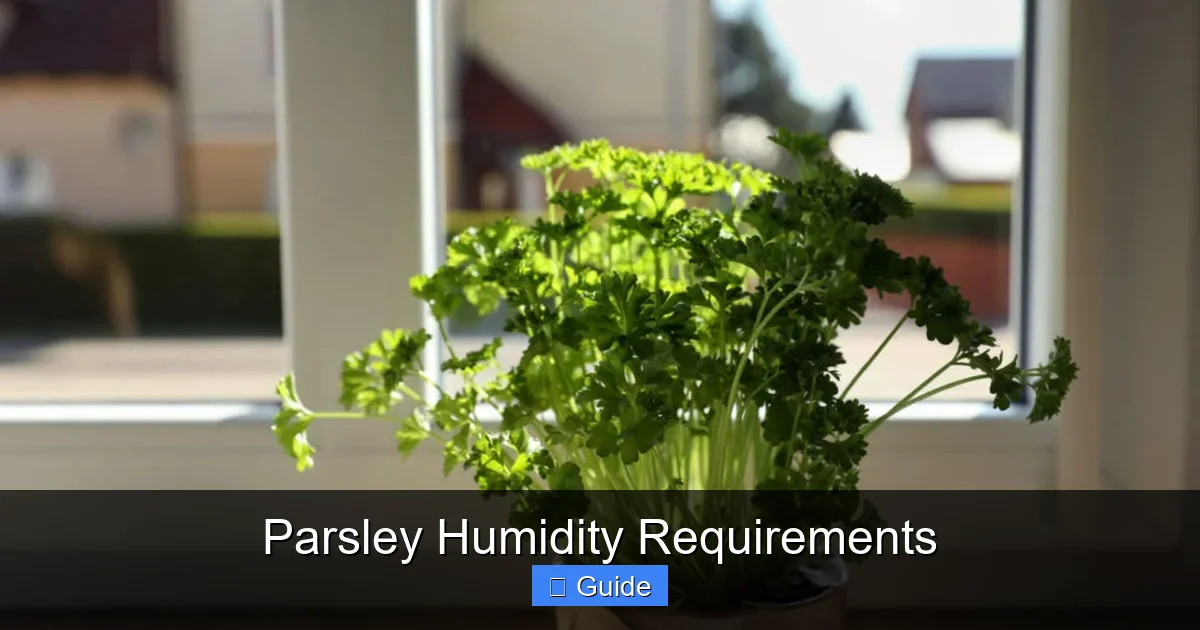
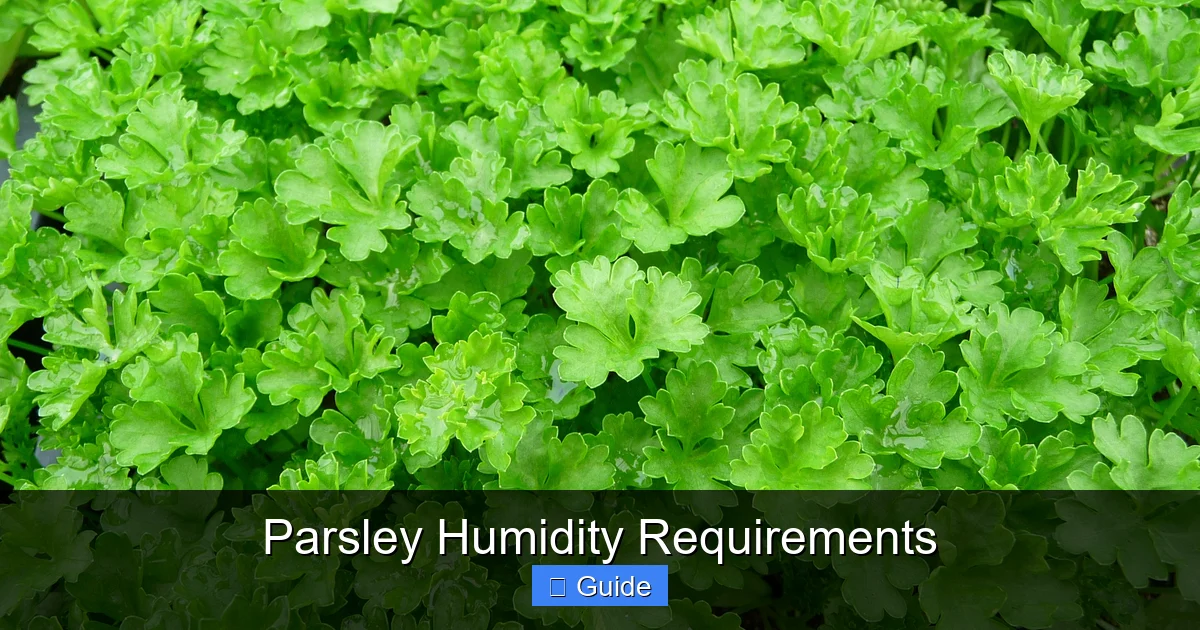
Visual guide about Parsley Humidity Requirements
Image source: tastylicious.com
Day and Night Differences
Humidity often changes between day and night. Daytime air can be drier especially indoors with heating. Nighttime air can be more humid. Check both times. Adjust watering or misting to keep the range steady. Consistent monitoring meets parsley humidity requirements.
Seasonal Adjustments
In spring the air is often moist enough. In summer you may need a humidifier or a pebble tray. In fall the air dries again. In winter indoor heating drops humidity sharply. Add a room humidifier to meet parsley humidity requirements during cold months. Seasonal care follows parsley humidity requirements.
Microclimate Tips
Group plants together to create a humid microclimate. Place a shallow water tray near the pots. Use a small fan on low to circulate air. These simple steps help you hit parsley humidity requirements without extra equipment. Microclimate tricks support parsley humidity requirements.
Humidity and Flavor
Humidity and flavor go hand in hand. Proper parsley humidity requirements boost essential oils. Dry air makes leaves taste bland. Too wet air can dilute flavor compounds. Aim for the sweet spot of fifty percent. Taste test leaves each week. Adjust care to meet parsley humidity requirements. Better flavor follows proper humidity.
Humidity and Seed Germination
Humidity and seed germination are linked. Seeds need moist air to sprout. Low parsley humidity requirements delay emergence. High humidity can cause damping off. Keep the seed tray at fifty percent. Cover lightly with clear plastic. Vent daily to avoid excess. Consistent parsley humidity requirements give strong seedlings.
Adjusting for Microclimates
Adjusting for microclimates helps meet parsley humidity requirements. A sunny windowsill can be dry. A bathroom corner can be damp. Move pots to balance the air. Use a small fan to even out pockets. Group plants with similar needs. Monitor each spot with a hygrometer. Small changes keep parsley humidity requirements steady.
Measuring and Adjusting Humidity
Tools You Need
A cheap digital hygrometer gives you a quick reading. Place it near the plant canopy. Read it each morning. Write down the numbers to see trends. This habit makes it easy to meet parsley humidity requirements. Accurate tools simplify parsley humidity requirements.
Raising Humidity
If the reading is low you can raise humidity in several ways. Group plants together to create a microclimate. Set a shallow tray of water near the pots. Use a small room humidifier on a low setting. Mist the leaves lightly in the morning. Do not soak the foliage. These actions satisfy parsley humidity requirements.
Lowering Humidity
If the reading is high you need to lower humidity. Increase air flow with a fan on low. Space the pots farther apart. Remove any standing water trays. Water the soil only when the top inch feels dry. These steps keep parsley humidity requirements in the safe zone. Lowering tactics protect parsley humidity requirements.
Automated Controls
Smart humidifiers can maintain a set point automatically. Connect a sensor to a controller for hands‑free operation. This technology ensures parsley humidity requirements stay constant day and night. Automation reduces guesswork for parsley humidity requirements.
Using a Psychrometer
Using a psychrometer gives precise parsley humidity requirements data. The tool has two thermometers. One stays dry one stays wet. The temperature gap shows relative humidity. Read the scale each morning. Record the numbers in a notebook. Adjust humidifier settings based on the reading. Accurate data keeps parsley humidity requirements on target.
DIY Humidity Trays
DIY humidity trays are cheap and effective for parsley humidity requirements. Fill a shallow tray with pebbles. Add water just below the stone tops. Set the pot on the pebbles. Evaporation raises local humidity. Refill the tray every few days. Clean the tray weekly to stop algae. Simple trays meet parsley humidity requirements easily.
Seasonal Calibration
Seasonal calibration keeps parsley humidity requirements accurate year round. Winter heating drops indoor humidity fast. Summer AC can also dry the air. Check the hygrometer at each season change. Adjust humidifier or dehumidifier accordingly. Write down the new set points. Re‑calibrate the sensor if readings drift. Consistent calibration protects parsley humidity requirements.
Watering Practices That Support Humidity
Consistent Moisture
Parsley likes soil that stays evenly moist. Water when the top inch of soil feels dry. Use a watering can with a narrow spout. Pour water slowly until it drains from the bottom. This method keeps the root zone humid without waterlogging. Consistent watering meets parsley humidity requirements.
Bottom Watering
Bottom watering can help meet parsley humidity requirements. Place the pot in a tray of water for ten minutes. The soil draws water up from the bottom. This reduces wet leaves and keeps the air around the plant stable. Bottom watering supports parsley humidity requirements.
Mulching
A thin layer of straw or shredded leaves on the soil surface slows evaporation. Mulch keeps the soil moist longer. It also keeps the humidity near the plant more constant. Replace mulch as it breaks down. Mulching aids parsley humidity requirements.
Water Quality
Use room temperature water for best results. Cold water can shock roots and change local humidity. Let tap water sit for a few hours to off‑gas chlorine. Good water quality helps you meet parsley humidity requirements. Clean water supports parsley humidity requirements.
Watering Frequency Guide
A watering frequency guide simplifies parsley humidity requirements. Check the top inch of soil daily. Water only when it feels dry. In hot weather water every two days. In cool weather water every four days. Adjust for pot size and soil type. Consistent timing supports parsley humidity requirements. A simple schedule prevents stress.
Self‑Watering Pots
Self‑watering pots help meet parsley humidity requirements with less work. A reservoir at the base feeds water upward. The soil stays evenly moist for days. Roots absorb water as needed. This reduces surface evaporation. Refill the reservoir weekly. Clean the wick monthly to avoid clogs. Self‑watering systems keep parsley humidity requirements stable.
Rainwater Benefits
Rainwater benefits parsley humidity requirements naturally. It is free of chlorine and salts. The temperature matches the air. Use a barrel to collect roof runoff. Let the water sit for a day. Then water the plants with it. Plants respond with brighter leaves. Natural water supports parsley humidity requirements well.
Common Problems Linked to Humidity
Low Humidity Symptoms
When parsley humidity requirements are not met low humidity shows as curled leaf edges. The leaves may turn brown at the tips. Growth slows down. The plant may bolt early. Fix the issue by raising humidity quickly. Early action restores parsley humidity requirements.
High Humidity Symptoms
Excess humidity leads to fungal diseases. You may see white powdery mildew on leaves. Yellow spots can appear. Stem rot can develop at the base. Improve air flow and reduce watering to correct the problem. Managing high humidity protects parsley humidity requirements.
Pest Connections
Spider mites thrive in dry air. Aphids like humid stagnant conditions. Keeping parsley humidity requirements balanced reduces both pests. Inspect leaves weekly. Use a gentle spray of water to knock off mites. Pest control aligns with parsley humidity requirements.
Nutrient Uptake
Proper humidity helps roots absorb nutrients. Too dry air limits uptake. Too wet air can cause root rot. Balanced parsley humidity requirements ensure steady feeding. Nutrient health follows parsley humidity requirements.
Root Rot Prevention
Root rot prevention starts with proper parsley humidity requirements. Avoid soggy soil at all times. Ensure pots have drainage holes. Use a well‑draining potting mix. Water only when the top inch is dry. Increase air flow around the base. Remove any standing water quickly. Healthy roots mean strong parsley humidity requirements compliance.
Leaf Spot Management
Leaf spot management follows parsley humidity requirements guidelines. Remove infected leaves immediately. Improve air circulation around the plant. Avoid overhead watering late in the day. Apply a copper based fungicide if needed. Keep humidity in the target range. Monitor daily for new spots. Consistent care stops leaf spot spread.
Recovery Steps
Recovery steps bring parsley back after humidity stress. First correct the humidity level fast. Trim away damaged foliage. Give a light feed with balanced fertilizer. Keep the soil moist but not wet. Watch for new growth in a week. Patience and steady parsley humidity requirements restore vigor. Healthy plants bounce back quickly.
Tips for Indoor and Outdoor Parsley
Indoor Growing
Indoor parsley often suffers from dry heated air. Place a humidifier in the room. Set it to maintain forty to sixty percent. Use a pebble tray under the pot. Mist the leaves each morning. Keep the plant away from direct drafts. Indoor care meets parsley humidity requirements.
Outdoor Growing
Outdoor parsley benefits from natural humidity. In hot climates mulch heavily. Water early in the day. Provide afternoon shade if temperatures exceed eighty degrees. A shade cloth can keep humidity higher around the plant. Outdoor strategies meet parsley humidity requirements.
Container Versus Ground
Containers dry out faster than ground beds. Check container parsley humidity requirements daily. Use a larger pot to hold more soil. Add a water reservoir at the bottom if possible. Ground plants need less frequent checks but still benefit from mulch. Container care follows parsley humidity requirements.
Seasonal Transitions
Move pots indoors before frost. Acclimate plants gradually to indoor humidity. Reverse the process in spring. Gradual changes prevent shock and keep parsley humidity requirements stable. Transition care respects parsley humidity requirements.
Lighting and Humidity
Lighting and humidity interact for parsley humidity requirements. Bright light increases transpiration. More transpiration raises local humidity. Too much direct sun can dry leaves fast. Use a sheer curtain to diffuse light. Place a humidifier near the light source. Balance light and moisture for best growth. Proper lighting supports parsley humidity requirements.
Companion Planting
Companion planting can ease parsley humidity requirements. Basil and mint like similar moisture. Plant them together in a shared bed. Their combined transpiration raises humidity. Avoid drought‑tolerant neighbors like rosemary. Grouping creates a mini microclimate. Check the group hygrometer weekly. Companion plants help meet parsley humidity requirements naturally.
Harvest Timing
Harvest timing affects parsley humidity requirements indirectly. Cut leaves in the morning when humidity is high. This reduces stress on the plant. Leave at least two inches of stem. Frequent light cuts encourage new growth. Avoid harvesting during extreme dry spells. Proper timing keeps parsley humidity requirements balanced. Enjoy fresh parsley all season.
By following these guidelines you can meet parsley humidity requirements with confidence. Consistent monitoring and simple adjustments keep your herb healthy. Enjoy fresh parsley in every meal. Remember the parsley humidity requirements for a thriving garden.
Frequently Asked Questions
What humidity range does parsley prefer?
Parsley prefers a relative humidity range of forty to sixty percent for optimal growth and flavor.
How do I measure humidity accurately?
Use a digital hygrometer placed near the plant canopy and read it each morning for accurate tracking.
What watering method best supports humidity?
Bottom watering and consistent soil moisture keep the root zone humid without wetting the foliage.
How to fix low humidity problems?
Increase humidity by adding a humidifier, pebble trays, or grouping plants; mist lightly in the morning.
How to prevent fungal issues from high humidity?
Improve air circulation with a fan, space plants apart, and avoid overhead watering late in the day.
Can I grow parsley in a bathroom?
Yes, a bathroom often provides the high humidity parsley likes, but ensure adequate light and airflow.