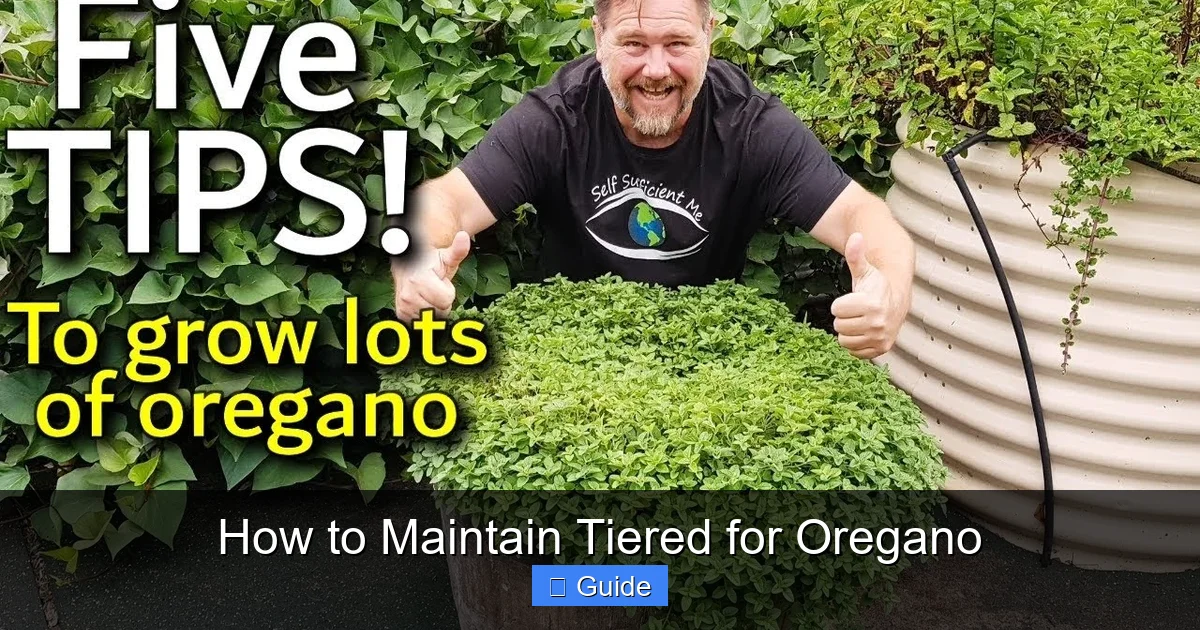
How to Maintain Tiered for Oregano
Growing oregano in tiered planters maximizes space and improves drainage for healthier plants. This guide covers everything from soil preparation and watering schedules to seasonal care and troubleshooting common issues.
Growing herbs at home brings fresh flavor to your kitchen and a touch of green to your living space. When you maintain tiered for oregano setups, you unlock a whole new level of gardening efficiency. Tiered planters let you grow more plants in less space. They also create better air flow around each plant. This reduces disease risk. Oregano thrives in these conditions because it loves good drainage and plenty of sun.
I started using tiered planters for my herbs three years ago. The difference was remarkable. My oregano plants grew fuller and produced more leaves than ever before. The secret lies in understanding how to maintain tiered for oregano systems properly. Each tier has slightly different conditions. The top tier gets more sun and wind. The bottom tier stays moister and cooler. Once you learn to work with these microclimates, your herb garden will flourish.
Key Takeaways
- Choose the right tiered system: Select planters with good drainage and adequate depth for oregano root systems.
- Use well-draining soil mix: Combine potting soil with perlite and coarse sand to prevent root rot.
- Water deeply but infrequently: Allow the top inch of soil to dry between waterings to mimic Mediterranean conditions.
- Prune regularly for bushier growth: Trim stems back by one-third every few weeks during the growing season.
- Harvest before flowering: Pick leaves in the morning for the highest essential oil content and best flavor.
- Monitor for pests weekly: Check leaves for spider mites, aphids, and whiteflies, especially in humid conditions.
- Provide winter protection: Move tiered planters indoors or add mulch for outdoor overwintering in cold climates.
Quick Answers to Common Questions
How often should I water oregano in tiered planters?
Water when the top inch of soil feels dry. Check each tier separately as upper tiers dry faster than lower ones. Typically every 2-3 days in summer, weekly in spring/fall, and minimally in winter.
Can I grow oregano in the bottom tier of a stacked planter?
It’s not ideal. Bottom tiers stay wetter and get less sun. Oregano prefers the top tier where drainage is best and sun exposure is maximum. Use bottom tiers for moisture-loving herbs like mint or parsley instead.
When is the best time to harvest oregano for drying?
Harvest just before flowering in the morning after dew dries but before midday heat. This captures peak essential oil content. Cut stems back by one-third, leaving enough foliage for regrowth.
Why is my oregano turning woody in the center?
Woody centers develop without annual hard pruning. In early spring, cut the entire plant back to 4-6 inches before new growth starts. This rejuvenates the plant and prevents bare, unproductive centers.
Do I need to fertilize oregano in tiered containers?
Yes, but lightly. Use a balanced organic fertilizer (5-5-5) at half strength every 4 weeks during active growth. Stop fertilizing 6 weeks before frost. Over-fertilizing reduces flavor by promoting leaf growth over essential oils.
📑 Table of Contents
- Choosing the Right Tiered Planter System
- Creating the Perfect Soil Mix
- Watering Strategies for Tiered Systems
- Sunlight and Positioning Strategy
- Pruning and Harvesting for Maximum Yield
- Fertilizing Container Oregano
- Pest and Disease Management
- Seasonal Care Calendar
- Troubleshooting Common Problems
- Propagating Oregano for Tiered Systems
- Designing Beautiful Tiered Herb Gardens
- Advanced Tips for Maximum Production
- Conclusion
Choosing the Right Tiered Planter System
Not all tiered planters work well for oregano. You need to consider several factors before buying or building your system. The right choice makes maintenance much easier down the road.
Material Matters for Long-Term Success
Tiered planters come in wood, plastic, metal, and fabric. Each material affects how you maintain tiered for oregano gardens. Wooden planters look beautiful and provide natural insulation. Cedar and redwood resist rot naturally. They keep roots cooler in summer and warmer in winter. However, wood eventually breaks down. You may need to replace boards after several seasons.
Plastic tiered planters are lightweight and affordable. They retain moisture well, which can be good or bad for oregano. Look for UV-resistant plastic to prevent cracking. Dark colors absorb heat. This helps in cool climates but can cook roots in hot areas. Metal planters heat up quickly. They work well in spring and fall but may stress plants in midsummer. Fabric planters offer excellent drainage and air pruning. They prevent root circling. However, they dry out fast and need frequent watering.
Size and Depth Requirements
Oregano develops a modest root system. It needs at least six inches of soil depth. Eight to twelve inches is ideal. When you maintain tiered for oregano setups, check each tier depth. Some tiered systems have shallow lower tiers. These work for annual herbs but not for perennial oregano. Measure before you buy. If building your own, make all tiers at least eight inches deep.
Width matters too. Each oregano plant needs about twelve inches of space. Crowded plants compete for nutrients and air flow. This leads to leggy growth and fungal issues. A three-tier system with three-foot-wide tiers holds nine plants comfortably. That provides plenty of oregano for a family of four with extra for drying.
Drainage Design Essentials
Good drainage is non-negotiable when you maintain tiered for oregano planters. Oregano hates wet feet. Root rot kills plants fast in poorly drained containers. Look for planters with multiple drainage holes per tier. Holes should be at least half an inch wide. Cover holes with landscape fabric or coffee filters. This keeps soil in while letting water out.
Consider the drainage flow between tiers. Water from upper tiers drips onto lower ones. This creates a moisture gradient. The bottom tier stays wettest. Plant accordingly. Put moisture-tolerant herbs on lower tiers. Keep oregano on upper tiers where it drains best. Or add a catch tray system to control runoff.
Creating the Perfect Soil Mix
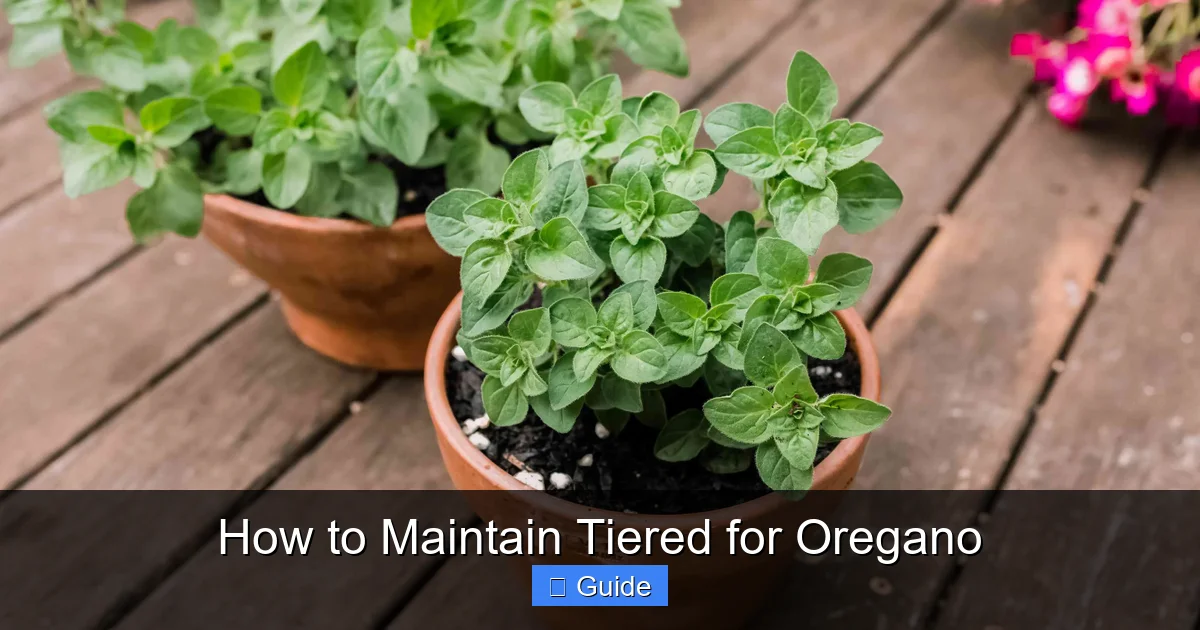
Soil quality determines success when you maintain tiered for oregano gardens. Container soil differs from garden soil. It must drain fast yet hold some moisture. It needs nutrients but not too much richness. Oregano prefers lean soil. Rich soil produces lush growth with less flavor.
Visual guide about How to Maintain Tiered for Oregano
Image source: thespruce.com
Basic Oregano Soil Recipe
Mix two parts high-quality potting soil with one part perlite and one part coarse sand. This creates a light, airy medium. The potting soil provides structure and some nutrients. Perlite improves drainage and aeration. Coarse sand adds weight and mimics Mediterranean soils. Avoid fine sand. It compacts and reduces drainage.
Add a handful of compost per gallon of mix. This provides slow-release nutrients. Do not use manure-based composts. They are too high in nitrogen. Nitrogen promotes leaf growth at the expense of essential oils. You want flavorful leaves, not huge bland ones. A balanced organic fertilizer with low nitrogen works better.
pH Considerations for Optimal Growth
Oregano prefers slightly alkaline soil. Aim for pH 6.5 to 7.0. Most potting mixes are slightly acidic. Test your mix with an inexpensive meter. If pH is below 6.5, add garden lime. Use about one tablespoon per gallon of soil mix. Mix thoroughly. Retest after a week. Adjust as needed. Proper pH ensures nutrient availability. It also discourages certain fungal pathogens.
Refreshing Soil Between Seasons
Container soil degrades over time. Organic matter breaks down. Structure collapses. Salts build up from fertilizer. When you maintain tiered for oregano planters long-term, refresh soil annually. In early spring, remove the top third of soil. Replace with fresh mix. Every two to three years, do a complete soil change. This is also a good time to divide overgrown plants.
Watering Strategies for Tiered Systems
Watering is the trickiest part when you maintain tiered for oregano setups. Each tier dries at a different rate. The top tier dries fastest. The bottom tier stays moist longest. Sun exposure, wind, and plant size all affect drying time. A fixed schedule fails. You must water based on actual conditions.
The Finger Test Method
Forget calendars. Use your finger. Push it into the soil up to the second knuckle. If the tip feels dry, water. If it feels moist, wait. Check each tier separately. You will often water upper tiers while skipping lower ones. This is normal and correct. Oregano prefers to dry out between waterings. Constant moisture causes root rot and dilutes flavor.
Deep Watering Technique
When you do water, water deeply. Apply water until it runs out the drainage holes. This ensures the entire root zone gets moistened. Shallow watering encourages shallow roots. Shallow roots dry out faster and access fewer nutrients. Deep watering promotes strong, deep root systems. These plants handle stress better.
Water in the morning whenever possible. Morning watering lets foliage dry before evening. Wet leaves overnight invite fungal diseases. If you must water in late afternoon, aim for the soil only. Keep leaves dry. A watering can with a long spout helps. Soaker hoses work well for larger tiered systems.
Seasonal Watering Adjustments
Water needs change dramatically through the year. Spring growth requires consistent moisture. Summer heat may demand daily watering for top tiers. Fall brings cooler temperatures and less evaporation. Reduce frequency. Winter dormancy needs minimal water. Just enough to prevent complete drying. When you maintain tiered for oregano year-round, adjust weekly based on weather, not calendar.
Mulching for Moisture Management
Apply a thin layer of mulch to each tier. Use straw, shredded leaves, or fine bark. Keep mulch away from plant stems. Mulch reduces evaporation by up to fifty percent. It also moderates soil temperature. Roots stay cooler in summer and warmer in winter. Mulch breaks down slowly, adding organic matter. Refresh annually when you refresh soil.
Sunlight and Positioning Strategy
Oregano demands full sun. Six hours minimum. Eight to ten hours is better. When you maintain tiered for oregano planters, positioning determines success. The tiered structure itself creates shade patterns. Upper tiers shade lower ones. Plan your layout carefully.
Understanding Sun Patterns
Track sun exposure throughout the day. Morning sun is gentler. Afternoon sun is more intense. In hot climates, morning sun with afternoon shade works well. In cooler climates, maximum sun is best. South-facing locations get the most sun. West-facing gets intense afternoon sun. East-facing gets morning sun only. North-facing rarely provides enough light for oregano.
Rotating for Even Growth
Plants lean toward light. This creates lopsided growth. Rotate your tiered planter weekly. A quarter turn each week keeps plants upright and balanced. If your planter is too heavy to rotate, rotate the plants themselves. Swap positions between tiers monthly. This equalizes light exposure. It also helps you spot problems early as you inspect each plant closely.
Supplemental Lighting Options
Indoor tiered gardens need supplemental light. LED grow lights work best. Choose full-spectrum lights. Position them twelve to eighteen inches above plants. Run lights fourteen to sixteen hours daily. Use a timer for consistency. When you maintain tiered for oregano indoors, light quality matters more than quantity. Cheap lights produce leggy, weak plants. Invest in quality LEDs.
Pruning and Harvesting for Maximum Yield
Regular pruning transforms oregano from a straggly plant into a bushy producer. Many gardeners fear cutting their herbs. They think it harms the plant. The opposite is true. Oregano responds to pruning with vigorous new growth. When you maintain tiered for oregano systems, pruning also manages size. Container plants can outgrow their space fast.
The One-Third Rule
Never remove more than one-third of the plant at once. This rule applies to all pruning and harvesting. Cutting more shocks the plant. It may not recover. Cut stems just above a leaf node. New growth emerges from nodes. Cutting between nodes leaves dead stubs. These invite disease. Use clean, sharp scissors. Dirty tools spread pathogens.
Spring Hard Pruning
In early spring, before new growth starts, cut the entire plant back to four to six inches. This rejuvenates woody oregano. It removes old, unproductive wood. It stimulates fresh growth from the base. The plant will look drastic for a week. Then it explodes with new stems. This annual hard pruning keeps plants productive for years. Without it, oregano becomes woody and sparse.
Harvest Timing for Best Flavor
Harvest oregano leaves just before flowering. This is when essential oil content peaks. Morning harvest after dew dries but before heat sets in captures the most oils. If you see flower buds forming, harvest immediately. Flowering changes leaf flavor. It becomes more bitter. You can pinch off flower buds to extend the harvest window. But let some flower for pollinators. Bees love oregano flowers.
Drying and Storing Your Harvest
Bundle stems loosely with rubber bands. Hang upside down in a dark, well-ventilated area. A closet or pantry works. Drying takes one to two weeks. Leaves should crumble easily. Strip leaves from stems. Store in airtight glass jars away from light and heat. Properly dried oregano retains flavor for a year. Fresh oregano keeps in the refrigerator for two weeks. Wrap stems in a damp paper towel inside a plastic bag.
Fertilizing Container Oregano
Container plants depend entirely on you for nutrition. Garden soil has reserves. Potting mix has limited nutrients. When you maintain tiered for oregano planters, a light feeding schedule supports growth without sacrificing flavor. Over-fertilizing is worse than under-fertilizing for herbs.
Choosing the Right Fertilizer
Select a balanced organic fertilizer with an NPK ratio like 5-5-5 or 4-4-4. Avoid high-nitrogen formulas. Nitrogen produces lush green leaves with low oil content. You want flavor, not size. Fish emulsion and seaweed extract work well. They provide micronutrients too. Apply at half the recommended strength. Container plants need less than label rates.
Feeding Schedule Through the Seasons
Start feeding in spring when new growth appears. Feed every four weeks through summer. Stop feeding six weeks before first frost. This lets plants harden off. Winter feeding is unnecessary for dormant plants. If growing indoors year-round, feed monthly at quarter strength. Always water before and after fertilizing. This prevents root burn.
Signs of Nutrient Issues
Yellowing lower leaves often indicate nitrogen deficiency. But it can also mean overwatering. Check soil moisture first. Purple-tinged leaves suggest phosphorus deficiency. This is rare in containers. Brown leaf edges may mean potassium deficiency or salt buildup. Flush pots with plain water monthly to prevent salt accumulation. When you maintain tiered for oregano long-term, observation beats schedule.
Pest and Disease Management
Healthy oregano resists most pests and diseases. Stress invites problems. When you maintain tiered for oregano systems, prevention is easier than cure. Good cultural practices prevent ninety percent of issues.
Common Pests and Solutions
Spider mites love hot, dry conditions. They suck plant juices, causing stippled leaves. Increase humidity with regular misting. Spray neem oil weekly for control. Aphids cluster on new growth. Blast them off with water. Insecticidal soap works for heavy infestations. Whiteflies flutter up when disturbed. Yellow sticky traps catch adults. Neem oil controls nymphs.
Leaf miners create winding tunnels in leaves. Remove affected leaves. This breaks the life cycle. Caterpillars occasionally feed on oregano. Handpick them. They rarely cause serious damage. When you maintain tiered for oregano planters, inspect weekly. Flip leaves over. Check stems. Early detection makes control simple.
Fungal Disease Prevention
Powdery mildew appears as white dust on leaves. It thrives in humid, stagnant air. Space plants for air flow. Water at soil level. Remove infected leaves immediately. A baking soda spray (one teaspoon per quart water) helps prevent spread. Root rot shows as wilting despite moist soil. Roots turn brown and mushy. Improve drainage. Repot in fresh soil. Discard severely affected plants.
Beneficial Insects Welcome
Encourage ladybugs, lacewings, and parasitic wasps. Plant alyssum, dill, or fennel nearby. These attract beneficials. They control pests naturally. Avoid broad-spectrum insecticides. They kill good bugs too. When you maintain tiered for oregano gardens organically, nature balances itself. A few pests feed the beneficials. This creates a resilient mini-ecosystem.
Seasonal Care Calendar
Year-round success comes from seasonal awareness. Each season brings different tasks when you maintain tiered for oregano planters. This calendar assumes a temperate four-season climate. Adjust timing for your zone.
Spring Awakening
March to May is renewal time. Remove winter mulch. Check for winter damage. Prune hard as described earlier. Refresh top soil layer. Begin fertilizing when growth starts. Watch for late frosts. Cover plants if needed. Divide overcrowded plants. Repot divisions in fresh mix. This is also the best time to start new plants from cuttings.
Summer Maintenance
June through August demands vigilance. Water daily in heat. Mulch thickly. Harvest regularly. Pinch flower buds to extend leaf production. Scout for pests weekly. Provide afternoon shade in extreme heat. Rotate planter for even growth. Fertilize monthly. Enjoy abundant fresh oregano!
Fall Preparation
September to November signals wind-down. Reduce watering as temperatures drop. Stop fertilizing six weeks before frost. Do a final harvest before hard freeze. Dry excess for winter use. Apply winter mulch after ground freezes. Move planters to protected location if possible. Clean up debris to prevent disease overwintering.
Winter Dormancy Care
December through February is rest time. Water sparingly. Just prevent complete drying. No fertilizer. No pruning. Protect from freeze-thaw cycles. Group planters together for insulation. Wrap pots with burlap or bubble wrap. In zones 5 and below, move indoors to cool, bright location. Garage or unheated sunroom works. Keep barely moist.
Troubleshooting Common Problems
Even experienced gardeners face challenges. When you maintain tiered for oregano systems, certain issues appear regularly. Here are solutions to the most common problems.
Leggy, Sprawling Growth
Leggy plants stretch for light. They have long stems with few leaves. Cause: insufficient sun. Solution: move to sunnier location. Add grow lights if indoors. Prune hard to encourage bushiness. Rotate planter more frequently. When you maintain tiered for oregano in shade, accept leggy growth or relocate.
Yellowing Leaves
Yellow leaves have multiple causes. Overwatering is number one. Check soil moisture. Let dry more between waterings. Nutrient deficiency is possible. Apply half-strength fertilizer. Root binding happens in old containers. Roots circle and choke. Repot or divide. Natural aging yellows lower leaves. Remove them. This is normal.
Woody, Unproductive Centers
Old oregano develops woody centers that produce few leaves. This happens without annual hard pruning. Solution: spring renovation pruning. Cut to six inches. If center is dead, divide plant. Discard woody center. Replant vigorous outer sections. When you maintain tiered for oregano long-term, division every two to three years prevents this.
Flavor Loss
Bland oregano disappoints. Causes: too much water, too much nitrogen, too little sun, or harvesting after flowering. Solutions: reduce watering. Stop high-nitrogen fertilizer. Ensure six-plus hours sun. Harvest before flowering. Stress slightly for concentrated oils. Slight drought stress increases flavor compounds.
Propagating Oregano for Tiered Systems
Expanding your tiered garden is easy. Oregano propagates readily. When you maintain tiered for oregano planters, you can fill new tiers for free. Three methods work well.
Division Method
Spring division is fastest. Dig up mature plant. Shake off soil. Pull apart into sections. Each section needs roots and shoots. Replant immediately. Water well. Keep shaded for a week. Divisions establish fast. They match parent plant exactly. This preserves favorite varieties.
Stem Cuttings
Take four-inch cuttings in late spring. Remove lower leaves. Dip cut end in rooting hormone. Plant in moist perlite. Cover with plastic bag. Place in bright indirect light. Roots form in two to three weeks. Transplant to small pots. Grow on before moving to tiered system. Cuttings create many plants from one.
Layering Technique
Layering works for trailing stems. Pin a low stem to soil with a U-shaped wire. Cover contact point with soil. Keep moist. Roots form at contact point in four to six weeks. Cut from parent. Transplant. This method has high success rate. It requires no special equipment.
Designing Beautiful Tiered Herb Gardens
Function meets beauty in well-designed tiered gardens. When you maintain tiered for oregano systems, consider aesthetics too. A beautiful garden brings more joy. You will care for it better.
Companion Planting in Tiers
Mix oregano with compatible herbs. Thyme, sage, and rosemary share similar needs. They love sun and drainage. Plant them on upper tiers. Basil, parsley, and cilantro prefer more moisture. Put them on lower tiers. Flowers like marigold and nasturtium deter pests. They add color. Strawberries cascade beautifully from tier edges.
Color and Texture Combinations
Oregano has small green leaves. Contrast with broad-leafed sage. Add silver thyme for color variation. Purple basil creates drama. Variegated oregano varieties exist. ‘Aureum’ has gold leaves. ‘Variegata’ shows white margins. These brighten shadier lower tiers. When you maintain tiered for oregano displays, foliage contrast matters more than flowers.
Vertical Accents and Edging
Add height with rosemary standards or bay laurel in center pots. Let oregano spill over edges. This softens hard lines. Trailing thymes fill gaps. Use tier edges for cascading plants. Upright plants go in centers. This creates a lush, full look. The tiered structure becomes a living sculpture.
Advanced Tips for Maximum Production
Beyond basics, several techniques boost yields when you maintain tiered for oregano gardens. These methods come from commercial herb growers adapted for home scale.
Successive Planting Strategy
Stagger plant ages for continuous harvest. Start new cuttings every six weeks. Replace oldest plants annually. This ensures peak production always. Old plants decline after three to four years. Young plants produce most. When you maintain tiered for oregano systems with rotation, you never have a gap in supply.
Stress Conditioning for Flavor
Controlled stress increases essential oils. Reduce watering two weeks before major harvest. Withhold fertilizer. Expose to full sun. This mimics Mediterranean summer. Plants concentrate oils as survival mechanism. Flavor intensifies dramatically. Do not stress young or newly transplanted plants. Only established, vigorous specimens.
Microclimate Management
Each tier is a microclimate. Top tier: hottest, driest, sunniest. Best for oregano, thyme, rosemary. Middle tier: moderate conditions. Good for sage, lavender, hyssop. Bottom tier: coolest, moistest, shadiest. Suits mint, parsley, chives. When you maintain tiered for oregano planters, match plants to tiers. This reduces maintenance and increases success.
Conclusion
Learning to maintain tiered for oregano planters rewards you with abundant, flavorful herbs in minimal space. The tiered system creates ideal conditions for this Mediterranean native. Good drainage, ample sun, and proper air flow happen naturally in well-designed tiers. Your job is to work with these advantages.
Start with quality materials. Choose a planter with adequate depth and drainage. Fill it with the right soil mix. Position for maximum sun. Water deeply but infrequently. Prune regularly for bushy growth. Harvest at peak flavor. Fertilize lightly. Watch for pests. Adjust care with seasons. These simple practices, repeated consistently, create a thriving herb garden.
My tiered oregano garden provides more than herbs. It provides a daily connection to growing things. The scent of oregano on a warm breeze. The satisfaction of snipping fresh leaves for dinner. The joy of sharing dried bundles with friends. When you maintain tiered for oregano systems, you cultivate more than plants. You cultivate a richer, more flavorful life. Start your tiered herb journey this season. Your kitchen and your spirit will thank you.
Frequently Asked Questions
What size tiered planter do I need for oregano?
Each oregano plant needs at least 12 inches of space and 8-12 inches of soil depth. A three-tier system with 3-foot wide tiers accommodates 9 plants comfortably. Ensure all tiers have adequate depth, not just the top one.
Can oregano survive winter in tiered planters outdoors?
In zones 5 and above, oregano can overwinter outdoors with protection. Apply thick mulch after ground freezes, group planters together for insulation, and wrap pots with burlap. In zones 4 and below, move planters to an unheated garage or cool sunroom.
How do I prevent root rot in tiered oregano planters?
Use well-draining soil mix (2 parts potting soil, 1 part perlite, 1 part coarse sand), ensure multiple drainage holes per tier, water only when top inch is dry, and avoid letting lower tiers sit in runoff water from upper tiers.
What are the best companion plants for oregano in tiered systems?
Thyme, sage, rosemary, and lavender share oregano’s love for sun and drainage. Plant these on upper tiers. Moisture-loving herbs like basil, parsley, and cilantro work better on lower tiers where conditions are cooler and wetter.
How do I propagate oregano to fill new tiered planter levels?
Three easy methods: division (spring), stem cuttings (late spring), or layering (anytime during growing season). Division is fastest for mature plants. Cuttings produce many plants from one. Layering has the highest success rate for trailing stems.
Why does my oregano have no flavor?
Common causes: overwatering, too much nitrogen fertilizer, insufficient sun (less than 6 hours), or harvesting after flowering. Stress plants slightly before harvest by reducing water for 2 weeks, ensure full sun exposure, and harvest before flower buds open.