Plant Similar to Catmint
Catmint (Nepeta) is a beloved perennial known for its aromatic foliage and long-lasting blooms, but several excellent alternatives offer similar beauty and benefits. Plants like lavender, Russian sage, salvia, and agastache share catmint’s drought tolerance, pollinator appeal, and low-maintenance nature while bringing unique colors, forms, and fragrances to your garden.
If you’ve ever grown catmint in your garden, you know why gardeners adore it. Those soft mounds of gray-green foliage topped with clouds of lavender-blue flowers create a dreamy, romantic effect from late spring through early fall. Bees and butterflies can’t resist it. Deer and rabbits walk right past it. And once established, it barely asks for a drink of water.
But maybe you’re ready for something different. Perhaps your catmint has grown woody and sparse after a few years. Maybe you want a plant that blooms even longer, grows taller, handles more shade, or brings a completely different color palette to your beds. Whatever your reason, you’re in luck. The plant world offers several fantastic alternatives that capture catmint’s best qualities while adding their own special charm.
Key Takeaways
- Lavender is the closest visual match: With silvery foliage and purple spikes, lavender mirrors catmint’s aesthetic while offering stronger fragrance and culinary uses.
- Russian sage provides height and airiness: This tall, wispy perennial creates a similar soft blue-purple haze but reaches 3-5 feet tall, perfect for back borders.
- Salvia offers the longest bloom season: Many salvia varieties flower from late spring through fall, outlasting catmint’s typical early summer display.
- Agastache attracts the most pollinators: Also called anise hyssop, this native perennial draws hummingbirds, bees, and butterflies in greater numbers than catmint.
- Calamint is the best shade-tolerant option: Unlike sun-loving catmint, calamint thrives in partial shade while maintaining similar aromatic foliage and white-to-pale-pink flowers.
- All alternatives share catmint’s deer resistance: Like catmint, these aromatic perennials contain essential oils that deter browsing deer and rabbits.
- Most catmint alternatives are drought-tolerant once established: These Mediterranean and prairie natives require minimal watering after their first growing season.
Quick Answers to Common Questions
What plant looks most like catmint?
Lavender is the closest visual match to catmint with its silvery-gray foliage and purple flower spikes, though it has a stronger fragrance and more upright habit.
Which catmint alternative blooms the longest?
Salvia varieties like ‘May Night’ and agastache hybrids bloom from late spring through fall with deadheading, outlasting catmint’s typical early summer display.
Can I grow catmint alternatives in shade?
Calamint (Calamintha nepeta) is the best shade-tolerant option, thriving in 4-6 hours of sun. Most other alternatives require full sun (6+ hours).
Are these plants deer resistant like catmint?
Yes, all the alternatives mentioned — lavender, Russian sage, salvia, agastache, calamint, hyssop, oregano, and thyme — share catmint’s excellent deer and rabbit resistance due to their aromatic essential oils.
Which alternative is best for attracting hummingbirds?
Agastache (anise hyssop) is the top choice for hummingbirds, with tubular flowers perfectly shaped for their beaks and prolific nectar production.
📑 Table of Contents
- Understanding What Makes Catmint Special
- Lavender: The Classic Mediterranean Alternative
- Russian Sage: The Airy, Architectural Choice
- Salvia: The Longest-Blooming Alternative
- Agastache: The Pollinator Powerhouse
- Calamint: The Shade-Tolerant Surprise
- Other Excellent Catmint Alternatives
- Designing Gardens with Catmint Alternatives
- Growing Tips for Success with Catmint-Like Plants
- Choosing the Right Alternative for Your Garden
- Common Problems and Solutions
- Where to Buy Quality Plants
- Conclusion
Understanding What Makes Catmint Special
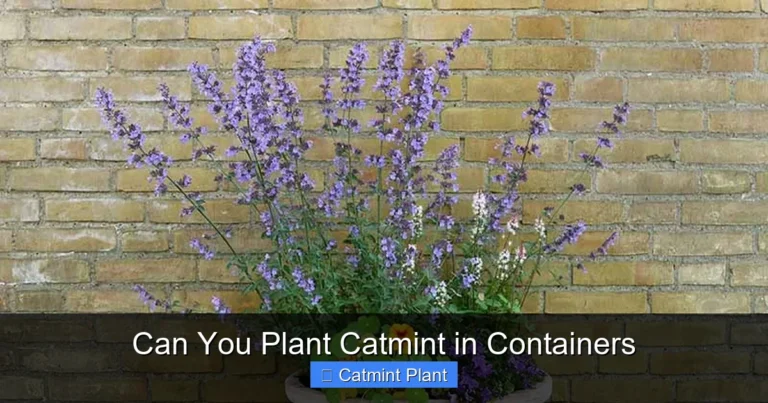
Before we explore alternatives, let’s appreciate what catmint brings to the garden. Catmint belongs to the genus Nepeta, part of the mint family Lamiaceae. The most popular garden variety, Nepeta × faassenii (often sold as ‘Walker’s Low’ or ‘Six Hills Giant’), forms neat mounds 18-30 inches tall and wide. Its small, aromatic leaves release a minty, slightly citrusy scent when brushed. From late spring through summer, it produces spikes of tiny tubular flowers in shades of lavender-blue.
Key Catmint Characteristics to Match
When searching for plants similar to catmint, we’re looking for several specific traits. First, aromatic foliage that deters pests. Second, long bloom periods with small, tubular flowers that attract pollinators. Third, drought tolerance once established. Fourth, deer and rabbit resistance. Fifth, low maintenance requirements. And sixth, a generally mound-forming or upright habit that works well in borders, rock gardens, and cottage-style plantings.
Catmint’s Growing Requirements
Catmint thrives in full sun (at least 6 hours daily) and well-drained soil. It tolerates poor, rocky, or sandy soils beautifully. It dislikes wet feet, especially in winter. Most varieties are hardy in USDA zones 3-8. Understanding these needs helps us identify plants with similar cultural requirements — or alternatives for different conditions like shade or heavier soil.
Lavender: The Classic Mediterranean Alternative
If catmint had a sophisticated European cousin, it would be lavender. Both share silvery-gray foliage, purple flower spikes, incredible fragrance, and a love for hot, dry, sunny spots. But lavender brings a more intense perfume, culinary versatility, and a slightly more formal, structured presence in the garden.

Visual guide about Plant Similar to Catmint
Image source: southernliving.com
English Lavender (Lavandula angustifolia)
English lavender is the hardiest and most catmint-like of the lavenders. Varieties like ‘Hidcote’ and ‘Munstead’ form compact mounds 12-18 inches tall and wide — very similar to catmint’s habit. Their flower spikes rise above the foliage in early to midsummer, displaying deep purple-blue blooms that hold their color well when dried. The fragrance is famously sweet and floral, far stronger than catmint’s subtle minty scent.
English lavender thrives in the same conditions as catmint: full sun, excellent drainage, and lean soil. It’s hardy in zones 5-8, slightly less cold-tolerant than catmint but more heat-tolerant. Like catmint, it deters deer and rabbits with its essential oils. But lavender offers something catmint doesn’t: edible flowers and leaves used in teas, baked goods, sachets, and essential oil production.
French and Spanish Lavender Options
French lavender (Lavandula dentata) and Spanish lavender (Lavandula stoechas) offer showier “rabbit ear” bracts atop their flower spikes, creating a more ornamental display. However, they’re less cold-hardy (zones 7-9) and somewhat less drought-tolerant than English lavender or catmint. They work beautifully in containers or warmer climates where catmint might struggle with summer heat.
Growing Lavender Successfully
The key to lavender success — and the main difference from catmint — is drainage. Lavender absolutely cannot tolerate wet soil, especially in winter. Plant it in raised beds, on slopes, or amend heavy clay soil heavily with grit, sand, or perlite. Avoid mulching right up to the crown; use gravel instead to reflect heat and prevent moisture buildup. Prune lightly after flowering and again in early spring to maintain shape and prevent woody centers.
Russian Sage: The Airy, Architectural Choice
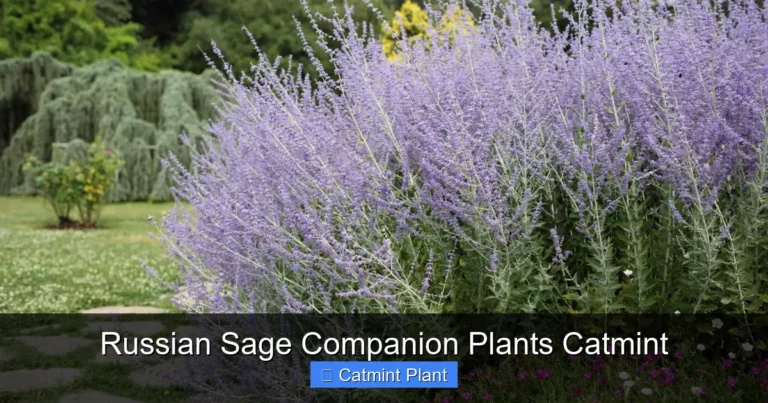
Russian sage (Perovskia atriplicifolia, now reclassified as Salvia yangii) takes catmint’s soft, hazy effect and scales it up dramatically. Where catmint forms a neat mound, Russian sage creates a towering cloud of silvery stems and lavender-blue flowers that can reach 3-5 feet tall and wide. It’s the plant you choose when you want catmint’s color palette but need height, movement, and dramatic presence.
Why Russian Sage Shines
Russian sage blooms later than catmint, typically from midsummer through fall, extending the blue-purple color show in your garden. Its finely cut, aromatic foliage releases a sage-like scent when touched. The flowers are tiny but profuse, creating a soft purple haze that catches light beautifully. It’s incredibly drought-tolerant, thriving in the hottest, driest spots where other plants fail.
Best Varieties for Home Gardens
‘Blue Spire’ is the classic variety, reaching 4 feet with sturdy stems that rarely flop. ‘Little Spire’ stays more compact at 2 feet — closer to catmint’s size. ‘Denim ‘n Lace’ offers a tidy 2.5-foot habit with denser flowering. ‘CrazyBlue’ is a newer compact variety (18 inches) with particularly intense blue flowers. All share the same silvery stems and aromatic foliage.
Designing with Russian Sage
Use Russian sage where you’d plant catmint but need vertical impact. It’s stunning behind shorter perennials, alongside ornamental grasses, or massed on a sunny slope. Its airy texture contrasts beautifully with bold-leaved plants like coneflowers, black-eyed Susans, or sedum. Because it emerges late in spring, pair it with early bulbs or spring-blooming perennials that fill the gap.
Salvia: The Longest-Blooming Alternative
If your main complaint about catmint is that it slows down after its initial flush, salvia is your answer. The genus Salvia (also in the mint family) includes hundreds of species, many of which bloom from late spring until frost with minimal deadheading. They share catmint’s aromatic foliage, pollinator appeal, and deer resistance, but offer a wider color range and longer season.
Perennial Salvia (Salvia nemorosa and hybrids)
Woodland sage and its hybrids are the most catmint-like salvias. Varieties like ‘May Night,’ ‘Caradonna,’ and ‘East Friesland’ form tidy clumps 18-24 inches tall with dense spikes of deep violet-blue flowers. They start blooming in late spring, weeks before catmint hits its stride, and continue sporadically through summer with a strong fall rebloom if cut back after the first flush.
‘May Night’ is particularly noteworthy — it was the 1997 Perennial Plant of the Year for good reason. Its dark stems contrast beautifully with intense violet-blue flowers. ‘Caradonna’ offers even darker, almost black stems. ‘Blue Marvel’ and ‘Rose Marvel’ are newer introductions with larger flowers and excellent rebloom.
Salvia for Different Conditions
While most perennial salvias want full sun and drainage like catmint, some species tolerate more shade. Salvia koyamae (yellow sage) blooms in partial shade with pale yellow flowers. Salvia glabrescens ‘Momobana’ offers pink flowers in light shade. These are rare shade-tolerant options in the salvia world.
Annual and Tender Salvias Worth Considering
For containers or annual beds, Salvia farinacea (mealycup sage) varieties like ‘Victoria Blue’ or ‘Evolution’ bloom nonstop from planting until frost. Salvia guaranitica ‘Black and Blue’ (anise-scented sage) produces stunning cobalt-blue flowers with black calyces on 3-4 foot plants — a hummingbird magnet. These aren’t hardy in cold climates but provide catmint-like performance for a single spectacular season.
Agastache: The Pollinator Powerhouse
Agastache, commonly called anise hyssop or hummingbird mint, might be the single best plant for pollinators on this list. While catmint attracts bees and butterflies, agastache draws them in droves — plus hummingbirds. Its tubular flowers are perfectly shaped for hummingbird beaks, and the nectar flow is prolific.
Anise Hyssop (Agastache foeniculum)
This North American native perennial grows 3-4 feet tall with upright spikes of lavender-blue flowers from midsummer to fall. Its foliage smells distinctly of licorice or anise when crushed — a delightful bonus. It self-sows moderately, creating naturalistic drifts over time. Hardy in zones 4-9, it handles heat and humidity better than many catmint alternatives.
Hybrid Agastache for Color Variety
Modern breeding has produced stunning agastache hybrids in colors catmint never achieves: ‘Apricot Sunrise’ (soft orange), ‘Coral Reef’ (coral-pink), ‘Blue Fortune’ (lavender-blue, sterile so it doesn’t self-sow), ‘Rosie Posie’ (hot pink), and ‘Peachie Keen’ (peachy-orange). The ‘Kudos’ series offers compact plants (16-18 inches) in gold, coral, mandarin, and silver-blue — closer to catmint’s scale.
Growing Agastache Successfully
Agastache demands excellent drainage — even more so than catmint or lavender. Wet winter soil is its enemy. Plant in full sun, lean soil, and avoid heavy mulch. It’s tap-rooted, making it very drought-tolerant but difficult to divide or transplant once established. Cut back in early spring, not fall, as the hollow stems can collect water and rot the crown.
Calamint: The Shade-Tolerant Surprise
Here’s a secret: if you love catmint but have more shade than sun, calamint (Calamintha nepeta) is your plant. This lesser-known mint family member thrives in partial shade (4-6 hours sun) while delivering similar aromatic foliage and a cloud of tiny white to pale pink flowers from early summer to frost. It’s the closest catmint relative that handles lower light.
Why Calamint Deserves Attention
Calamint forms low, spreading mounds 12-18 inches tall — very catmint-like in habit. Its leaves are smaller and more rounded than catmint’s, with a pleasant minty-oregano fragrance. The flowers are smaller too, but produced in such profusion that the plant becomes a soft white haze. It blooms earlier than catmint and continues longer, often until hard frost.
Best Varieties and Uses
Calamintha nepeta subsp. nepeta is the straight species, reliable and floriferous. ‘White Cloud’ is a selected form with particularly abundant white flowers. ‘Montrose White’ is another excellent cultivar. Use calamint at the edge of woodland gardens, under deciduous trees, or in east-facing beds that get morning sun but afternoon shade. It pairs beautifully with hostas, ferns, and shade-tolerant grasses.
Calamint vs. Catmint: Key Differences
Calamint spreads more aggressively by rhizomes than catmint, so give it room or contain it. It’s less drought-tolerant, preferring consistent moisture. It’s hardy in zones 4-7, slightly less cold-hardy than catmint. But for shady spots where catmint gets leggy and sparse, calamint is a revelation.
Other Excellent Catmint Alternatives
Catnip (Nepeta cataria) — The Wild Cousin
True catnip is catmint’s wilder, taller, more aggressive sibling. It grows 3-4 feet tall with gray-green, heavily textured leaves and white flowers spotted with purple. Cats go absolutely crazy for it — far more than for ornamental catmint. It self-sows prolifically and can become weedy. Grow it in a dedicated herb garden or container, not a refined border.
Hyssop (Hyssopus officinalis) — The Herb Garden Classic
Hyssop forms a semi-woody sub-shrub 18-24 inches tall with narrow, dark green leaves and dense spikes of blue, pink, or white flowers in midsummer. It’s been cultivated since ancient times for medicinal and culinary use. Its flavor is minty with hints of sage and citrus. It attracts bees magnificently and makes a beautiful low hedge in herb gardens.
Bee Balm (Monarda) — The Bold and Showy Option
Bee balm offers larger, showier flowers than catmint in brilliant reds, pinks, purples, and whites. It grows taller (2-4 feet) and spreads by rhizomes. Its foliage has a complex bergamot-orange-mint fragrance. It needs more moisture than catmint and can develop powdery mildew in humid climates, but mildew-resistant varieties like ‘Jacob Cline,’ ‘Raspberry Wine,’ and the ‘Balmy’ series perform well.
Oregano and Marjoram (Origanum) — Edible Groundcovers
Ornamental oregano varieties like ‘Kent Beauty,’ ‘Hopley’s Purple,’ and ‘Rosenkuppel’ form low, spreading mounds with hop-like bracts in pink, purple, or green. They’re fully edible, extremely drought-tolerant, and bloom for months. ‘Kent Beauty’ is especially lovely with its cascading habit — perfect for walls and containers.
Thyme (Thymus) — The Ultimate Low Grower
Creeping thymes (Thymus serpyllum, Thymus praecox) form flat mats 2-4 inches tall that tolerate foot traffic. Woolly thyme has fuzzy gray leaves. ‘Elfin’ thyme is minuscule. All produce tiny pink or purple flowers beloved by bees. Use them between pavers, in rock gardens, or as living mulch around taller catmint alternatives.
Designing Gardens with Catmint Alternatives
Creating Succession of Bloom
One of the smartest ways to use these plants is to stagger their bloom times for continuous color. Start with salvia ‘May Night’ in late spring. Follow with catmint or calamint in early summer. Transition to lavender and agastache in midsummer. Finish with Russian sage and second-flush salvia in fall. This relay ensures your garden never lacks for purple-blue blooms or pollinator food.
Color Echoes and Contrasts
All these plants share a blue-purple-pink color family, making them easy to combine. Create a monochromatic “cool garden” using only lavender, blue, and white varieties. Or add contrast with orange butterfly weed (Asclepias tuberosa), yellow coreopsis, or red bee balm. The silvery foliage of lavender, Russian sage, and some salvias ties everything together beautifully.
Texture Play
Catmint alternatives offer wonderful textural variety. Lavender’s needle-like leaves. Russian sage’s lacy, dissected foliage. Salvia’s wrinkled, textured leaves. Agastache’s toothed, heart-shaped leaves. Calamint’s small, rounded leaves. Combine fine textures (Russian sage, lavender) with bold textures (coneflower, sedum, hosta) for dynamic plantings.
Container Combinations
Many catmint alternatives thrive in containers. Lavender, compact salvias, dwarf agastache, and ornamental oregano all perform beautifully in pots. Use a gritty, well-draining mix (cactus mix with added perlite). Ensure pots have excellent drainage holes. Water sparingly once established. Overwinter containers in a protected spot or sink them in the ground for zone-hardy varieties.
Growing Tips for Success with Catmint-Like Plants
Soil Preparation Is Everything
The single biggest mistake gardeners make with these Mediterranean and prairie natives is planting in unamended clay soil. All the plants discussed here — lavender, Russian sage, salvia, agastache, calamint, hyssop, oregano, thyme — demand sharp drainage. If you have heavy soil, create raised beds 12-18 inches high filled with a mix of native soil, coarse sand, and compost. Or plant on berms and slopes where water runs away.
Watering Wisdom
These plants need regular water their first season to establish deep roots. After that, they prefer neglect. Water deeply but infrequently — once every 2-3 weeks in summer if no rain. Never water daily. Avoid overhead irrigation which promotes fungal diseases. Drip irrigation or soaker hoses are ideal. In humid climates, space plants for good air circulation.
Pruning and Maintenance
Most benefit from a hard cutback in early spring (late February to March) to 6-12 inches. This prevents woody centers and encourages fresh, floriferous growth. Deadhead spent flowers to promote rebloom, especially on salvia and agastache. Don’t cut back in fall — the stems protect crowns over winter. Divide clumps every 3-4 years in spring if they become woody or decline.
Fertilizing: Less Is More
These plants evolved in lean soils. Rich soil or heavy fertilization produces lush, floppy growth with fewer flowers and weaker essential oils (meaning less pest resistance). A light application of compost in spring is plenty. Avoid high-nitrogen fertilizers. If your soil is extremely poor, a single application of slow-release organic fertilizer at half rate is acceptable.
Choosing the Right Alternative for Your Garden
Match the Plant to Your Conditions
Full sun, dry soil, zones 5-8: Lavender, Russian sage, salvia, agastache, oregano, thyme. Full sun, average soil, zones 4-9: Salvia, agastache, bee balm, hyssop. Partial shade, average moisture, zones 4-7: Calamint, some salvias. Hot, humid climates: Agastache, salvia, bee balm (mildew-resistant varieties). Cold climates (zones 3-4): Catmint, salvia ‘May Night,’ hyssop, thyme.
Match the Plant to Your Goals
Longest bloom: Salvia, agastache. Most fragrance: Lavender, hyssop. Best for pollinators: Agastache, bee balm, salvia. Best for cooking: Lavender, oregano, thyme, hyssop. Most dramatic height: Russian sage. Best groundcover: Thyme, oregano. Best for shade: Calamint. Most catmint-like: Lavender, calamint.
Consider Maintenance Level
Lowest maintenance: Catmint, Russian sage, thyme, oregano. Moderate: Salvia, agastache, lavender (needs pruning). Higher: Bee balm (may need division, mildew monitoring), calamint (can spread aggressively). Choose based on how much time you want to spend.
Common Problems and Solutions
Floppy, Leggy Growth
Usually caused by too much shade, too rich soil, or too much water. Solution: Move to full sun, stop fertilizing, reduce watering. Cut back hard in spring. For Russian sage, choose compact varieties like ‘Little Spire’ or ‘Denim ‘n Lace.’
Poor Flowering
Insufficient sun (need 6+ hours), too much nitrogen, or plant is too old and woody. Solution: Ensure full sun. Avoid fertilizer. Divide or replace old plants. Deadhead religiously to encourage rebloom.
Root Rot and Winter Death
Almost always caused by wet soil, especially in winter. Solution: Improve drainage before planting. Use gravel mulch, not organic mulch near crowns. Plant on slopes or raised beds. Don’t cut back in fall — stems protect crowns.
Powdery Mildew
Most common on bee balm, occasionally on salvia and agastache in humid climates. Solution: Choose resistant varieties. Space for air circulation. Water at soil level, not overhead. Apply preventive neem oil or potassium bicarbonate spray.
Where to Buy Quality Plants
Local independent nurseries often carry the best selection of regionally appropriate varieties. Their staff knows what performs well in your area. Specialty mail-order nurseries like High Country Gardens, Bluestone Perennials, White Flower Farm, and Prairie Nursery offer wider selections, including newer introductions. Order early spring for best availability.
When buying, look for plants with healthy white roots (not circling the pot), no signs of disease on foliage, and good branching. Avoid plants already in full bloom — they’ll transplant better if not flowering. Quart or gallon pots establish faster than smaller plugs but cost more.
Conclusion
Catmint earns its popularity honestly. It’s beautiful, tough, and endlessly useful. But the world of aromatic, pollinator-friendly, drought-tolerant perennials is rich with alternatives that expand your garden’s palette, extend its bloom season, and solve specific challenges like shade, humidity, or the need for height.
Lavender brings unmatched fragrance and culinary value. Russian sage adds architectural drama and late-season color. Salvia delivers the longest, most reliable bloom. Agastache turns your garden into a hummingbird haven. Calamint solves the shade problem. And herbs like hyssop, oregano, and thyme blend beauty with utility.
You don’t have to choose just one. The most exciting gardens combine several of these plants, creating a tapestry of texture, color, and fragrance that supports wildlife from spring through fall. Start with one alternative that addresses your biggest garden need. Plant it alongside your catmint. Watch how it performs. Then add another next season.
Before long, you’ll have a garden that captures everything you love about catmint — and so much more. The bees, butterflies, and hummingbirds will thank you. And you’ll wonder how you ever gardened with just one perfect plant.
Frequently Asked Questions
What is the difference between catmint and catnip?
Catmint (Nepeta × faassenii) is an ornamental perennial with lavender-blue flowers and a tidy mound habit. Catnip (Nepeta cataria) is a taller, weedy-looking plant with white flowers that drives cats into a frenzy. Catmint is for gardens; catnip is for cats.
Can I plant lavender and catmint together?
Absolutely. They share identical growing requirements — full sun, well-drained soil, low water needs — and their similar silvery foliage and purple blooms create a beautiful harmonious planting. Space them 18-24 inches apart for good air circulation.
Why is my Russian sage flopping over?
Russian sage flops from too much shade, rich soil, excessive water, or lack of spring pruning. Plant in full sun, lean soil, and cut back hard to 6-12 inches in early spring. Choose compact varieties like ‘Little Spire’ for sturdier stems.
Do I need to deadhead salvia to keep it blooming?
Deadheading spent flower spikes on perennial salvia encourages a strong rebloom in fall. Cut stems back to the basal foliage after the first flush fades. Without deadheading, flowering slows significantly after early summer.
Is agastache hardy in cold climates?
Most agastache varieties are hardy in zones 5-9, with some like ‘Blue Fortune’ and Agastache foeniculum surviving zone 4 with good drainage. The key to winter survival is sharp drainage — wet winter soil kills them more than cold.
Can calamint become invasive?
Calamint spreads by rhizomes and can self-sow moderately. In ideal conditions (partial shade, moist soil), it may spread more aggressively than desired. Plant it where it has room to roam, use root barriers, or deadhead to prevent seeding.