Can You Plant Catmint in Containers
Yes, you can plant catmint in containers successfully. This hardy perennial thrives in pots with proper drainage, full sun, and well-draining soil. Container growing lets you control spread, move plants for optimal light, and enjoy aromatic blooms on patios or balconies.
Key Takeaways
- Catmint grows well in containers: This adaptable perennial thrives in pots with proper care and conditions.
- Choose the right pot size: Select containers at least 12-18 inches wide and deep for healthy root development.
- Drainage is critical: Ensure pots have drainage holes and use well-draining potting mix to prevent root rot.
- Full sun produces best blooms: Place containers where they receive 6-8 hours of direct sunlight daily.
- Water wisely: Allow soil to dry between waterings; catmint prefers slightly dry conditions over wet feet.
- Winter protection needed in cold zones: Move pots to sheltered locations or insulate them during harsh winters.
- Regular pruning encourages reblooming: Trim spent flowers and shape plants to maintain compact growth and extended flowering.
Quick Answers to Common Questions
Can you plant catmint in containers during summer heat?
Yes, but provide afternoon shade for the first two weeks and water daily until established. Spring or fall planting is less stressful.
What size pot does catmint need?
Minimum 12 inches wide and deep. 16-18 inches is better for mature plants and less frequent watering.
Does catmint come back every year in pots?
Yes, with winter protection. In zones 5-7, move to an unheated garage. In zones 6+, insulate in place or sink the pot in ground.
Why is my potted catmint flopping open?
Usually too little sun, too much fertilizer, or the plant needs shearing after its first bloom flush.
Can catmint and lavender share a container?
Yes! Both love full sun, lean soil, and excellent drainage. Choose a large pot (20+ inches) for both to thrive long-term.
📑 Table of Contents
- Can You Plant Catmint in Containers? Absolutely!
- Why Grow Catmint in Pots?
- Choosing the Right Container
- The Perfect Potting Mix
- Planting Your Container Catmint
- Sun, Water, and Daily Care
- Choosing the Best Varieties for Containers
- Winter Care for Potted Catmint
- Common Problems and Solutions
- Design Ideas: Catmint in Container Gardens
- Repotting and Long-Term Care
- Catmint vs. Catnip: Container Considerations
- Troubleshooting FAQ: Quick Fixes
- Conclusion: Your Container Catmint Journey Starts Now
Can You Plant Catmint in Containers? Absolutely!
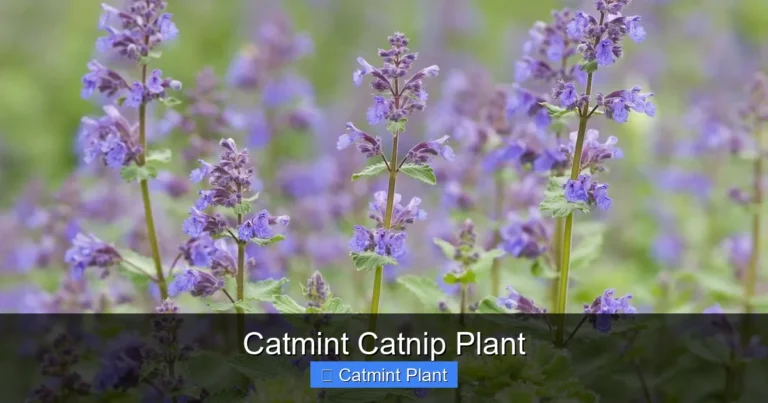
If you have ever brushed past a catmint plant and caught that sweet, minty aroma drifting on the breeze, you know why gardeners love this perennial. The soft gray-green foliage. The clouds of lavender-blue flowers that bloom for months. The bees and butterflies that flock to it like tiny VIP guests. But maybe you are short on garden space. Or you rent your home. Or your soil is heavy clay that stays soggy all spring. You might be wondering, can you plant catmint in containers and still get that same glorious show? The short answer is yes. The longer answer is yes, and it might even be easier than growing it in the ground.
Catmint, known botanically as Nepeta, is one of those plants that seems made for container life. It has a naturally mounding habit. It tolerates drought once established. It does not demand rich soil. In fact, it prefers lean conditions. And when you grow it in a pot, you gain something priceless: control. You control the soil. You control the drainage. You control the spread. Because let us be honest, catmint in the ground can get a little enthusiastic. It spreads by underground runners. In a container, it stays exactly where you put it. That alone makes potted catmint a smart choice for many gardeners.
Why Grow Catmint in Pots?
Perfect for Small Spaces
Not everyone has a sprawling backyard. Maybe you have a balcony. A rooftop deck. A sunny front stoop. A narrow side yard. Container gardening turns any scrap of sun into a growing space. Catmint adapts beautifully to this. A single 14-inch pot can hold a mature plant that blooms from late spring through fall. You get months of color and fragrance from a footprint barely larger than a dinner plate.
Control the Spread
Catmint belongs to the mint family, Lamiaceae. Like its cousins, it can run. In garden beds, it sends out rhizomes that pop up several feet from the original plant. Some gardeners love this. It makes a great ground cover. But if you want a tidy clump, containers are the answer. The pot acts as a barrier. The roots hit the wall and circle back. You get a dense, floriferous mound without the wanderlust.
Move It for Maximum Sun
Sun patterns shift through the seasons. That perfect full-sun spot in April might be shaded by a leafed-out tree in July. With containers, you can chase the light. Roll a large pot on a plant caddy. Lift a smaller one to a sunnier corner. Catmint needs at least six hours of direct sun to bloom heavily. Eight is even better. Mobility lets you deliver that no matter what your yard throws at you.
Overcome Poor Soil
Heavy clay. Sandy grit. Compacted construction fill. Urban contamination. In-ground gardens often come with soil baggage. Containers let you start fresh. You choose the mix. You ensure perfect drainage. Catmint hates wet feet. In a pot, you guarantee the roots never sit in soggy soil. That alone can mean the difference between a struggling plant and a thriving one.
Choosing the Right Container
Size Matters
Catmint develops a substantial root system. A mature plant can spread 18 to 24 inches wide above ground. Below ground, the roots need room to match. Can you plant catmint in containers that are small? You can, but the plant will stay smaller, dry out faster, and need more frequent watering and feeding. For a happy, low-maintenance plant, choose a pot at least 12 inches in diameter and 12 inches deep. Better yet, go for 16 to 18 inches wide and deep. This gives roots room to roam and soil volume to buffer moisture and temperature swings.
Material Options
You have choices. Each has pros and cons.
- Terracotta: Classic look. Porous walls allow air exchange and moisture evaporation. This prevents overwatering but means you water more often. Heavy. Can crack in freeze-thaw cycles.
- Glazed ceramic: Beautiful colors. Non-porous so soil stays moist longer. Heavy. Expensive. Also vulnerable to cracking in winter.
- Plastic or resin: Lightweight. Inexpensive. Retains moisture well. Modern versions look surprisingly like stone or terra cotta. Best for large pots you might need to move.
- Fabric grow bags: Excellent drainage. Air prunes roots for healthier structure. Very lightweight. Can dry out fast in hot weather. Less stable in wind.
- Wood: Natural look. Good insulation for roots. Rot-resistant cedar or redwood lasts years. Heavy when filled. Ensure it has drainage holes.
Drainage Is Non-Negotiable
Whatever pot you choose, it must have drainage holes. Multiple holes. At least one per 6 inches of pot diameter. If your decorative pot lacks holes, drill them. Or use it as a cachepot. Place a plain nursery pot with holes inside the pretty one. Empty the cachepot after watering. Never let catmint sit in standing water. Root rot is the number one killer of container catmint.
The Perfect Potting Mix
Skip Garden Soil
Never use garden soil in containers. It compacts. It drains poorly. It brings weed seeds, pests, and diseases. Use a high-quality potting mix designed for containers. Look for blends labeled for perennials, herbs, or Mediterranean plants. These typically contain peat moss or coconut coir, perlite or vermiculite, and composted bark. They drain well but hold enough moisture for roots to access.
DIY Mix Recipe
Want to mix your own? Catmint prefers lean, gritty soil. Try this recipe:
- 2 parts quality potting soil
- 1 part coarse perlite or pumice
- 1 part coarse sand or fine gravel
- 1/2 part compost (optional, go light)
This mimics the well-drained, not-too-rich conditions catmint loves in its native habitats. The perlite and sand create air pockets. Roots need oxygen as much as water. The light hand with compost prevents lush, floppy growth at the expense of flowers.
Add Slow-Release Fertilizer
Mix in a balanced slow-release fertilizer at planting time. Something like a 10-10-10 or 14-14-14 formulated for containers. Follow package rates. This feeds the plant steadily for 3-4 months. Catmint is not a heavy feeder. Too much nitrogen gives you leaves but fewer flowers. The slow-release approach avoids the feast-or-famine cycle of liquid feeding.
Planting Your Container Catmint
Timing
Spring is ideal. Plant after your last frost date when soil has warmed. Early summer works too. Fall planting is possible in zones 6 and warmer, giving roots time to establish before winter. In colder zones, spring planting gives the longest establishment period.
Step-by-Step Planting
- Cover drainage holes with a piece of landscape fabric, coffee filter, or a few flat stones. This keeps mix from washing out while letting water through.
- Fill the pot about one-third full with moistened potting mix. Press lightly to settle.
- Remove the catmint from its nursery pot. Gently loosen circling roots. If severely rootbound, make four vertical cuts 1/2 inch deep around the root ball.
- Place the plant in the center. The top of the root ball should sit 1-2 inches below the pot rim. This leaves room for watering.
- Fill around the roots with more mix. Firm gently with your fingers. No air pockets.
- Water thoroughly until water runs freely from the bottom holes. This settles the soil and eliminates gaps.
- Add a thin layer of mulch. Gravel, crushed stone, or bark chips. This conserves moisture and looks tidy.
Spacing Multiple Plants
One catmint per 14-18 inch pot is standard. For a fuller look faster, you can plant two in an 18-24 inch container. Space them 8-10 inches apart. They will knit together into a single mound. Just remember: more plants mean faster drying and more competition for nutrients. You will water and feed more often.
Sun, Water, and Daily Care
Sun Requirements
Catmint wants full sun. That means 6-8 hours of direct, unfiltered sunlight. Morning sun is essential. Afternoon sun is a bonus. In the hottest climates (zones 8-9), a little afternoon shade prevents scorching and extends bloom. But in most regions, more sun equals more flowers, stronger stems, and better fragrance. Can you plant catmint in containers in shade? You can, but it will get leggy, flop open, and bloom sparsely. Not worth it.
Watering Wisdom
This is where many gardeners go wrong. Catmint is drought-tolerant once established. In pots, “established” takes about 4-6 weeks. During that time, water when the top inch of soil feels dry. After establishment, let the top 2 inches dry before watering. Then water deeply until it runs out the bottom. This encourages deep roots.
How often? Depends on everything. Pot size. Material. Weather. Wind. Sun exposure. Plant size. In a heat wave, a terracotta pot might need daily water. A large resin pot in mild weather might go a week. Check the soil, not the calendar. Stick your finger in. Use a moisture meter. Lift the pot to gauge weight. Learn your plant’s rhythm.
Signs of overwatering: yellowing lower leaves, mushy stems, fungus gnats, algae on soil surface. Signs of underwatering: wilting that does not recover by morning, crispy leaf edges, stalled growth. Catmint recovers from dry better than wet. When in doubt, wait a day.
Feeding Through the Season
That slow-release fertilizer you mixed in at planting? It runs out mid-summer. Supplement with a light hand. Options:
- Liquid fertilizer at half strength, once a month.
- Top-dress with a tablespoon of slow-release granules scratched into the surface in midsummer.
- Compost tea or fish emulsion every 3-4 weeks for organic gardeners.
Stop fertilizing by late August. You want the plant to harden off for winter, not push tender new growth that frost will kill.
Deadheading and Pruning
This is the secret to months of bloom. Catmint has a big flush in late spring to early summer. Then it slows down. If you shear it back by half after that first flush, it rebounds with a second heavy bloom in late summer to fall. Use hedge shears or scissors. Cut the whole mound into a tidy dome. It looks drastic. In two weeks, you will see fresh green growth. In four, flowers.
Throughout the season, snip off individual spent flower spikes if you are a neatnik. But the big shear is what matters. Do it once, maybe twice a season. Also trim any stems that flop over the pot edge or grow awkwardly. Catmint is forgiving. It bounces back fast.
Choosing the Best Varieties for Containers
Compact Stars
Some catmints are naturally smaller and better behaved in pots.
- ‘Cat’s Pajamas’: 12-14 inches tall and wide. Indigo-blue flowers. Blooms early and reblooms without shearing. Proven Winners variety.
- ‘Cat’s Meow’: 17-20 inches. Sky-blue flowers. Dense, upright habit. Does not flop.
- ‘Junior Walker’: 15-18 inches. Lavender-blue. Sterile, so no self-seeding. Long bloom season.
- ‘Purrsian Blue’: 14-18 inches. Periwinkle blue. Very compact, tidy mound.
- ‘Little Trudy’: 10-12 inches. Silvery foliage, lavender-pink flowers. Tiny but mighty.
Classic Larger Types (Still Work in Big Pots)
- ‘Walker’s Low’: 24-30 inches. The classic. Perennial Plant of the Year 2007. Needs a 18-24 inch pot. Shear hard after first bloom.
- ‘Six Hills Giant’: 30-36 inches. Tall, arching. Masses of lavender-blue. Needs large pot and maybe staking.
- ‘Blue Wonder’: 18-24 inches. Deep blue flowers. Compact for a taller type.
Species Catmints
- Nepeta faassenii: The classic garden catmint. Sterile hybrid. 18-24 inches. Many named cultivars.
- Nepeta racemosa: Shorter, 12-18 inches. Earlier bloom. ‘Walker’s Low’ is a selection.
- Nepeta subsessilis: Japanese catmint. Larger leaves, later bloom, tolerates more moisture. 24-30 inches.
- Nepeta sibirica: Siberian catmint. 24-36 inches. Large flowers. Can spread aggressively in ground. Contained in a pot, it is stunning.
Winter Care for Potted Catmint
The Container Challenge
Here is the hard truth. Can you plant catmint in containers year-round in cold climates? Yes, but the roots are exposed. In the ground, soil insulates roots. In a pot, the root ball freezes solid. The temperature swings are extreme. This can kill plants rated hardy to your zone. The general rule: a plant in a container loses one to two hardiness zones. A zone 5 plant acts like a zone 6 or 7 plant in a pot.
Overwintering Strategies
Option 1: Move to Shelter (Zones 5-7)
After the first hard frost cuts back top growth, move pots to an unheated garage, shed, or cold frame. The plant goes dormant. Water once a month, just enough to keep roots from desiccating. No light needed. Move back out in early spring when nights are consistently above freezing.
Option 2: Insulate in Place (Zones 6-8)
Group pots together against a protected wall. Surround with straw bales, bags of leaves, or bubble wrap. Mulch heavily over the soil surface. Wrap the pot sides with burlap or frost cloth. This buffers temperature swings.
Option 3: Sink the Pot (Zones 4-6)
Bury the container in the ground up to its rim. Mulch heavily. The earth insulates the roots just like in-ground plants. Dig it up in spring. Works well for large, heavy pots you cannot move.
Option 4: Treat as Annual (Zones 3-4 or Any Zone)
Some gardeners simply replace catmint each spring. A 4-inch starter plant costs little. By July, it looks mature. This avoids winter worry entirely. Also lets you try new varieties each year.
Spring Wake-Up
When new growth appears at the base in spring, cut back all dead stems to 2-3 inches. Resume watering. Apply fresh slow-release fertilizer. Top-dress with an inch of compost. Your catmint will take off like it never left.
Common Problems and Solutions
Floppy, Leggy Growth
Cause: Too little sun, too much fertilizer, or overcrowding. Fix: Move to more sun. Stop fertilizing. Shear back hard. Thin stems if crowded.
Yellow Leaves
Cause: Usually overwatering or poor drainage. Could be nutrient deficiency if soil is very old. Fix: Check drainage holes. Repot in fresh mix if soil is soggy. Let dry more between waterings. If chronically wet, the mix may have broken down. Repot.
Powdery Mildew
Cause: High humidity, poor air circulation, wet foliage. Fix: Space pots for airflow. Water at soil level, not overhead. Morning sun dries leaves fast. Remove affected leaves. Spray with neem oil or potassium bicarbonate if severe.
Spider Mites
Cause: Hot, dry, dusty conditions. Fix: Blast with water weekly. Increase humidity. Insecticidal soap or neem oil for infestations. Predatory mites for biological control.
Root Rot
Cause: Soggy soil, no drainage, pot too large. Fix: Prevention is everything. If caught early, repot in fresh, dry mix. Trim black, mushy roots. Dust with cinnamon (natural fungicide). Water sparingly during recovery.
Cats Loving It Too Much
Cause: Nepetalactone, the compound that attracts cats. Fix: Chicken wire cage over the pot. Citrus peels on soil surface (cats dislike scent). Plant catnip (Nepeta cataria) elsewhere as a decoy. Accept some damage. The plant recovers.
Design Ideas: Catmint in Container Gardens
Solo Specimen
One beautiful pot. One perfect mound of ‘Cat’s Meow’ or ‘Walker’s Low’. Place on a pedestal. Flank a doorway. Anchor a patio corner. Let the plant be the star. The soft texture and long bloom carry the show alone.
Thriller-Filler-Spiller Combos
Catmint makes a fantastic filler. Its mounding habit bridges tall thrillers and trailing spillers.
- Thriller: Purple fountain grass, salvia ‘Black and Blue’, canna lily, ornamental millet.
- Filler: Catmint (blue), white euphorbia ‘Diamond Frost’, pink gaura, yellow coreopsis.
- Spiller: Sweet potato vine, creeping jenny, bacopa, calibrachoa, trailing verbena.
Herb Garden Companions
Catmint fits right in with Mediterranean herbs. Same needs. Same vibe.
- Rosemary (upright or trailing)
- Thyme (creeping or upright)
- Sage (purple, tricolor, golden)
- Lavender (compact varieties like ‘Hidcote’ or ‘Munstead’)
- Oregano (Greek or golden)
Plant each in its own pot, grouped together. Or combine in a large trough. Harvest herbs. Enjoy catmint flowers. Win-win.
Pollinator Buffet
Build a container grouping for bees, butterflies, and hummingbirds.
- Catmint (nectar for bees, butterflies)
- Salvia ‘Hot Lips’ or ‘Amistad’ (hummingbirds)
- Agastache ‘Blue Fortune’ (bees, butterflies)
- Echinacea ‘PowWow Wild Berry’ (butterflies, seed for birds)
- Asclepias tuberosa (monarch host plant)
Group 3-5 pots. Vary heights. Bloom succession from June to October. Your patio becomes a wildlife corridor.
Moon Garden Element
Silver foliage glows at dusk. Catmint’s gray-green leaves catch the last light. Pair with:
- White flowering tobacco (Nicotiana alata)
- White petunias or calibrachoa
- Dusty miller
- Lamb’s ears
- White cosmos
Sit nearby on summer evenings. The fragrance intensifies as temperatures drop. Pure magic.
Repotting and Long-Term Care
When to Repot
Every 2-3 years. Signs it is time:
- Roots circling the surface or exiting drainage holes
- Water runs straight through without absorbing
- Plant dries out daily despite cool weather
- Growth slows despite feeding
- Soil level has dropped significantly
How to Repot
- Do it in early spring before active growth.
- Choose a pot 2-4 inches larger in diameter.
- Use fresh potting mix.
- Loosen roots. Trim any that are circling badly.
- Plant at same depth.
- Water well. Shade for a few days.
Division During Repotting
Mature catmint often has multiple crowns. You can divide it. Saw or cut the root ball into sections, each with roots and shoots. Pot each division separately. Instant new plants. Share with friends. Or expand your own collection.
Catmint vs. Catnip: Container Considerations
People confuse these. Both are Nepeta. But they are different species with different vibes.
- Catmint (Nepeta x faassenii, N. racemosa, etc.): Ornamental. Showy flowers. Sterile hybrids (mostly). Cats may roll on it but do not destroy it. Grown for beauty.
- Catnip (Nepeta cataria): The true cat drug. White flowers, not showy. Reseeds aggressively. Cats will eat it to the ground. Grown for cats.
Can you plant catmint in containers if you have cats? Yes. They might nibble or roll. But ornamental catmint is tough. It bounces back. Catnip in a pot is a cat toy that needs constant replacement. If you want catnip, grow it in a hanging basket out of reach. Or a dedicated cat garden bed. Keep your ornamental catmint for the view.
Troubleshooting FAQ: Quick Fixes
My catmint stopped blooming in July. Help!
Shear it back by half. Water well. Apply liquid fertilizer at half strength. You will see new buds in 10-14 days. Flowers in 3-4 weeks. This is normal. The big spring flush exhausts the plant. The shear triggers rebloom.
The center of my plant is woody and bare.
Older catmint gets woody centers. In spring, dig up the plant. Divide it. Replant the vigorous outer sections. Discard the woody center. Or shear hard in early spring to 3 inches. This forces fresh growth from the base.
Can I grow catmint indoors?
Not recommended long-term. It needs full sun, air movement, and seasonal dormancy. A sunny south window might keep it alive through winter, but it will be leggy and sparse. Better to overwinter dormant in a cold garage.
My catmint has yellow leaves with green veins.
Iron chlorosis. Usually from high pH (alkaline soil) or overwatering damaging roots. Use acidic fertilizer (for azaleas/rhododendrons) at half strength. Ensure drainage. Repot in fresh mix if persistent.
Can I start catmint from seed in containers?
Yes. Sow indoors 6-8 weeks before last frost. Barely cover seeds. They need light to germinate. 65-70°F. 10-20 days to germinate. Transplant to individual pots. Harden off. Plant out after frost. Named varieties do not come true from seed. Buy plants for specific cultivars.
Conclusion: Your Container Catmint Journey Starts Now
So, can you plant catmint in containers? Absolutely. And you should. Whether you have a sprawing deck or a modest fire escape, this plant delivers. Months of blooms. Fragrant foliage. Pollinator traffic. Low maintenance. High reward. The keys are simple: decent pot, gritty mix, full sun, smart watering, annual shear. That is it. No fancy tricks. No constant fussing.
Start with one pot. ‘Cat’s Pajamas’ if you want compact. ‘Walker’s Low’ if you have room for drama. Watch it grow. Snip a stem for a vase. Crush a leaf and smell your fingers. Notice the bumblebees doing their happy dance on the flowers. That is the catmint experience. And it fits in a pot.
Next season, maybe you add a second container. A different variety. A companion plant. Before you know it, you have a collection. A patio ecosystem. All anchored by a plant that asks so little and gives so much. That is the beauty of container gardening. That is the beauty of catmint. Your pot is waiting. Go plant something wonderful.
Frequently Asked Questions
Can you plant catmint in containers with other herbs?
Yes, catmint pairs beautifully with Mediterranean herbs like rosemary, thyme, sage, and lavender. They share the same cultural needs: full sun, lean soil, and excellent drainage. Plant each in its own pot grouped together, or combine in a large trough with at least 18 inches of soil depth.
How often should I water catmint in pots?
Water deeply when the top 2 inches of soil feel dry. This might be daily in summer heat, weekly in cool weather. Always check soil moisture rather than watering on a schedule. Catmint prefers slightly dry conditions over constantly moist soil.
Does catmint in containers attract bees and butterflies?
Absolutely. Catmint is a pollinator magnet. Bees, butterflies, and hoverflies flock to the nectar-rich flowers from late spring through fall. Container-grown catmint on a patio or balcony provides valuable forage for urban pollinators.
When should I cut back catmint in containers?
Shear the plant back by half after the first major bloom flush ends (usually early summer). This triggers a second heavy bloom period. In early spring, cut all dead stems to 2-3 inches above soil level before new growth emerges.
What is the best fertilizer for potted catmint?
Use a balanced slow-release fertilizer (10-10-10 or 14-14-14) mixed into the potting soil at planting. Supplement monthly with liquid fertilizer at half strength, or top-dress with more slow-release granules in midsummer. Stop fertilizing by late August.
Can catmint survive winter in a container in zone 5?
It can with protection. Move pots to an unheated garage or shed after dormancy. Water monthly. Or sink the pot in the ground and mulch heavily. The roots are more exposed in containers than in ground, so they need extra insulation in cold zones.