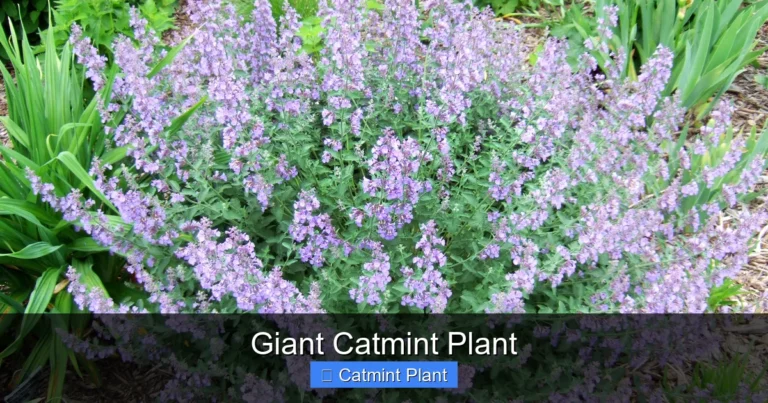
Plant Nurseries That Carry Catmint Near 20902
Looking for catmint in Silver Spring? This guide covers the top plant nurseries that carry catmint near 20902, including Meadows Farms, Homestead Gardens, and local independent centers. Learn which Nepeta varieties thrive in Maryland’s climate and get expert planting tips for success.
If you live in Silver Spring, Maryland, and have been searching for plant nurseries that carry catmint near 20902, you have come to the right place. Catmint, also known by its botanical name Nepeta, has become one of the most beloved perennials for mid-Atlantic gardens. Its aromatic gray-green foliage, long bloom season, and incredible toughness make it a staple in both novice and expert gardens alike.
Finding quality plants locally can sometimes feel overwhelming. Big box stores carry limited selections. Independent nurseries offer better variety but may have unpredictable hours. This comprehensive guide walks you through every reliable source for catmint in the 20902 area, tells you exactly which varieties to look for, and shares insider tips for getting the healthiest plants possible.
Key Takeaways
- Multiple local options: Silver Spring has several nurseries carrying catmint including big-box retailers and independent garden centers
- Best planting time: Spring and early fall are ideal for establishing catmint in the 20902 area
- Popular varieties: Walker’s Low, Cat’s Meow, and Junior Walker perform exceptionally well in Maryland gardens
- Call ahead: Inventory changes weekly during peak season so verify availability before visiting
- Deer resistant: Catmint is one of the best perennial choices for Silver Spring gardens with deer pressure
- Pollinator magnet: These plants attract bees, butterflies, and hummingbirds throughout the growing season
- Low maintenance: Once established, catmint requires minimal watering and care in the mid-Atlantic climate
Quick Answers to Common Questions
What is the best time to plant catmint in Silver Spring?
Mid-April through early June for spring planting, or late September through October for fall planting. Both windows work well in zone 7a.
Which catmint variety is most deer resistant?
All catmint varieties contain nepetalactone which repels deer. ‘Walker’s Low’ and ‘Six Hills Giant’ have the strongest aroma and best deer resistance track record.
Do I need to deadhead catmint?
Shearing plants back by half after the first bloom flush in late June encourages a second heavy bloom. Individual deadheading isn’t necessary.
Can catmint grow in part shade in 20902?
Catmint needs at least six hours of direct sun. It tolerates light afternoon shade but flowers significantly less. Full sun produces the best results.
How often should I divide catmint?
Divide every three to four years in early spring when centers become woody. Discard the old center and replant vigorous outer sections.
📑 Table of Contents
- Why Catmint Thrives in Silver Spring Gardens
- Top Plant Nurseries That Carry Catmint Near 20902
- Best Catmint Varieties for the 20902 Area
- When to Buy and Plant Catmint in Silver Spring
- How to Select Healthy Catmint at the Nursery
- Planting and Care Guide for Silver Spring Gardens
- Designing With Catmint in Your Silver Spring Garden
- Common Problems and Solutions
- Where to Find Rare and Specialty Catmint Varieties
- Budget-Friendly Catmint Shopping Tips
- Conclusion
Why Catmint Thrives in Silver Spring Gardens
Perfect Climate Match for Nepeta
Silver Spring sits in USDA Hardiness Zone 7a. This zone offers the perfect balance for catmint. Winters get cold enough to satisfy the plant’s dormancy requirements. Summers provide plenty of heat and sun for abundant flowering. The transitional seasons give roots time to establish before extreme temperatures arrive.
Catmint evolved in similar climates across Europe and Asia. It handles Maryland’s humidity better than many Mediterranean herbs. The clay-heavy soils common throughout Montgomery County actually benefit catmint when properly amended. These soils hold nutrients well. They just need improved drainage to prevent root rot.
Deer Resistance That Actually Works
Ask any Silver Spring gardener about their biggest challenge. Deer will top the list. The 20902 area has significant deer pressure. Catmint contains nepetalactone, the same compound that drives cats wild. Deer find this compound repulsive. They rarely browse established catmint plantings.
This makes catmint invaluable for border plantings. It creates a living fence that protects more vulnerable plants behind it. Many local gardeners plant catmint as a first line of defense along property lines. The strategy works remarkably well.
Pollinator Powerhouse
From May through September, catmint flowers buzz with activity. Native bees, honeybees, butterflies, and hummingbirds all visit regularly. The tubular flowers perfectly suit long-tongued pollinators. Planting catmint supports local ecosystem health. It provides nectar during summer dearth periods when few other plants bloom.
Top Plant Nurseries That Carry Catmint Near 20902
Meadows Farms Nurseries – Multiple Locations
Meadows Farms operates several locations convenient to Silver Spring. Their Burtonsville location on Route 198 sits just ten minutes from 20902. The Olney location on Georgia Avenue offers another close option. Both carry extensive perennial selections including multiple catmint varieties.
Staff at Meadows Farms receive seasonal training on perennial care. They can recommend the best variety for your specific garden conditions. Spring inventory typically arrives in March. The best selection appears by mid-April. Fall brings a second wave of fresh stock in September.
Pro tip: Visit on weekday mornings. Weekend afternoons get crowded. Staff have more time to answer questions when lines are shorter. Ask for the perennial department lead. They often know which varieties performed best in local trial gardens.
Homestead Gardens – Davidsonville Location
Homestead Gardens in Davidsonville requires a twenty-five minute drive from Silver Spring. Many 20902 gardeners consider it worth the trip. This family-owned operation spans acres of greenhouses and outdoor display gardens. Their perennial selection rivals any in the mid-Atlantic region.
Homestead grows many of their own perennials on-site. This means plants arrive acclimated to local conditions. They carry unusual catmint cultivars rarely found at chain stores. Look for ‘Blue Prelude’, ‘Felix’, and ‘Neptune’ among their specialty offerings.
Their website updates inventory weekly during peak season. Check online before driving. Call the perennial department directly for specific variety availability. They hold plants for twenty-four hours with a phone reservation.
American Plant – Bethesda and Rockville
American Plant operates two locations accessible from 20902. The Bethesda store on River Road sits fifteen minutes away. The Rockville location on Rockville Pike takes twenty minutes. Both function as full-service garden centers with strong perennial programs.
American Plant emphasizes native and adapted plants. Their buyers select varieties proven in Maryland gardens. They typically stock four to six catmint cultivars each spring. Staff include certified horticulturists available for consultation.
Their loyalty program offers meaningful discounts on perennials. Sign up before your first visit. Members receive early access to new shipments. This matters for popular varieties that sell out quickly.
Behnke Nurseries – Beltsville
Behnke Nurseries in Beltsville has served the area since 1930. This third-generation family business sits just fifteen minutes from downtown Silver Spring. Their perennial house showcases hundreds of varieties in peak season.
Behnke’s grows approximately sixty percent of their perennials on-site. The rest come from trusted regional growers. Their catmint selection includes both classic and new introductions. Staff possess deep institutional knowledge about what performs locally.
They offer a one-year guarantee on hardy perennials. Keep your receipt and plant tag. This policy reflects confidence in their plant quality. Few box stores match this guarantee.
Lowe’s and Home Depot – Local Big Box Options
The Lowe’s on Tech Road and Home Depot on Cherry Hill Road both carry catmint seasonally. These stores receive shipments from large wholesale growers. Selection typically includes ‘Walker’s Low’ and ‘Cat’s Meow’. Prices run lower than independent nurseries.
Quality varies significantly between shipments. Inspect plants carefully before purchasing. Look for white, healthy roots visible at drainage holes. Avoid plants with yellowing lower leaves or signs of powdery mildew. Shop early in the week after fresh deliveries arrive.
Big box stores offer generous return policies. Most accept plant returns within one year with receipt. This reduces risk when trying new varieties. However, staff expertise varies widely. Do your research before visiting.
Local Farmers Markets and Plant Sales
The Silver Spring Farmers Market at Veterans Plaza occasionally features perennial vendors. Spring plant sales at Brookside Gardens and the University of Maryland Extension offer unique finds. These events happen annually. Mark your calendar for April and May.
Master Gardener plant sales provide exceptional value. Plants come from local gardens. They’re proven performers in the exact same conditions you’ll provide. Volunteers offer free planting advice tailored to your neighborhood.
Best Catmint Varieties for the 20902 Area
Walker’s Low – The Reliable Standard
‘Walker’s Low’ earned the Perennial Plant Association’s Plant of the Year award in 2007. Despite the name, this cultivar reaches twenty-four to thirty inches tall. It spreads thirty-six inches wide. Lavender-blue flowers appear in May and continue sporadically through frost.
This variety handles Maryland clay better than most. Its vigorous root system penetrates heavy soils. Shear plants back by half after the first flush fades. You’ll get a second heavy bloom in late summer. ‘Walker’s Low’ rarely self-seeds aggressively.
Cat’s Meow – Compact and Floriferous
‘Cat’s Meow’ forms a neat mound eighteen to twenty inches tall and wide. Sky-blue flowers cover the plant from early summer through fall. The compact habit suits smaller gardens and container plantings. This variety shows exceptional heat tolerance.
Developed by Walters Gardens, ‘Cat’s Meow’ underwent extensive trialing in Michigan and Illinois. Its performance translates well to Silver Spring conditions. The dense habit suppresses weeds effectively. Minimal deadheading required.
Junior Walker – Dwarf Version of a Classic
‘Junior Walker’ offers all the charm of ‘Walker’s Low’ in a fifteen to eighteen inch package. Perfect for front-of-border positions. The shorter stature prevents flopping after heavy rains. Flower color matches the deeper lavender of its parent.
This cultivar works beautifully in rock gardens and hellstrip plantings. It tolerates reflected heat from pavement. Silver Spring gardeners with limited space appreciate the reduced footprint. Pollinators find it equally attractive.
Six Hills Giant – For Dramatic Impact
‘Six Hills Giant’ lives up to its name. Plants reach thirty-six inches tall and wide. Massive flower spikes create a lavender cloud in June. This older cultivar remains popular for good reason. Few perennials deliver such presence with so little care.
Give this variety room. It overwhelms delicate neighbors. Use it as a specimen plant or mass three to five for a stunning drift. Stake early if your soil is rich. The weight of flower spikes can bow stems after storms.
Little Titch – Tiny but Mighty
‘Little Titch’ forms a tight mound just eight to ten inches tall. Perfect for fairy gardens, trough plantings, and border edges. Despite its size, it flowers prolifically. The foliage stays neat all season without shearing.
This variety excels in containers. Pair it with trailing annuals for season-long interest. It overwinters in pots better than larger cultivars. Protect containerized plants in an unheated garage during harsh winters.
When to Buy and Plant Catmint in Silver Spring
Spring Planting Window
The ideal spring planting window for 20902 runs from mid-April through early June. Soil temperatures reach fifty degrees consistently by mid-April. Roots establish quickly in warming soil. Spring rains reduce watering duties.
Nurseries receive their best perennial shipments in early April. Shop the first two weeks for maximum variety. Plants have been hardened off properly. They transition to your garden with minimal shock.
Avoid planting during heat waves. If temperatures exceed eighty-five degrees, wait for a cooler spell. New plantings stress easily in sudden heat. Cloudy days or evenings provide the best planting conditions.
Fall Planting Advantages
Fall planting offers distinct benefits in Silver Spring. The window runs from late September through October. Soil retains summer warmth. Roots grow actively while top growth slows. Plants enter winter with established root systems.
Fall-planted catmint often outperforms spring plantings the following year. Nurseries discount perennials in fall. You save money while gaining a head start. Water regularly until the ground freezes. Mulch heavily after hard frost.
Summer Planting With Extra Care
Summer planting works but demands attention. July and August heat stresses new transplants. Plant only on cool, overcast days. Water deeply every two days for the first three weeks. Provide temporary shade during peak afternoon sun.
Choose smaller containers. They establish faster than large specimens. Remove any flowers at planting time. Direct energy to root development. Summer plantings often catch up by fall with proper care.
How to Select Healthy Catmint at the Nursery
Root System Inspection
Gently slide the plant from its pot. Healthy roots appear white or light tan. They should fill the container without circling excessively. A few roots emerging from drainage holes indicate good vigor. Avoid plants with dark, mushy, or foul-smelling roots.
Root-bound plants recover slowly. If roots form a solid mat, tease them apart before planting. Make four vertical cuts around the root ball. This encourages outward growth. Don’t worry about damaging a few roots. The plant benefits long-term.
Foliage Quality Assessment
Look for gray-green leaves with no yellowing. Lower leaves naturally age first. Some browning at the base is normal. Widespread yellowing indicates nutrient issues or overwatering. Check leaf undersides for aphids or spider mites.
Powdery mildew appears as white dust on leaves. Catmint resists this disease well. Its presence suggests poor air circulation at the nursery. Choose plants from the center of displays. Edge plants receive more stress.
Stem Structure and Crown Health
Stems should feel firm, not brittle. Multiple stems emerging from the crown indicate a well-branched plant. Single-stemmed plants may be younger or poorly grown. The crown sits at soil level. It should show no signs of rot or damage.
Avoid plants with flowering spikes already elongated and flopping. This indicates they’ve been in containers too long. Compact plants with tight flower buds transplant better. They redirect energy to roots after planting.
Pot Size Considerations
Quart containers offer the best value for catmint. Plants establish quickly. They reach mature size by mid-summer. Gallon pots provide instant impact but cost double. Four-inch pots require patience but save money.
Match pot size to your timeline. Need flowers for a June garden tour? Buy gallons. Planning a border for next year? Quarts or four-inch pots work perfectly. Catmint grows fast regardless of starting size.
Planting and Care Guide for Silver Spring Gardens
Site Selection and Preparation
Catmint demands full sun. Six hours minimum. Eight hours produces the best flowering. Afternoon shade in July reduces flower production. Choose the sunniest spot available. South-facing slopes work beautifully.
Drainage is non-negotiable. Test your site by digging a twelve-inch hole. Fill with water. It should drain within two hours. If water stands longer, amend heavily or choose a different location. Raised beds solve drainage issues elegantly.
Amend planting holes with compost. Mix one part compost to two parts native soil. Add coarse sand if your clay is particularly heavy. Avoid peat moss. It holds too much moisture around catmint roots.
Spacing Guidelines
Space plants according to mature width. ‘Walker’s Low’ needs thirty-six inches. ‘Cat’s Meow’ requires twenty-four inches. ‘Junior Walker’ fits in eighteen inches. ‘Six Hills Giant’ demands forty-eight inches. Proper spacing prevents disease and reduces maintenance.
Plant in odd-numbered groups for naturalistic drifts. Three, five, or seven plants create visual impact. Stagger rows rather than planting in straight lines. This mimics natural plant communities. Allow room for air circulation between groups.
Watering Regimen
Water deeply at planting. Soak the root zone completely. New plantings need water every two to three days for the first month. Check soil moisture two inches down. Water when dry at that depth.
Established catmint tolerates drought remarkably well. Water only during extended dry spells. Overwatering causes more problems than underwatering. Silver Spring summers often provide sufficient rainfall. Supplemental watering rarely needed after year one.
Fertilization Strategy
Catmint thrives in lean soil. Excess fertilizer produces floppy growth and fewer flowers. Apply one inch of compost around plants each spring. That’s it. No synthetic fertilizers needed. No monthly feeding required.
If growth appears weak, test your soil first. Montgomery County offers affordable soil testing through the University of Maryland Extension. Follow their recommendations precisely. Catmint rarely needs more than compost.
Pruning and Maintenance
Shear plants back by half after the first flush fades in late June. Use hedge shears for speed. This triggers fresh growth and a second heavy bloom. Remove spent flower spikes throughout summer to encourage rebloom.
Cut plants to the ground in late winter. February works well in 20902. New growth emerges from the base in March. Divide clumps every three to four years in early spring. Discard woody centers. Replant vigorous outer sections.
Designing With Catmint in Your Silver Spring Garden
Companion Plant Combinations
Catmint pairs beautifully with roses. The lavender-blue flowers complement pink, yellow, and white roses perfectly. Plant catmint at rose bases to hide bare canes. The aromatic foliage may deter rose pests.
Combine with salvias for a pollinator paradise. ‘May Night’ salvia blooms simultaneously. The deep purple spikes contrast beautifully with catmint’s soft lavender. Add coneflowers for summer-long color. Echinacea purpurea shares identical cultural requirements.
Ornamental grasses provide winter structure. ‘Karl Foerster’ feather reed grass stands tall behind catmint mounds. Little bluestem offers native appeal. Both grasses peak when catmint rests.
Border and Edge Plantings
Use catmint to soften hardscape edges. Plant along walkways and patios. The foliage releases fragrance when brushed. This creates a sensory experience for visitors. ‘Junior Walker’ and ‘Little Titch’ suit tight spaces best.
Create a catmint river through perennial borders. Repeat the same cultivar at intervals. This unifies the design visually. The eye follows the color thread through the garden. Professional designers use this technique extensively.
Container Gardening Success
Catmint thrives in containers with proper drainage. Use pots twelve inches or larger. Fill with quality potting mix amended with perlite. Water when the top inch feels dry. Fertilize monthly with half-strength balanced fertilizer.
Overwinter containers in an unheated garage. Water monthly to prevent desiccation. Move outside in March. Refresh potting mix every two years. Divide and repot as needed. Container catmint often outperforms in-ground plants.
Wildlife Garden Integration
Design a pollinator corridor using catmint as the backbone. Plant drifts connecting sunny areas. Include early bloomers like catmint for spring bees. Add summer bloomers for continuous nectar. Finish with fall asters and goldenrods.
Leave some stems standing through winter. Native bees overwinter in hollow stems. Cut back in March before new growth emerges. This simple practice supports hundreds of beneficial insects. Your garden becomes a true habitat.
Common Problems and Solutions
Flopping Stems
Rich soil causes excessive growth. Stems become weak and flop. Solution: shear plants back by one-third in May. This promotes bushier growth. Avoid fertilizing. Plant in leaner soil next time. ‘Cat’s Meow’ and ‘Junior Walker’ resist flopping naturally.
Center Die-Out
Older clumps develop woody, dead centers. This happens every three to four years. Solution: divide in early spring. Dig the entire clump. Discard the woody center. Replant vigorous outer sections. Water well until established.
Powdery Mildew
Rare on catmint but possible in humid, crowded conditions. Solution: improve air circulation. Thin surrounding plants. Water at soil level only. Remove affected foliage promptly. Serious cases respond to neem oil applications.
Root Rot
Caused by poor drainage or overwatering. Symptoms include wilting despite moist soil. Solution: improve drainage immediately. Dig plants and amend soil with coarse sand. Replant slightly higher than original grade. Reduce watering frequency drastically.
Where to Find Rare and Specialty Catmint Varieties
Online Mail-Order Sources
Several reputable online nurseries ship to 20902. Bluestone Perennials offers an extensive Nepeta selection. Their plants arrive as healthy plugs. Plant Delights Nursery specializes in rare and unusual cultivars. High Country Gardens focuses on drought-tolerant varieties.
Order early for spring shipping. Most nurseries ship based on your hardiness zone. Silver Spring receives shipments in April. Inspect plants immediately upon arrival. Contact the nursery within twenty-four hours if issues exist.
Plant Society Sales and Swaps
The Maryland Native Plant Society hosts annual sales. The Perennial Plant Association Mid-Atlantic chapter organizes plant swaps. These events offer varieties unavailable commercially. Members share divisions from their own gardens.
Join online gardening groups for the 20902 area. Facebook and Nextdoor host active communities. Members frequently trade divisions in spring. This builds community while expanding your collection. Always inspect traded plants for pests.
Botanical Garden Plant Sales
The U.S. National Arboretum holds spring plant sales. Brookside Gardens in Wheaton offers member-only pre-sales. These events feature curated selections. Plants come with detailed cultural information. Staff horticulturists answer questions on-site.
Budget-Friendly Catmint Shopping Tips
Timing Your Purchases
Shop end-of-season sales in July. Nurseries clear spring inventory. Perennials marked down fifty percent or more. Plants may look tired but recover quickly. Plant immediately and water consistently. You’ll save substantially.
Fall clearance sales offer even deeper discounts. October brings seventy-five percent off at some locations. Plants establish roots before winter. They explode with growth next spring. This strategy requires patience but maximizes value.
Buying Small and Growing On
Four-inch pots cost a fraction of gallon containers. Catmint grows fast. A four-inch plant reaches gallon size in six weeks during peak season. Buy three four-inch pots instead of one gallon. You get more coverage for less money.
Start seeds indoors in February. Catmint germinates easily. Transplant seedlings to four-inch pots in March. Harden off in April. Plant outside in May. A packet of seeds yields dozens of plants for pennies each.
Dividing and Sharing
Established catmint clumps divide easily. One mature plant yields four to six divisions. Trade divisions with gardening friends. Host a plant swap in your neighborhood. This builds community and diversifies everyone’s gardens for free.
Conclusion
Finding plant nurseries that carry catmint near 20902 opens up a world of gardening possibilities. From the reliable selections at Meadows Farms to the specialty treasures at Homestead Gardens, Silver Spring gardeners enjoy exceptional access to quality Nepeta varieties. The key lies in knowing what to look for, when to shop, and how to care for these remarkable perennials once they’re home.
Remember that catmint offers more than just pretty flowers. It solves real garden problems. Deer resistance. Drought tolerance. Pollinator support. Low maintenance beauty. Few perennials deliver so much value with so little demand. Whether you choose the classic ‘Walker’s Low’, the compact ‘Cat’s Meow’, or venture into specialty cultivars, you’re investing in years of garden satisfaction.
Start your search this spring. Visit multiple nurseries. Compare plant quality. Talk to staff. Build relationships with local experts. Your perfect catmint awaits at a nursery near 20902. Happy planting!
Frequently Asked Questions
Which nursery near 20902 has the largest catmint selection?
Homestead Gardens in Davidsonville typically carries the widest variety of catmint cultivars, including rare and new introductions. Meadows Farms locations also offer good selections with multiple varieties each spring.
Is catmint invasive in Maryland gardens?
Catmint spreads slowly by underground stems but is not considered invasive in Maryland. It stays in clumps and doesn’t seed aggressively like some mint relatives. Division every few years keeps it contained.
When do Silver Spring nurseries get catmint in stock?
Most nurseries receive perennial shipments in early March, with the best catmint selection available by mid-April. Fall shipments arrive in September for autumn planting.
Can I grow catmint in containers on my Silver Spring balcony?
Yes, catmint grows well in containers. Use pots at least twelve inches wide with good drainage. ‘Junior Walker’ and ‘Little Titch’ are ideal for containers. Overwinter in an unheated garage.
What soil amendments does catmint need in Montgomery County clay?
Mix one part compost with two parts native soil. Add coarse sand or perlite for drainage. Avoid peat moss. Plant slightly high to prevent water pooling around the crown.
Why is my catmint flopping open in the middle?
Flopping usually indicates rich soil, too much water, or insufficient sun. Shear plants back by one-third in May to promote bushier growth. Avoid fertilizing. Ensure at least six hours of direct sun.