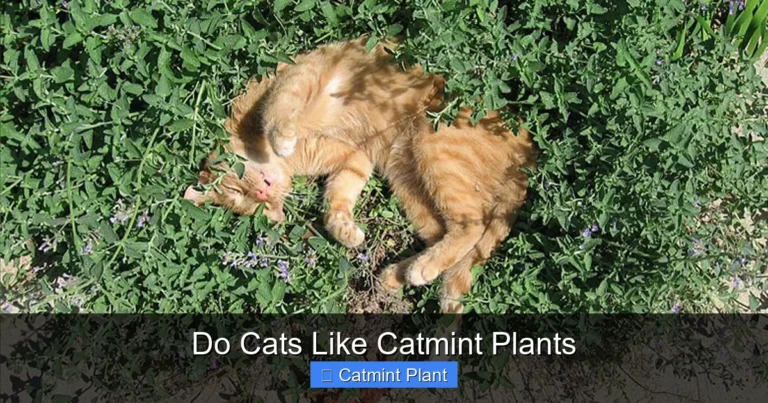
Catmint Plants to Buy
Catmint plants to buy offer fragrant foliage, long bloom periods, and low maintenance. This guide covers top varieties, where to shop, and simple care steps for success.
If you have ever walked past a garden buzzing with bees and butterflies, chances are catmint was part of the show. This hardy perennial brings a soft cloud of lavender‑blue flowers and a minty scent that cats adore. Whether you are a seasoned gardener or just starting out, knowing which catmint plants to buy can make the difference between a lackluster border and a vibrant, pollinator‑friendly oasis.
In this guide we walk through the most popular varieties, where to find healthy stock, how to pick the best specimens, and the simple care routine that keeps catmint blooming from early summer into fall. By the end you will feel confident selecting the perfect catmint for your space and keeping it thriving year after year.
Key Takeaways
- Variety matters: Choose from dwarf, mid‑size, or tall catmint to fit any garden space.
- Buy from reputable sources: Local nurseries, specialty online retailers, and plant swaps give the healthiest stock.
- Inspect before purchase: Look for firm stems, vibrant green leaves, and no signs of pests or disease.
- Plant in full sun: At least six hours of direct light ensures strong growth and abundant flowers.
- Water wisely: Established catmint is drought‑tolerant; water deeply but infrequently.
- Prune for rebloom: Cut back after the first flush to encourage a second wave of blooms.
- Watch for common issues: Powdery mildew and aphids are easy to manage with good airflow and organic sprays.
Quick Answers to Common Questions
What is the best catmint variety for a small garden?
‘Cat’s Meow’ and ‘Little Titch’ stay under 15 inches and fit tight spaces perfectly.
Can catmint grow in shade?
It tolerates light shade but blooms best with at least six hours of direct sun.
How often should I water established catmint?
Water deeply only during extended dry periods; otherwise it is drought‑tolerant.
When should I prune catmint for a second bloom?
Shear back by one‑third right after the first flush fades in midsummer.
Is catmint safe for pets?
Yes, catmint is non‑toxic to cats and dogs, though cats may become playful around it.
📑 Table of Contents
- Why Catmint Is a Garden Favorite
- Top Catmint Varieties to Consider
- Where to Find Quality Catmint Plants to Buy
- How to Choose Healthy Catmint at the Nursery
- Planting and Care Tips for Long‑Lasting Blooms
- Common Problems and Easy Fixes
- Design Ideas Using Catmint
- Final Thoughts on Selecting Catmint Plants to Buy
Why Catmint Is a Garden Favorite
Long Bloom Season
Catmint produces flowers from late spring until the first frost. The continuous display adds color when many other perennials have faded. This extended bloom period makes it a reliable backbone for mixed borders.
Low Maintenance
Once established, catmint needs little water, no fertilizer, and minimal pruning. It tolerates poor soil, heat, and even light foot traffic. For busy gardeners, that means more enjoyment and less work.
Pollinator Magnet
Bees, butterflies, and hummingbirds flock to the nectar‑rich spikes. Planting catmint supports local ecosystems and improves fruit set on nearby vegetables and fruit trees.
Deer and Rabbit Resistant
The strong aromatic oils deter browsing animals. If you struggle with wildlife damage, catmint is a safe bet for exposed beds.
Top Catmint Varieties to Consider
‘Walker’s Low’ – The Classic Choice
‘Walker’s Low’ grows 18‑24 inches tall and spreads 24‑30 inches wide. Its deep violet‑blue flowers sit above gray‑green foliage. It earned the Perennial Plant Association’s Plant of the Year award for its reliability and beauty.
‘Cat’s Meow’ – Compact and Prolific
This dwarf cultivar reaches only 12‑15 inches in height. It forms a tight mound, making it perfect for containers, rock gardens, or the front of a border. The flower spikes are dense and appear early.
‘Six Hills Giant’ – Tall Statement Plant
Reaching 30‑36 inches, ‘Six Hills Giant’ creates a dramatic vertical accent. The large, airy flower heads sway gracefully in the breeze. Use it at the back of a sunny bed for height and movement.
‘Blue Wonder’ – Intense Color
‘Blue Wonder’ offers a richer, almost indigo hue. It stays around 18 inches tall and spreads modestly. The color contrast works well alongside yellow coreopsis or orange daylilies.
‘Little Titch’ – Ultra‑Compact
At just 8‑10 inches, ‘Little Titch’ fits into tight spaces, edging, or fairy gardens. Despite its size, it blooms heavily and retains the same fragrant foliage as larger types.
Where to Find Quality Catmint Plants to Buy
Local Nurseries and Garden Centers
Visiting a nearby nursery lets you inspect plants in person. Staff can recommend varieties suited to your climate zone. Many nurseries grow their own stock, ensuring acclimated, disease‑free plants.
Specialty Online Retailers
Reputable online shops such as Bluestone Perennials, Plant Delights Nursery, and High Country Gardens ship healthy, well‑rooted catmint. Look for sellers that guarantee live arrival and offer a replacement policy.
Plant Swaps and Community Sales
Garden clubs, master gardener programs, and neighborhood plant swaps often have divisions of established catmint. These divisions are already adapted to local conditions and cost little or nothing.
Big‑Box Home Improvement Stores
Stores like Home Depot and Lowe’s carry a limited selection, usually ‘Walker’s Low’ or generic catmint. Quality can vary, so examine each pot carefully before buying.
Mail‑Order Catalogs
Traditional catalogs from companies like White Flower Farm provide detailed descriptions and hardiness information. Ordering early in the season secures the best selection.
How to Choose Healthy Catmint at the Nursery
Check the Root Ball
Gently slide the plant out of its pot. Healthy roots are white or light tan, firm, and fill the container without circling excessively. Avoid plants with black, mushy roots.
Inspect Foliage and Stems
Leaves should be bright green, free of yellowing, spots, or holes. Stems must be sturdy, not limp or broken. A few spent flower heads are normal, but the plant should still have fresh buds.
Look for Pests and Disease
Turn leaves over to spot aphids, spider mites, or whiteflies. Powdery mildew appears as a white dusting on leaves. Choose a plant with no visible signs.
Consider Plant Size Relative to Pot
A plant that looks too large for its pot may be root‑bound. A plant that looks tiny may be a recent division that needs more time to establish. Aim for a balanced proportion.
Ask About Hardiness Zone
Confirm the variety’s USDA zone rating matches your area. Most catmint thrives in zones 3‑8, but some cultivars prefer warmer or cooler extremes.
Planting and Care Tips for Long‑Lasting Blooms
Site Selection and Soil Preparation
Choose a spot with at least six hours of direct sun. Catmint tolerates partial shade but blooms less. Amend heavy clay with compost or coarse sand to improve drainage. A slightly alkaline to neutral pH (6.5‑7.5) is ideal.
Planting Depth and Spacing
Dig a hole twice as wide as the root ball and the same depth. Set the plant so the crown sits level with the soil surface. Space dwarf types 12‑15 inches apart; larger varieties need 24‑30 inches.
Watering Regimen
Water deeply after planting. For the first four weeks, keep the soil evenly moist but not soggy. Once established, water only during prolonged dry spells. Overwatering leads to root rot.
Mulching Benefits
Apply a 2‑inch layer of shredded bark or straw around the base. Mulch conserves moisture, suppresses weeds, and keeps roots cool in summer heat.
Fertilizing – Less Is More
Catmint thrives in lean soil. A single application of a balanced, slow‑release fertilizer in early spring is sufficient. Excess nitrogen produces lush foliage at the expense of flowers.
Pruning for Rebloom
After the first flush fades, shear the plant back by one‑third to one‑half. This encourages a fresh wave of blooms in late summer. In late fall, cut stems to the ground to tidy the garden and reduce overwintering pests.
Dividing Every Few Years
Every three to four years, lift the clump in early spring or fall. Separate into smaller sections with a sharp spade, replant, and water well. Division rejuvenates vigor and prevents center die‑out.
Common Problems and Easy Fixes
Powdery Mildew
Appears as a white, powdery coating on leaves during humid weather. Improve air circulation by spacing plants properly and avoid overhead watering. If needed, spray a homemade solution of 1 tablespoon baking soda per gallon of water with a few drops of horticultural oil.
Aphid Infestations
Small green or black insects cluster on new growth. Blast them off with a strong jet of water or apply insecticidal soap early in the morning. Lady beetles and lacewings are natural predators you can encourage.
Root Rot from Poor Drainage
Yellowing leaves and wilting despite moist soil signal rot. Ensure the planting site drains well. If caught early, dig up the plant, trim away blackened roots, and replant in amended soil.
Leggy Growth
Insufficient light causes stretched stems and fewer flowers. Relocate to a sunnier spot or prune surrounding vegetation to increase exposure.
Winter Damage in Cold Zones
In zones 3‑4, a thick mulch layer (4‑6 inches) after the ground freezes protects crowns. Remove excess mulch in early spring to prevent crown rot.
Design Ideas Using Catmint
Border Edging
Plant dwarf varieties like ‘Cat’s Meow’ along pathways. Their low habit creates a soft, fragrant edge that releases scent when brushed.
Cottage Garden Mix
Combine ‘Walker’s Low’ with roses, lavender, and salvia. The complementary colors and overlapping bloom times give a classic cottage feel.
Pollinator Patch
Dedicate a sunny corner to a mass planting of ‘Six Hills Giant’ and ‘Blue Wonder’. Add bee balm and coneflower for a season‑long nectar buffet.
Container Displays
Use ‘Little Titch’ in a 12‑inch pot with trailing thyme and ornamental grasses. The container can move to follow the sun on a patio.
Rock Garden Accent
Tuck ‘Cat’s Meow’ among stones and alpine sedums. Its drought tolerance matches the dry conditions of a rock garden.
Final Thoughts on Selecting Catmint Plants to Buy
Choosing the right catmint starts with knowing your garden’s light, space, and climate. Match those conditions to a variety that fits your design vision. Buy from a trusted source, inspect each plant carefully, and follow the simple planting and care steps outlined above. With minimal effort you will enjoy months of aromatic blooms, happy pollinators, and a garden that feels both wild and refined. Happy planting!
Frequently Asked Questions
What soil type does catmint prefer?
Catmint thrives in well‑drained, slightly alkaline to neutral soil. Heavy clay should be amended with compost or sand.
How far apart should I space catmint plants?
Space dwarf types 12‑15 inches apart; larger varieties need 24‑30 inches for good air flow.
Does catmint need fertilizer?
A single slow‑release balanced fertilizer in early spring is enough; too much nitrogen reduces flowering.
Can I grow catmint in containers?
Yes, choose compact cultivars like ‘Little Titch’ and use a well‑draining potting mix with a drainage hole.
How do I prevent powdery mildew on catmint?
Provide full sun, proper spacing, and avoid overhead watering; treat early with a baking‑soda spray if needed.
When is the best time to divide catmint?
Early spring or early fall are ideal; the plant recovers quickly before extreme temperatures.