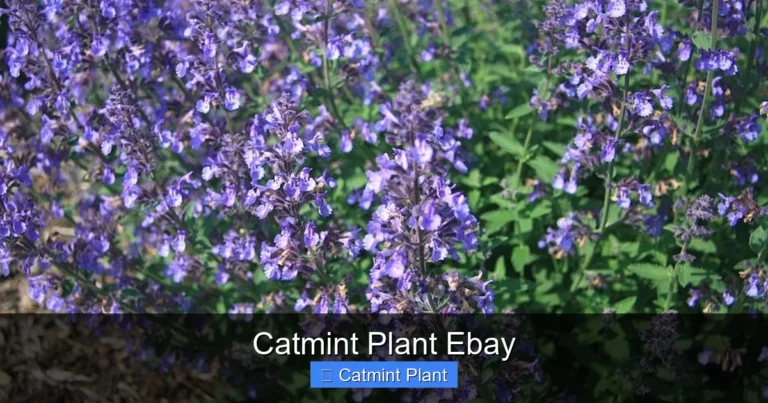
Catmint Plant Without Flowers
A catmint plant without flowers often signals light, soil, or pruning issues. Adjusting these factors quickly restores colorful blooms and healthy growth.
Key Takeaways
- Light matters: Catmint needs at least six hours of direct sun each day.
- Prune correctly: Cut back after the first flush to encourage a second bloom cycle.
- Soil balance: Use well‑draining soil with moderate fertility; avoid excess nitrogen.
- Water wisely: Keep soil evenly moist but not soggy; drought stress stops flowering.
- Pest watch: Aphids and spider mites can sap energy needed for blooms.
- Seasonal care: Follow a simple calendar for feeding, pruning, and protecting the plant year‑round.
- Quick fixes work: Small adjustments often bring a catmint plant without flowers back to full bloom within weeks.
Quick Answers to Common Questions
Why does my catmint plant without flowers have lots of leaves but no blooms?
Excess nitrogen or insufficient sunlight often causes leafy growth without flowers. Reduce high‑nitrogen fertilizer and move the plant to a sunnier spot.
When is the best time to prune a catmint plant without flowers?
Prune right after the first flush of blooms fades, usually early summer. This encourages a second bloom cycle.
Can a catmint plant without flowers recover if I only fix watering?
Consistent moisture helps, but you also need adequate light and proper pruning for full recovery.
What fertilizer ratio works best for a catmint plant without flowers?
A low‑nitrogen, high‑phosphorus formula such as 5‑10‑5 supports flower formation without excessive leaf growth.
How do I prevent pests on a catmint plant without flowers?
Inspect weekly, encourage beneficial insects, and apply neem oil or insecticidal soap at the first sign of aphids or mites.
📑 Table of Contents
Introduction
You walk into the garden and notice a catmint plant without flowers. The foliage looks green and healthy, yet no purple spikes appear. This can be frustrating. The good news is that most causes are easy to fix. In this guide we explore why a catmint plant without flowers happens and what you can do about it.
We will cover light needs, pruning timing, soil nutrition, watering habits, and pest control. Each section gives practical steps you can try today. By the end you will have a clear checklist to bring your catmint plant without flowers back to glorious bloom.
Understanding Catmint Plant Without Flowers
What Is Catmint?
Catmint, also known as Nepeta, is a hardy perennial herb. It belongs to the mint family. Gardeners love it for its aromatic leaves and long‑lasting purple flowers. A healthy catmint plant without flowers still offers lovely foliage. However the main show is the bloom. Knowing the plant’s basic needs helps you spot problems early.
Why It May Not Bloom
A catmint plant without flowers often means something in its environment is off. The plant may be getting too little sun. It may have been pruned at the wrong time. Soil could be too rich in nitrogen. Water could be irregular. Pests may be draining energy. Each factor can stop the flower buds from forming. Identifying the exact cause is the first step to a solution.
Common Causes of Non‑Flowering
Insufficient Sunlight
Catmint thrives in full sun. It needs at least six hours of direct light daily. If a catmint plant without flowers sits in shade, it will grow leaves but skip blooms. Move the plant to a sunnier spot or trim nearby branches. Even a few extra hours of sun can trigger flower buds.
Improper Pruning
Pruning at the wrong time removes developing buds. Cutting back in late spring removes the first flush. Cutting back in fall can remove next year’s buds. The best time to prune a catmint plant without flowers is right after the first bloom finishes. This encourages a second wave of flowers.
Soil Nutrient Imbalance
Too much nitrogen makes lush leaves but few flowers. A catmint plant without flowers in rich compost may need a balanced fertilizer. Use a low‑nitrogen, high‑phosphorus feed. Phosphorus supports bloom development. Test soil if you are unsure.
Watering Issues
Both drought and waterlogging stress the plant. A catmint plant without flowers that dries out completely will abort buds. Constantly wet roots cause rot and also stop flowering. Aim for evenly moist soil. Mulch helps retain moisture without soggy conditions.
Pest and Disease Pressure
Aphids, spider mites, and whiteflies suck sap from leaves. This reduces the energy a catmint plant without flowers can put into blooms. Check undersides of leaves regularly. Use insecticidal soap or neem oil for safe control. Fungal diseases like powdery mildew also weaken the plant.
How to Encourage Blooms
Optimize Light Exposure
Place your catmint plant without flowers where it receives morning sun and afternoon light. If the garden is shady, consider a container that can be moved. Reflective surfaces like light‑colored walls can boost light levels. Even a small increase often restarts flowering.
Prune at the Right Time
After the first bloom fades, cut stems back by one‑third. This stimulates new growth and a second flower set. Avoid heavy pruning in late summer. Light deadheading throughout the season also helps. A well‑timed trim turns a catmint plant without flowers into a repeat bloomer.
Feed with Balanced Fertilizer
Apply a slow‑release fertilizer with a 5‑10‑5 ratio in early spring. Repeat after the first bloom if growth looks slow. Avoid high‑nitrogen lawn feeds. A catmint plant without flowers responds quickly to phosphorus‑rich feeds. Water in the fertilizer to prevent root burn.
Water Consistently
Water deeply once a week during dry spells. Check soil two inches down; it should feel moist. Mulch with straw or shredded bark to keep moisture steady. Consistent watering prevents the stress that stops a catmint plant without flowers from setting buds.
Manage Pests Naturally
Introduce ladybugs or lacewings to eat aphids. Spray neem oil every two weeks as a preventive. Remove heavily infested leaves. Healthy plants resist pests better. A pest‑free catmint plant without flowers can focus energy on blooms.
Seasonal Care Calendar and Troubleshooting
Spring
Clean up dead foliage. Apply balanced fertilizer. Prune any winter damage. Ensure the catmint plant without flowers gets full sun as days lengthen. Watch for early aphid colonies.
Summer
Deadhead spent flowers weekly. Water deeply during heat waves. Mulch to keep roots cool. If a catmint plant without flowers shows yellow leaves, check nitrogen levels. Light feeding may help.
Fall
Stop fertilizing after September. Cut back stems to six inches after the last bloom. This prepares the plant for winter. Mulch heavily to protect crowns. A catmint plant without flowers in fall is normal; it is storing energy.
Winter
In cold zones, add a layer of straw over the crown. Avoid watering frozen soil. The plant rests. No action needed unless you see rot. A catmint plant without flowers in winter simply waits for spring.
Troubleshooting Checklist
- Check sun exposure – at least six hours direct light.
- Review pruning dates – prune after first bloom only.
- Test soil – aim for moderate nitrogen, higher phosphorus.
- Inspect watering – soil moist but not soggy.
- Scout for pests – treat early with soap or neem.
- Verify fertilizer – low nitrogen, slow release.
- Observe seasonal timing – follow calendar above.
Conclusion
A catmint plant without flowers is usually a sign that one basic need is not met. By giving the plant enough sun, pruning at the right moment, feeding with a bloom‑friendly fertilizer, watering evenly, and keeping pests away, you can restore a spectacular show of purple spikes. Use the checklist each season and you will enjoy a thriving, blooming catmint year after year.
Frequently Asked Questions
What causes a catmint plant without flowers to stop blooming mid‑season?
Mid‑season bloom loss is often due to heat stress, irregular watering, or a late pruning that removed developing buds.
Can I grow a catmint plant without flowers in a container?
Yes, containers work well if they provide full sun, well‑draining soil, and regular watering.
How long does it take for a catmint plant without flowers to bloom after corrective care?
Most plants show new buds within two to four weeks after light, pruning, and feeding adjustments.
Is catmint plant without flowers deer resistant?
Catmint is generally deer resistant because of its strong scent, but hungry deer may still nibble young shoots.
Should I divide a catmint plant without flowers to improve flowering?
Dividing every three to four years in early spring rejuvenates the clump and often boosts bloom production.
What companion plants help a catmint plant without flowers thrive?
Lavender, salvia, and ornamental grasses share similar sun and soil needs and attract pollinators that benefit catmint.