Catmint Planta
Catmint planta is a hardy perennial that thrives in full sun and well‑drained soil. It attracts bees and butterflies while repelling many garden pests. Low maintenance makes it perfect for beginners and busy gardeners.
Key Takeaways
- Easy care: Catmint planta needs little water once established.
- Sun lover: It grows best with at least six hours of direct light.
- Drought tolerant: Mature plants survive dry spells without extra irrigation.
- Pollinator magnet: Bees, butterflies, and hummingbirds visit the flowers.
- Pest repellent: The aromatic foliage deters aphids and squash bugs.
- Versatile uses: Use it in borders, containers, herb gardens, or as a cut flower.
Quick Answers to Common Questions
How much sun does catmint planta need?
Catmint planta thrives with six to eight hours of direct sunlight each day.
When should I prune catmint planta?
Prune after the first bloom in early summer and again in late fall to ground level.
Can catmint planta grow in containers?
Yes, catmint planta does well in pots with good drainage and regular watering.
Is catmint planta safe for pets?
Catmint planta is non‑toxic to cats and dogs, though cats may become playful around it.
What pests does catmint planta repel?
The aromatic foliage deters aphids, squash bugs, and many beetles.
📑 Table of Contents
Introduction
Catmint planta is a friendly herb for any garden. It grows fast and smells sweet. You will enjoy its soft gray leaves. It blooms with tiny purple flowers. This plant asks for very little work.
Many gardeners choose catmint planta for its beauty and utility. It fits in sunny beds and in pots on a patio. The scent repels unwanted insects. Pollinators love the nectar. You can cut stems for fresh bouquets.
In this guide you will learn how to plant catmint planta. You will see the best soil and water tips. You will discover pruning and feeding ideas. You will also find creative ways to use it. Let us start the journey together.
What Is Catmint Planta
Botanical background
Catmint planta belongs to the mint family. Its scientific name is Nepeta faassenii. It is a perennial herb. It returns each spring. The plant forms a low mound. The leaves are aromatic and soft.

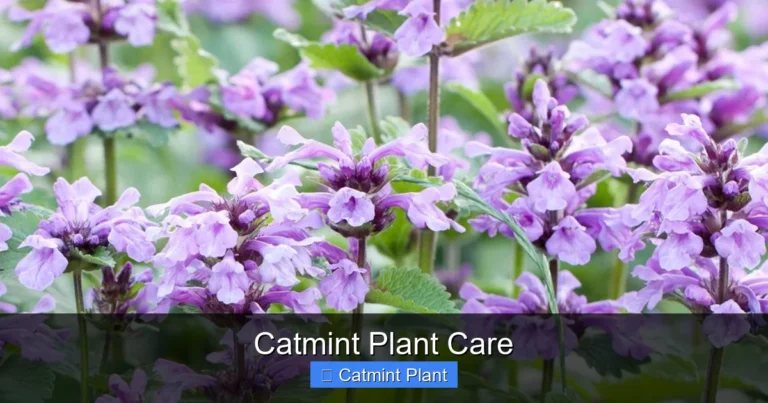
Visual guide about Catmint Planta
Image source: cdn.mos.cms.futurecdn.net
Catmint planta spreads by underground runners. It can fill a space quickly. The flowers appear in late spring. They last through summer. The color is usually lavender blue. Some varieties show pink or white blooms.
Common names
People call catmint planta by several names. Catnip is a close relative but not the same. Gardeners may say catmint or catmint herb. The name reflects its appeal to cats. Cats often roll in the foliage. The plant is safe for pets.
In nurseries you may see labels like “Walker’s Low” or “Six Hills Giant”. These are popular cultivars. Each has a slightly different height. All share the same easy nature. Choose the one that fits your space.
Growing Conditions
Sunlight needs
Catmint planta loves full sun. Six to eight hours of direct light is ideal. In hot climates a little afternoon shade helps. Too much shade makes the plant leggy. Flowers will be fewer in low light.
If you grow catmint planta in a container, place the pot where sun reaches it. Rotate the pot weekly for even growth. The plant will stay compact and bloom well. Sun also strengthens the essential oils.
Soil preferences
Well‑drained soil is a must for catmint planta. Sandy loam works best. Heavy clay holds water and causes root rot. Add compost to improve texture. A slightly alkaline pH around 7.0 is fine.
Before planting, loosen the soil to a depth of twelve inches. Mix in a handful of coarse sand if the soil is dense. This helps water move away from roots. Good drainage keeps catmint planta healthy.
Watering schedule
New catmint planta plants need regular water. Water deeply twice a week for the first month. After establishment, cut back to once every two weeks. The plant tolerates drought well.
Check the top inch of soil before watering. If it feels dry, give a thorough soak. Avoid overhead watering to keep foliage dry. Wet leaves can invite fungal spots. Mulch around the base to retain moisture.
Planting Steps
Choose a site
Pick a sunny spot with good air flow for catmint planta. Space plants eighteen inches apart. This allows room for the mound to expand. Avoid low spots where water collects.
Consider planting catmint planta near vegetables. It repels pests like aphids and beetles. It also attracts beneficial insects. A border of catmint planta protects tomatoes and peppers.
Prepare the soil
Dig a hole twice as wide as the root ball. Loosen the bottom of the hole. Mix in a handful of compost. This gives nutrients for a strong start. Do not add fertilizer at planting time.
Place the catmint planta in the hole. The crown should sit level with the soil surface. Backfill gently and firm the soil. Water thoroughly to settle the roots. Add a thin layer of mulch.
Plant the seedlings
If you start catmint planta from seed, sow indoors six weeks before the last frost. Use a light seed‑starting mix. Keep the soil moist but not soggy. Transplant seedlings after they have two true leaves.
Hardening off is important for a week before moving outdoors. Place seedlings in a sheltered spot for a few hours each day. Increase exposure daily. Then plant them in the prepared garden bed.
Care and Maintenance
Pruning tips
Trim catmint planta after the first flush of flowers. Cut back one third of the stems. This encourages a second bloom. Use clean scissors to avoid disease spread.
In late fall, cut the plant down to the ground. This tidies the garden and prevents winter rot. New growth will emerge in spring. Regular pruning keeps catmint planta compact.
Fertilizing
Catmint planta does not need heavy feeding. A light application of balanced fertilizer in early spring is enough. Use a 10‑10‑10 formula at half strength. Too much nitrogen reduces flowering.
Organic options like compost tea work well. Apply once a month during the growing season. Stop feeding in late summer. This helps the plant harden off for winter.
Pest control
The strong scent of catmint planta deters many pests. Aphids rarely settle on the leaves. Spider mites may appear in very dry weather. Spray with a strong jet of water to remove them.
If powdery mildew shows, improve air circulation. Space plants properly and avoid overhead watering. A homemade spray of baking soda and water can help. Healthy catmint planta resists most problems.
Uses in the Garden
Companion planting
Plant catmint planta near roses to reduce aphid attacks. It also pairs well with lavender and sage. The combined aromas confuse pests. This creates a natural pest barrier.
In a vegetable bed, place catmint planta at the edges. It draws pollinators to squash and cucumber flowers. The increased pollination boosts yields. Companion planting with catmint planta is a smart strategy.
Attracting pollinators
Bees love the tubular flowers of catmint planta. Butterflies sip nectar throughout the day. Hummingbirds may visit the taller cultivars. A patch of catmint planta becomes a pollinator hotspot.
To maximize visits, plant groups of three or more. This creates a visual target for insects. Avoid pesticide use near the planting. A healthy pollinator population benefits the whole garden.
Herbal uses
Harvest catmint planta leaves before flowering for the best flavor. Dry them in a shaded, airy spot. Store in an airtight jar. The dried herb makes a soothing tea.
Catmint planta tea can calm nerves and aid digestion. Use one teaspoon per cup of hot water. Steep for five minutes. The mild minty taste is pleasant. Fresh leaves also add flavor to salads.
Conclusion
Catmint planta is a versatile, low‑maintenance herb. It brings color, fragrance, and wildlife to any space. With simple sun, soil, and water needs, it rewards you all season. Prune, feed lightly, and enjoy the blooms.
Try adding catmint planta to your garden this year. You will appreciate its beauty and utility. Share cuttings with friends. The plant spreads joy as easily as it spreads roots. Happy gardening!
Frequently Asked Questions
What is the best soil for catmint planta?
Well‑drained sandy loam with a neutral to slightly alkaline pH works best for catmint planta.
How often should I water established catmint planta?
Water deeply once every two weeks during dry periods; the plant tolerates drought well.
Can I grow catmint planta from seed?
Yes, start seeds indoors six weeks before the last frost and transplant after hardening off.
Does catmint planta need fertilizer?
Only a light feeding in early spring is needed; too much nitrogen reduces flowering.
How do I harvest catmint planta for tea?
Cut leaves before flowering, dry them in shade, and steep one teaspoon per cup of hot water.
Will catmint planta spread aggressively?
It spreads by runners but stays manageable with regular pruning and division every few years.