Are Cats Attracted to Catmint Plants
Yes, cats are strongly attracted to catmint plants due to nepetalactone, a compound that triggers euphoric responses in most felines. This guide explores the science, benefits, and safe ways to offer catmint to your cat.
Key Takeaways
- Most cats react to catmint: About 70 to 80 percent of cats show a behavioral response to nepetalactone in catmint plants.
- The reaction is genetic: Sensitivity to catmint is inherited, so some cats simply do not respond at all.
- Catmint is safe and non-addictive: Cats cannot overdose on catmint, and the effects wear off within 10 to 15 minutes.
- Catmint differs from catnip: Catmint (Nepeta mussinii) has lower nepetalactone levels than catnip (Nepeta cataria) but attracts pollinators better.
- Easy to grow at home: Catmint thrives in sunny spots with well-drained soil and returns year after year as a perennial.
- Use in moderation: Offer catmint a few times a week to keep the response strong and prevent habituation.
- Great for enrichment: Catmint encourages play, exercise, and stress relief for indoor cats.
Quick Answers to Common Questions
Do all cats like catmint plants?
No, about 20 to 30 percent of cats lack the genetic sensitivity to nepetalactone and show no interest in catmint plants.
Is catmint the same as catnip?
No, catmint (Nepeta mussinii) and catnip (Nepeta cataria) are different species. Catnip has higher nepetalactone levels and a stronger effect on cats.
Can cats overdose on catmint?
Cats cannot overdose on catmint. The effects are self-limiting and wear off within 15 minutes, followed by a temporary immunity period.
How often should I give my cat catmint?
Offer catmint two to three times per week to prevent habituation and keep the response strong.
Can I grow catmint indoors?
Yes, catmint grows well in containers on a sunny windowsill with at least six hours of direct light daily.
📑 Table of Contents
Why Cats Go Crazy for Catmint Plants
If you have ever watched a cat roll around in a garden, you have probably seen the magic of catmint plants in action. One minute your cat is strolling by. The next minute they are rubbing their face on the leaves, kicking their back legs, and purring like a tiny motorboat. It is a sight that never gets old.
But what is really going on? Are cats attracted to catmint plants because they taste good? Is it a drug? Is it safe? The short answer is yes, cats are absolutely drawn to catmint. The science behind it is fascinating, and understanding it can help you give your cat a safe, enriching experience. Let us dig into the details.
The Science Behind the Attraction
What Is Nepetalactone?
The secret ingredient in catmint plants is a volatile oil called nepetalactone. This compound is found in the leaves, stems, and seedpods of the plant. When the plant is bruised or crushed, the oil releases into the air. Cats detect it through their olfactory system, specifically the vomeronasal organ, also known as Jacobson’s organ. This organ sits on the roof of the mouth and specializes in detecting pheromones and other chemical signals.
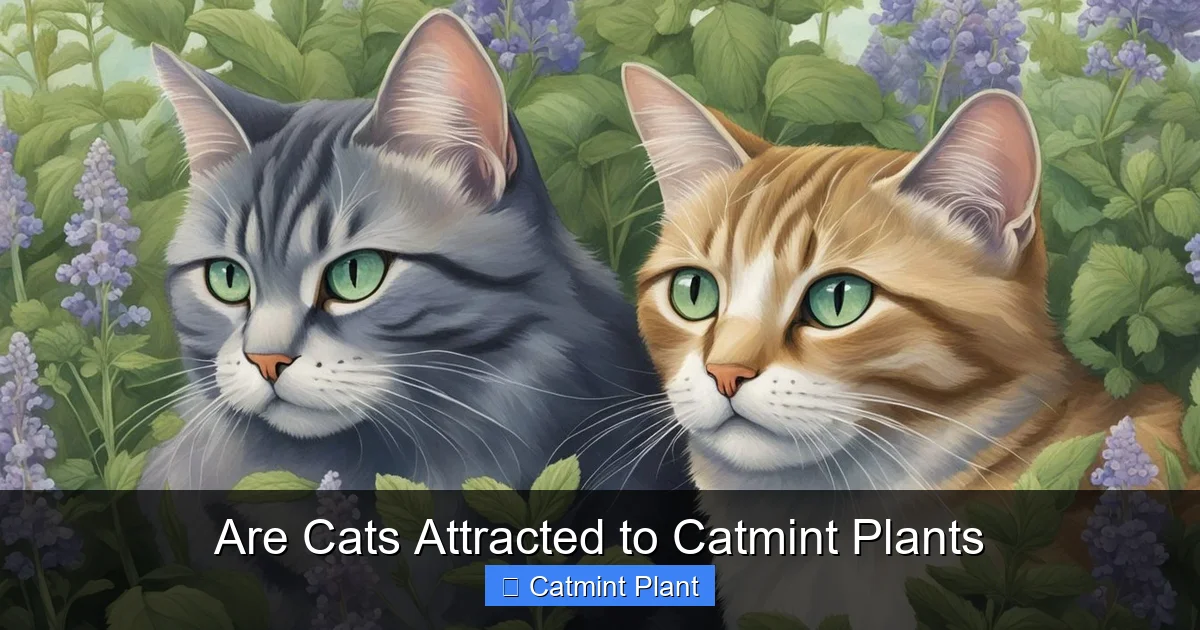
Visual guide about Are Cats Attracted to Catmint Plants
Image source: theherbprof.com
Nepetalactone mimics feline sex pheromones. That is why the response often looks like a mix of play, hunting, and mating behaviors. You might see your cat sniffing intensely, licking the plant, chewing the leaves, rubbing their cheeks and chin on the foliage, rolling on their back, kicking with their hind legs, and drooling. Some cats get zoomies and race around the house. Others enter a trance-like state of bliss.
Not All Cats React
Here is a fun fact. The response to catmint plants is hereditary. Researchers estimate that 70 to 80 percent of domestic cats carry the gene that makes them sensitive to nepetalactone. If your cat stares at a catmint plant and walks away bored, they are not broken. They just did not win the genetic lottery.
Kittens under three months old typically do not respond either. The sensitivity develops with sexual maturity. Senior cats may also show a reduced response. Big cats like lions, tigers, and leopards react to catmint too. It is not just a house cat thing.
How Long Does the Effect Last?
The high is short-lived. Most cats enjoy the effects for 10 to 15 minutes. After that, they enter a refractory period where they become temporarily immune to the plant’s charms. This immunity lasts about one to two hours. You cannot force a cat to stay high on catmint. Their biology has a built-in off switch.
Catmint vs Catnip: What Is the Difference?
Two Cousins in the Mint Family
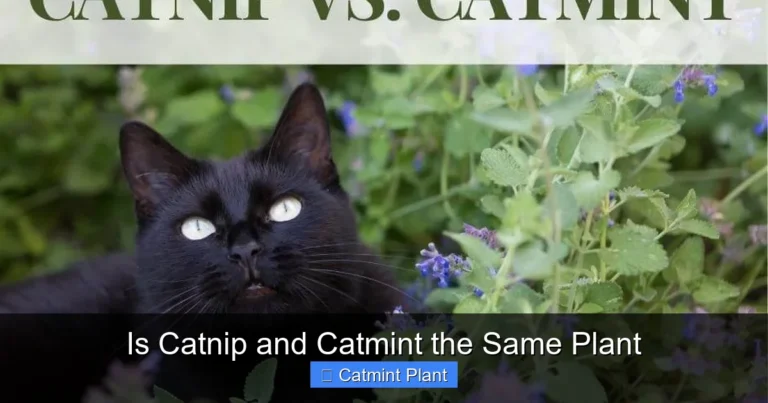
People often use the terms catmint and catnip interchangeably, but they are different plants. Both belong to the genus Nepeta in the mint family Lamiaceae. Catnip is Nepeta cataria. Catmint usually refers to Nepeta mussinii or Nepeta x faassenii, which are ornamental hybrids.
Potency and Purpose
Catnip contains higher concentrations of nepetalactone. It is the heavy hitter for feline euphoria. Catmint plants have lower levels of the compound. Your cat will still enjoy them, but the reaction may be milder. On the flip side, catmint plants are superstars in the garden. They bloom longer, attract bees and butterflies, and look gorgeous in borders. Catnip looks a bit weedy and spreads aggressively.
Which Should You Grow?
If your main goal is maximum cat entertainment, grow catnip. If you want a beautiful perennial that your cat likes and pollinators love, choose catmint plants. Many gardeners grow both. Plant catnip in a pot to contain its spread. Plant catmint in your flower beds for season-long color.
Benefits of Catmint for Cats
Mental Stimulation and Enrichment
Indoor cats often lack stimulation. Boredom leads to stress, overeating, and destructive behavior. Catmint plants provide a safe, natural outlet for play and exploration. The scent triggers investigative behavior. The physical interaction burns energy. A cat that has enjoyed a catmint session often settles down for a long, peaceful nap afterward.
Stress Relief
Catmint can help anxious cats relax. The euphoric response reduces tension. This is useful during stressful events like vet visits, moving, or introducing a new pet. Some shelters use catmint to help shy cats come out of their shells. A sprinkle of dried catmint on a blanket in a carrier can make travel less traumatic.
Encouraging Positive Behaviors
You can use catmint plants as a training tool. Rub dried catmint on a scratching post to draw your cat away from the sofa. Sprinkle it on a new bed to make it inviting. Stuff it into toys to renew interest in old playthings. It is a positive reinforcement that feels like a treat but has zero calories.
Exercise for Overweight Cats
Obesity is a growing problem in pet cats. Catmint-induced zoomies provide bursts of aerobic activity. While it is not a substitute for structured play, it adds movement to the day. Combine catmint sessions with wand toys or laser pointers for a full workout.
Growing Catmint Plants at Home
Choosing the Right Variety
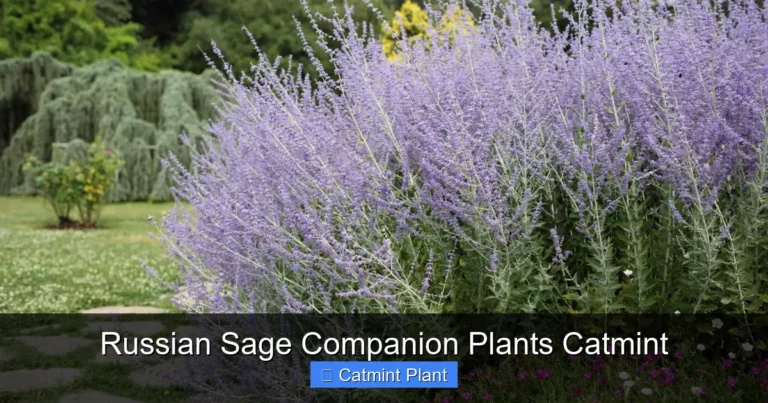
Popular catmint varieties include Walker’s Low, Six Hills Giant, and Purrsian Blue. Walker’s Low was named Perennial Plant of the Year in 2007. It forms a neat mound of gray-green foliage with lavender-blue flowers from late spring to fall. Purrsian Blue is more compact, perfect for small spaces or containers.
Planting Conditions
Catmint plants thrive in full sun. They need at least six hours of direct light daily. They tolerate partial shade but flower less. Soil should be well-drained. They hate wet feet. Sandy or rocky soil is ideal. Once established, they are drought-tolerant. They do not need rich soil or fertilizer. In fact, too much nitrogen makes them floppy and reduces essential oils.
Spacing and Maintenance
Space plants 18 to 24 inches apart. They spread slowly by rhizomes but are not invasive like catnip. Deadhead spent flowers to encourage rebloom. Shear the whole plant back by half after the first flush for a tidy second act. Divide clumps every three to four years in early spring to maintain vigor.
Growing in Containers
Catmint plants do well in pots. Use a container at least 12 inches wide with drainage holes. Fill with a gritty potting mix. Water when the top inch of soil feels dry. Feed lightly with a balanced fertilizer once in spring. Overwinter pots in a sheltered spot or an unheated garage in cold climates.
Protecting Your Plants from Overenthusiastic Cats
If your cat loves catmint plants a little too much, they may flatten them before they establish. Use a wire cage or cloche over young plants. Place bamboo stakes around the crown. Once the plant is mature, it can handle some feline attention. You can also grow a sacrificial patch just for the cat and fence off your display plants.
Harvesting and Storing Catmint
When to Harvest
The best time to harvest catmint is just as the flowers begin to open. This is when nepetalactone levels peak. Cut stems in the morning after the dew dries but before the heat of the day. Use clean, sharp scissors.
Drying Methods
Bundle small bunches and hang them upside down in a dark, dry, well-ventilated area. A closet or pantry works well. Alternatively, spread leaves on a screen or dehydrator tray at 95 to 115 degrees Fahrenheit. They are done when leaves crumble easily, usually in one to two weeks.
Storage Tips
Strip dried leaves from stems. Discard woody parts. Store in an airtight glass jar away from light and heat. A dark cupboard is perfect. Properly stored catmint retains potency for six to twelve months. Label the jar with the harvest date.
Making Catmint Toys
Sew simple pouches from cotton or felt. Fill with dried catmint. Stitch closed. For extra fun, add a crinkle layer or a small bell. Refresh the filling every few months. Cats lose interest when the scent fades.
Safety and Precautions
Is Catmint Safe?
Yes. Catmint plants are non-toxic to cats. The ASPCA lists Nepeta species as safe. Cats cannot overdose. Eating large amounts may cause mild vomiting or diarrhea, but this is rare and self-limiting. Most cats self-regulate. They sniff, rub, and roll. They do not gorge.
When to Avoid Catmint
Skip catmint if your cat has a history of seizures. The intense stimulation could potentially trigger an episode in susceptible individuals. Avoid giving catmint to pregnant cats. The uterine-stimulating effects of nepetalactone are not well studied in pregnancy. If your cat becomes aggressive on catmint, discontinue use. Some cats get overstimulated and swipe or bite.
Interactions with Medications
Catmint may have mild sedative properties. If your cat is on anxiety medication, pain meds, or anesthesia, check with your vet before offering catmint. It is unlikely to cause issues, but better safe than sorry.
Human Safety
Catmint is safe for humans too. It has a long history as a herbal tea for relaxation and digestion. The effect on people is mild calmness, not euphoria. Do not confuse catmint with other mint family members that can be toxic in large doses. Always identify plants correctly.
Creative Ways to Use Catmint
Catmint Tea for You
While your cat enjoys the plant, you can enjoy a cup of tea. Steep one teaspoon of dried catmint in hot water for five minutes. Sweeten with honey. It tastes minty with a hint of citrus. It is caffeine-free and soothing before bed.
Catmint in the Garden Ecosystem
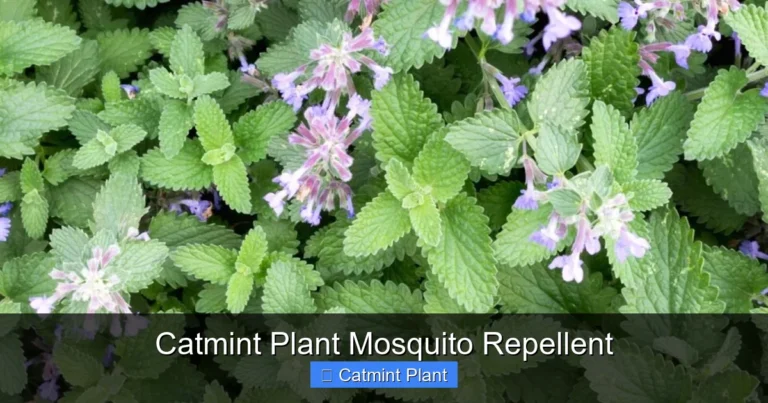
Catmint plants are pollinator magnets. Bees, butterflies, and hoverflies flock to the flowers. Plant them near vegetable beds to boost pollination. They repel some pests like aphids, squash bugs, and Japanese beetles. Deer and rabbits usually avoid them. They make excellent companion plants for roses, peonies, and salvias.
DIY Catmint Spray
Make a spray to refresh toys and scratchers. Steep a handful of fresh catmint leaves in boiling water for 15 minutes. Strain and cool. Pour into a spray bottle. Mist cat trees, beds, and toys. Store in the fridge for up to a week.
Catmint Ice Treats
Freeze catmint tea in ice cube trays. Offer a cube on a hot day. Your cat can bat it around and lick the melting treat. It is hydration and enrichment in one.
Common Questions About Catmint Plants
Why Does My Cat Eat the Plant?
Chewing releases more nepetalactone. It also feels good on the gums. Some cats eat grass or plants to induce vomiting and clear hairballs. Catmint is safe to eat in small amounts. If your cat destroys the plant, provide a dedicated pot for grazing.
Can Kittens Have Catmint?
Kittens under 12 weeks usually do not respond. Their vomeronasal organ is not fully mature. It is harmless to offer it, but do not be surprised if they ignore it. Wait until they are older.
Does Catmint Lose Potency Over Time?
Yes. Essential oils degrade with exposure to light, heat, and air. Fresh is best. Dried catmint lasts six to twelve months if stored properly. Old catmint loses its punch. If your cat snubs it, replace your stash.
Can I Give Catmint Every Day?
Daily exposure leads to habituation. The cat stops responding. Limit sessions to two or three times a week. This keeps the experience special and effective.
What If My Cat Gets Aggressive?
Some cats get overstimulated. They may bite, scratch, or attack other pets. If this happens, remove the catmint immediately. Give the cat space to calm down. Try a smaller amount next time, or switch to a different enrichment activity.
Conclusion
So, are cats attracted to catmint plants? Absolutely. The nepetalactone in catmint triggers a joyful, harmless response in most cats. It is nature’s way of giving our feline friends a little burst of happiness. Whether you grow a patch in the garden, dry some for toys, or brew a cup for yourself, catmint is a win-win plant.
Understanding the science helps you use it wisely. Offer it in moderation. Grow it with care. Watch your cat enjoy one of life’s simple pleasures. And maybe, just maybe, steal a leaf for your own tea. After all, we all deserve a little calm in our day.
Your cat will thank you with purrs, headbutts, and maybe a zoomie lap around the living room. That is the magic of catmint plants.
Frequently Asked Questions
Are catmint plants safe for kittens?
Catmint is non-toxic for kittens, but most kittens under three months old do not respond to it. Their sensitivity develops with sexual maturity, so they may simply ignore the plant until they are older.
What is the difference between catmint and catnip?
Catmint (Nepeta mussinii) is an ornamental perennial with lower nepetalactone levels, while catnip (Nepeta cataria) is a weedy annual with higher potency. Catmint blooms longer and attracts more pollinators.
Can catmint help with my cat’s anxiety?
Yes, catmint can reduce stress and anxiety in cats. The euphoric response promotes relaxation. It is often used in shelters to help shy cats adjust and can ease tension during travel or vet visits.
How do I stop my cat from destroying my catmint plants?
Protect young plants with wire cages or cloches until established. Provide a separate pot of catmint just for your cat. Mature plants can withstand occasional feline attention.
Does dried catmint expire?
Dried catmint loses potency after six to twelve months. Store it in an airtight container away from light and heat. If your cat stops responding, it is time to refresh your supply.
Can humans use catmint?
Yes, humans have used catmint for centuries as a calming herbal tea. It has a mild minty flavor and may aid digestion and relaxation. It does not produce a euphoric effect in people.