Catmint Plant Vs Salvia
Catmint plant vs salvia are both drought‑tolerant perennials that attract bees and butterflies. Catmint offers a soft, minty fragrance and a long bloom period, while salvia provides bold spikes of color and a wider range of heights. Choose the one that fits your garden style and maintenance level.
Catmint plant vs salvia is a common garden question. Both plants are perennials. They both love sun. They both need little water. This guide helps you decide.
You will learn the basics of each plant. You will see how they grow. You will compare bloom time. You will get care tips. You will find design ideas.
Key Takeaways
- Low maintenance: Both catmint plant vs salvia need little care once established.
- Long bloom: Catmint flowers for months; salvia blooms in waves.
- Color range: Salvia gives more color choices than catmint.
- Spread habit: Catmint spreads faster and can fill gaps quickly.
- Pollinator draw: Both attract bees, but salvia also brings hummingbirds.
- Deer resistance: Deer usually avoid both plants.
- Soil flexibility: Catmint tolerates poorer soil; salvia prefers well‑drained loam.
Quick Answers to Common Questions
Which plant blooms longer, catmint or salvia?
Catmint blooms from late spring until frost, giving a longer continuous show than salvia.
Does catmint spread more than salvia?
Yes, catmint spreads by runners and can fill space quickly, while salvia stays in a clump.
Which plant attracts hummingbirds?
Salvia’s tubular flowers are a favorite of hummingbirds, catmint attracts bees and butterflies.
Are both plants deer resistant?
Both catmint and salvia are generally avoided by deer.
Can I grow catmint and salvia in the same bed?
Yes, they share similar sun and soil needs and look great together.
📑 Table of Contents
Catmint Overview
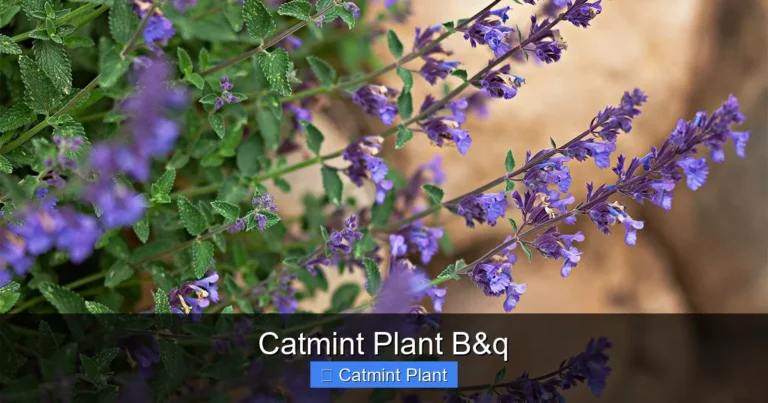
Catmint is a hardy perennial herb. It belongs to the genus Nepeta. The plant grows in clumps. It reaches about twelve to twenty‑four inches tall. The leaves are gray‑green and aromatic. When crushed they release a minty scent. The flowers are small and tubular. They appear in shades of lavender, blue, or white. Bloom starts in late spring and continues into fall. Catmint tolerates heat and drought. It thrives in full sun but can handle light shade. The plant prefers well‑drained soil. It does not need rich fertilizer. Deer rarely browse catmint. It spreads by underground runners. This makes it a good ground cover. In a catmint plant vs salvia comparison catmint spreads faster.
Botanical Background
Catmint belongs to the mint family Lamiaceae. The scientific name is Nepeta faassenii for the common garden type. There are many species and cultivars. Each offers slightly different flower color. All share the same basic growth habit. They are native to Europe and Asia. They have naturalized in many parts of North America. In a catmint plant vs salvia comparison the genus Nepeta is smaller than Salvia.
Growth Habit
Catmint forms a low mound. The stems are square like other mint family members. The plant can become woody at the base over time. Regular pruning keeps it tidy. It can be divided every three to four years. Division rejuvenates the clump. It also provides new plants for sharing. In a catmint plant vs salvia comparison catmint division is more frequent.
Fragrance and Foliage
The foliage releases a pleasant mint aroma when brushed. This scent repels some insects. The leaves are soft to the touch. They stay attractive even when not in bloom. The gray‑green color adds a cool tone to garden beds. In a catmint plant vs salvia comparison catmint fragrance is stronger.
Salvia Overview
Salvia is a large genus with many species. Common garden salvia includes Salvia nemorosa and Salvia greggii. The plants are upright perennials. They can reach eighteen to thirty‑six inches tall. The leaves are often aromatic but less minty. Flowers form dense spikes. Colors range from deep blue to red, pink, white, and purple. Bloom typically starts in early summer. Some varieties rebloom into autumn. Salvia loves full sun. It needs well‑drained soil. It tolerates drought once established. Deer usually avoid salvia. In a catmint plant vs salvia comparison salvia offers more height options.

Visual guide about Catmint Plant Vs Salvia
Image source: a-z-animals.com
Botanical Background
Salvia belongs to the same family Lamiaceae. The genus contains over nine hundred species. Many are native to the Americas. Others come from the Mediterranean region. The name Salvia means “to heal” in Latin. Historically some species were used medicinally. In a catmint plant vs salvia comparison the genus Salvia is much larger.
Growth Habit
Salvia grows in upright clumps. The stems are square and sturdy. The plant does not spread aggressively. It stays where planted. Pruning after the first flush encourages a second bloom. Division is rarely needed but can be done in spring. In a catmint plant vs salvia comparison salvia division is rare.
Flower Forms and Colors
Salvia flowers are tubular and arranged in whorls. The spikes can be tight or loose. Color variety is a major advantage. Gardeners can choose blue, purple, red, pink, or white. This makes salvia versatile for design. In a catmint plant vs salvia comparison salvia color range is wider.
Growing Conditions Compared
Both plants like sun. Both need good drainage. Both are drought tolerant once established. In a catmint plant vs salvia comparison the soil preference differs slightly. Catmint tolerates poorer soil. Salvia prefers richer loam. Water needs are low for both. Overwatering causes root rot. Hardiness zones overlap widely. Catmint survives zones three to eight. Salvia survives zones four to nine depending on species. Choose a variety that matches your zone. In a catmint plant vs salvia comparison both are easy to grow.
Sunlight Needs
Full sun is best for both. At least six hours of direct light. Light shade reduces flowering. In very hot climates afternoon shade helps catmint. Salvia handles heat well. In a catmint plant vs salvia comparison both thrive in full sun.
Soil Preferences
Catmint grows in sandy or rocky soil. It does not need compost. Salvia likes loamy soil with organic matter. Adding compost improves salvia vigor. Both dislike heavy clay that stays wet. In a catmint plant vs salvia comparison catmint is more soil tolerant.
Water Requirements
Water deeply but infrequently. Let soil dry between waterings. New plants need regular moisture until roots establish. Established plants survive weeks without rain. Mulch helps retain moisture. In a catmint plant vs salvia comparison both need little water.
Hardiness Zones
Check the specific cultivar tag. Most catmint varieties are hardy to zone three. Most salvia varieties are hardy to zone four. In colder zones mulch the crown in winter. In warm zones provide afternoon shade for catmint. In a catmint plant vs salvia comparison zone range is similar.
Bloom Time and Garden Impact
Catmint blooms from late spring to frost. The flower show is continuous. Salvia blooms in early summer. Many varieties have a second flush in fall. In a catmint plant vs salvia comparison catmint gives longer color. Salvia gives bold spikes that stand out. Both attract bees. Salvia also draws hummingbirds. The color palette of salvia is wider. Catmint offers cool blues and lavenders. Mix both for season long interest. In a catmint plant vs salvia comparison bloom length favors catmint.
Bloom Season Length
Catmint flowers for up to five months. Deadheading extends the period. Salvia flowers for about eight weeks per flush. Two flushes give up to four months total. Plan for overlapping bloom. In a catmint plant vs salvia comparison catmint blooms longer.
Color Palette
Catmint colors are mostly blue, lavender, white. Salvia adds red, pink, deep purple. Use catmint for a calm border. Use salvia for a focal point. In a catmint plant vs salvia comparison salvia offers more hues.
Pollinator Attraction
Bees love both plants. Butterflies visit catmint. Hummingbirds prefer salvia tubular flowers. Plant both to support a diverse pollinator community. In a catmint plant vs salvia comparison both are pollinator friendly.
Maintenance and Care
Low maintenance is a hallmark of both. In a catmint plant vs salvia comparison catmint spreads more, so it may need edging. Salvia stays compact. Pruning keeps both tidy. Deadheading encourages rebloom. Divide catmint every few years. Salvia rarely needs division. Pests are few. Aphids may appear on new growth. Spray with water or insecticidal soap. Diseases are rare in well‑drained soil. In a catmint plant vs salvia comparison both are low care.
Pruning and Deadheading
Cut catmint back after first bloom. Shear to about six inches. This promotes fresh growth. For salvia cut spent spikes to the base. This often triggers a second flush. Do major pruning in early spring. In a catmint plant vs salvia comparison pruning needs are similar.
Dividing and Propagation
Dig catmint clumps in early spring. Separate into smaller pieces. Replant immediately. Salvia can be propagated by cuttings. Take softwood cuttings in late spring. Root in moist sand. In a catmint plant vs salvia comparison catmint division is more common.
Pest and Disease Resistance
Both are deer resistant. Rabbits may nibble young catmint. Slugs can damage salvia in wet weather. Good air flow reduces fungal issues. Avoid overhead watering. In a catmint plant vs salvia comparison both resist most pests.
Design Ideas and Choosing the Right Plant
Use catmint as a soft edge along paths. Its mound habit spills gently. Use salvia as a vertical accent in mixed borders. In a catmint plant vs salvia comparison catmint works well in cottage gardens. Salvia fits modern and prairie styles. Both thrive in containers. Choose a pot with drainage. Combine catmint with roses for a classic look. Pair salvia with ornamental grasses for texture. Consider maintenance time. Catmint may need more edging. Salvia needs less spreading control. In a catmint plant vs salvia comparison design uses differ.
Border and Edging Uses
Plant catmint in a line along a walkway. Space plants twelve inches apart. They will fill in quickly. Salvia can be planted in groups of three for impact. Space eighteen inches apart. In a catmint plant vs salvia comparison spacing differs.
Container Gardening
Both do well in pots. Use a light potting mix. Water when the top inch feels dry. Fertilize lightly in spring. Move pots to a sheltered spot in winter. In a catmint plant vs salvia comparison container care is similar.
Companion Plants for Each
Catmint pairs with lavender, yarrow, and coreopsis. Salvia pairs with coneflower, black‑eyed Susan, and ornamental grass. Mix both for a layered effect. In a catmint plant vs salvia comparison companion choices vary.
Choosing between catmint plant vs salvia depends on your garden goals. If you want a long blooming ground cover with mint scent, pick catmint. If you want bold spikes, more color choices, and hummingbird visits, pick salvia. Both are tough, drought tolerant, and pollinator friendly. You can even grow both together for a dynamic display. Happy planting.
Frequently Asked Questions
What is the scientific name of common catmint?
The common garden catmint is Nepeta faassenii, a hybrid of Nepeta racemosa and Nepeta nepetella.
Which salvia species is best for cold climates?
Salvia nemorosa ‘Caradonna’ is hardy to zone 4 and performs well in cooler regions.
How often should I water established catmint?
Water deeply once every two weeks during dry periods; the plant prefers dry soil between waterings.
Do I need to deadhead salvia for a second bloom?
Removing spent spikes encourages a fresh flush of flowers in late summer.
Can catmint be grown in containers?
Yes, catmint thrives in pots with good drainage and regular watering.
Is salvia invasive in any areas?
Most garden salvia varieties are not invasive; they stay clump‑forming and do not spread aggressively.