Catmints Purple Plants
Catmints purple plants are low‑maintenance perennials that bring long‑lasting color and fragrance to any sunny border. They thrive in well‑drained soil, attract pollinators, and bloom from early summer into fall.
Key Takeaways
- Easy to grow: catmints purple plants need little fuss once established.
- Long bloom season: flowers appear from early summer to frost.
- Pollinator magnet: bees and butterflies love the nectar.
- Drought tolerant: mature clumps survive dry spells.
- Versatile design: use them in borders, containers, or mass plantings.
- Low pest pressure: few serious insects or diseases affect them.
Quick Answers to Common Questions
What sunlight do catmints purple plants need?
They thrive in full sun with at least six hours of direct light each day.
How often should I water established catmints purple plants?
Water deeply once a week during dry periods; they are drought tolerant once rooted.
Can catmints purple plants grow in containers?
Yes, choose a pot at least twelve inches wide with good drainage and a quality potting mix.
When is the best time to prune catmints purple plants?
Shear back by one‑third after the first flush of flowers fades to encourage a second bloom.
Are catmints purple plants deer resistant?
They are generally avoided by deer, making them a good choice for browsed gardens.
📑 Table of Contents
What Are Catmints Purple Plants?
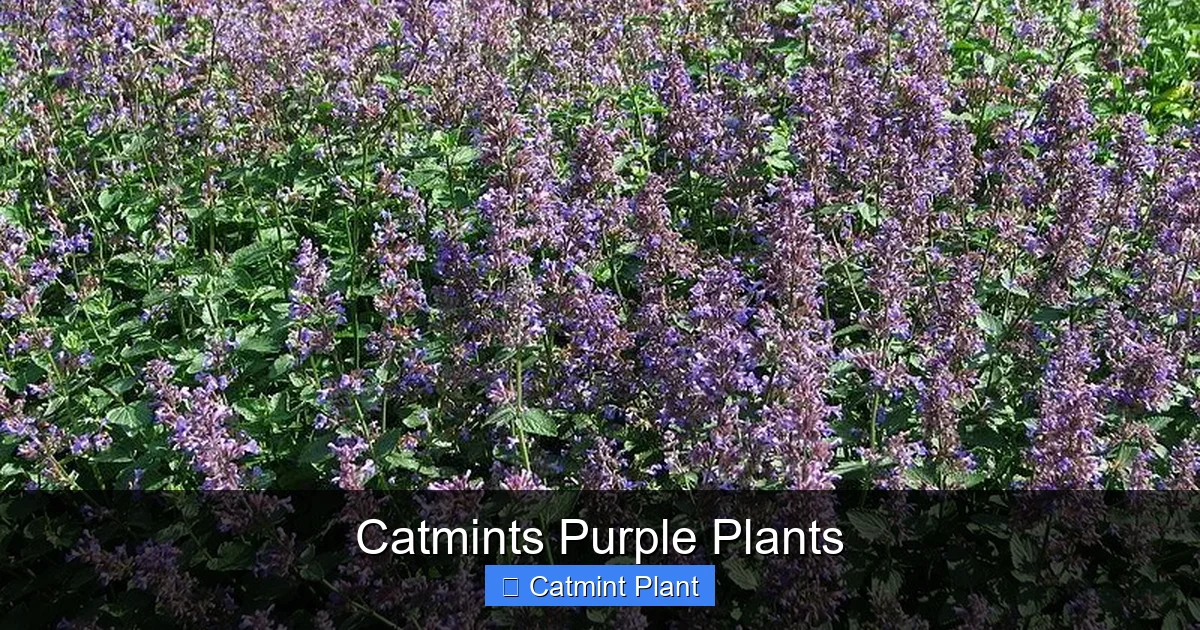
Catmints purple plants are hardy perennials that belong to the Nepeta genus. They produce spikes of lavender‑blue flowers that look like tiny bells. The foliage is aromatic and releases a minty scent when brushed. Gardeners love catmints purple plants because they bloom for months with very little care. These plants thrive in full sun and tolerate a range of soil types. If you want a reliable splash of color, catmints purple plants are a top choice.
Botanical Background
The botanical name for most garden catmints purple plants is Nepeta × faassenii. This hybrid combines the best traits of several species. The result is a compact mound that reaches about eighteen inches tall. The leaves are gray‑green and slightly fuzzy. The flowers appear on upright stems that rise above the foliage. Because catmints purple plants are sterile hybrids, they do not self‑seed aggressively. This makes them easy to manage in mixed borders.
Why Gardeners Love Them
First, catmints purple plants flower from early summer until the first frost. Second, they attract bees, butterflies, and hummingbirds. Third, the foliage stays attractive even when the plant is not in bloom. Fourth, they are deer resistant, which is a big plus for many yards. Fifth, catmints purple plants require minimal watering once established. All of these factors make catmints purple plants a favorite for low‑maintenance gardens.
Growth Habit
These perennials form a neat, rounded clump that expands slowly each year. The stems are sturdy enough to stand upright without staking. New shoots emerge from the base in early spring, creating a fresh green mound. As the season progresses, the clump fills out and becomes a dense mass of foliage. This habit makes the plants ideal for filling gaps between taller specimens.
Seasonal Interest
In spring the new growth is a bright, soft green that catches the light. Summer brings the signature lavender spikes that last for weeks. Autumn foliage often takes on a subtle bronze hue before the plant goes dormant. Even in winter the dried seed heads add texture to a snowy garden. This year‑round appeal is a key reason many gardeners choose these perennials.
Choosing the Right Variety
There are several cultivars of catmints purple plants to consider. Each offers a slightly different height, flower shade, or bloom time. Selecting the right one helps you match the plant to your garden design. Think about the space you have and the color palette you prefer. A little research goes a long way with catmints purple plants.
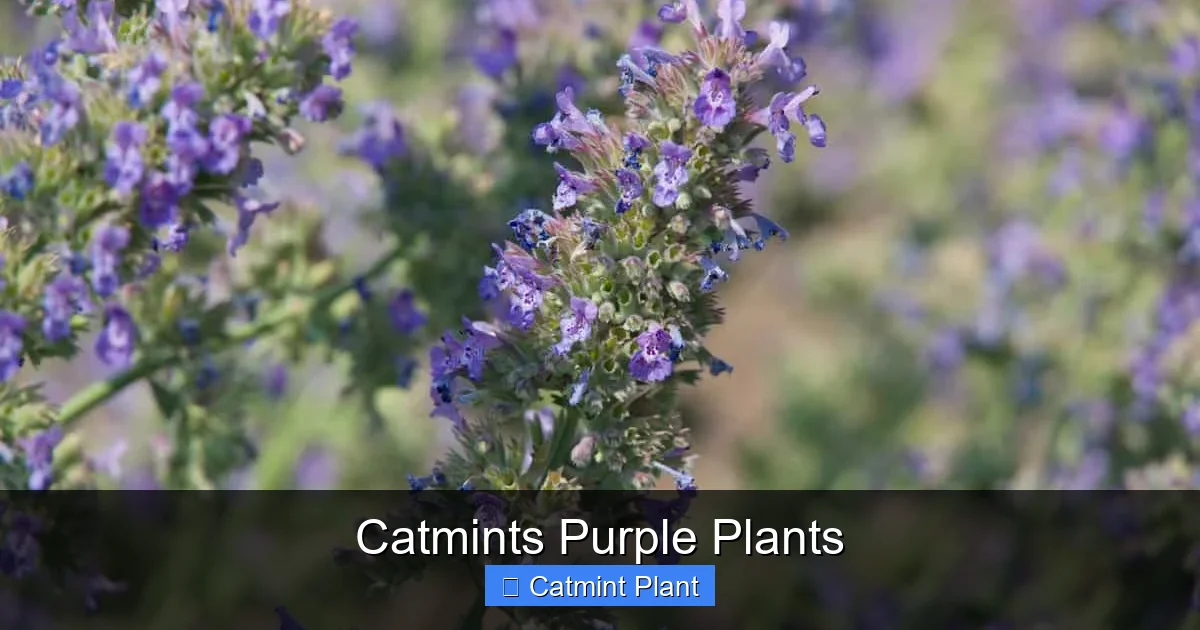
Visual guide about Catmints Purple Plants
Image source: gardentabs.com
Popular Cultivars
‘Walker’s Low’ is a classic catmints purple plants variety that grows about twenty‑four inches tall. Its flowers are a soft lavender that deepens with age. ‘Blue Wonder’ stays shorter, around twelve inches, and produces intense violet blooms. ‘Six Hills Giant’ can reach thirty inches and makes a bold statement in the back of a border. ‘Junior Walker’ is a dwarf form perfect for containers. All of these catmints purple plants share the same easy‑care nature.
Size and Bloom Time
Height ranges from twelve to thirty inches depending on the cultivar. Spread is usually equal to height, forming a neat mound. Most catmints purple plants start flowering in June and continue until October. Deadheading spent spikes encourages a second flush of blooms. If you want continuous color, mix early and late bloomers among your catmints purple plants.
Color Range
Flower colors span from pale lilac to deep violet, with some selections showing a hint of pink. The foliage remains a consistent gray‑green across cultivars. This narrow palette makes it easy to coordinate with other perennials. You can create a monochromatic drift or add a pop of contrast with yellow or orange companions.
Hardiness Zones
Most selections thrive in USDA zones 3 through 8. In colder zones they die back to the ground and return reliably each spring. In warmer zones they may stay evergreen through mild winters. Check the tag for the specific zone rating of each cultivar before buying.
Planting and Soil Preparation
Proper planting sets the stage for healthy catmints purple plants. Choose a site that receives at least six hours of direct sun. The soil should be well‑drained; soggy roots lead to rot. Amend heavy clay with compost or coarse sand to improve drainage. A slightly alkaline pH around 7.0 is ideal for catmints purple plants.
Best Time to Plant
Spring is the optimal window for planting catmints purple plants. The soil has warmed, and rainfall helps settle the roots. Fall planting works in mild climates where the ground does not freeze hard. Avoid planting during extreme heat or deep frost. Timing your planting gives catmints purple plants a strong start.
Soil Amendments
Mix a two‑inch layer of compost into the planting hole. This adds nutrients and improves texture. If your soil is very sandy, add a handful of peat moss to retain moisture. A slow‑release balanced fertilizer can be incorporated at planting time. These steps ensure catmints purple plants have everything they need from day one.
Container Planting Tips
Choose a pot at least twelve inches wide with drainage holes. Fill it with a high‑quality potting mix blended with perlite for extra aeration. Plant the root ball at the same depth it grew in the nursery container. Water thoroughly after planting and place the pot in full sun. Containers dry out faster, so monitor moisture daily during hot spells.
Mulching Benefits
A two‑inch layer of shredded bark or straw conserves soil moisture and suppresses weeds. Mulch also moderates soil temperature, protecting roots from extreme heat. Keep mulch a few inches away from the crown to prevent rot. Reapply each spring as the old layer breaks down.
Watering, Feeding, and Ongoing Care
Once established, catmints purple plants are remarkably drought tolerant. Water deeply but infrequently to encourage deep roots. During the first growing season, keep the soil evenly moist. After that, a weekly soak during dry spells is enough. Overwatering is the most common mistake with catmints purple plants.
Watering Schedule
Check the top inch of soil; if it feels dry, water. Early morning watering reduces evaporation and fungal risk. Mulch around the base with shredded bark to conserve moisture. A two‑inch mulch layer also suppresses weeds that compete with catmints purple plants.
Fertilizer Tips
Catmints purple plants do not need heavy feeding. A light application of a balanced 10‑10‑10 fertilizer in early spring is sufficient. Too much nitrogen produces lush foliage but fewer flowers. If you prefer organic options, a handful of well‑rotted manure works well. Remember, less is more for catmints purple plants.
Pruning for More Blooms
Shear the plant back by one‑third after the first flush fades. This stimulates fresh growth and a second bloom cycle. Use clean, sharp shears to avoid disease transfer. Remove any dead or damaged stems at the base. Regular pruning keeps catmints purple plants tidy and floriferous.
Seasonal Watering Adjustments
In spring increase watering as new shoots emerge and the soil warms. Summer heat may require twice‑weekly soaking if rainfall is scarce. Reduce frequency in autumn as growth slows and temperatures drop. Winter watering is rarely needed unless the season is unusually dry.
Organic Feeding Options
Compost tea applied monthly provides a gentle nutrient boost. Fish emulsion diluted to half strength works well for a quick green‑up. Avoid high‑phosphorus formulas that can encourage excessive leaf growth. A yearly top‑dressing of leaf mold enriches the soil naturally.
Design Ideas for Garden Beds
Catmints purple plants fit many garden styles. Their soft color pairs well with yellows, whites, and deep reds. Use them as a filler between taller perennials. They also shine in cottage gardens, rock gardens, and modern minimalist beds. The versatility of catmints purple plants makes them a designer’s secret weapon.
Companion Planting
Good companions include salvia, echinacea, and ornamental grasses. The vertical spikes of catmints purple plants contrast nicely with the airy plumes of grasses. Plant them near lavender for a fragrant herb corner. Bees will move freely between the blooms of catmints purple plants and their neighbors.
Border and Container Uses
In a border, plant catmints purple plants in groups of three or five for impact. Space them about eighteen inches apart to allow air flow. For containers, choose a pot at least twelve inches wide. Use a high‑quality potting mix with added perlite. Water containers more often than ground‑grown catmints purple plants because they dry faster.
Mass Planting Effects
Planting a drift of twenty or more creates a cloud of lavender that moves with the breeze. This technique works well on slopes where erosion control is needed. The dense foliage shades the soil, reducing weed pressure. A mass planting also maximizes pollinator visits across the whole area.
Edging and Pathways
Low‑growing cultivars make excellent edging along walkways. Their neat habit keeps the path clear while adding color at ankle height. Pair them with stepping stones for a charming cottage feel. The aromatic foliage releases scent when brushed by passersby.
Final Thoughts and Troubleshooting
Catmints purple plants are generally trouble free, but a few issues can arise. Knowing the signs helps you act quickly. With a little attention, your catmints purple plants will reward you with months of color.
Aphids and Spider Mites
Aphids may cluster on new growth in spring. Spray a strong jet of water to dislodge them. Insecticidal soap works for heavier infestations. Spider mites appear in hot, dry weather; increase humidity and apply neem oil if needed. Both pests rarely cause serious damage to catmints purple plants.
Fungal Issues
Powdery mildew can develop in humid, shaded spots. Ensure good air circulation by spacing plants properly. Remove affected leaves promptly. A homemade spray of baking soda and water can suppress mildew on catmints purple plants.
Preventive Practices
Rotate planting locations every few years to reduce soil‑borne pathogens. Clean garden tools between uses. Mulch annually to maintain soil health. These simple habits keep catmints purple plants vigorous year after year.
Winter Care
In cold zones cut back the foliage to a few inches after the first hard frost. Apply a thick mulch layer to insulate the crown. In milder zones the plants may stay semi‑evergreen; simply remove any dead stems in early spring. Avoid heavy, wet mulch that can cause crown rot.
Propagation Basics
Division in early spring is the easiest method. Dig up the clump, separate it into sections with healthy roots, and replant immediately. Softwood cuttings taken in late spring root quickly in a moist sand‑peat mix. Seed propagation is possible but hybrids may not come true to type.
In summary, catmints purple plants offer long‑lasting beauty, pollinator appeal, and easy care. Whether you are a novice or a seasoned gardener, adding catmints purple plants to your landscape is a smart move. Enjoy the fragrance, the color, and the low‑maintenance charm of catmints purple plants all season long.
Frequently Asked Questions
Do catmints purple plants spread aggressively?
Most garden hybrids are sterile and do not self‑seed, so they stay in a tidy clump.
What soil pH is ideal for catmints purple plants?
A slightly alkaline pH around 7.0 provides the best growth and flowering.
How do I prevent powdery mildew on catmints purple plants?
Space plants for good airflow, water at the base, and remove any infected leaves promptly.
Can I grow catmints purple plants from seed?
Seeds can be sown, but hybrid cultivars may not reproduce true to the parent plant.
What fertilizer works best for catmints purple plants?
A light application of balanced 10‑10‑10 fertilizer in early spring is sufficient; avoid excess nitrogen.
How do I overwinter catmints purple plants in cold climates?
Cut back foliage after frost, mulch heavily around the crown, and remove mulch in early spring.