Plant Combinations Catmint
Catmint thrives when paired with sun‑loving perennials, ornamental grasses, and herbs. Smart plant combinations catmint boost color, attract bees, and reduce maintenance.
Key Takeaways
- Sun exposure matters: Catmint loves full sun; choose companions with similar light needs.
- Pollinator magnet: Pair with lavender, salvia, or coneflower to create a bee‑friendly haven.
- Contrast textures: Mix fine‑leaf catmint with bold‑leaf hostas or ornamental grasses for visual interest.
- Seasonal bloom overlap: Select partners that flower at different times for continuous color.
- Low‑water allies: Drought‑tolerant plants like sedum and yarrow share catmint’s water‑wise nature.
- Herb garden synergy: Grow catmint beside rosemary, thyme, or oregano for culinary and aromatic benefits.
- Easy maintenance: Companion plants that share pruning schedules simplify garden chores.
Quick Answers to Common Questions
What are the best sun‑loving companions for catmint?
Lavender, Russian sage, salvia, and ornamental grasses thrive in the same full‑sun conditions as catmint.
Can catmint grow in partial shade?
It tolerates light shade but flowers less and becomes leggy; full sun is recommended for best performance.
How often should I divide catmint?
Divide every three to four years in early spring to maintain vigor and prevent overcrowding.
Does catmint repel garden pests?
Its minty scent can deter aphids, cabbage moths, and some beetles when interplanted with vegetables.
What soil amendment improves drainage for catmint?
Mix compost with coarse sand or fine gravel into the planting hole to create sharp drainage.
📑 Table of Contents
- Why Catmint Deserves a Spot in Every Garden
- Understanding Light and Soil Requirements
- Creating Color Harmony With Catmint
- Texture and Form: Playing With Shape
- Pollinator‑Friendly Plant Combinations Catmint
- Herb Garden Synergy
- Low‑Maintenance Design Strategies
- Design Ideas for Specific Garden Styles
- Practical Planting Tips
- Troubleshooting Common Issues
- Conclusion: Build Your Perfect Catmint Community
Why Catmint Deserves a Spot in Every Garden
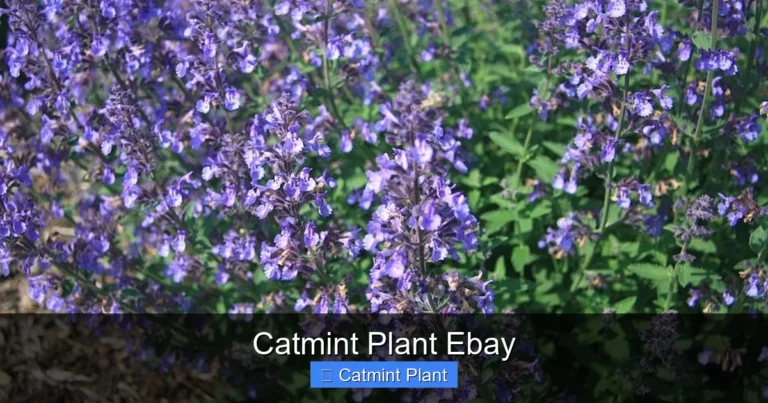
Catmint, known botanically as Nepeta, is a hardy perennial that brings soft gray‑green foliage and spikes of lavender‑blue flowers. It thrives in full sun, tolerates poor soil, and laughs at drought. Gardeners love it because it blooms from late spring into fall with minimal fuss. When you think about plant combinations catmint, imagine a backdrop of silvery leaves that makes neighboring colors pop. This plant also draws bees, butterflies, and hummingbirds, turning any bed into a lively pollinator hub.
Beyond beauty, catmint releases a light minty scent when brushed. That aroma can deter some pests while inviting beneficial insects. Its low growth habit, usually 12 to 24 inches tall, makes it perfect for the front of borders or as a ground cover. Because it spreads gently, you can let it fill gaps without fear of it taking over. All these traits make catmint a versatile partner for many garden styles.
Understanding Light and Soil Requirements
Full Sun Is Non‑Negotiable
Catmint performs best with at least six hours of direct sunlight. Shade causes leggy growth and fewer flowers. When planning plant combinations catmint, pick companions that also crave full sun. Lavender, Russian sage, and ornamental grasses like blue fescue share this preference. They will all stay compact and floriferous together.

Visual guide about Plant Combinations Catmint
Image source: stephenslandscaping.com
Well‑Drained Soil Wins
Heavy clay that holds water leads to root rot. Amend planting holes with compost or coarse sand to improve drainage. Many of catmint’s best friends—sedum, yarrow, and thyme—also demand sharp drainage. A raised bed or a sloped site works wonders for the whole group.
Creating Color Harmony With Catmint
Cool‑Tone Partners
Catmint’s lavender‑blue spikes pair beautifully with other cool hues. Think of planting it beside blue salvia, purple coneflower, or violet iris. The result is a soothing, monochromatic palette that feels calm and cohesive. Add a splash of white with Shasta daisies for contrast without breaking the cool theme.
Warm‑Tone Accents
If you prefer a pop of warmth, combine catmint with golden yarrow, orange butterfly weed, or red hot poker. The warm colors stand out against the silvery foliage, creating dynamic visual tension. This approach works well in cottage gardens where a riot of color is welcome.
Seasonal Succession
Choose companions that bloom at staggered times. Early‑season bulbs like allium give way to catmint’s early summer show. Mid‑summer brings coneflower and black‑eyed Susan. Late‑season asters and sedum keep the display alive into autumn. This succession ensures the bed never looks bare.
Texture and Form: Playing With Shape
Fine‑Leaf Contrast
Catmint’s delicate, aromatic leaves look striking next to bold, architectural foliage. Hostas with broad, heart‑shaped leaves create a dramatic texture contrast. Similarly, the spiky blades of ornamental grasses such as feather reed grass add vertical movement.
Mounding Versus Upright
Catmint forms a low mound. Pair it with upright perennials like delphinium or foxglove for height variation. The tall spires rise above the catmint carpet, guiding the eye upward. This layering adds depth to border plantings.
Ground‑Cover Companions
For a seamless carpet, mix catmint with creeping thyme, sedum acre, or low‑growing ajuga. These spreaders fill gaps, suppress weeds, and share the same low‑water needs. The result is a living mulch that looks intentional and tidy.
Pollinator‑Friendly Plant Combinations Catmint
Bee Buffet
Bees adore catmint’s nectar‑rich flowers. Add lavender, bee balm, and catnip (a close relative) to create a continuous feast. The overlapping bloom periods keep pollinators fed from spring through fall.
Butterfly Landing Pads
Butterflies need flat surfaces to rest. Plant catmint alongside flat‑topped flowers like yarrow, coreopsis, and zinnias. The combination offers both nectar and perching spots.
Hummingbird Highways
Hummingbirds favor tubular red or orange blooms. Pair catmint with trumpet vine, salvia ‘Hot Lips’, or penstemon. The catmint provides a background of color while the tubular flowers supply the high‑energy nectar hummingbirds crave.
Herb Garden Synergy
Culinary Companions
Catmint’s minty aroma complements many kitchen herbs. Plant it near rosemary, sage, oregano, and thyme. They share similar sun and drainage needs, making care simple. Harvesting becomes a one‑stop trip.
Pest‑Repelling Benefits
The strong scent of catmint can mask the smell of nearby vegetables, confusing pests like aphids and cabbage moths. Interplant catmint with tomatoes, peppers, or brassicas for a natural deterrent.
Medicinal and Aromatic Uses
Both catmint and its herb neighbors have traditional uses. Catmint tea calms nerves; rosemary boosts memory; thyme supports respiratory health. A dedicated herb corner becomes a wellness station.
Low‑Maintenance Design Strategies
Group By Water Needs
Catmint is drought‑tolerant once established. Group it with other xeriscape plants—sedum, lavender, Russian sage, and ornamental grasses. A single drip line or occasional hand‑watering serves the whole cluster.
Unified Pruning Schedule
Most catmint companions benefit from a mid‑season shear. Cut back spent flower spikes to encourage a second flush. Do the same for salvia, nepeta, and yarrow at the same time. One pruning session keeps the bed tidy.
Mulch Smartly
Apply a thin layer of gravel or shredded bark. It conserves moisture, suppresses weeds, and reflects heat onto the silvery foliage, enhancing color. Avoid heavy organic mulch that can retain too much moisture around the crown.
Design Ideas for Specific Garden Styles
Cottage Garden Charm
Mix catmint with old‑fashioned roses, foxglove, hollyhock, and sweet william. The informal, billowy look thrives on the relaxed habit of catmint. Allow self‑seeding for a naturalized feel.
Modern Minimalist
Use catmint in mass plantings alongside steel‑blue fescue, black mondo grass, and concrete planters. The limited palette—silver, blue, green—creates a sleek, contemporary aesthetic.
Mediterranean Terrace
Combine catmint with lavender, rosemary, olive trees in pots, and terracotta tiles. The aromatic, drought‑loving ensemble evokes a sun‑baked hillside. Add a stone bench for a perfect retreat.
Wildlife Meadow
Scatter catmint among native grasses, coneflower, milkweed, and goldenrod. The meadow supports a broad range of insects and birds. Minimal mowing once a year maintains the wild look.
Practical Planting Tips
Spacing Guidelines
Space catmint 18 to 24 inches apart. Give companions similar room based on their mature width. Overcrowding reduces airflow and invites disease.
Planting Time
Early spring or early fall are ideal. Cool temperatures reduce transplant shock. Water well after planting, then taper off as roots establish.
Division for Vigor
Every three to four years, lift clumps in early spring. Divide with a sharp spade, replant the healthiest sections, and share extras with friends. Division refreshes bloom power.
Fertilizing Lightly
Catmint prefers lean soil. A single application of balanced slow‑release fertilizer in spring is enough. Too much nitrogen yields floppy growth and fewer flowers.
Troubleshooting Common Issues
Floppy Stems
If stems flop, the plant may be getting too much shade or water. Move to a sunnier spot and cut back watering. A mid‑season shear also encourages sturdier regrowth.
Powdery Mildew
Humid, crowded conditions foster mildew. Improve spacing, water at the base, and apply a homemade baking‑soda spray if needed. Resistant cultivars like ‘Walker’s Low’ help.
Winter Dieback
In very cold zones, catmint may die back to the ground. Mulch lightly with straw after the first hard frost. New shoots emerge reliably in spring.
Conclusion: Build Your Perfect Catmint Community
Choosing the right plant combinations catmint transforms a simple perennial into the star of a thriving, low‑maintenance garden. Match sun, soil, and water needs. Play with color, texture, and bloom time. Invite pollinators, herbs, and seasonal interest. With a little planning, your catmint bed will deliver beauty, fragrance, and ecological value year after year. Happy planting!
Frequently Asked Questions
Is catmint invasive?
Catmint spreads gently by self‑seeding and rhizomes but is not considered invasive in most regions. Regular deadheading controls spread.
Can I grow catmint in containers?
Yes, use a well‑draining potting mix, a pot at least 12 inches wide, and place it in full sun. Water sparingly once established.
When does catmint bloom?
Most varieties bloom from late spring through early fall, with a peak in early summer. Deadheading encourages a second flush.
What is the difference between catmint and catnip?
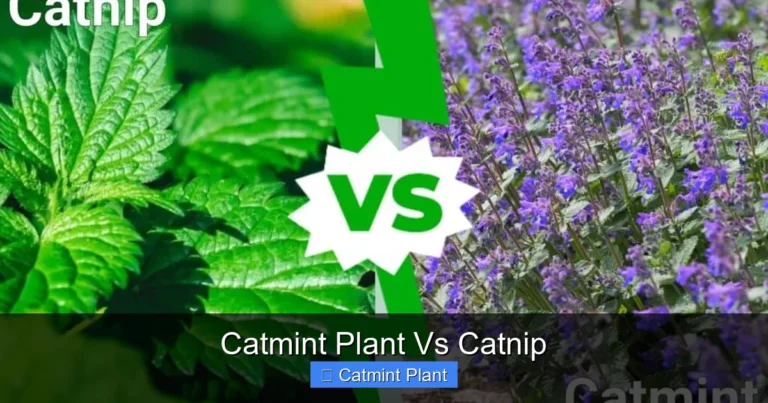
Catmint (Nepeta × faassenii) is ornamental with showy flowers; catnip (Nepeta cataria) is grown for its effect on cats and has less ornamental value.
How do I propagate catmint?
Propagate by division in spring or by softwood cuttings in early summer. Both methods root quickly in moist, well‑drained medium.
Does catmint attract beneficial insects?
Absolutely. Bees, butterflies, hoverflies, and predatory wasps visit catmint flowers, helping control garden pests naturally.