Catmint Plant Safe for Cats
Catmint is a non‑toxic herb that most cats find irresistible. It can be grown outdoors or indoors, used in toys, sprays, or fresh sprigs, and poses minimal risk when offered in moderation.
Key Takeaways
- Non‑toxic nature: The catmint plant safe for cats contains no harmful compounds for felines.
- Attracts most cats: About 70‑80 % of cats respond to its scent with playful behavior.
- Easy to grow: It thrives in sunny spots, well‑drained soil, and needs little maintenance.
- Versatile uses: Fresh leaves, dried herb, essential oil sprays, and stuffed toys all work.
- Moderation matters: Over‑exposure can cause mild stomach upset or overstimulation.
- Watch for allergies: Rarely, a cat may sneeze or develop skin irritation; discontinue if this occurs.
- Safe for kittens: Young cats can enjoy catmint once they are weaned, but start with tiny amounts.
Quick Answers to Common Questions
Is catmint the same as catnip?
They are close relatives but different species; catmint (Nepeta cataria) often appeals to a wider range of cats.
Can kittens use catmint?
Yes, once they are fully weaned around eight weeks old, a tiny pinch is safe.
How often can I give my cat catmint?
Two to three times a week is plenty; daily use can reduce the response.
Does catmint help with anxiety?
Many owners report a calming effect after the initial excitement phase.
Can I grow catmint in a pot indoors?
Absolutely; choose a deep container with drainage and place it in a sunny window.
📑 Table of Contents
Introduction
If you share your home with a curious cat, you have probably heard about catmint. This fragrant herb drives many felines into a joyful frenzy. But you might wonder, is the catmint plant safe for cats? The short answer is yes. Catmint, also known as Nepeta cataria, is non‑toxic and generally well‑tolerated. In this guide we will explore what catmint is, why cats love it, how to grow it, and the best ways to offer it safely.
We will also cover potential risks, tips for indoor use, and answer the most common questions cat owners ask. By the end you will feel confident adding a patch of catmint to your garden or a sprig to your cat’s favorite toy.
What Is Catmint?
Botanical background
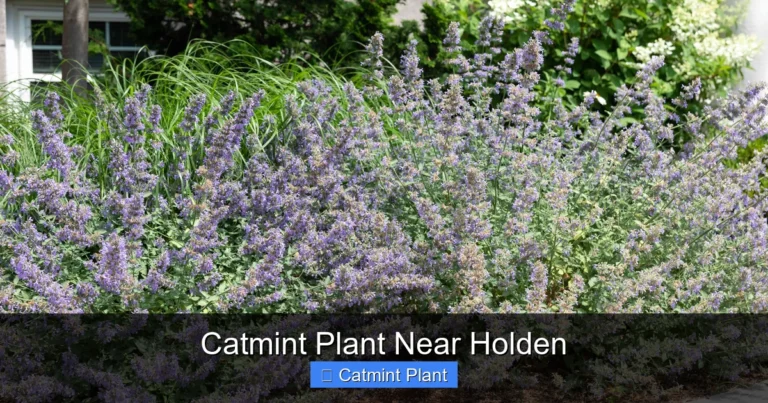
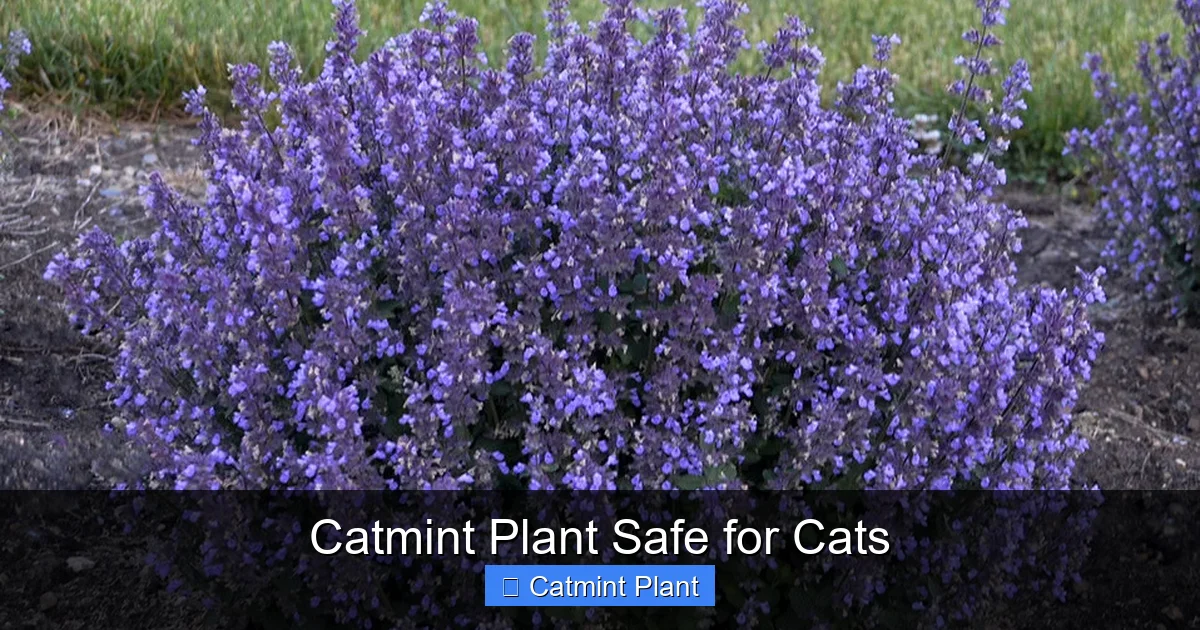
Catmint belongs to the mint family, Lamiaceae. Its scientific name is Nepeta cataria. The plant grows as a perennial herb reaching 2 to 3 feet tall. It produces soft, gray‑green leaves and spikes of tiny lavender‑blue flowers in summer. The leaves release a strong, minty aroma when brushed.
Active compounds
The magic behind the cat’s reaction lies in a volatile oil called nepetalactone. This compound mimics feline pheromones and triggers a temporary euphoric response. Unlike catnip, which is a close relative, catmint contains a slightly different ratio of nepetalactone isomers, making it appealing to a broader range of cats.
Varieties you may encounter
- Common catmint (Nepeta cataria): The classic variety used for cats.
- Catmint ‘Walker’s Low’: A compact cultivar with abundant blooms, popular in ornamental gardens.
- Catmint ‘Six Hills Giant’: Larger leaves and taller stems, great for a dedicated cat corner.
All these varieties share the same safety profile. The catmint plant safe for cats label applies across the board.
Why Cats Love Catmint
The science of the reaction
When a cat inhales nepetalactone, receptors in the olfactory epithelium send signals to the brain’s amygdala and hypothalamus. This creates a burst of playful behavior: rolling, rubbing, purring, and sometimes mild aggression. The effect usually lasts 5 to 15 minutes, after which the cat becomes temporarily immune to further stimulation for about an hour.
Genetic factors
Not every cat reacts. Sensitivity is inherited as an autosomal dominant trait. Roughly 70 to 80 percent of domestic cats show a response. Kittens under three months and senior cats may show reduced interest.
Behavioral benefits
Providing catmint can reduce stress, encourage exercise, and strengthen the human‑cat bond. Indoor cats especially benefit from the mental stimulation that a fresh sprig or a catmint‑filled toy provides.
Safety Profile: Is the Catmint Plant Safe for Cats?
Toxicity data
Extensive veterinary literature classifies catmint as non‑toxic to cats, dogs, and horses. The ASPCA lists it as safe. No lethal dose has been recorded. The primary concern is over‑consumption leading to mild gastrointestinal upset.
Potential side effects
- Vomiting or diarrhea: Rare, usually after eating large amounts of fresh leaves.
- Overstimulation: Some cats become overly aggressive or hyperactive.
- Allergic reaction: Very rare; signs include sneezing, watery eyes, or skin redness.
Guidelines for safe use
Offer catmint in controlled portions. A pinch of dried herb or a single fresh sprig per session is enough. Remove the plant after 10‑15 minutes to prevent over‑indulgence. Always supervise the first few exposures.
Special populations
- Kittens: Wait until they are fully weaned (around 8 weeks) before introducing catmint.
- Pregnant or nursing queens: No evidence of harm, but limit exposure as a precaution.
- Cats with seizure disorders: Some owners report increased seizure frequency after intense catnip or catmint sessions; consult your vet.
How to Grow Catmint in Your Garden
Choosing the right spot
Catmint loves full sun but tolerates light shade. Pick a location with at least six hours of direct sunlight. Well‑drained soil is essential; the plant dislikes soggy roots.
Soil preparation
Amend heavy clay with compost or coarse sand to improve drainage. A slightly alkaline pH (6.5‑7.5) is ideal. Test your soil if you are unsure.
Planting steps
- Dig a hole twice the width of the root ball.
- Place the plant so the crown sits level with the soil surface.
- Backfill, firm gently, and water thoroughly.
- Space plants 18‑24 inches apart to allow air flow.
Watering and feeding
Water deeply once a week during the first growing season. Established plants are drought‑tolerant. Apply a balanced slow‑release fertilizer in early spring; avoid high nitrogen which encourages leafy growth at the expense of flowers.
Pruning and maintenance
Deadhead spent flower spikes to promote a second bloom. In late fall, cut the plant back to 4‑6 inches above ground. This prevents woody stems and encourages fresh growth next spring.
Pests and diseases
Catmint is largely pest‑free. Aphids may appear on new growth; a strong spray of water or insecticidal soap handles them. Powdery mildew can develop in humid, crowded conditions; ensure good spacing and airflow.
Using Catmint Indoors: Toys, Sprays, and More
Fresh sprigs
Snip a 4‑inch stem, rinse, and let it air dry for a few minutes. Offer it directly or place it in a shallow dish. Replace daily to keep the aroma potent.
Dried catmint
Harvest leaves just before flowering. Hang small bundles upside down in a dark, ventilated area for 1‑2 weeks. Store crumbled leaves in an airtight jar. A pinch sprinkled on a scratching post or bedding works well.
Catmint‑filled toys
Purchase or sew small fabric pouches. Fill with a tablespoon of dried herb. Rotate toys weekly to maintain novelty.
Essential oil sprays
Use a cat‑safe, diluted catmint essential oil (1‑2 drops per ounce of water). Mist a blanket or cat tree. Never apply directly to the cat’s fur or skin.
Catmint tea for humans
While not for cats, a mild tea made from dried leaves can be a calming drink for you. It contains the same nepetalactone but in concentrations far too low to affect felines.
Potential Risks and How to Avoid Them
Over‑consumption
If a cat eats a large quantity of fresh leaves, mild vomiting may occur. Limit access to a single sprig per session. Store bulk herb out of reach.
Behavioral overstimulation
Some cats become aggressive toward other pets or humans after a catmint session. Provide a quiet recovery space and avoid handling until the cat calms down.
Allergic reactions
Watch for sneezing, coughing, or skin irritation during the first few exposures. Discontinue use and consult a veterinarian if symptoms persist.
Interaction with medications
There is no documented drug interaction, but if your cat is on sedatives or anti‑anxiety medication, discuss catmint use with your vet.
Environmental considerations
Catmint can spread aggressively in some climates. Plant it in containers or use a root barrier to keep it from overtaking garden beds.
Conclusion
The catmint plant safe for cats is a wonderful, low‑maintenance herb that brings joy to most felines. By understanding its effects, growing it responsibly, and offering it in moderation, you can enrich your cat’s environment safely. Whether you plant a sunny border, keep a pot on the windowsill, or stuff a toy with dried leaves, your cat will thank you with purrs, rolls, and playful antics. Remember to observe your pet’s individual response, adjust the amount accordingly, and always keep fresh water available. Happy gardening and happy cats!
Frequently Asked Questions
Is the catmint plant safe for cats with kidney disease?
There is no evidence that catmint harms kidneys, but always check with your veterinarian before introducing new herbs to a cat with a chronic condition.
Can catmint cause diarrhea?
Only if a cat eats a large amount of fresh leaves; a small sprig or pinch of dried herb rarely causes digestive upset.
How long does the catmint effect last?
The playful response typically lasts 5 to 15 minutes, followed by a refractory period of about an hour.
Should I remove catmint after my cat finishes playing?
Yes, removing the herb prevents over‑consumption and keeps the novelty fresh for the next session.
Can I use catmint essential oil directly on my cat?
No, essential oils are too concentrated; always dilute heavily and use only as a room spray, never on fur or skin.
Will catmint attract stray cats to my yard?
It can; the strong aroma may draw neighborhood cats, so consider planting it in a contained area if this is a concern.