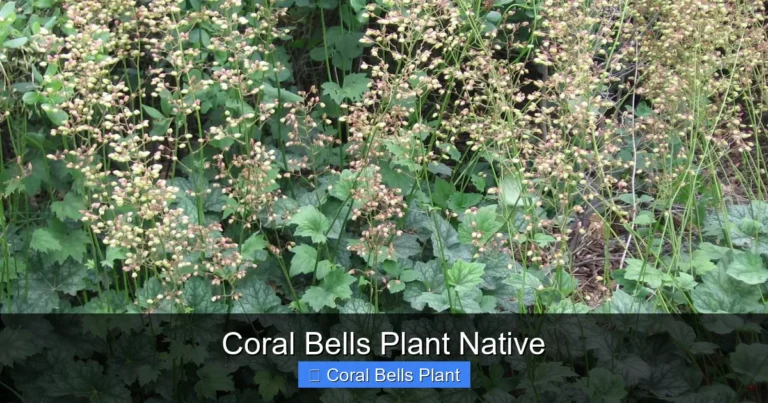
Lowes Coral Bell Plants
Lowes coral bell plants offer stunning foliage colors from deep purple to bright lime green, making them perfect for shade gardens and containers. These hardy perennials thrive in zones 4-9 with minimal maintenance and provide year-round visual interest.
Walking through the garden center at Lowes, you cannot miss the coral bell section. Those ruffled leaves in shades of burgundy, caramel, silver, and electric green catch your eye immediately. Lowes coral bell plants have become a go-to choice for gardeners who want reliable color without constant fuss. I remember my first trip to the perennial aisle feeling overwhelmed by all the options. Palace Purple looked sophisticated. Caramel promised warm tones. Lime Rickey practically glowed. The good news? You really cannot go wrong with any of them.
These plants, botanically known as Heuchera, are native to North America. That means they already know how to handle our weather. They have adapted over centuries to thrive in woodland settings, which explains why they handle shade so beautifully. When you buy Lowes coral bell plants, you are getting varieties bred for better color, stronger vigor, and improved disease resistance. The breeding work done over the last few decades has transformed these from humble wildflowers into garden superstars.
Key Takeaways
- Wide variety available: Lowes carries multiple Heuchera cultivars including Palace Purple, Caramel, and Lime Rickey for diverse color options
- Shade tolerant champions: These plants excel in partial to full shade where other perennials struggle to survive
- Year-round foliage: Evergreen in mild climates, coral bells keep their colorful leaves through winter in zones 6-9
- Low maintenance care: Once established, they need only occasional watering, annual fertilizing, and division every 3-4 years
- Perfect for containers: Compact growth habit makes them ideal for patio pots, window boxes, and mixed planters
- Pollinator friendly: Delicate bell-shaped flowers attract hummingbirds and bees during late spring to early summer
- Deer and rabbit resistant: Fuzzy foliage texture naturally deters common garden pests without chemicals
Quick Answers to Common Questions
What are the best coral bell varieties for full shade?
Lime Rickey, Caramel, and Palace Purple perform exceptionally well in full shade conditions. Lime Rickey maintains its bright chartreuse color without scorching, while Caramel keeps its warm peachy tones. Palace Purple develops its deepest color in shade.
How often should I water newly planted coral bells from Lowes?
Water deeply two to three times per week for the first month, then weekly through the first growing season. Check soil moisture two inches down. If dry at that depth, water. Established plants need supplemental water only during extended dry spells.
Can coral bells grow in full sun?
In northern zones (4-6), coral bells can tolerate full sun if soil stays consistently moist. In southern zones (7-9), afternoon shade is essential. Dark-leaved varieties like Palace Purple handle more sun than light-leaved varieties like Lime Rickey.
When is the best time to divide coral bells?
Early spring, just as new growth emerges, is the ideal time to divide coral bells. The plants recover quickly and have the full growing season to establish. Divide every three to four years when the center becomes woody and less vigorous.
Why are my coral bell leaves turning brown and crispy?
Brown crispy edges usually indicate too much afternoon sun or insufficient water. Check if the plant receives hot afternoon sun. Increase watering during heat waves. Trim damaged leaves. Consider transplanting to a shadier location in fall.
📑 Table of Contents
- Understanding Coral Bell Varieties at Lowes
- Choosing the Right Spot for Your Coral Bells
- Planting and Establishment Care
- Ongoing Maintenance Through the Seasons
- Designing with Coral Bells in Your Landscape
- Troubleshooting Common Issues
- Buying Guide for Lowes Coral Bell Plants
- Advanced Tips for Coral Bell Enthusiasts
- Regional Growing Considerations
- Conclusion
Understanding Coral Bell Varieties at Lowes
Classic Favorites That Never Disappoint
Palace Purple remains the variety most people recognize. Its deep mahogany leaves with purple undersides create drama in any planting. This cultivar won the Perennial Plant of the Year award back in 1991, and it still holds its own against newer introductions. The leaves emerge bronze-green in spring before deepening to that signature rich purple. It handles more sun than many other varieties, making it versatile for different garden spots.
Caramel brings a completely different mood. The leaves start amber-gold and mature to a soft peachy-orange that reminds me of autumn afternoons. This variety has excellent heat tolerance, which matters if you garden in the South. The foliage stays clean looking through summer humidity when some other cultivars might struggle. It pairs beautifully with blue hostas or purple flowering plants.
Modern Introductions Worth Trying
Lime Rickey changed the game for chartreuse foliage. The ruffled leaves are intensely bright, almost glowing in shady corners. This variety keeps its color all season without scorching, which is rare for yellow-green plants. It forms a tight mound about twelve inches tall and wide, perfect for edging pathways or tucking into mixed containers.
Forever Purple lives up to its name. The ultra-glossy, deeply lobed leaves maintain rich purple color from spring through frost. Unlike some purple varieties that fade to greenish tones in summer heat, this one holds strong. It also produces lovely pink flowers on dark stems, giving you two seasons of interest.
Specialty Series to Watch For
The Dolce series from Proven Winners shows up regularly at Lowes. These are bred specifically for container performance and landscape durability. Dolce Apple Twist has chartreuse leaves with red veining that intensifies in cool weather. Dolce Blackberry Ice features purple-black leaves with silver overlay. The series shares compact habits and excellent crown rot resistance.
Primo series varieties grow larger and more vigorous. Black Pearl forms a substantial clump up to twenty inches across with jet black foliage. Wild Rose has rosy purple leaves with charcoal veining and produces masses of pink flowers. These make bold specimen plants or anchors in mixed borders.
Choosing the Right Spot for Your Coral Bells
Light Requirements Decoded
Most Lowes coral bell plants prefer morning sun with afternoon shade. This mimics their native woodland habitat where they grow under deciduous trees. In northern zones (4-6), they can handle more sun, even full sun if soil stays consistently moist. In southern zones (7-9), afternoon shade becomes essential to prevent leaf scorch and color fading.
Watch your proposed planting spot for a full day before deciding. Note when direct sun hits and for how long. Dappled shade under high-branched trees works beautifully. The north side of a structure often provides ideal bright shade. Avoid deep, dark shade under dense evergreens where nothing thrives.
Soil Preparation Makes All the Difference
Coral bells demand excellent drainage. They will rot quickly in heavy clay that stays soggy. Before planting, amend your soil generously with compost, leaf mold, or aged pine bark. Aim for a light, crumbly texture that holds moisture but drains freely. A soil test helps, but these plants generally prefer slightly acidic to neutral pH (6.0-7.0).
If your soil is stubborn clay, consider raised beds or berms. Mounding the planting area six to eight inches above grade dramatically improves drainage. This technique also showcases the foliage better. For container planting, use high-quality potting mix with added perlite or coarse sand. Never use garden soil in pots. It compacts and suffocates roots.
Spacing for Long-Term Success
Check the plant tag for mature width, then space accordingly. Most varieties need twelve to eighteen inches between centers. Crowding leads to poor air circulation, which invites fungal issues. It also makes division harder later. If you want faster fill-in for a display bed, you can plant slightly closer and plan to divide sooner.
Consider the viewing angle too. Plant where you will see the foliage up close. Along pathways, at the front of borders, around patio edges. The intricate leaf patterns and colors reward close inspection. They get lost in the back of deep borders unless you have a viewing path.
Planting and Establishment Care
Timing Your Planting
Spring and fall are both excellent for planting Lowes coral bell plants. Spring planting gives roots all season to establish before winter. Fall planting takes advantage of cooler temperatures and usually more reliable rainfall. Avoid summer planting unless you can commit to daily watering during heat waves. In zones 7-9, fall is actually preferred because roots grow through mild winters.
If you buy plants in summer, keep them in their pots in a shaded spot until fall. Water daily. They will be fine for weeks this way. Just do not let them dry out completely. The nursery pots dry much faster than garden soil.
Step-by-Step Planting Process
Dig a hole twice as wide as the root ball but no deeper. You want the crown (where stems meet roots) to sit slightly above soil level. This prevents crown rot, the number one killer of coral bells. Gently loosen any circling roots. Place the plant, backfill with amended soil, and firm gently. Water thoroughly to settle soil and eliminate air pockets.
Apply a two-inch layer of shredded bark, pine straw, or leaf mulch. Keep mulch pulled back from the crown by an inch. This prevents moisture buildup at the base. Mulch conserves moisture, suppresses weeds, and slowly improves soil as it breaks down. Replenish annually.
First Season Watering Schedule
New plants need consistent moisture. Water deeply two to three times per week for the first month, then weekly through the first growing season. Adjust for rainfall. The goal is evenly moist soil, not soggy. Stick your finger two inches into soil near the plant. If dry at that depth, water.
Morning watering is best. It allows foliage to dry before evening, reducing disease risk. Soaker hoses or drip irrigation keep water off leaves entirely. If you must use overhead sprinklers, run them early so sun dries leaves quickly.
Ongoing Maintenance Through the Seasons
Spring Cleanup and Feeding
In early spring, remove any winter-damaged leaves. Cut them at the base with clean scissors. Do not pull. Pulling can damage the crown. You will see fresh growth emerging from the center. This is also the time to apply a balanced slow-release fertilizer. A 10-10-10 or similar formulation works well. Scatter according to package directions around the drip line, not on the crown.
If plants have heaved out of the ground from freeze-thaw cycles (common in zones 4-6), gently press them back down. Add a little soil around exposed roots. Heaving damages roots and exposes crowns to drying wind.
Summer Care During Heat
Established coral bells are surprisingly drought tolerant. Their thick, somewhat fuzzy leaves reduce water loss. However, they look best with supplemental water during extended dry spells. Watch for leaves that go limp or develop crispy edges. That signals stress.
Deadhead spent flower stalks to redirect energy to foliage. Cut stalks at the base. Some gardeners remove flower stalks before they bloom, preferring the foliage show. This is personal preference. The flowers are delicate and charming, attracting hummingbirds. But they are not the main attraction.
Fall Preparation for Winter
Stop fertilizing by late summer. You do not want tender new growth heading into winter. Leave foliage in place through fall and winter. The leaves protect the crown and provide winter interest. In spring, you will remove the old leaves anyway.
Apply a fresh layer of mulch after the ground freezes in cold zones. This prevents heaving. Use evergreen boughs or straw for extra protection in zone 4. Remove winter protection gradually in spring as temperatures moderate.
Division Keeps Plants Vigorous
Every three to four years, coral bells benefit from division. The center of the clump becomes woody and less productive. Spring is the ideal time, just as new growth starts. Dig the entire clump. Wash or shake off soil to see the structure. You will see multiple crowns connected by woody rhizomes.
Pull or cut apart into sections, each with several healthy leaves and roots. Discard the woody center. Replant divisions at the same depth, water well, and mulch. They may look a bit sad for a week but recover quickly. Division also gives you free plants to expand your garden or share.
Designing with Coral Bells in Your Landscape
Shade Garden Combinations
Lowes coral bell plants shine in shade gardens where flowers are scarce. Pair them with hostas for contrasting leaf shapes. The broad, smooth hosta leaves make coral bell ruffles pop. Choose hostas with blue or gold foliage to complement your coral bell colors. Palace Purple with Blue Angel hosta is a classic combo.
Ferns add delicate texture. Japanese painted fern with its silver and burgundy fronds echoes coral bell colors beautifully. Autumn fern provides coppery new growth that harmonizes with Caramel or Peach Flambe varieties. Plant in drifts of three to five for naturalistic effect.
Add spring bulbs for early color. Snowdrops, crocus, and species tulips bloom before coral bells fully leaf out. By the time bulb foliage yellows, coral bells cover it. This extends the season of interest in the same space.
Container Recipes for Patio Impact
Coral bells are container superstars. Their mounding habit stays neat all season. For a shade container, try Lime Rickey as the centerpiece, surrounded by trailing variegated ivy and white impatiens. The chartreuse foliage brightens the whole arrangement.
For sun containers in cooler zones, use Palace Purple with purple fountain grass and orange calibrachoa. The grass adds movement. The calibrachoa echoes the purple tones. All three tolerate similar conditions.
Monochromatic containers work too. Plant three different purple varieties together. Black Pearl, Forever Purple, and Palace Purple create subtle variation in texture and shade. Add a silver accent like dusty miller or lambs ear for contrast.
Border and Edging Applications
Use coral bells to define pathways. Their evergreen foliage (in mild winters) keeps edges looking crisp year-round. Space plants twelve inches apart for a continuous line. The ruffled leaves soften hard hardscape edges beautifully.
In mixed borders, plant in groups of odd numbers (3, 5, 7) for natural rhythm. Repeat the same variety at intervals along the border to create cohesion. This technique, called rhythm and repetition, makes designed gardens feel intentional rather than random.
Underplant roses or hydrangeas with coral bells. They cover the bare legs of woody shrubs and suppress weeds. The shallow roots do not compete aggressively with deeper-rooted shrubs. Just ensure the shrubs cast appropriate shade.
Troubleshooting Common Issues
Crown Rot Prevention and Treatment
Crown rot is the most serious threat. It shows as blackened, mushy crown tissue and wilting leaves that do not recover after watering. Prevention is everything. Plant high. Ensure excellent drainage. Never mulch over the crown. Water at soil level, not overhead.
If you catch it early, you might save the plant. Dig it up. Wash all soil off roots. Cut away all rotted tissue with sterilized tools until only healthy white tissue remains. Dust with fungicide powder. Replant in fresh, well-draining soil in a new location. It is a long shot but worth trying for prized varieties.
Leaf Scorch and Color Fading
Brown, crispy leaf edges indicate too much sun or not enough water. Afternoon sun is the usual culprit. If the plant is otherwise healthy, it will push fresh leaves when conditions improve. You can trim scorched leaves for appearance. Consider transplanting to a shadier spot in fall.
Color fading (purple turning greenish, chartreuse turning yellow) also signals excess sun. Some varieties are more sun-tolerant than others. Research your specific cultivar. In general, darker leaves handle more sun. Lighter leaves need more shade.
Pest Problems Rare but Possible
Deer and rabbits typically avoid coral bells due to fuzzy, astringent foliage. But hungry animals eat anything. If browsing occurs, apply repellent spray. Reapply after rain. Fencing works best for persistent pressure.
Vine weevil larvae sometimes feed on roots. Adults notch leaf edges at night. Beneficial nematodes applied to soil in spring control larvae. Sticky traps catch adults. Healthy plants usually outgrow minor damage.
Foliar nematodes cause angular brown spots between leaf veins. They spread via water splash. Remove affected leaves. Avoid overhead watering. Space plants for air circulation. There is no chemical cure for home gardeners.
Fungal Diseases in Humid Conditions
Powdery mildew appears as white dusty coating on leaves. It thrives in humid, still air with cool nights. Improve air circulation by thinning nearby plants. Water at soil level. Remove severely affected leaves. Horticultural oil or neem oil helps if applied early.
Rust shows as orange pustules on leaf undersides. Same cultural controls apply. Choose resistant varieties if rust is chronic in your area. The Dolce series has good rust resistance bred in.
Buying Guide for Lowes Coral Bell Plants
What to Look for in the Garden Center
Healthy plants have firm, turgid leaves with no yellowing or brown edges. Check the crown area. It should be clean, not buried in soil or mulch. Gently lift the pot. Roots should be white or light tan, not circling densely or brown and mushy. Avoid plants with weeds growing in the pot. That indicates neglected stock.
Look for multiple crowns emerging. A single crown plant will take longer to fill out. Two to three crowns in a quart pot is ideal. Four-inch pots are fine for patient gardeners. Gallon pots give instant impact but cost more.
Reading Plant Tags Correctly
Tags list mature height and width. Believe the width. Height includes flower stalks. Foliage mound is usually half the listed height. Tags also indicate hardiness zones. Lowes stocks varieties appropriate for your region, but double-check if you are near a zone boundary.
Sun exposure recommendations on tags are general. “Part shade” at Lowes means morning sun, afternoon shade. “Full shade” means bright indirect light or dappled shade all day. No coral bell thrives in deep dark shade.
Timing Your Purchase for Best Selection
Spring brings the widest selection. New shipments arrive weekly from March through May. Popular varieties sell fast. If you want specific cultivars, shop early. Fall offers another good selection window, often at clearance prices. Plants may look tired but will bounce back next spring.
Summer selection dwindles. What remains has been in pots for months. These need immediate planting and extra care. Winter selection is minimal in cold zones. In warm zones, Lowes may carry coral bells year-round.
Online Ordering vs. In-Store Shopping
Lowes.com shows local store inventory. You can check availability before driving. Online ordering for pickup saves time. Shipping live plants is risky in extreme temperatures. Lowes ships from regional nurseries, which helps. But nothing beats selecting your own plants.
If you order online, open the box immediately upon arrival. Water if dry. Plant within a day or two. Contact customer service promptly if plants arrive damaged. Lowes has a good plant guarantee policy.
Advanced Tips for Coral Bell Enthusiasts
Creating a Collector’s Garden
Once you grow a few varieties, you may want more. There are hundreds of named cultivars. Start a collection by choosing a theme. All purple varieties. All ruffled varieties. All varieties with red flowers. This gives your garden cohesion while satisfying the collector urge.
Label your plants. Use permanent markers on metal tags or write on the pot bottom before planting. Memory fails. Labels help you track performance and share divisions accurately. Take photos through the seasons. You will appreciate the record later.
Propagation Beyond Division
Leaf cuttings work for some varieties. Select a healthy leaf with a short petiole (leaf stem). Dip in rooting hormone. Stick in moist perlite. Cover with a plastic bag. Place in bright shade. Roots form in four to six weeks. Success rates vary by cultivar.
Seed propagation is possible but seedlings will not match the parent. Heuchera hybridizes readily. You might get something amazing. Or something muddy. If you want exact clones, stick with division or tissue culture (lab only).
Using Coral Bells in Cut Arrangements
Foliage lasts two weeks in water. Cut stems early morning. Place immediately in cool water. Use in mixed bouquets or alone in bud vases. The ruffled leaves add texture professional florists value. Flower stems are delicate but charming in small arrangements.
For winter arrangements, combine evergreen coral bell foliage with holly, pine, and berries. The purple and silver varieties look particularly festive. Spray with anti-desiccant for longer indoor life.
Regional Growing Considerations
Northern Gardens (Zones 3-5)
In cold zones, winter protection is crucial. Mulch heavily after ground freezes. Use straw, evergreen boughs, or shredded leaves. Six to eight inches is not too much. Remove gradually in spring. Snow cover is the best insulator. If reliable snow is lacking, mulch is essential.
Choose varieties rated for your zone. Some newer introductions are less hardy. Palace Purple, Purple Palace, and the Northern Exposure series are bred for cold tolerance. Avoid varieties only rated to zone 6 if you are in zone 4.
Spring heaving is common. Check plants monthly during winter thaws. Press any lifted plants back down. Add soil around exposed crowns. This simple habit saves many plants.
Southern Gardens (Zones 8-10)
Heat and humidity challenge coral bells in the deep South. Choose heat-tolerant varieties. The Dolce series, Caramel, Citronelle, and Electric Lime perform well. Provide consistent moisture. Afternoon shade is non-negotiable.
Fungal issues increase with humidity. Space plants generously. Water at soil level only. Morning watering allows foliage to dry. Consider preventative copper fungicide sprays during extended wet periods.
In zone 9-10, coral bells may stay evergreen year-round. They can bloom sporadically through winter. Treat them as cool-season perennials. They may decline in peak summer heat but recover in fall.
Western Gardens (Arid and Coastal)
Arid regions need amended soil and regular irrigation. Mulch heavily to conserve moisture. Afternoon shade is critical. Varieties with thicker, fuzzier leaves handle dry air better. Look for villosa species hybrids.
Coastal gardens with salt spray need tolerant varieties. Heuchera villosa and its hybrids handle salt better than sanguinea types. Rinse foliage occasionally with fresh water to remove salt buildup.
Conclusion
Adding Lowes coral bell plants to your garden is one of the smartest moves you can make for reliable, low-maintenance color. These North American natives have been transformed through breeding into an incredible palette of foliage colors and forms. Whether you have a shady courtyard, a woodland border, or a collection of patio containers, there is a coral bell variety that will thrive.
The key to success is simple: give them well-draining soil, appropriate shade for your climate, and plant them high to protect the crown. Once established, they ask for little and give back months of stunning foliage. The delicate flowers are a bonus that brings hummingbirds to your garden.
Start with one or two varieties that catch your eye. Palace Purple for classic elegance. Lime Rickey for electric brightness. Caramel for warm sophistication. Watch how they perform in your specific conditions. Then expand. Before you know it, you will be the neighbor with the enviable shade garden, sharing divisions and advice with everyone who asks.
Your local Lowes garden center has knowledgeable associates who can help you choose the best varieties for your zone and conditions. Bring photos of your planting site. Note your light patterns. The right plant in the right place is the oldest gardening secret, and coral bells prove it every season.
Frequently Asked Questions
Are Lowes coral bell plants deer resistant?
Yes, coral bells are generally deer and rabbit resistant due to their fuzzy, astringent foliage. However, very hungry animals may still browse them. Apply repellent sprays if you experience persistent deer pressure in your area.
Do coral bells come back every year?
Coral bells are hardy perennials that return reliably in zones 4-9. They are evergreen in mild winter zones (6-9) and herbaceous in colder zones, dying back to the crown and re-emerging in spring. Proper winter mulching ensures survival in zone 4.
How big do coral bells get?
Most coral bell varieties form mounds 12-18 inches wide and 8-12 inches tall (foliage only). Flower stalks can reach 18-24 inches. Primo series varieties grow larger, up to 20-24 inches wide. Space plants according to mature width on the tag.
Can I grow coral bells in containers?
Coral bells are excellent container plants. Their compact, mounding habit stays neat all season. Use high-quality potting mix with added perlite for drainage. Ensure pots have drainage holes. Water when the top inch of soil feels dry. Fertilize monthly with diluted liquid fertilizer.
What plants pair well with coral bells?
Hostas, ferns, astilbe, brunnera, and spring bulbs make ideal companions in shade gardens. For containers, pair with trailing ivy, impatiens, or calibrachoa. Underplant roses or hydrangeas. The key is choosing plants with similar light and moisture needs.
How do I prevent crown rot in coral bells?
Plant with the crown slightly above soil level. Ensure excellent drainage by amending soil with compost. Never mulch over the crown. Water at soil level, not overhead. Avoid heavy clay soils without significant amendment. These practices prevent the number one killer of coral bells.