Can Creeping Jenny and Coral Bells Be Planted Together
Creeping jenny and coral bells can share a garden bed when their light, soil, and moisture needs align. Both prefer partial shade and well‑drained soil, making them compatible companions. Proper spacing and seasonal care keep the pairing healthy and visually striking.
Key Takeaways
- Shared light needs: Both plants thrive in partial shade to dappled sunlight.
- Soil preference: Well‑drained, moderately moist soil suits each species.
- Spacing matters: Give creeping jenny room to spread without smothering coral bells.
- Seasonal watering: Adjust irrigation as temperatures change to avoid root rot.
- Design synergy: Contrasting foliage colors create year‑round interest.
- Pest vigilance: Monitor for slugs on creeping jenny and aphids on coral bells.
- Winter protection: Mulch both plants in colder zones for added insulation.
Quick Answers to Common Questions
Can creeping jenny overtake coral bells?
Yes, if left untrimmed, creeping jenny’s rapid spread can smother the crown of coral bells. Regular edging and a buffer zone prevent this.
What light conditions suit both plants?
Partial shade with morning sun and afternoon shade works best for both creeping jenny and coral bells.
How often should I water the pair?
Water deeply once a week during dry periods; increase frequency in extreme heat.
Do they need fertilizer?
A slow‑release balanced fertilizer in spring benefits coral bells; creeping jenny usually thrives on compost alone.
Are they deer resistant?
Coral bells are moderately deer resistant; creeping jenny is less so and may be browsed.
📑 Table of Contents
Introduction
Gardeners often ask, can creeping jenny and coral bells be planted together? The short answer is yes, but success depends on understanding each plant’s habits. Creeping jenny (Lysimachia nummularia) is a low‑growing ground cover that spreads quickly. Coral bells (Heuchera) are prized for their colorful, ruffled foliage and modest flower spikes. When placed side by side, they can create a tapestry of texture and hue that lasts through the seasons.
In this guide we explore the growing requirements of both plants, examine where their needs overlap, and share practical planting strategies. You will learn how to space them, prepare the soil, manage water, and handle common pests. By the end, you will feel confident designing a bed where creeping jenny and coral bells thrive together.
Understanding Creeping Jenny
Growth habit
Creeping jenny forms a dense mat of round, bright green leaves. In summer it produces small, cup‑shaped yellow flowers. The stems root at nodes, allowing the plant to spread up to 18 inches per year. This vigorous habit makes it an excellent ground cover but also a potential aggressor if not managed.

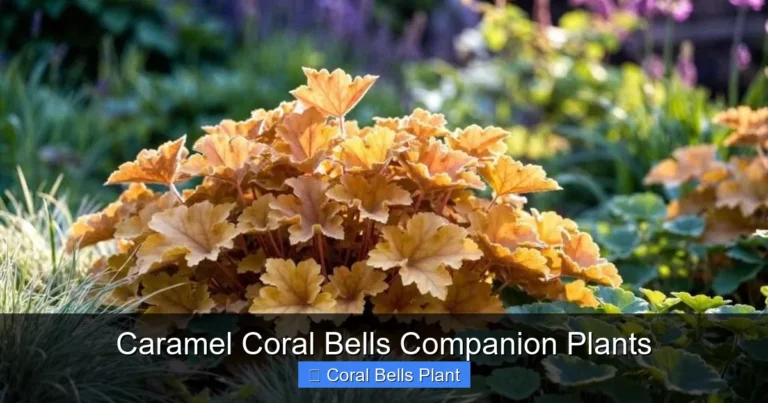
Visual guide about Can Creeping Jenny and Coral Bells Be Planted Together
Image source: outdoorhappens.com
Light and soil needs
It prefers partial shade but tolerates full sun in cooler climates. The ideal soil is moist, rich in organic matter, and well‑drained. Heavy clay that stays soggy can cause root rot, while extremely dry sand will stunt its spread.
Maintenance
Regular trimming keeps the mat tidy and prevents it from overtaking neighboring plants. A light shear after flowering encourages fresh growth. In early spring, remove any dead foliage to improve air circulation.
Getting to Know Coral Bells
Foliage variety
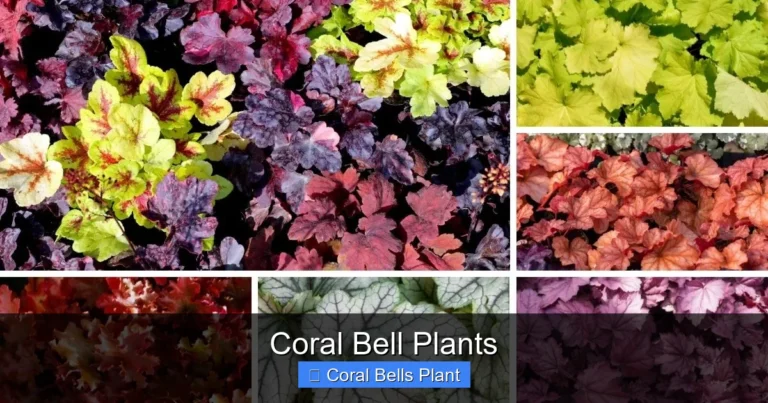
Coral bells come in a rainbow of leaf colors: deep burgundy, lime green, silver, peach, and near‑black. The leaves are lobed and often have a metallic sheen. In late spring to early summer, slender flower stalks rise above the foliage, bearing tiny bell‑shaped blooms that attract pollinators.
Light and soil preferences
Heuchera thrives in partial shade, especially where morning sun and afternoon shade meet. It needs well‑drained soil enriched with compost. Consistent moisture is important, but the crown must never sit in water.
Watering and care
Water deeply once a week during dry spells. Mulch around the base to retain moisture and keep roots cool. Divide clumps every three to four years to maintain vigor and prevent center die‑back.
Compatibility Overview
Overlapping requirements
Both plants enjoy partial shade and moist, well‑drained soil. This common ground makes can creeping jenny and coral bells be planted together a realistic goal. They also share a preference for slightly acidic to neutral pH (6.0–7.0). When these conditions are met, each plant can access the resources it needs without fierce competition.
Potential conflicts
The main risk is creeping jenny’s rapid spread. If left unchecked, it can smother the crown of coral bells, reducing air flow and inviting fungal issues. Additionally, creeping jenny’s shallow roots may compete for surface moisture during hot spells.
Design benefits
When managed, the pairing offers striking contrast. The bright green carpet of creeping jenny highlights the dramatic foliage of coral bells. In winter, many Heuchera cultivars retain color, while creeping jenny stays evergreen in mild zones, providing year‑round interest.
Planting Strategies for Success
Spacing and layout
Plant coral bells first, spacing them 12 to 18 inches apart according to the mature width of the cultivar. Then tuck creeping jenny plugs or divisions around the base, leaving a 6‑inch buffer zone around each Heuchera crown. This buffer prevents the ground cover from directly contacting the coral bells’ stems.
Soil preparation
Amend the planting area with 2 to 3 inches of compost. Work it into the top 8 inches of soil to improve drainage and fertility. If the native soil is heavy clay, add coarse sand or fine bark to increase porosity.
Mulching and watering schedule
Apply a 2‑inch layer of shredded leaf mulch after planting. Mulch conserves moisture, suppresses weeds, and slowly feeds the soil. Water thoroughly at planting, then follow a schedule: deep soak twice a week for the first month, then weekly unless rainfall exceeds 1 inch.
Seasonal Care and Maintenance
Spring tasks
Remove winter mulch and any dead foliage. Lightly shear creeping jenny to encourage fresh runners. Apply a balanced slow‑release fertilizer (10‑10‑10) around coral bells, keeping granules away from the crown.
Summer heat management
During heat waves, increase watering frequency for both plants. Consider a temporary shade cloth for coral bells if afternoon sun becomes intense. Trim any creeping jenny runners that encroach on the Heuchera crown.
Fall cleanup
Cut back spent flower stalks on coral bells. Rake away fallen leaves to reduce disease pressure. Add a fresh layer of mulch to protect roots over winter.
Winter protection
In zones 4–6, apply a 3‑inch mulch blanket after the ground freezes. In milder zones, a lighter mulch suffices. Avoid piling mulch directly against the coral bells’ crown to prevent rot.
Common Problems and Solutions
Pests
Slugs and snails love the tender leaves of creeping jenny. Use beer traps or copper tape around the bed. Coral bells may attract aphids on new growth; a strong spray of water or insecticidal soap controls them.
Diseases
Powdery mildew can appear on Heuchera in humid, poorly ventilated conditions. Ensure adequate spacing and avoid overhead watering. Creeping jenny may develop leaf spot if kept too wet; improve drainage and remove affected foliage promptly.
Competition for nutrients
If creeping jenny becomes overly dominant, it can deplete nitrogen. Apply a light side‑dressing of compost or a nitrogen‑rich organic fertilizer in early summer to support both plants.
Conclusion
Pairing creeping jenny with coral bells is a rewarding garden design choice when you respect each plant’s habits. By providing partial shade, well‑drained soil, and thoughtful spacing, you create a living mosaic that shines from spring through winter. Regular maintenance—trimming runners, monitoring moisture, and seasonal mulching—keeps the partnership balanced. Now that you know can creeping jenny and coral bells be planted together successfully, you can confidently plan a bed that delivers color, texture, and low‑maintenance beauty for years to come.
Frequently Asked Questions
Can creeping jenny and coral bells be planted together in full sun?
Full sun is tolerated only in cool climates; in most regions, partial shade is safer for both plants.
What soil pH is ideal for this combination?
A slightly acidic to neutral pH of 6.0 to 7.0 supports healthy growth for both species.
How far apart should I space coral bells when planting with creeping jenny?
Space coral bells 12 to 18 inches apart, then plant creeping jenny around them leaving a 6‑inch gap.
Will creeping jenny choke out coral bells in winter?
In mild winters creeping jenny stays evergreen and can crowd coral bells; a winter mulch barrier helps.
Can I divide both plants at the same time?
Yes, early spring is a good time to divide coral bells and thin creeping jenny runners simultaneously.
What mulch works best for this pairing?
Shredded leaf mulch or pine bark fines retain moisture, suppress weeds, and break down to enrich the soil.