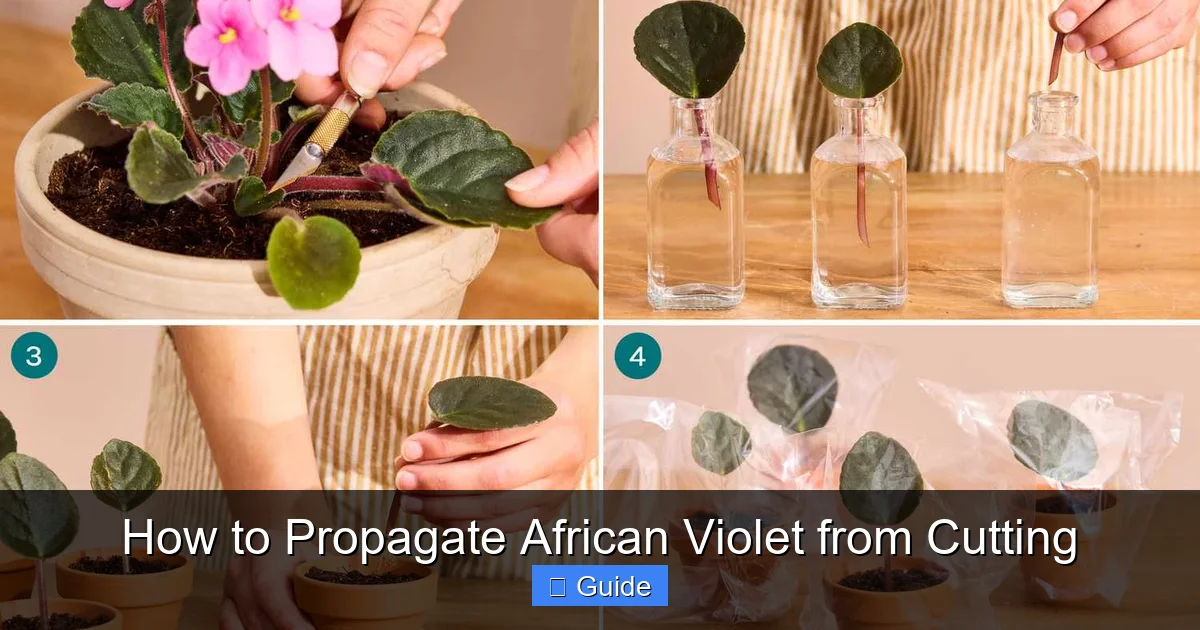
How to Propagate African Violet from Cutting
African violets are easy to multiply from leaf cuttings. With a clean cut, a little water or soil, and patience you will have new plants in weeks.
Welcome to the guide on how to propagate african violet from cutting. This guide will walk you through each step in simple language. You will learn why propagation works and how to get the best results.
African violets are popular houseplants because they bloom year round. Propagating them lets you share plants with friends or expand your collection. The process is straightforward and rewarding.
Key Takeaways
- Choose a healthy leaf: Pick a mature leaf with a short stem for the best chance of rooting.
- Use clean tools: Sterilize scissors or a knife to avoid disease.
- Root in water or soil: Both methods work; water lets you see roots, soil gives a quicker transition.
- Provide bright indirect light: Too much sun burns the cutting; too little slows growth.
- Keep humidity high: A plastic bag or dome helps maintain moisture.
- Transplant when roots are an inch long: Move the plantlet to its own pot with African violet mix.
Quick Answers to Common Questions
What is the best leaf to use for propagation?
Choose a mature, healthy leaf from the middle of the rosette with a short petiole.
Can I propagate African violets in water?
Yes, water propagation works well and lets you see root development.
How long does it take for roots to appear?
Roots usually appear in two to three weeks in water and about three weeks in soil.
Do I need root>Do I need rooting hormone?
Rooting hormone is optional; many cuttings root fine without it.
When should I transplant the new plantlet?
Transplant when roots are at least one inch long.
📑 Table of Contents
Why Propagate African Violets
Benefits of Propagation
When you know how to propagate african violet from cutting you gain free plants. You can keep a favorite variety alive for years. Propagation also saves money compared to buying new plants. It is a fun project for all skill levels.
Many growers enjoy the satisfaction of watching a leaf turn into a full plant. The process teaches patience and observation. You also create a backup in case the mother plant fails.
When to Propagate
The best time is spring or early summer. The plant is actively growing then. Warm temperatures speed up root formation. Avoid propagating in the dead of winter.
If you propagate in fall, keep the cutting warm indoors. A heat mat can help. Consistent warmth improves success rates.
Common Myths
Some people think you need special hormones. In reality a clean cut and proper moisture are enough. Others believe only certain varieties root. Most African violets root easily from leaf cuttings.
Do not be discouraged by early failures. Each attempt teaches you something new.
Propagation vs Buying
How to propagate african violet from cutting gives you control over plant health. Buying new plants can bring pests or disease. Home propagation ensures a clean start. You also save money over time.
When you propagate you can select the exact variety you love. Nurseries may not carry rare cultivars. Your own cuttings preserve unique traits.
Long Term Benefits
How to propagate african violet from cutting builds a personal library of plants. You can share extras with friends or trade. A growing collection adds beauty to any room. The skill stays useful for many years.
Each successful propagation boosts confidence. You learn to read plant signals. This knowledge helps with other houseplants too.
Choosing the Right Cutting
Leaf Selection
Select a healthy leaf from the middle of the rosette. A leaf with a short petiole works best. Avoid leaves that are yellow, spotted, or damaged. The cutting should be about two inches long.
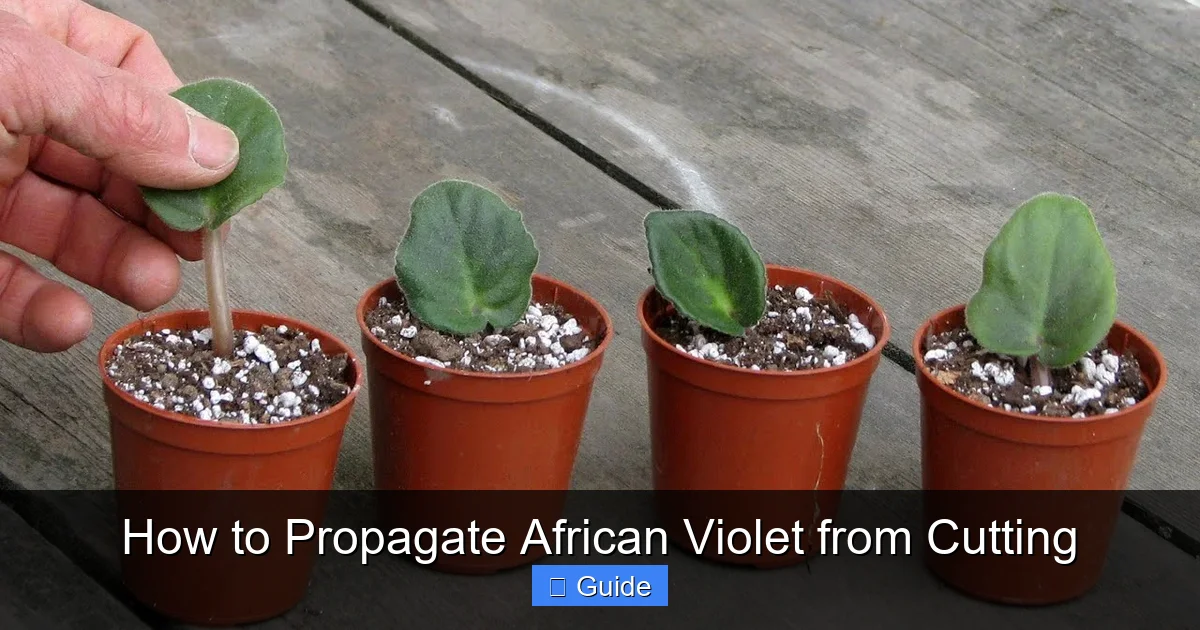
Visual guide about How to Propagate African Violet from Cutting
Image source: i.ytimg.com
Choose a leaf that is fully mature but not old. Young leaves may not have enough stored energy. Old leaves may be too woody.
Cutting Technique
Cut the leaf with a clean sharp blade. Make the cut just below the leaf base. This gives a fresh surface for roots. Remember how to propagate african violet from cutting starts with a good cut.
Use a sterile knife or scissors. Wipe the blade with rubbing alcohol before each cut. A clean cut reduces the chance of rot.
Preparing the Petiole
Trim the petiole to about one inch. Remove any excess tissue. A shorter stem fits easily in water or soil. It also reduces the risk of fungal infection.
Some growers dip the cut end in cinnamon. Cinnamon acts as a natural antifungal. This step is optional but helpful.
Leaf Age Matters
How to propagate african violet from cutting works best with leaves that are three to six months old. Very young leaves lack reserves. Very old leaves may be too tough to root.
Check the leaf texture. It should feel firm but flexible. A good leaf bends slightly without snapping.
Using a Leaf with a Node
How to propagate african violet from cutting can use a leaf that includes a node. The node holds dormant buds. These buds can become new shoots. This method often yields multiple plantlets.
Make sure the node is intact when you cut. Keep the node above the rooting medium. New growth will emerge from that point.
Preparing Your Tools and Workspace
Gather Supplies
Gather a clean container, sterile scissors, and rooting medium. You can use water, peat moss, or a light potting mix. Clean everything with rubbing alcohol. A tidy space reduces contamination.
Label each container if you try several varieties. Write the date and the plant name. This helps you track progress. Good organization makes the process smoother.
Set Up a Propagation Station
Choose a bright spot with indirect light. A north facing window works well. Keep the temperature between 70 and 75 degrees Fahrenheit. Use a small fan for gentle airflow.
Place a tray under the containers to catch drips. This keeps the area clean. A humidity dome or clear plastic bag can be added later.
Sanitize Everything
Wash pots and tools in hot soapy water. Rinse well and soak in a ten percent bleach solution for ten minutes. Rinse again and let dry. Sanitizing prevents disease spread.
Wear clean gloves while handling cuttings. This keeps oils and bacteria off the leaf surface.
Choosing the Right Container
How to propagate african violet from cutting works well in small jars, cups, or cell trays. Clear containers let you monitor roots. Make sure each container has drainage holes or a way to change water.
Avoid large pots for single cuttings. Excess soil stays wet and encourages rot. Small vessels keep moisture balanced.
Setting Up a Light Schedule
How to propagate african violet from cutting benefits from a consistent light cycle. Provide 12 to 14 hours of bright indirect light daily. Use a timer on grow lights for reliability.
Rotate the containers every few days. Even light prevents leaning. Consistent light speeds up root development.
Step by Step Propagation Methods
Water Propagation
Place the leaf stem in a small jar of water. Keep the leaf blade above the water line. Change the water every few days. Roots usually appear in two to three weeks. Watching roots grow in water is exciting.
Use a clear glass so you can see root development. Add a drop of liquid fertilizer after roots are half an inch long. This gives a gentle nutrient boost.
Soil Propagation
Insert the leaf stem into moist potting mix. Firm the soil gently around the base. Cover the pot with a clear plastic bag. This creates a mini greenhouse. Roots form in about three weeks.
Use a mix of peat moss, perlite, and vermiculite. This blend holds moisture but drains well. Avoid heavy garden soil which can stay soggy.
Leaf Stem Combination
Some growers use a leaf with a short stem and a node. This can produce multiple plantlets. Lay the leaf flat on moist mix. Pin it down with a small stone. New shoots emerge from the node.
This method works well for varieties that produce offsets. It yields more plants from a single leaf.
Using a Propagation Tray
A shallow tray with individual cells keeps cuttings separate. Fill each cell with moist mix. Insert one cutting per cell. Cover the tray with a clear lid.
The tray method saves space and makes it easy to monitor many cuttings at once.
Using Rooting Hormone
How to propagate african violet from cutting can be sped up with a rooting hormone. Dip the cut end in powder or gel before planting. Hormone encourages faster root initiation. Use sparingly to avoid burn.
Many hobbyists succeed without hormone. It is optional but helpful for difficult varieties. Follow label directions for best results.
Air Layering Alternative
How to propagate african violet from cutting can also use air layering on a mature stem. Wrap a moist sphagnum moss around a node. Secure with plastic wrap. Roots form while the stem stays attached to the mother plant.
Once roots are visible, cut below the new root ball. Pot the new plant in African violet mix. This method works for large specimens.
Caring for New Plantlets
Transplanting
Once roots are an inch long, move the plantlet to its own pot. Use African violet soil mix. Water from the bottom to avoid wet leaves. Keep the plant in bright indirect light.
Choose a pot that is just slightly larger than the root ball. A too large pot holds excess moisture.
Humidity Management
Maintain high humidity for the first week. A humidity tray or a loose plastic cover works well. Gradually remove the cover as the plant strengthens. Fertilize lightly after the first month.
Mist the leaves daily if the air is dry. Avoid letting water sit on the crown.
Light Requirements
African violets need bright indirect light. Direct sun can scorch the leaves. A sheer curtain filters harsh rays. Rotate the pot weekly for even growth.
If natural light is low, use a fluorescent grow light. Keep the light on for 12 to 14 hours a day.
Feeding Schedule
Start feeding with a balanced African violet fertilizer at quarter strength. Apply every two weeks during active growth. Reduce feeding in winter.
Overfeeding causes salt buildup and leaf burn. Flush the soil with plain water monthly.
Acclimating to Normal Conditions
How to propagate african violet from cutting includes a gradual acclimation phase. After the humidity dome is removed, increase airflow slowly. This prevents shock and leaf drop.
Place the plant in its final spot for a few hours each day. Extend the time over a week. The plant will adapt without stress.
Pruning for Shape
How to propagate african violet from cutting often yields a single crown. Pinch off the top leaf to encourage branching. This creates a fuller plant faster.
Remove any weak or yellowing leaves. Clean cuts improve air flow. A tidy plant stays healthier.
Troubleshooting Common Problems
Leaf Rot
Rot happens when the cutting stays too wet. Ensure good drainage and airflow. Remove any mushy tissue immediately. Dry the cutting before trying again.
Use a fungicide if rot persists. Copper based products are effective and safe for violets.
No Roots After Four Weeks
If roots do not appear, check light and temperature. The ideal range is 70 to 75 degrees Fahrenheit. Increase humidity slightly. Patience is key; some varieties are slower.
Try a different medium such as pure perlite. Some cuttings root faster in a sterile medium.
Pests
Aphids and mealybugs can attack young plants. Inspect daily. Treat with insecticidal soap if needed. Keep the area clean to prevent reinfestation.
Neem oil is a good organic option. Apply in the evening to avoid leaf burn.
Leggy Growth
Leggy stems indicate insufficient light. Move the plant to a brighter spot. Pinch back the top to encourage branching.
Rotate the plant regularly so all sides receive light.
Yellow Leaves
Yellowing can mean overwatering or nutrient deficiency. Check soil moisture before watering. Feed with a balanced fertilizer if needed.
Remove yellow leaves to improve air flow.
Fungal Diseases
How to propagate african violet from cutting can be threatened by fungal spores. Keep the propagation area clean and dry. Use a fan for air movement. Remove any infected tissue promptly.
Apply a preventive fungicide weekly during high humidity. Choose a product labeled for African violets.
Nutrient Deficiencies
How to propagate african violet from cutting may show pale leaves if nutrients are low. Use a complete fertilizer with micronutrients. Follow the recommended dilution.
Test soil pH occasionally. African violets prefer a slightly acidic range around 6.0 to 6.5.
Congratulations! You now know how to propagate african violet from cutting from start to finish. With practice you will produce many healthy plants. Enjoy the journey and share your success with fellow growers.
Frequently Asked Questions
Can I propagate African violets from a single leaf?
Yes, a single healthy leaf with a short stem can produce a new plant. The leaf provides the energy needed for root and shoot formation.
What type of soil mix is best for African violet cuttings?
A light mix of peat moss, perlite, and vermiculite works best. It holds moisture while providing good drainage.
How do I prevent rot on my cuttings?
Use sterile tools, avoid overwatering, and ensure good airflow around the cuttings. A clean cut and proper humidity control are key.
Is it necessary to cover cuttings with a plastic bag?
Covering creates a mini greenhouse that maintains high humidity. It speeds up rooting but should be vented daily to prevent mold.
Can I propagate African violets in winter?
Propagation is slower in winter because of lower light and temperature. Use a heat mat and grow lights to improve success.
How often should I fertilize newly rooted plantlets?
Start with a quarter‑strength balanced fertilizer every two weeks after the first month. Reduce feeding during the winter months.