How to Plant Catmint Walker’s Low
Catmint Walker’s Low is a award-winning perennial that delivers months of lavender-blue blooms with minimal care. This guide covers everything from site selection and soil preparation to planting techniques, ongoing maintenance, and design ideas for a thriving, pollinator-friendly garden.
If you have ever walked past a garden in early summer and caught a drift of sweet, minty fragrance paired with a haze of violet-blue flowers, chances are you were admiring Catmint Walker’s Low. This perennial has earned its reputation as a garden workhorse for good reason. It blooms for months, asks for very little, and brings bees, butterflies, and hummingbirds to the yard in droves. Whether you are a brand-new gardener or a seasoned pro looking for a reliable filler, learning how to plant Catmint Walker’s Low properly will set you up for years of low-maintenance beauty.
In this comprehensive guide, we will walk through every step of the process. We will cover picking the perfect spot, preparing the soil, the actual planting technique, and the simple care routine that keeps the plant looking its best. We will also share design ideas, common mistakes to avoid, and answers to the questions gardeners ask most often. By the end, you will feel confident adding this superstar to your landscape.
Key Takeaways
- Choose full sun: Walker’s Low needs at least six hours of direct sunlight daily for the best flowering and compact growth.
- Well-draining soil is essential: This plant hates wet feet; amend heavy clay with compost or grit to improve drainage.
- Space plants 18 to 24 inches apart: Proper spacing allows air circulation, reducing disease risk and giving the mound room to spread.
- Water deeply but infrequently: Once established, Walker’s Low is drought-tolerant; overwatering leads to floppy stems and root rot.
- Shear after the first bloom: Cutting plants back by half in midsummer encourages a tidy habit and a strong second flush of flowers.
- Divide every three to four years: Division in early spring rejuvenates the center and gives you free plants for other garden spots.
- Deer and rabbit resistant: The aromatic foliage deters browsing mammals, making it a reliable choice for unfenced gardens.
Quick Answers to Common Questions
How far apart should I space Catmint Walker’s Low plants?
Space plants 18 to 24 inches apart on center. This allows for good air circulation, which prevents powdery mildew, and gives each mound room to reach its natural width without crowding neighbors.
When is the best time to plant Walker’s Low?
Spring after the last frost and early fall (at least six weeks before the ground freezes) are ideal. Spring planting gives roots time to establish before summer heat; fall planting takes advantage of cool, moist conditions for root growth.
Do I need to fertilize Catmint Walker’s Low?
Generally, no. Walker’s Low prefers lean soil. Too much fertilizer causes floppy, weak growth and fewer flowers. A light side-dressing of compost in early spring is plenty if your soil is very poor.
Why is my Catmint flopping open in the middle?
Flopping is usually caused by too much shade, overwatering, rich soil, or skipping the midsummer shear. Move it to more sun, cut back water and fertilizer, and shear the plant back by half after the first bloom flush.
Is Walker’s Low invasive or does it spread aggressively?
No. Unlike some catmints, Walker’s Low is a sterile hybrid. It does not set viable seed, so it will not pop up all over your garden. It spreads slowly by a clumping root system and stays well-behaved.
📑 Table of Contents
Understanding Catmint Walker’s Low
What Makes This Cultivar Special
Nepeta x faassenii ‘Walker’s Low’ was named Perennial Plant of the Year in 2007 by the Perennial Plant Association, and it has not lost its luster since. Despite the name, “Low” does not mean tiny. The plant forms a generous mound about 24 to 30 inches tall and wide when happy. The name actually honors the garden in Ireland where it was discovered. It is a sterile hybrid, so it will not reseed aggressively like some other catmints. That means you get all the flowers without the weeding headache.
Growth Habit and Seasonal Interest
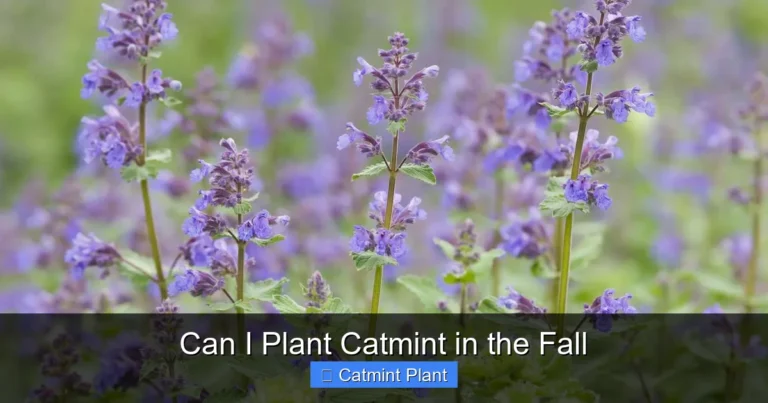
The foliage is a soft gray-green with a crinkled texture that looks good even when the plant is not in bloom. In late spring, spikes of lavender-blue flowers rise above the mound and continue well into summer. If you shear the plant back after that first flush, you often get a second, slightly smaller show in early fall. The aromatic leaves release their scent when brushed, adding a sensory dimension to pathways and seating areas.
Hardiness and Climate Adaptability
Walker’s Low thrives in USDA zones 3 through 8. It handles cold winters with ease and tolerates summer heat and humidity better than many other perennials. In the warmest parts of its range, a little afternoon shade helps prevent the foliage from scorching. In the coldest zones, a light winter mulch after the ground freezes provides extra insurance.
Choosing the Perfect Planting Site
Sunlight Requirements
Full sun is the gold standard for Catmint Walker’s Low. Aim for a minimum of six hours of direct sun per day. Eight hours is even better. In hot southern climates, the plant will tolerate light afternoon shade, but too much shade leads to leggy stems, fewer flowers, and a higher risk of powdery mildew. If your garden only offers four to five hours of sun, you can still grow it, but expect a looser habit and reduced bloom.
Soil Conditions and Drainage
This is the single most critical factor. Catmint hates wet feet. The roots need oxygen, and soggy soil suffocates them, leading to root rot. The ideal soil is lean, gritty, and well-draining. A sandy loam or gravelly soil is perfect. If you have heavy clay, do not despair. You can amend it. Mix in coarse sand, fine gravel, or expanded shale at a ratio of about one part amendment to two parts native soil. Compost is fine for improving structure, but go easy. Overly rich soil encourages floppy, weak growth.
Space and Airflow Considerations
Give each plant room to breathe. Space them 18 to 24 inches apart on center. Good air circulation around the foliage keeps fungal diseases like powdery mildew at bay. If you are planting a drift or mass, stagger the plants in a triangular pattern rather than a straight line. This creates a more natural look and maximizes airflow between crowns.
Proximity to Pathways and Seating
One of the joys of Walker’s Low is its fragrance. Plant it where you will brush against it. Along a garden path, beside a patio, or near a bench are ideal spots. The scent is released when the foliage is touched, turning a simple stroll into an aromatherapy session. Just be aware that bees love the flowers. If someone in the household has a severe bee allergy, keep the planting a few feet back from high-traffic zones.
Preparing the Soil and Planting
When to Plant
Spring and early fall are the best planting windows. In spring, wait until the soil has warmed and the danger of hard frost has passed. This gives the roots time to establish before summer heat arrives. In fall, plant at least six weeks before your average first frost date. This allows root growth before the ground freezes. Summer planting is possible if you are diligent with watering, but it stresses the plant more.
Tools and Materials You Will Need
- Garden fork or spade
- Compost or well-rotted manure (optional, for very poor soil)
- Coarse sand, grit, or expanded shale (for clay soils)
- Mulch (gravel, pine fines, or shredded bark)
- Watering can or hose with a gentle nozzle
- Gloves and kneeling pad
Step-by-Step Planting Process
Start by watering the potted plant thoroughly an hour before planting. This reduces transplant shock and makes the root ball easier to handle. While it soaks, dig a hole twice as wide as the pot and just as deep. The wider hole encourages roots to spread laterally into the surrounding soil.
If your soil is heavy clay, mix the excavated soil with your drainage amendment at roughly a 2:1 ratio. If your soil is already sandy or loamy, you can skip amendments entirely. Catmint prefers lean conditions. Place a handful of the amended soil back into the hole and firm it gently so the plant will not settle too low.
Remove the plant from its pot. If the roots are circling the bottom, tease them apart gently with your fingers. This signals the roots to grow outward. Set the plant in the hole so the top of the root ball sits level with the surrounding grade. Planting too deep buries the crown and invites rot. Planting too high leaves roots exposed to air.
Backfill with the amended soil, firming lightly with your hands as you go to eliminate large air pockets. Do not stomp with your feet; that compacts the soil and reduces drainage. Once the hole is filled, water deeply until the soil is saturated. This settles the soil around the roots. Apply a one- to two-inch layer of mulch, keeping it pulled back an inch from the crown. Gravel mulch is excellent for catmint because it reflects heat and improves surface drainage.
Planting in Containers
Walker’s Low performs beautifully in pots. Choose a container at least 14 inches wide with drainage holes. Use a gritty potting mix designed for succulents or Mediterranean herbs, or make your own by mixing two parts standard potting soil with one part perlite or coarse sand. Water when the top inch of mix feels dry. Container plants need more frequent watering and occasional feeding with a dilute balanced fertilizer in spring.
Watering, Feeding, and Ongoing Care
Establishment Watering
For the first four to six weeks, water deeply twice a week if there is no rain. The goal is to keep the root zone evenly moist but not soggy. Check the soil with your finger before watering. If it feels damp two inches down, wait. Once you see new growth and the plant has clearly rooted out, you can taper off.
Long-Term Watering Strategy
Established Catmint Walker’s Low is remarkably drought-tolerant. In most climates, rainfall alone is sufficient once the plant is a year old. During extended dry spells or extreme heat, a deep soak every two to three weeks keeps it looking fresh. Avoid frequent shallow watering. That encourages shallow roots and weak stems. Water at the base of the plant to keep foliage dry.
Fertilizing: Less Is More
This is not a heavy feeder. In fact, too much nitrogen produces lush, floppy foliage at the expense of flowers. If your soil is reasonably decent, you can skip fertilizer entirely. If the soil is very poor or the plant looks pale, apply a light side-dressing of compost in early spring. A single application of a slow-release, low-nitrogen fertilizer (like a 5-10-10) in spring is the maximum. Never fertilize after midsummer.
The Chelsea Chop and Deadheading
This is the secret to a tidy, reblooming plant. Around late May or early June (coinciding with the Chelsea Flower Show in the UK, hence the name), shear the entire plant back by one-third to one-half. Use hedge shears or sharp pruners. This delays flowering slightly but produces a sturdier, more compact mound that will not flop open in the center.
After the first main flush of flowers fades in midsummer, shear the plant back again by about half. This removes spent flower spikes and stimulates fresh basal growth and a second bloom period in late summer to early fall. If you skip this step, the plant will look rangy and may stop blooming altogether.
Mulching Practices
Maintain a thin layer of mulch year-round. In spring, refresh gravel or organic mulch to a depth of one to two inches. Keep mulch away from the crown. In winter, after the ground freezes in cold zones, you can add a light layer of straw or evergreen boughs over the crown for extra protection. Remove it promptly in early spring.
Design Ideas and Companion Planting
Classic Pairings
The soft blue-lavender flowers and gray-green foliage of Walker’s Low play well with almost anything. For a classic cottage garden look, pair it with roses. The catmint hides the bare legs of rose bushes and its fragrance may help deter aphids. Pink shrub roses, white floribundas, or deep red climbers all look stunning against the haze of blue.
Pollinator and Wildlife Gardens
If your goal is to support bees, butterflies, and hummingbirds, plant Walker’s Low in drifts of five or more. Combine it with other long-blooming nectar sources like coneflower (Echinacea), bee balm (Monarda), salvia, and black-eyed Susan (Rudbeckia). Add native grasses like little bluestem for winter structure and seed heads for birds.
Mediterranean and Gravel Gardens
Because it thrives in lean, dry soil, Walker’s Low is a star in gravel gardens and Mediterranean-style plantings. Surround it with lavender, rosemary, thyme, santolina, and ornamental grasses like blue fescue. Use pea gravel as mulch. The overall effect is sun-baked, aromatic, and incredibly low-maintenance.
Edging and Pathway Softening
Plant a single row along a path or driveway edge, spacing plants 18 inches apart. As they mature, they will knit together into a soft, billowing hedge that releases scent when brushed. The height is perfect for defining a space without blocking views. It also works beautifully spilling over a low retaining wall.
Container Combinations
In a large pot, use Walker’s Low as the “filler” in a thriller-filler-spiller design. Pair it with a tall, architectural thriller like purple fountain grass or a dwarf conifer. Add a trailing spiller like creeping thyme or calibrachoa over the rim. The catmint fills the middle with months of color.
Common Problems and Solutions
Floppy, Open Centers
This is the number one complaint. It is almost always caused by too much shade, too much water, too much fertilizer, or skipping the summer shear. The fix: move to more sun, cut back on water and feed, and shear hard after the first bloom. If the plant is old and woody in the center, division in spring will rejuvenate it.
Powdery Mildew
This fungal disease appears as a white, powdery coating on leaves. It thrives in humid conditions with poor air circulation. Prevention is key: space plants properly, water at the base, and avoid overhead irrigation. If it appears, remove badly affected leaves and spray with a homemade mix of one tablespoon baking soda, one teaspoon horticultural oil, and one gallon of water. Neem oil also works.
Root Rot
Yellowing lower leaves, wilting despite moist soil, and a foul smell from the root zone indicate rot. This is almost always a drainage issue. If caught early, you can dig the plant, trim away black mushy roots, amend the soil heavily with grit, and replant higher. Often, it is faster to replace the plant and fix the drainage first.
Cat Damage
Yes, cats love catmint. Some will roll on it, chew it, or nap in the center, flattening the mound. If neighborhood cats are a problem, place a few short bamboo stakes or a low wire cage over the plant until it is established. Alternatively, plant a separate patch of plain catnip (Nepeta cataria) in a corner as a decoy.
Pests: Aphids and Spider Mites
These are rarely serious on healthy plants. A strong blast of water from the hose dislodges aphids. Spider mites appear in hot, dry, dusty conditions. Regular deep watering and occasional leaf rinsing prevent them. Insecticidal soap is a last resort.
Propagation and Division
When and Why to Divide
Divide Walker’s Low every three to four years in early spring, just as new growth emerges. Signs it is time: the center of the clump dies out, flowering declines, or the plant has simply outgrown its space. Division rejuvenates the plant and gives you free starts for other beds or friends.
How to Divide
Water the plant well the day before. Dig around the clump with a spade, lifting the whole root ball. Shake or wash off excess soil so you can see the roots. Using a sharp knife, spade, or two forks back-to-back, cut the clump into sections. Each division should have several healthy shoots and a good root mass. Discard the woody, dead center. Replant divisions immediately at the same depth, water well, and mulch.
Stem Cuttings
You can also propagate from softwood cuttings in late spring or early summer. Take four- to six-inch cuttings from non-flowering stems. Strip the lower leaves, dip the cut end in rooting hormone, and stick in a pot of moist perlite or sand. Cover with a plastic bag to maintain humidity. Roots form in three to four weeks. Pot up and grow on until fall planting.
Seasonal Care Calendar
Early Spring (March-April)
- Cut back last year’s dead stems to the ground.
- Apply a light compost side-dressing if soil is poor.
- Divide crowded clumps.
- Refresh mulch.
Late Spring (May-June)
- Perform the Chelsea Chop (shear by one-third to one-half) for compact growth.
- Watch for aphids on new growth.
- Water new divisions regularly.
Summer (July-August)
- Shear back by half after first bloom finishes.
- Water deeply during drought.
- Monitor for powdery mildew in humid weather.
- Enjoy the pollinator show.
Fall (September-October)
- Enjoy second flush of blooms.
- Stop fertilizing.
- Plant new container-grown plants.
- In cold zones, apply winter mulch after ground freezes.
Winter (November-February)
- Leave stems standing for winter interest and crown protection.
- Brush heavy snow off gently if stems are bending.
- Plan next year’s garden additions.
Conclusion
Learning how to plant Catmint Walker’s Low is one of the best investments you can make in your garden. This perennial delivers an outsized return for very little effort. Give it sun, sharp drainage, and a haircut in midsummer, and it will reward you with months of color, fragrance, and buzzing life. It fits into almost any garden style, from formal borders to wild meadows, and it plays nicely with a huge cast of companion plants.
Remember the core principles: lean soil, full sun, and the summer shear. Avoid the temptation to coddle it with rich soil and frequent water. Treat it a little tough, and it will thrive. Whether you plant a single specimen by your front door or a sweeping drift along a sunny slope, Walker’s Low will quickly become a favorite. Happy planting!
Frequently Asked Questions
Can Catmint Walker’s Low grow in partial shade?
It can tolerate light shade, especially in hot climates, but flowering will be reduced and stems may become leggy. For the best bloom and compact habit, provide at least six hours of direct sun daily.
How often should I water established Catmint Walker’s Low?
Once established, Walker’s Low is drought-tolerant. Water deeply only during prolonged dry spells, roughly every two to three weeks. Avoid frequent shallow watering, which encourages weak roots.
Should I deadhead Catmint Walker’s Low?
Yes. Shearing the plant back by about half after the first main bloom finishes in midsummer removes spent flowers and stimulates a tidy second flush of blooms in late summer to fall.
Is Catmint Walker’s Low deer and rabbit resistant?
Yes. The aromatic foliage contains compounds that deter browsing deer and rabbits. It is an excellent choice for gardens where these animals are a problem.
Can I grow Walker’s Low in a container?
Absolutely. Use a pot at least 14 inches wide with drainage holes and a gritty, well-draining potting mix. Water when the top inch of soil is dry and feed lightly in spring with a balanced fertilizer.
How do I divide an overgrown Catmint Walker’s Low clump?
In early spring, dig up the whole clump, shake off soil, and cut it into sections with a sharp knife or spade. Each division needs healthy shoots and roots. Discard the woody center and replant divisions immediately.