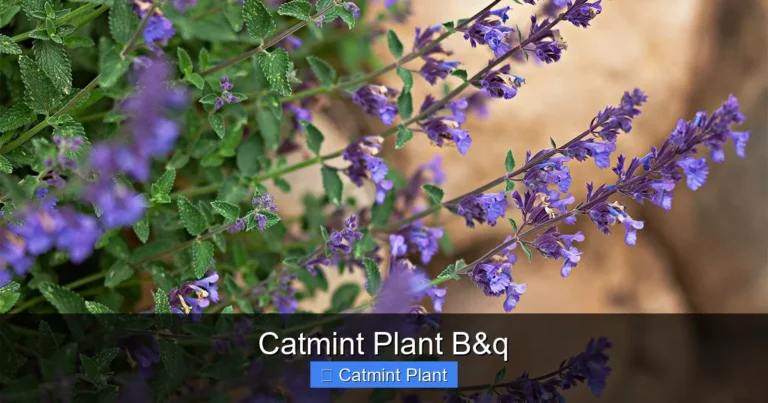
Plant Catmint in Container
Plant catmint in container gardens for beautiful, low-maintenance blooms all season long. This hardy perennial thrives in pots with proper drainage, full sun, and well-draining soil. Follow our complete guide for choosing the right variety, container, and care routine to enjoy fragrant flowers and attract pollinators to your patio or balcony.
There is something deeply satisfying about growing herbs and perennials in pots. You get to control the soil, move the plants to catch the best light, and keep aggressive spreaders in check. When you decide to plant catmint in container gardens, you unlock a world of fragrant foliage, pollinator activity, and long-lasting color without worrying about it taking over your garden beds.
Catmint, known botanically as Nepeta, is a member of the mint family but without the invasive tendencies of its culinary cousins. It forms neat mounds of aromatic gray-green leaves topped with spikes of lavender-blue flowers from late spring through fall. Bees, butterflies, and hummingbirds cannot resist it. Cats, of course, go wild for it too. Growing it in a container lets you enjoy all these benefits on a patio, balcony, or doorstep.
Key Takeaways
- Choose the right variety: Compact cultivars like ‘Walker’s Low’ and ‘Junior Walker’ stay manageable in containers while producing abundant blooms.
- Use well-draining soil: A mix of potting soil, perlite, and coarse sand prevents root rot and mimics catmint’s native Mediterranean conditions.
- Provide full sun: At least 6 hours of direct sunlight daily ensures strong stems, maximum flowering, and the best essential oil production.
- Water deeply but infrequently: Allow the top inch of soil to dry between waterings to encourage deep root growth and drought tolerance.
- Deadhead regularly: Removing spent flowers promotes a second flush of blooms and keeps plants looking tidy throughout the season.
- Divide every 2-3 years: Spring division prevents overcrowding, rejuvenates growth, and gives you free plants for more containers.
- Overwinter with care: In cold climates, move pots to a protected location and mulch heavily to insulate roots from freezing temperatures.
Quick Answers to Common Questions
What size container do I need for catmint?
Choose a pot at least 12 inches wide and 10 inches deep for compact varieties like ‘Junior Walker.’ For ‘Walker’s Low’ or multiple plants, use 16 to 18 inches wide and 12 inches deep. Wider is better than deeper since catmint roots spread horizontally.
How often should I water catmint in a pot?
Water when the top inch of soil feels dry. Check daily in summer heat. Water deeply until it runs out the drainage holes. In spring and fall, check every 2-3 days. In winter, water only during warm dry spells if the soil isn’t frozen.
Does catmint come back every year in containers?
Yes, catmint is a hardy perennial. In zones 5-9, it returns reliably in containers with proper winter protection. In zones 3-4, move pots to an unheated garage or insulate heavily. Subtract 1-2 zones from the plant’s hardiness rating for container growing.
Why is my catmint floppy and not blooming?
Floppy growth usually means too little sun (needs 6+ hours), too much nitrogen fertilizer, or overcrowding. Move to full sun, stop fertilizing, and shear back by half in early summer. Divide if the plant is more than 2-3 years old.
Can I grow catmint indoors?
Catmint struggles indoors long-term. It needs intense light (6+ hours direct sun), good air circulation, and cool nights. It may survive a winter indoors in a sunny south window but will be leggy and bloom poorly. It’s best grown outdoors.
📑 Table of Contents
- Choosing the Best Catmint Variety for Containers
- Selecting the Perfect Container
- Creating the Ideal Soil Mix
- Planting Your Catmint Step by Step
- Sunlight and Placement Strategies
- Watering Wisdom for Container Catmint
- Feeding for Fabulous Flowers
- Pruning and Deadheading for Continuous Bloom
- Managing Pests and Diseases
- Overwintering Container Catmint
- Dividing and Repotting
- Designing with Catmint in Containers
- Troubleshooting Common Problems
- Harvesting and Using Catmint
- Propagation: Making More Plants
- Catmint Through the Seasons
- Conclusion
Choosing the Best Catmint Variety for Containers
Not all catmint varieties behave the same way in pots. Some grow tall and floppy. Others stay compact and tidy. Picking the right cultivar makes container growing much easier and more rewarding.
Top Compact Varieties for Pots
‘Walker’s Low’ is the gold standard for container catmint. Despite the name, it grows 18 to 24 inches tall and wide. It was named Perennial Plant of the Year in 2007 for good reason. The flowers are a deep lavender-blue. The plant holds its shape well without staking.
‘Junior Walker’ is a dwarf sport of ‘Walker’s Low.’ It tops out at 15 to 18 inches. This makes it perfect for smaller pots or the front edge of a mixed container. It blooms just as heavily as its parent.
‘Cat’s Pajamas’ is a newer introduction from Proven Winners. It forms a tight, rounded mound just 12 to 14 inches tall and wide. The flowers are a rich indigo blue. It blooms earlier than most varieties, often starting in late spring.
‘Little Trudy’ (also sold as ‘Psfike’) is another compact choice at 10 to 12 inches tall. It has a spreading habit that softens container edges beautifully. The flowers are a soft lavender with a long bloom season.
Varieties to Avoid in Containers
Nepeta cataria is true catnip. It grows 3 to 4 feet tall and gets leggy and floppy in pots. It also self-seeds aggressively. Save this one for an in-ground herb garden where cats can roll in it freely.
Nepeta x faassenii ‘Six Hills Giant’ reaches 3 feet tall and wide. It needs a very large container and frequent staking. It is stunning in the ground but high-maintenance in a pot.
Nepeta sibirica (Siberian catmint) grows upright to 3 feet with larger leaves. It tends to melt out in the center in containers. It prefers cooler climates and consistent moisture.
Selecting the Perfect Container
The container you choose affects everything from watering frequency to winter survival. Catmint has a fibrous root system that spreads wide rather than deep. This means width matters more than depth.
Size Matters
For a single compact variety like ‘Junior Walker’ or ‘Cat’s Pajamas,’ choose a pot at least 12 inches in diameter and 10 inches deep. For ‘Walker’s Low’ or when planting two plants together, go for 16 to 18 inches wide and 12 inches deep. Larger pots hold more soil, which means more moisture retention and better root insulation.
If you want to create a mixed container with catmint as the thriller (the tall centerpiece), use a pot 20 inches or wider. Pair it with trailing plants like creeping thyme or calibrachoa and a filler like salvia or dwarf coneflower.
Material Choices
Terracotta is classic and porous. It allows air exchange and wicks moisture away from roots. This prevents rot but means you water more often. It cracks in freeze-thaw cycles unless rated frost-proof.
Glazed ceramic retains moisture better than terracotta. It comes in endless colors. It is heavy, which adds stability for tall plants. Make sure it has drainage holes.
Plastic or resin pots are lightweight and affordable. Modern versions look like stone or terra cotta. They retain moisture well. Dark colors absorb heat, which can stress roots in full sun.
Fabric grow bags provide excellent aeration and prevent root circling. They are lightweight and fold flat for storage. They dry out fast in hot weather. They offer little winter insulation.
Drainage Is Non-Negotiable
Catmint hates wet feet. The container must have multiple drainage holes. If your pot has only one hole, drill more. Cover holes with a piece of landscape fabric or a coffee filter to keep soil from washing out. Add a layer of gravel or broken pottery at the bottom only if the pot sits on a solid surface. In most cases, a good potting mix alone provides adequate drainage.
Creating the Ideal Soil Mix
Garden soil is too heavy for containers. It compacts, drains poorly, and may harbor pests or diseases. You need a light, well-draining mix that still holds some moisture and nutrients.
The Basic Recipe
Mix two parts high-quality potting soil with one part perlite and one part coarse sand or fine grit. The potting soil provides organic matter and nutrients. Perlite improves aeration and drainage. Sand or grit mimics the lean, rocky soils catmint prefers in its native habitat.
If you want a simpler approach, use a cactus and succulent potting mix straight from the bag. These mixes are designed for excellent drainage. Add a handful of compost per gallon of mix for gentle nutrition.
What to Avoid
Do not use peat-heavy seed starting mixes. They hold too much water. Avoid mixes with water-retention crystals or hydrogels. Catmint does not need constant moisture. Skip mixes with added synthetic fertilizers. You will feed the plant on your own schedule.
pH Considerations
Catmint prefers slightly alkaline soil, around pH 6.5 to 7.5. Most commercial potting mixes fall in this range. If your mix contains a lot of peat moss, it may be too acidic. Add a tablespoon of garden lime per gallon of mix to raise the pH slightly. A simple soil test kit removes the guesswork.
Planting Your Catmint Step by Step
The best time to plant catmint in containers is spring after the last frost. In mild climates, early fall works too, giving roots time to establish before winter. Avoid planting in the heat of summer unless you can provide constant attention.
Prepare the Container
Clean the pot with a 10% bleach solution if it was used previously. Rinse well. Place the pot in its final location before filling. A large planted container is heavy. Elevate it on pot feet or bricks to ensure drainage holes stay clear and air circulates underneath.
Fill and Plant
Fill the container about two-thirds full with your soil mix. Gently remove the catmint from its nursery pot. Loosen the root ball slightly if roots are circling. Place the plant so the top of the root ball sits one inch below the pot rim. This leaves room for watering.
Backfill around the roots with soil mix. Firm gently with your fingers. Do not pack it down hard. The crown (where stems meet roots) should be at soil level, not buried. Water thoroughly until water runs out the drainage holes. This settles the soil and eliminates air pockets.
Mulch the Surface
Apply a half-inch layer of fine gravel, crushed stone, or pine bark fines. This keeps soil from splashing on leaves during watering. It reduces evaporation. It looks tidy. Avoid thick organic mulches like wood chips. They hold too much moisture against the crown.
Sunlight and Placement Strategies
Catmint is a sun lover. It needs at least six hours of direct sunlight daily for best flowering and compact growth. Eight hours is even better. In hot southern climates, a little afternoon shade prevents leaf scorch.
Finding the Sweet Spot
Observe your space throughout the day. Morning sun with afternoon shade works in zones 8 and 9. Full all-day sun is ideal in zones 4 through 7. South-facing walls reflect heat and light, boosting bloom production. West-facing spots get intense afternoon sun. East-facing locations offer gentle morning light.
If you only have partial shade (4 to 6 hours), choose ‘Walker’s Low’ or ‘Junior Walker.’ They tolerate light shade better than other varieties. Expect fewer flowers and a slightly looser habit. Avoid deep shade. The plant will stretch, flop, and become prone to powdery mildew.
Rotating for Even Growth
Containers against a wall get light from one side. Rotate the pot a quarter turn every week. This keeps growth symmetrical. It prevents the plant from leaning permanently toward the light.
Grouping for Impact
Three identical pots of ‘Cat’s Pajamas’ lined up along a railing create a rhythmic, modern look. Mix catmint with other Mediterranean herbs like lavender, rosemary, and thyme in a large trough for a fragrant kitchen garden. Pair blue-flowered catmint with yellow coreopsis or orange butterfly weed for a classic complementary color scheme.
Watering Wisdom for Container Catmint
Watering is where most container gardeners go wrong. Catmint is drought-tolerant once established, but containers dry out faster than ground soil. The key is deep, infrequent watering that encourages roots to chase moisture downward.
The Finger Test
Stick your index finger into the soil up to the second knuckle. If the soil feels dry at your fingertip, water. If it feels cool and damp, wait. Check daily in hot weather. Check every two to three days in spring and fall. This simple habit prevents both underwatering and overwatering.
How to Water Properly
Water at the base of the plant, not over the foliage. Wet leaves invite fungal diseases. Use a watering can with a narrow spout or a hose wand. Water slowly until you see water exiting the drainage holes. This ensures the entire root zone is moistened. If water runs straight through without absorbing, the soil has become hydrophobic. Submerge the pot in a tub of water for 20 minutes to rehydrate the mix.
Seasonal Adjustments
In spring, water moderately as growth resumes. In summer heat, daily watering may be needed for small pots. In fall, taper off as growth slows. In winter, water only during warm, dry spells if the pot is not frozen. Never water frozen soil.
Vacation Care
Group pots together in a shady spot to reduce water loss. Use a drip irrigation system with a timer. Or try the bottle method: fill a wine bottle with water, invert it into the soil, and let it slowly release moisture. For longer trips, ask a neighbor to check the finger test.
Feeding for Fabulous Flowers
Catmint is not a heavy feeder. Too much nitrogen produces lush leaves but few flowers. A light hand with fertilizer keeps the plant blooming and the stems strong.
Spring Kickstart
In early spring, when new growth appears, apply a balanced slow-release fertilizer (such as 10-10-10 or 5-5-5) at half the recommended rate. Scratch it into the top inch of soil. Water well. This feeds the plant steadily for three to four months.
Midseason Boost
After the first heavy flush of bloom fades (usually midsummer), give a light feeding with liquid fertilizer at quarter strength. Fish emulsion or seaweed extract works well. This encourages a second wave of flowers. Stop fertilizing by late July in cold climates. You want growth to harden off before frost.
Organic Alternatives
Top-dress with a half-inch of compost in spring. This feeds slowly and improves soil structure. Water with compost tea monthly during the growing season. Avoid manure-based products. They can be too high in nitrogen and salts for container roots.
Pruning and Deadheading for Continuous Bloom
Catmint blooms on new growth. Pruning stimulates fresh stems and more flowers. It also keeps the plant compact and prevents the center from opening up.
Deadheading Basics
As individual flower spikes fade, snip them off just above a leaf node. Use clean, sharp scissors or pruners. Do this weekly during peak bloom. It takes five minutes and makes a huge difference in total flower production.
The Chelsea Chop
In late May or early June (around the time of the Chelsea Flower Show in England), shear the entire plant back by one-third to one-half. This delays flowering by a few weeks but produces a sturdier, more compact plant with more blooms. It is especially useful for ‘Walker’s Low’ which can get floppy.
Midsummer Refresh
After the first big bloom finishes, usually in July, shear the whole plant back to 6 to 8 inches. Water well and apply that light liquid feed. New growth emerges quickly. You get a fresh flush of flowers in August and September.
Fall Cleanup
In cold climates, leave the faded foliage in place over winter. It protects the crown. In early spring, cut everything back to 2 inches before new growth starts. In mild climates where catmint stays evergreen, trim lightly to shape in late winter.
Managing Pests and Diseases
Catmint is remarkably pest-resistant. Its aromatic oils deter most insects. Deer and rabbits avoid it. Still, a few issues can arise in containers.
Common Pests
Aphids sometimes cluster on new growth in spring. Blast them off with a strong jet of water. Or spray with insecticidal soap. Ladybugs and lacewings usually show up to handle them naturally.
Spider mites appear in hot, dry weather. Look for fine webbing and stippled leaves. Increase humidity by misting the foliage (in morning only). Spray with neem oil if severe.
Whiteflies may appear if plants are stressed. Yellow sticky traps catch adults. Insecticidal soap controls nymphs.
Disease Prevention
Powdery mildew shows as white powder on leaves. It thrives in humid conditions with poor air circulation. Space pots adequately. Water at the base. Remove affected leaves. Spray with a homemade mix of 1 tablespoon baking soda, 1 teaspoon horticultural oil, and 1 gallon water.
Root rot is the biggest killer. It comes from overwatering or poor drainage. Leaves yellow, wilt, and the plant collapses. If caught early, repot into fresh dry mix and trim rotted roots. Prevention is easier than cure.
Cat Damage
Neighborhood cats may flatten your plant in a euphoric frenzy. Place chicken wire loosely over the pot. Or insert bamboo stakes around the perimeter. Cats dislike prickly surfaces. Some gardeners plant a sacrificial pot of true catnip nearby to distract them.
Overwintering Container Catmint
This is the critical test for perennial container gardening. Roots in pots are exposed to colder temperatures than roots in the ground. The USDA zone rating on the plant tag assumes in-ground planting. Subtract one to two zones for container survival.
Zone 6 and Colder: Full Protection Needed
Move pots to an unheated garage, shed, or cold frame after the first hard freeze. The plant goes dormant. Water once a month if the soil is thawed and dry. Do not fertilize. In early spring, move back outside gradually.
If you cannot move the pot, insulate it. Wrap the container in bubble wrap or burlap. Pile straw or shredded leaves around and over the pot. Place against a south-facing wall for radiant heat.
Zone 7: Moderate Protection
Group pots together on the ground (not on pavement). Mulch heavily with straw or leaves around the pots. Cover with a layer of evergreen boughs. Water during winter thaws.
Zone 8 and Warmer: Minimal Protection
Catmint often stays semi-evergreen. No special care needed. Just avoid waterlogged soil during winter rains. Ensure drainage holes are clear.
Spring Wake-Up
When nighttime temperatures stay consistently above freezing, remove winter protection. Check for new growth at the base. Resume normal watering. Apply the spring slow-release fertilizer. Your catmint will reward you with another season of beauty.
Dividing and Repotting
After two to three years, your catmint will fill the pot. Roots circle the edges. The center may die out. Flowering declines. Division rejuvenates the plant and gives you more plants.
When to Divide
Early spring is best, just as new growth emerges. Fall works in mild climates. Avoid dividing in summer heat or winter dormancy.
How to Divide
Water the plant well the day before. Tip the pot on its side and slide the root ball out. Use a sharp knife or hori hori knife to cut the root ball into sections. Each division needs healthy roots and several shoots. Discard the woody, dead center.
Repotting Divisions
Plant each division in its own pot with fresh soil mix. Water well. Keep in light shade for a week. Then move to full sun. Share extras with friends or create a catmint collection.
Designing with Catmint in Containers
Catmint’s soft gray-green foliage and blue flowers play well with many partners. Its mounding habit fills the middle layer of a container design.
Thriller, Filler, Spiller Combos
Thriller (center/tall): Purple fountain grass, dwarf canna, or upright rosemary.
Filler (middle/mounding): Catmint, of course. Also dwarf salvia, compact coneflower, or heuchera.
Spiller (edge/trailing): Creeping thyme, sweet potato vine, calibrachoa, or trailing verbena.
Color Themes
Cool Serenity: Blue catmint, white petunias, silver dusty miller, blue lobelia.
Sunset Heat: Blue catmint, orange marigolds, yellow coreopsis, red calibrachoa.
Pastel Dream: Blue catmint, pink cosmos, lavender verbena, white alyssum.
Monochromatic Blue: Blue catmint, blue salvia, blue lobelia, blue fescue grass.
Edible Companions
Catmint attracts pollinators to your vegetable containers. Plant it near tomatoes, peppers, squash, or cucumbers. Its scent may deter some pests. Just keep it in its own pot. It can outcompete shallow-rooted veggies.
Troubleshooting Common Problems
Even with good care, issues pop up. Here is a quick diagnostic guide.
Leggy, Floppy Growth
Cause: Too little sun, too much nitrogen, or overcrowding.
Fix: Move to more sun. Stop fertilizing. Do the Chelsea Chop. Divide if crowded.
Yellow Leaves
Cause: Overwatering, poor drainage, nutrient deficiency, or root binding.
Fix: Check drainage. Water less. Feed if not fertilized recently. Repot if roots circle the pot.
No Flowers
Cause: Too much shade, too much nitrogen, too young, or needs dividing.
Fix: More sun. Less fertilizer. Wait if plant is new. Divide old plants.
Brown, Crispy Leaf Edges
Cause: Underwatering, low humidity, fertilizer burn, or salt buildup.
Fix: Water deeply. Flush pot with water to leach salts. Reduce fertilizer.
Center Die-Out
Cause: Age, woody crown, poor air circulation.
Fix: Divide and replant vigorous outer sections. Discard dead center.
Harvesting and Using Catmint
While you grow catmint for beauty, it has practical uses too. The leaves and flowers are edible and medicinal.
For Cats
Harvest stems just as flowers open. Hang upside down to dry in a dark, airy place. Strip leaves and flowers. Store in airtight jars. Stuff into cat toys. Sprinkle on scratching posts. Watch the show.
For Humans
Catmint tea is a traditional remedy for stress, insomnia, and digestive upset. Steep 1 teaspoon dried leaves (2 teaspoons fresh) in a cup of boiling water for 10 minutes. It has a mild minty flavor with floral notes. Avoid during pregnancy. Consult an herbalist for medicinal use.
In the Kitchen
Young leaves add a subtle mint flavor to salads, fruit salads, and cold soups. Flowers make a pretty garnish for desserts and drinks. Use sparingly. The flavor is stronger than it smells.
Craft Uses
Dried stems retain their scent for months. Add to potpourri. Tuck into sachets for drawers. Weave into herbal wreaths. The blue flowers dry well for everlasting arrangements.
Propagation: Making More Plants
Once you have a healthy catmint, you can multiply it easily. This saves money and lets you fill more containers.
Stem Cuttings
In late spring or early summer, take 4-inch cuttings from non-flowering stems. Cut just below a node. Remove lower leaves. Dip in rooting hormone (optional). Stick in moist perlite or sand. Cover with a plastic bag. Place in bright indirect light. Roots form in 2 to 3 weeks. Pot up into small containers.
Layering
In spring, bend a low stem to the soil surface. Pin it down with a landscape staple or rock. Cover the contact point with soil. Keep moist. Roots form at the node in 4 to 6 weeks. Cut from mother plant and pot up.
Seed
Catmint seeds need light to germinate. Sow on the surface of moist seed starting mix in early spring. Do not cover. Keep at 65 to 70 degrees F. Germination takes 10 to 20 days. Note: named cultivars do not come true from seed. You get variable seedlings. Fun for experimenting, not for preserving a specific variety.
Catmint Through the Seasons
Understanding the annual cycle helps you anticipate needs and enjoy each phase.
Spring Awakening
New shoots emerge from the crown. This is the time to divide, repot, fertilize, and prune winter damage. Watch for aphids on tender growth. Water as growth accelerates.
Early Summer Glory
The first big flush of bloom arrives. Bees swarm the flowers. Deadhead weekly. Enjoy the show. Do the Chelsea Chop if plants get tall.
Midsummer Rest
Bloom slows in heat. Shear back for round two. Water deeply during dry spells. Watch for spider mites.
Late Summer Encore
Second bloom appears. Often more intense in color. Continue deadheading. Stop fertilizing by late July in cold zones.
Fall Transition
Bloom tapers off. Foliage may turn yellowish. Reduce watering. Prepare winter protection. Leave foliage standing.
Winter Dormancy
Plant rests. In mild zones, it stays green. In cold zones, it dies to the ground. Roots survive in protected pots. Dream of spring.
Conclusion
When you plant catmint in container gardens, you invite a tough, beautiful, pollinator-friendly perennial into your living space. It asks for little: sun, drainage, occasional water, and a haircut now and then. In return, it gives you months of blue flowers, fragrant foliage, and the joy of watching bees dance and cats frolic.
Start with one pot of ‘Walker’s Low’ or ‘Cat’s Pajamas.’ Place it where you will see it daily. Watch it grow. Learn its rhythms. Before long, you will be dividing it, sharing it, and planning new combinations. That is the magic of container gardening. It turns a plant into a relationship.
Your patio, balcony, or doorstep deserves this touch of wild Mediterranean charm. The cats will thank you. The bees will thank you. And every time you brush past those aromatic leaves, you will thank yourself for making the choice to grow catmint in a pot.
Frequently Asked Questions
What is the best catmint variety for small containers?
‘Cat’s Pajamas’ and ‘Little Trudy’ are the best choices for small containers. Both stay under 14 inches tall and wide, form tight mounds, and bloom heavily without flopping. ‘Junior Walker’ at 15-18 inches also works well in 12-inch pots.
How do I prevent root rot in container catmint?
Use a well-draining mix of 2 parts potting soil, 1 part perlite, and 1 part coarse sand. Ensure the pot has multiple drainage holes. Water only when the top inch of soil is dry. Never let the pot sit in a saucer of water. Elevate pots on feet for airflow.
When should I cut back catmint in containers?
Shear back by one-third in late May (the Chelsea Chop) for sturdier growth. After the first bloom fades in July, cut to 6-8 inches for a second flush. In early spring, cut dead foliage to 2 inches before new growth emerges. In mild climates, trim lightly in late winter.
Will catmint survive winter in a ceramic pot?
Glazed ceramic pots crack in freeze-thaw cycles unless rated frost-proof. In zones 6 and colder, move ceramic pots to an unheated garage or wrap them in bubble wrap and burlap. In zones 7+, group pots on the ground and mulch heavily with straw. Ensure drainage holes stay clear.
Can I plant catmint with other herbs in the same container?
Yes, catmint pairs well with Mediterranean herbs that share its needs: full sun, lean soil, and good drainage. Good companions include thyme, oregano, lavender, and rosemary. Avoid mint, basil, and cilantro which need richer, moister soil. Give each plant adequate space.
How do I keep cats from destroying my potted catmint?
Lay chicken wire flat on the soil surface around the plant. Insert bamboo stakes or plastic forks (tines up) around the perimeter. Place a separate pot of true catnip (Nepeta cataria) nearby as a decoy. Cats prefer catnip over ornamental catmint varieties.