How Often to Water Newly Planted Coral Bells
Newly planted coral bells need consistent moisture to establish strong roots. Water deeply 2-3 times per week for the first month, then reduce to once weekly as plants mature. Always check soil moisture before watering to prevent root rot.
So you just brought home some gorgeous coral bells from the nursery. Those ruffled leaves in shades of purple, caramel, lime green, and deep burgundy are going to look amazing in your shade garden. But now you’re standing there with your garden hose, wondering exactly how often to water newly planted coral bells to give them the best start possible.
I’ve been there. We all have. You invest in beautiful plants, carefully choose the perfect spot, amend the soil, and then the anxiety kicks in. Am I watering too much? Too little? Is that drooping leaf a sign of thirst or drowning? The truth is, coral bells (Heuchera) are actually pretty forgiving once established, but those first few weeks after planting are critical. Get the watering right during this establishment period, and you’ll have thriving plants that come back bigger and better every year.
In this guide, I’ll walk you through everything you need to know about watering newly planted coral bells. We’ll cover the ideal frequency, how to check soil moisture properly, seasonal adjustments, common mistakes to avoid, and signs your plants are telling you something’s wrong. By the end, you’ll feel confident giving your heuchera exactly what they need.
Key Takeaways
- Water deeply 2-3 times weekly for the first 4-6 weeks after planting to help coral bells establish strong root systems in their new location.
- Check soil moisture 2 inches deep before watering using your finger or a moisture meter to avoid both underwatering and overwatering.
- Morning watering is ideal as it allows foliage to dry before evening, reducing the risk of fungal diseases like powdery mildew.
- Mulch with 2-3 inches of organic material to retain soil moisture, regulate temperature, and suppress weeds around your new plants.
- Adjust frequency based on weather conditions – increase during hot, dry spells and decrease during cool, rainy periods.
- Well-draining soil is essential – coral bells hate wet feet and will develop root rot in soggy conditions.
- Established plants need less frequent watering – typically once per week unless extreme heat or drought conditions occur.
Quick Answers to Common Questions
How often should I water coral bells the first week after planting?
Water every 1-2 days for the first week, checking soil moisture 2 inches deep before each watering. In hot weather (above 85°F), daily watering may be needed. In cool weather, every 2-3 days is usually sufficient.
Can I overwater newly planted coral bells?
Yes, overwatering is actually more dangerous than underwatering for coral bells. They are prone to crown rot and root rot in soggy soil. Always check that the top 2 inches of soil are dry before watering, and ensure your planting site has excellent drainage.
Should I water coral bells in winter?
In zones where the ground doesn’t freeze solid, water coral bells during winter thaws if the soil is dry 2 inches down. Never water frozen soil. In zones 7 and warmer, light watering every 3-4 weeks during dry winters helps prevent desiccation of evergreen foliage.
What’s the best time of day to water coral bells?
Early morning (5-9 AM) is ideal. This minimizes evaporation, allows foliage to dry quickly if splashed, and hydrates plants before daytime heat. Evening is acceptable if you keep water off the leaves. Avoid midday watering.
How do I know if my coral bells need water?
Check soil moisture 2 inches deep with your finger – if dry, water. Visual signs include limp, drooping leaves that fold inward, dull leaf color, and brown crispy leaf edges. Plants perk up quickly after watering if it’s just drought stress.
📑 Table of Contents
- Understanding Coral Bells Water Needs
- How Often to Water Newly Planted Coral Bells: The Basic Schedule
- How to Water Coral Bells Properly
- Seasonal Watering Adjustments
- Soil, Mulch, and Drainage: The Supporting Cast
- Reading Your Plants: Signs of Water Stress
- Common Watering Mistakes and How to Avoid Them
- Special Situations: Slopes, Containers, and Competition
- Watering Through the First Full Year
- Troubleshooting Water-Related Problems
- Variety-Specific Water Needs
- Creating a Water-Wise Coral Bells Garden
- Conclusion
Understanding Coral Bells Water Needs
Native Habitat Clues
To understand what coral bells want, it helps to know where they come from. Most Heuchera species are native to North America, growing in woodland settings, rocky slopes, and meadow edges. They’re accustomed to dappled shade, well-draining soil rich in organic matter, and consistent but not constant moisture. Think of a forest floor – the soil stays cool and damp but never waterlogged because excess water drains away through layers of decomposing leaves and rocky substrate.
This tells us two important things. First, coral bells like steady moisture. They’re not drought-tolerant succulents that can go weeks without water. Second, they absolutely demand good drainage. Their crowns (where stems meet roots) are prone to rot if they sit in wet soil, especially during winter dormancy.
Root System Characteristics
Coral bells have relatively shallow, fibrous root systems. Unlike deep tap-rooted plants that can search for water far below the surface, heuchera roots stay mostly in the top 6-12 inches of soil. This means they dry out faster than deep-rooted perennials but also means they’re easier to water effectively – you don’t need to soak the ground for hours.
When you first plant coral bells, those roots are confined to the root ball shape from the nursery pot. They haven’t yet explored the surrounding garden soil. This is why frequent, consistent watering matters so much during establishment. You’re essentially keeping that original root ball moist while encouraging roots to venture outward into their new home.
The Establishment Timeline
Most perennials, coral bells included, take about 4-6 weeks to establish basic root systems in new locations. During this period, the plant’s energy goes into root growth rather than top growth. You might not see much happening above ground, but underground, those roots are busy. After 6-8 weeks, the plant should be anchored and able to access a wider soil volume for moisture. Full establishment – where the plant reaches its mature drought tolerance – takes a full growing season.
How Often to Water Newly Planted Coral Bells: The Basic Schedule
Week 1-2: Daily Checks, Water Every 2-3 Days
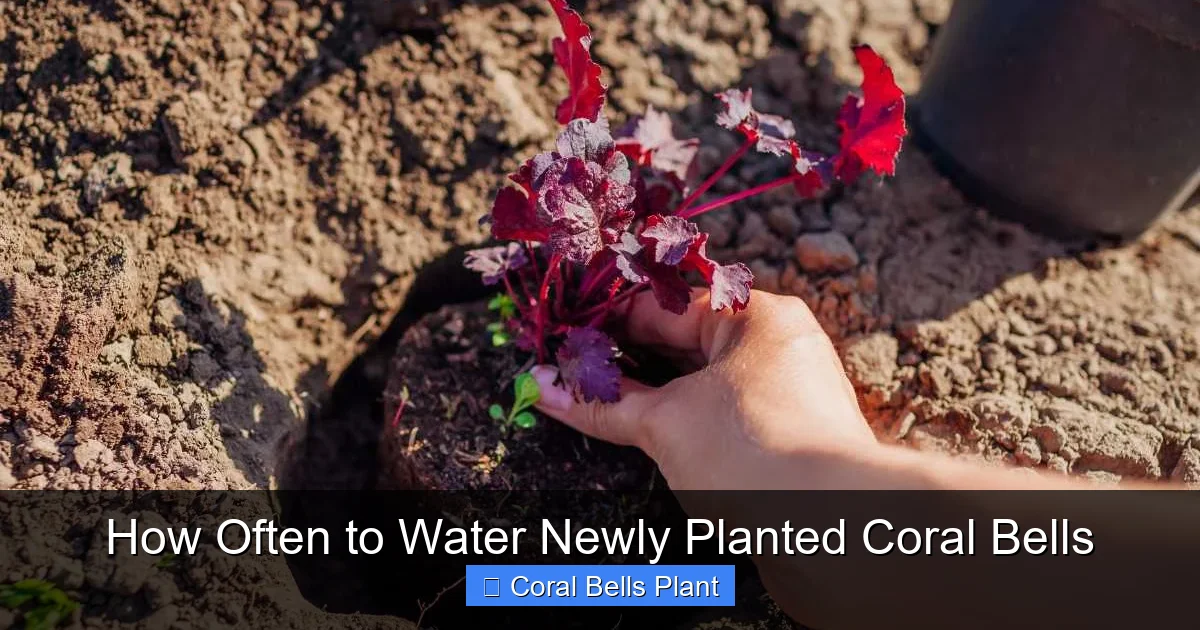
Right after planting, your coral bells are in shock. Their roots have been disturbed, and they’re adjusting to new soil conditions. For the first two weeks, plan to water deeply every 2-3 days, but always check first. Stick your finger 2 inches into the soil near the root ball. If it feels dry at that depth, water. If it’s still moist, wait another day and check again.
Visual guide about How Often to Water Newly Planted Coral Bells
Image source: epicgardening.com
During hot summer planting (temperatures above 85°F), you might need to water daily for the first week. During cool spring or fall planting (temperatures 50-70°F), every 3-4 days might be plenty. The finger test never lies – use it religiously.
Week 3-4: Water Every 3-4 Days
By week three, you should see some new growth – maybe a few fresh leaves emerging from the crown. This is a good sign! Roots are starting to explore. You can stretch the interval to every 3-4 days, still checking soil moisture each time. Water deeply enough to moisten the soil to at least 6 inches deep. This encourages roots to grow downward rather than staying near the surface.
Week 5-6: Water Once Weekly
Around the one-month mark, your coral bells should be reasonably established. Shift to a once-weekly deep watering schedule, providing about 1 inch of water each time (including rainfall). Continue the finger check – if the top 2 inches are dry, water. If not, wait. This is also when you can start backing off if your plants are mulched well and temperatures are moderate.
After Establishment: As Needed
After 6-8 weeks, treat your coral bells like established perennials. Water deeply once per week during the growing season when rainfall is less than 1 inch. In hot, dry spells, you might need twice-weekly watering. In cool, wet periods, you might not need to water at all for weeks. The key is watching the plants and checking the soil, not following a rigid calendar.
How to Water Coral Bells Properly
Deep vs. Frequent Shallow Watering
This is the single most important concept for watering any perennial, coral bells included. Deep, infrequent watering encourages deep root growth. Shallow, frequent watering keeps roots near the surface where they dry out fast and become heat-stressed.
When you water, apply enough to penetrate 6-8 inches into the soil. For most garden soils, this means running a soaker hose or drip irrigation for 30-45 minutes, or hand-watering each plant for 1-2 minutes with a gentle stream. If you’re using a sprinkler, run it long enough to fill a tuna can (about 1 inch of water).
Water at the Base, Not the Foliage
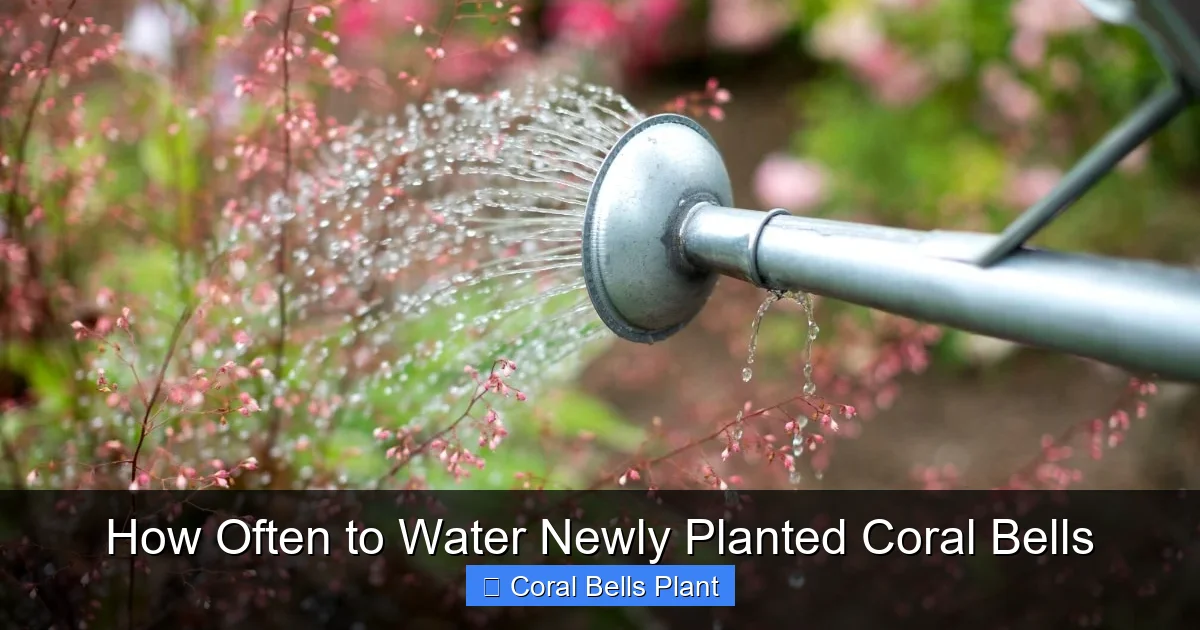
Coral bells are prone to fungal diseases, especially powdery mildew and leaf spot. Wet foliage, particularly overnight, creates perfect conditions for these pathogens. Always water at soil level. Soaker hoses, drip irrigation, or a watering wand directed at the base are ideal. If you must use a sprinkler, run it early morning so leaves dry completely before evening.
Morning is Best, Evening is Okay, Midday is Wasteful
Early morning watering (5-9 AM) is ideal. Less water evaporates, foliage dries quickly, and plants are hydrated before the day’s heat. Evening watering (after 6 PM) is your second choice – just avoid getting leaves wet. Midday watering loses 20-30% to evaporation and can actually scorch leaves if water droplets act like magnifying glasses in strong sun.
Tools That Make Watering Easier
A few inexpensive tools can transform your watering game. A soil moisture meter ($10-15) takes the guesswork out of checking – just probe near the root ball and read the dial. A rain gauge tells you exactly how much water nature provided so you don’t overwater. Soaker hoses or drip irrigation kits deliver water efficiently right where it’s needed. And a good watering wand with a breaker nozzle lets you hand-water gently without blasting soil away from crowns.
Seasonal Watering Adjustments
Spring Planting (March-May)
Spring is arguably the best time to plant coral bells. Cool temperatures and regular rainfall reduce watering needs. However, spring winds can be surprisingly drying. Check soil every 2-3 days for the first month. Spring-planted coral bells usually establish quickly because they’re entering their active growth phase. By summer, they’ll be ready to handle heat better than fall-planted ones.
Summer Planting (June-August)
Summer planting is stressful for any perennial. If you must plant coral bells in summer, water daily for the first week, then every 2 days for weeks 2-3. Provide temporary shade with shade cloth or a strategically placed lawn chair during the hottest part of the day. Mulch heavily (3 inches). Expect some leaf scorch or dieback – the plant will recover if roots survive. Fall is honestly better for planting, but sometimes you find that perfect variety at a summer sale.
Fall Planting (September-November)
Fall is the other excellent planting window. Soil is warm (encouraging root growth) but air temperatures are cool (reducing water loss). Water every 3-4 days for the first month, then weekly until ground freezes. The critical thing with fall planting: don’t stop watering just because temperatures drop. Roots grow until soil temperatures hit 40°F. Keep the soil moist (not wet) right up until hard freeze. This prevents winter desiccation, where frozen soil can’t supply water to evergreen foliage.
Winter Care (December-February)
In most zones, coral bells are evergreen or semi-evergreen. They lose water through leaves all winter. If your ground doesn’t freeze solid, or if you have thaw periods, check soil monthly. Water during winter thaws if the top 2 inches are dry. Never water when soil is frozen – it can’t absorb water, and ice around crowns causes rot. In zones 7 and warmer, you might water lightly every 3-4 weeks all winter if it’s dry.
Soil, Mulch, and Drainage: The Supporting Cast
Ideal Soil Composition
Coral bells thrive in rich, well-draining soil with a slightly acidic to neutral pH (6.0-7.0). Heavy clay holds too much water and suffocates roots. Pure sand drains too fast and won’t hold moisture. The sweet spot is loamy soil amended with organic matter. When planting, mix compost or well-rotted leaf mold into the planting hole at a 1:1 ratio with native soil. This improves both drainage and moisture retention – the best of both worlds.
The Magic of Mulch
If you do one thing after planting coral bells, mulch them. Apply 2-3 inches of shredded bark, leaf mold, pine straw, or compost in a ring around the plant, keeping it 1-2 inches away from the crown. Mulch does three huge things: reduces evaporation by up to 70%, moderates soil temperature (cooler in summer, warmer in winter), and suppresses weeds that compete for water. Replenish mulch annually as it breaks down.
Drainage Solutions for Problem Soils
If you have heavy clay or a low spot that stays wet, you have options. Plant coral bells in raised beds or mounded soil 6-8 inches above grade. Mix in coarse sand, perlite, or expanded shale at 25-30% volume to improve drainage. Or choose container planting – coral bells do beautifully in pots with quality potting mix. Just remember containers dry out faster and need more frequent watering.
Container-Grown Coral Bells
Speaking of containers, potted coral bells have different watering needs. The limited soil volume dries faster, especially in terracotta pots. Check daily in summer, every 2-3 days in spring/fall. Water until it drains from the bottom holes. Use potting mix, not garden soil. And elevate pots on feet or bricks so drainage holes don’t get blocked. In winter, move pots to a protected spot and water sparingly – just enough to keep roots from desiccating.
Reading Your Plants: Signs of Water Stress
Underwatering Symptoms
Coral bells are dramatic when thirsty. Leaves go limp and droop, often folding inward along the midrib. The vibrant colors fade to dull, flat tones. Leaf edges turn brown and crispy. Growth stops completely. The good news? They bounce back fast with a deep watering. If you catch it at the droopy stage, no permanent damage. If leaves are crispy, those leaves are goners but new ones will emerge once roots are happy.
Overwatering Symptoms
Overwatering is sneakier and more dangerous. Leaves turn yellow, starting with older, lower leaves. The plant looks generally unthrifty – not wilted, just… sad. Stems may feel mushy at the base. You might see fungus gnats hovering around the soil. The crown turns brown or black and feels soft. This is crown rot, and it’s often fatal. If you suspect overwatering, stop immediately, pull back mulch to let soil dry, and pray. Prevention is infinitely better than cure.
The Finger Test: Your Best Diagnostic Tool
I’ve mentioned this several times because it’s that important. Forget fancy gadgets – your index finger is the most reliable moisture meter ever made. Insert it 2 inches deep near the root ball (not right against the stem). Feel for moisture. Cool and damp = good. Dry and warm = water needed. Soggy and smelly = stop watering immediately. Do this every time before you water. It takes 3 seconds and saves plants.
Seasonal Appearance Changes (Not Water Issues)
Don’t panic over normal seasonal changes. In winter, many coral bells cultivars develop reddish or purple pigments in cold weather – this is protective anthocyanin, not stress. Some varieties naturally go semi-dormant in summer heat, looking a bit tired. Older leaves die off as new ones emerge – just snip them at the base. Know your variety’s habits so you don’t mistake character for crisis.
Common Watering Mistakes and How to Avoid Them
Mistake 1: Watering on a Schedule Instead of by Need
“I water every Tuesday and Saturday” is a recipe for disaster. Weather changes. Soil changes. Plant needs change. The calendar doesn’t know it rained an inch on Monday. Always check soil moisture before watering. Make “finger test first” your mantra.
Mistake 2: Frequent Light Sprinklings
Standing there with a hose for 30 seconds per plant every other day does more harm than good. It wets the surface, encouraging shallow roots and fungal growth, but doesn’t reach the root zone. Water deeply, less often. Your plants will be stronger for it.
Mistake 3: Ignoring Rainfall
A half-inch of rain counts as a watering. A quarter-inch doesn’t. Get a rain gauge. Check it after every storm. Adjust your schedule accordingly. Overwatering after rain is one of the most common ways people kill coral bells.
Mistake 4: Watering the Foliage
We covered this, but it bears repeating. Wet leaves = disease. Water the soil. If you use sprinklers, run them at dawn. Better yet, switch to drip irrigation or soaker hoses.
Mistake 5: Neglecting New Plantings in Fall
“It’s cool and rainy, they’ll be fine.” Famous last words. Fall plantings need consistent moisture until the ground freezes. Roots are growing even when tops aren’t. Dry fall soil = winter kill. Water until you can’t.
Mistake 6: Mulching Too Deep or Against the Crown
Mulch is great. Mulch volcanoes are not. Keep mulch 1-2 inches from the crown. No more than 3 inches deep. Deep mulch against the stem traps moisture and invites rot and rodents.
Special Situations: Slopes, Containers, and Competition
Planting on Slopes
Water runs off slopes before it can soak in. Create a small berm (raised ring of soil) on the downhill side of each plant to catch water. Water in short cycles – run water 5 minutes, let it soak 10 minutes, repeat. This prevents runoff and ensures deep penetration. Mulch heavily to slow evaporation on exposed slopes.
Competing with Tree Roots
Planting under trees? You’re competing with thirsty tree roots. Coral bells can handle this (they’re native woodlanders), but you’ll need to water more often and more deeply. Consider a deep soak once weekly rather than lighter watering. Add extra compost at planting to give your coral bells a moisture reservoir. Avoid damaging large tree roots when digging.
Hot, Reflected Heat Locations
Against a south-facing wall or near pavement? These microclimates can be 10-15°F hotter than the rest of your garden. Coral bells here need more frequent watering and probably afternoon shade. Consider moving them if they struggle – no amount of water fixes wrong plant, wrong place.
Watering Through the First Full Year
Month 1-2: Establishment Phase
We’ve covered this in detail, but to summarize: check daily, water every 2-3 days initially, stretching to weekly by week 6. Deep soaks. Morning watering. Mulch maintained. Finger test always.
Month 3-6: Growing Season
Now your coral bells are putting on size. Water weekly during dry spells (less than 1 inch rain per week). Increase to twice weekly in heat waves (90°F+). Watch for stress signs. Fertilize lightly in spring with balanced organic fertilizer – well-fed plants handle water stress better.
Month 7-12: First Winter and Spring
Reduce watering as temperatures cool. Stop fertilizing by late summer. Water during winter thaws if dry. In early spring, resume weekly checks as growth resumes. By the one-year anniversary, your coral bells are fully established. They’ll still appreciate weekly water in drought, but they can handle neglect much better now.
Troubleshooting Water-Related Problems
Crown Rot: The Silent Killer
Crown rot is the #1 cause of coral bells death, and it’s almost always water-related. Symptoms: center of plant turns black/brown and mushy, leaves pull out easily, foul smell. Causes: planting too deep, heavy soil, overwatering, mulch against crown, poor air circulation. Prevention: plant crown slightly high (1/2 inch above soil line), ensure drainage, water at base only, thin mulch near crown. Treatment: if caught very early, dig up, cut away rot, dust with sulfur, replant in fresh dry soil. Usually fatal though.
Powdery Mildew
White powdery coating on leaves, usually late summer. Caused by humidity + poor air circulation + wet foliage. Water at base only. Space plants for airflow (12-18 inches). Remove affected leaves. Spray with milk solution (1 part milk, 9 parts water) or neem oil weekly. Resistant varieties help – look for ‘Forever Purple’, ‘Black Pearl’, ‘Caramel’.
Leaf Scorch
Brown, crispy leaf edges and tips. Usually from underwatering + hot sun + wind. But can also be from over-fertilizing or salt buildup. Water deeply. Provide afternoon shade. Flush soil with heavy watering if salts suspected. Trim damaged leaves – they won’t recover.
Root Rot vs. Drought Stress
Both cause wilting. The difference: drought stress = dry soil, leaves perk up after watering. Root rot = wet soil, leaves stay wilted after watering. Check soil! If wet and plant is wilting, you have root rot. Stop watering immediately. Improve drainage. It’s often too late, but sometimes plants recover if caught early.
Variety-Specific Water Needs
Heuchera villosa Hybrids (Heat Tolerant)
Varieties like ‘Caramel’, ‘Citronelle’, ‘Mocha’, ‘Brownies’ have H. villosa genetics from the southeastern US. They’re more heat and humidity tolerant, with slightly better drought tolerance once established. Still need consistent moisture for best looks, but they’ll forgive a missed watering better than other types.
Heuchera americana Hybrids (Classic Types)
Varieties like ‘Palace Purple’, ‘Dale’s Strain’, ‘Green Spice’ are derived from eastern US woodland species. They prefer consistent moisture and good drainage. Less tolerant of heat and humidity. Water faithfully.
Heuchera sanguinea Hybrids (Desert Types)
Varieties like ‘Snow Angel’, ‘Firefly’, ‘Ruby Bells’ have southwestern US genetics. They’re the most drought-tolerant coral bells but also the most rot-prone in wet conditions. Excellent drainage is non-negotiable. Water less frequently but deeply.
Heucherella (Foamy Bells)
These Heuchera x Tiarella hybrids generally want more consistent moisture than straight Heuchera. Their Tiarella parent is a true woodland plant. Don’t let them dry out completely. Mulch heavily.
Creating a Water-Wise Coral Bells Garden
Group by Water Needs
Plant coral bells with other shade perennials that have similar water requirements: hostas, astilbes, ferns, brunnera, heucherella. Avoid pairing with drought-tolerant plants like sedums or lavender – one of you will be unhappy.
Install Drip Irrigation
If you have more than a few coral bells, drip irrigation pays for itself in water savings and plant health. Run lines along rows, with emitters at each plant. Put on a timer with a rain sensor. Adjust seasonally. It’s the closest thing to “set it and forget it” that actually works.
Harvest Rainwater
Rain barrels capture free, chlorine-free water that plants love. A 50-gallon barrel fills in a 1-inch rain on a 1000 sq ft roof. That’s weeks of watering for a shade bed. Plus, rainwater is slightly acidic – perfect for coral bells.
Build Soil Health
Healthy soil holds water like a sponge. Add compost annually. Use leaf mulch. Avoid tilling (destroys soil structure). Encourage earthworms. Over time, your soil will need less frequent watering because it retains moisture better. This is the long game, but it works.
Conclusion
Watering newly planted coral bells isn’t rocket science, but it does require attention and consistency. The formula is simple: check soil moisture before every watering, water deeply at the base in the morning, mulch generously, and adjust for weather and season. Do this for the first 6-8 weeks, and you’ll have established plants that reward you with years of gorgeous foliage and delicate flower spikes.
Remember that every garden is different. Your soil, microclimate, and plant varieties all influence the perfect watering schedule. The finger test is your universal truth-teller. Trust it over any schedule, any app, any well-meaning advice from your neighbor who “never waters anything and it all lives.”
Your coral bells want to thrive. They’re tougher than they look, descended from plants that survive on rocky cliffs and woodland floors across a continent. Give them the right moisture foundation, and they’ll repay you with color and texture that few other shade plants can match. Now go check that soil – your plants are waiting.
Frequently Asked Questions
How long does it take for coral bells to establish after planting?
Coral bells typically establish basic root systems in 4-6 weeks, but full establishment takes a full growing season. During the first 6-8 weeks, water consistently every 2-3 days initially, then weekly. After one year, plants are considered fully established and more drought-tolerant.
Can coral bells survive drought once established?
Established coral bells have moderate drought tolerance and can survive 2-3 weeks without water in mild temperatures. However, they look their best with weekly deep watering during dry spells. Heuchera villosa hybrids like ‘Caramel’ and ‘Citronelle’ are the most drought-tolerant varieties.
Why are my newly planted coral bells wilting even though the soil is wet?
Wilting in wet soil usually indicates root rot or crown rot from overwatering or poor drainage. The roots can’t absorb water because they’re rotting. Stop watering immediately, pull back mulch to let soil dry, and check for mushy, dark crown tissue. Improve drainage for future plantings.
Should I fertilize newly planted coral bells when I water?
Wait 4-6 weeks after planting before fertilizing. New roots are sensitive to salts in fertilizer. After establishment, apply a balanced slow-release organic fertilizer in early spring. Water well after fertilizing to distribute nutrients and prevent root burn.
Can I plant coral bells in full sun if I water them more?
Most coral bells prefer part to full shade. In cooler zones (4-6), some varieties tolerate full sun with consistent moisture. In hot zones, full sun causes leaf scorch regardless of watering. Heuchera villosa hybrids handle more sun. Morning sun with afternoon shade is ideal for most varieties.
How much water do coral bells need per week?
Coral bells need about 1 inch of water per week during the growing season, including rainfall. This equals roughly 0.6 gallons per square foot. Water deeply once weekly rather than lightly daily. Adjust up for heat, wind, sandy soil, or competition from tree roots; adjust down for clay soil, mulch, or cool weather.