Fern Care in Low Light
Fern care in low light is simple when you choose the right species, water correctly, and boost humidity. With a few easy habits, your ferns will stay green and healthy even in dim rooms.
Key Takeaways
- Choose low‑light tolerant ferns: Species like Boston, maidenhair, and bird’s nest thrive in dim rooms.
- Keep soil evenly moist: Water when the top inch feels dry, but never let the pot sit in water.
- Raise humidity daily: Mist, use a pebble tray, or group plants to create a moist microclimate.
- Use a well‑draining, organic mix: Peat, perlite, and bark give roots air and moisture.
- Feed lightly during growth: A diluted balanced fertilizer once a month is enough.
- Rotate and clean regularly: Turn the pot weekly and wipe fronds to prevent dust buildup.
Quick Answers to Common Questions
What is the best fern for a dark room?
The Boston fern and bird’s nest fern both tolerate very low light and are easy to maintain.
How often should I water a fern in low light?
Water when the top inch of soil feels dry, usually every 7 to 10 days.
Do ferns need fertilizer in winter?
No, stop fertilizing in winter because growth slows and the plant needs fewer nutrients.
Can I use tap water for my ferns?
Tap water is fine if it is not heavily chlorinated; let it sit overnight to dissipate chlorine.
Why are my fern fronds turning brown at the tips?
Brown tips usually mean the air is too dry; increase humidity with a pebble tray or humidifier.
📑 Table of Contents
Understanding Low Light Conditions
What counts as low light?
Low light means the spot receives little direct sun and only bright indirect light for a few hours each day. A north‑facing window or a shelf several feet from a south window often qualifies. When you practice fern care in low light, you will notice the fronds grow slower but stay lush if other needs are met. Fern care in low light also means you can place plants in offices, bathrooms, or hallways where sunlight is scarce. The key is to avoid deep shade where even indirect light barely reaches.
How low light affects ferns
Ferns naturally grow on forest floors where light filters through canopy layers. In low light, photosynthesis slows, so the plant uses less water and nutrients. This makes fern care in low light easier in some ways because you water less often. However, low light can cause leggy growth if the plant stretches toward any light source. Regular rotation helps keep the shape compact. Watch for pale fronds, which signal the plant needs a bit more brightness.
Best Fern Varieties for Low Light
Boston Fern
The Boston fern is a classic choice for fern care in low light because its arching fronds tolerate shade well. It prefers consistent moisture and high humidity, so a bathroom shelf works nicely. Mist the leaves daily or set the pot on a pebble tray to keep humidity high. Boston ferns also respond well to a light feeding of diluted fertilizer during the growing season. Keep the soil evenly moist but never soggy to avoid root rot.
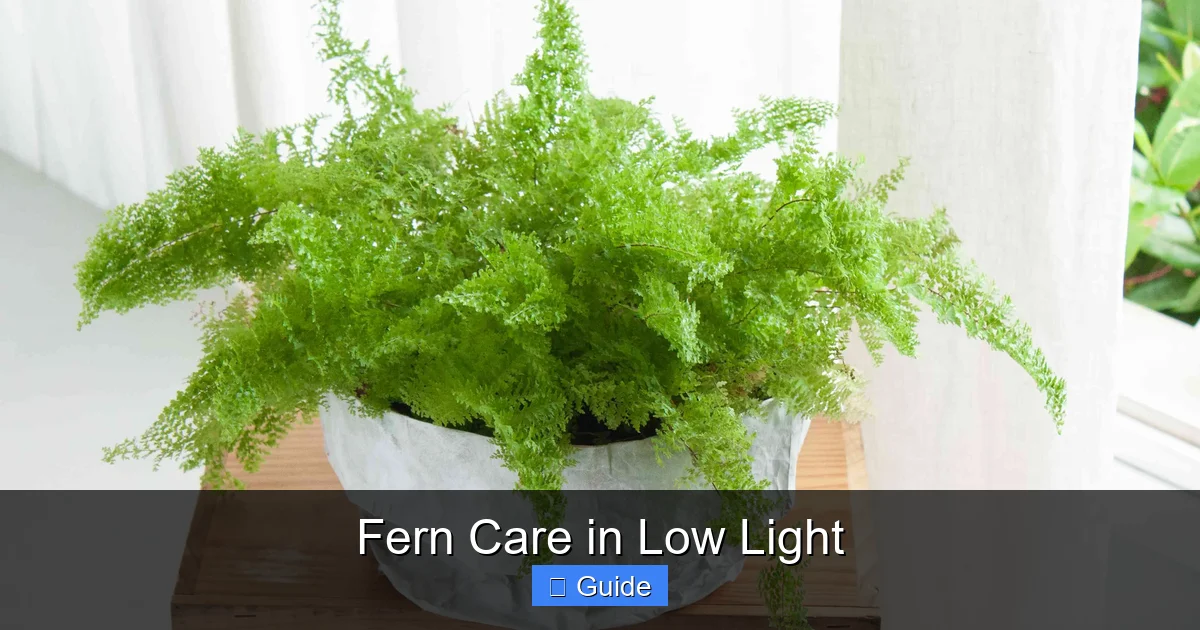
Visual guide about Fern Care in Low Light
Image source: thespruce.com
Maidenhair Fern
Maidenhair ferns have delicate, fan‑shaped leaflets that add elegance to any low‑light corner. They thrive when fern care in low light includes steady humidity and a well‑draining mix. Water when the surface feels dry to the touch, and avoid letting the pot sit in water. A small humidifier nearby can make a big difference. These ferns dislike drafts, so keep them away from heating vents or air‑conditioning units.
Bird’s Nest Fern
The bird’s nest fern forms a rosette of broad, wavy fronds that collect water in the center. This trait makes it forgiving for fern care in low light because the plant stores moisture naturally. Place it in a spot with bright indirect light, such as near an east‑facing window with a sheer curtain. Water the soil when the top inch dries out, and mist the crown occasionally. Avoid pouring water directly into the nest to prevent fungal issues.
Button Fern
Button ferns are compact, with round leaflets that resemble tiny buttons. They are ideal for fern care in low light on desks or shelves. These ferns like a slightly drier period between waterings, so let the top half of the soil dry before the next drink. Provide a pebble tray or group with other humidity‑loving plants. A light feeding every six weeks keeps the foliage bright green.
Watering Strategies for Fern Care in Low Light
Checking soil moisture
Before watering, press your finger about an inch into the soil. If it feels dry, it is time to water. This simple test is the cornerstone of fern care in low light because overwatering is the most common mistake. Use a moisture meter if you prefer a gadget. Consistent checking helps you learn the plant’s rhythm and prevents soggy roots.
Watering frequency
In low light, ferns typically need water once every seven to ten days. The exact schedule depends on pot size, soil mix, and indoor humidity. When you practice fern care in low light, observe the fronds: limp leaves often mean the plant is thirsty. Water thoroughly until excess drains out the bottom, then empty the saucer. This ensures the entire root zone gets moisture without waterlogging.
Avoiding overwatering
Overwatering leads to yellowing fronds and a musty smell from the soil. To avoid this, always use pots with drainage holes and a saucer you can empty. Add a layer of coarse gravel at the bottom of the pot for extra drainage. If you notice the soil staying wet for days, reduce the amount of water per session. Fern care in low light becomes much easier when you respect the plant’s lower water demand.
Humidity and Air Flow
Raising humidity
Ferns love humidity levels of 50 percent or higher. In dry homes, especially during winter, a humidifier is the most reliable tool for fern care in low light. Set it to run a few hours each day near the plants. Alternatively, place a shallow tray filled with water and pebbles under the pot; as the water evaporates, humidity rises around the fronds. Grouping several ferns together also creates a mini‑humid microclimate.
Grouping plants
When you cluster ferns with other moisture‑loving houseplants, the collective transpiration boosts ambient humidity naturally. This technique is a low‑effort way to support fern care in low light without extra equipment. Choose companions like peace lilies, calatheas, or philodendrons. Keep a small gap between pots for air circulation, which helps prevent fungal spores from settling.
Using pebble trays
A pebble tray is simple: fill a shallow tray with clean pebbles, add water until it sits just below the top of the stones, then set the fern pot on top. The pot should not touch the water directly. This method raises humidity around the plant while keeping roots dry. Refill the tray as water evaporates. It is an inexpensive hack that works well for fern care in low light in any room.
Soil, Potting, and Repotting
Ideal soil mix
A good mix for fern care in low light combines peat moss or coco coir, perlite, and fine bark in equal parts. This blend holds moisture yet drains quickly, giving roots both water and oxygen. Avoid heavy garden soil, which compacts and suffocates roots. You can buy a ready‑made fern potting mix or make your own at home. Refresh the top layer of soil each spring to replenish nutrients.
Choosing the right pot
Select a pot that is only one size larger than the current root ball. Too large a container holds excess water, which is risky for fern care in low light. Terracotta pots breathe and wick moisture away, while plastic pots retain water longer. Match the pot material to your watering habit: if you tend to overwater, terracotta helps; if you forget, plastic gives a buffer. Ensure the pot has several drainage holes.
When to repot
Repot ferns every one to two years, preferably in early spring before new growth starts. Signs it is time include roots circling the bottom, water running straight through the pot, or the plant looking top‑heavy. Gently loosen the root ball, trim any dead roots, and place the fern in fresh mix. Water thoroughly after repotting and keep the plant in a slightly shadier spot for a week to reduce transplant shock. This routine keeps fern care in low light on track for years.
Feeding, Common Problems, and Long‑Term Tips
Light feeding schedule
Ferns are light feeders. During the active growing season (spring through early fall), apply a balanced liquid fertilizer diluted to half strength once a month. In winter, stop feeding altogether because growth slows. This schedule supports healthy fronds without burning delicate roots. Remember that fern care in low light means the plant uses fewer nutrients, so less fertilizer is better.
Organic options
If you prefer organic, try worm castings tea or a seaweed extract diluted according to label directions. These provide micronutrients and beneficial microbes that improve soil health. Apply them in place of synthetic fertilizer during the growing months. Organic feeds are gentle and align well with the low‑maintenance nature of fern care in low light.
Yellowing fronds
Yellow fronds often signal overwatering, low humidity, or nutrient deficiency. First, check soil moisture and adjust watering. Increase humidity with a pebble tray or humidifier. If the problem persists, a light dose of nitrogen‑rich fertilizer may help. Trim away fully yellowed fronds at the base to encourage new growth. Consistent monitoring keeps fern care in low light trouble‑free.
Brown tips
Brown leaf tips usually mean the air is too dry or the plant has experienced a sudden temperature change. Raise humidity immediately and keep the fern away from drafts, heaters, and air‑conditioning vents. Flush the soil with distilled water occasionally to remove salt buildup from fertilizer. Snip off the brown tips with clean scissors, cutting just above the healthy tissue. This simple step restores the plant’s appearance.
Pest issues
Common pests include spider mites, mealybugs, and scale insects. Inspect the undersides of fronds weekly. If you spot tiny webs, cottony masses, or sticky residue, treat with insecticidal soap or neem oil. Spray thoroughly, covering both sides of the leaves, and repeat after a week. Keeping humidity high and leaves clean reduces pest pressure, making fern care in low light easier to manage.
Rotate regularly
Turn the pot a quarter turn each week so all sides receive equal indirect light. This prevents the fern from leaning toward the window and promotes a symmetrical shape. Regular rotation is a low‑effort habit that pays off in a fuller, more attractive plant. It also helps you spot early signs of stress on any side.
Clean leaves
Dust on fronds blocks light and reduces photosynthesis. Wipe the leaves gently with a damp cloth or give the plant a lukewarm shower once a month. Avoid using leaf‑shine products, which can clog pores. Clean foliage also makes it easier to spot pests or disease early. This quick maintenance step is a cornerstone of successful fern care in low light.
Monitor light changes
Seasonal shifts alter the intensity and duration of natural light indoors. In winter, a spot that was bright enough may become too dim. Move the fern closer to a window or supplement with a grow light set to a low intensity for a few hours daily. Observing the plant’s response guides you to the best location year‑round. Adapting to light changes keeps fern care in low light effective in every season.
Conclusion
Fern care in low light is absolutely doable with a few mindful habits. Choose shade‑tolerant varieties, keep the soil evenly moist, and boost humidity whenever you can. Feed lightly, repot on schedule, and stay vigilant for yellowing, brown tips, or pests. Rotate, clean, and adjust the plant’s spot as the seasons change. By following these simple steps, your ferns will reward you with lush, green fronds that brighten even the dimmest corners of your home. Happy growing!
Frequently Asked Questions
What does low light mean for indoor plants?
Low light refers to areas that receive only indirect brightness for a few hours a day, such as north‑facing windows or spots several feet from a south window.
Which fern varieties thrive in low light?
Boston fern, maidenhair fern, bird’s nest fern, and button fern are all well‑suited to dim conditions.
How can I increase humidity for my ferns without a humidifier?
Place the pot on a pebble tray with water, group several plants together, or mist the fronds daily.
What soil mix works best for ferns in low light?
A mix of equal parts peat moss or coco coir, perlite, and fine bark provides moisture retention and good drainage.
When should I repot my fern?
Repot every one to two years in early spring, or when roots circle the pot and water runs straight through.
How do I treat spider mites on a fern?
Spray the plant with insecticidal soap or neem oil, covering both leaf surfaces, and repeat after one week.