Coral Bells Plants Mixed
Coral bells plants mixed collections offer gardeners a spectacular array of foliage colors and textures in one convenient package. These versatile perennials thrive in shade to partial sun, providing year-round interest with minimal maintenance. Perfect for borders, containers, and woodland gardens.
Key Takeaways
- Diverse Color Palette: Mixed coral bells collections feature foliage in shades of purple, silver, gold, orange, red, and green, creating instant visual impact.
- Shade Tolerance: These perennials excel in partial to full shade, making them perfect for challenging garden spots where other plants struggle.
- Year-Round Interest: Evergreen in mild climates, coral bells provide consistent foliage color through winter when most perennials die back.
- Low Maintenance: Once established, these plants require minimal care – occasional watering, annual dividing, and removal of spent flower stalks.
- Pollinator Friendly: The delicate bell-shaped flowers attract hummingbirds, bees, and butterflies throughout the blooming season.
- Versatile Design Element: Works beautifully in containers, borders, rock gardens, and as groundcover under trees and shrubs.
- Deer Resistant: The fuzzy foliage texture and bitter taste make coral bells unappealing to deer and rabbits.
Quick Answers to Common Questions
What does “coral bells plants mixed” mean on a plant label?
It indicates a curated assortment of different Heuchera varieties sold together, typically offering complementary foliage colors and textures in one convenient package.
How much sun can mixed coral bells tolerate?
Most varieties prefer morning sun with afternoon shade. In cooler zones (4-6), they handle more sun; in hot zones (7-9), they need protection from intense afternoon rays.
When is the best time to plant coral bells?
Spring and early fall are ideal. Spring gives roots all season to establish; fall planting (six weeks before ground freeze) allows root growth in cool, moist conditions.
Do coral bells come back every year?
Yes, they are hardy perennials (zones 4-9) that return reliably. Most are evergreen in mild winters and herbaceous in cold climates, regrowing from the crown each spring.
How often should I divide my coral bells plants?
Every three to four years, or when centers become woody and growth declines. Spring division yields the fastest re-establishment.
📑 Table of Contents
- Why Gardeners Love Coral Bells Plants Mixed Collections
- Understanding What You Get in a Mixed Collection
- Choosing the Right Spot for Your Coral Bells
- Planting Your Mixed Collection Like a Pro
- Ongoing Care Through the Seasons
- Designing with Coral Bells Plants Mixed Collections
- Troubleshooting Common Issues
- Propagating Your Favorites
- Building Your Collection Over Time
- Conclusion: Your Shade Garden Deserves This
Why Gardeners Love Coral Bells Plants Mixed Collections
If you have ever wandered through a garden center in spring, you have probably seen those tempting trays labeled coral bells plants mixed and wondered what makes them so special. Let me tell you – these little perennials are absolute garden superstars. They bring color to shady corners where flowers often fail, they ask for very little in return, and they look good from early spring until the snow flies.
I remember the first time I planted a mixed collection. I bought a six-pack on impulse, tucked them along a north-facing fence, and forgot about them. By midsummer, that forgotten strip had become the most talked-about part of my garden. Neighbors stopped to ask what those “amazing purple and caramel plants” were. That is the magic of a well-chosen coral bells plants mixed assortment – instant sophistication with zero fuss.
Understanding What You Get in a Mixed Collection
The Heuchera Family Tree
Before we dive deeper, let us clear up a common point of confusion. Coral bells belong to the genus Heuchera, native to North America. There are roughly 50 species, but the plants you buy at nurseries are almost always complex hybrids bred for spectacular foliage. When you see coral bells plants mixed on a label, you are getting a curated selection of these hybrids chosen to complement each other.
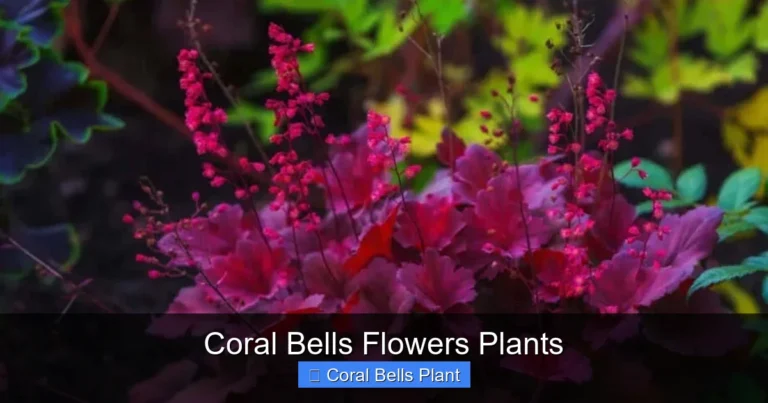
The species Heuchera sanguinea gave the group its common name – it produces genuine coral-red flowers on wiry stems. Modern breeding has expanded the flower range to white, pink, and cream, but honestly? Most of us grow them for the leaves. The flowers are a lovely bonus, like finding a five-dollar bill in a winter coat pocket.
Typical Varieties in a Mixed Pack
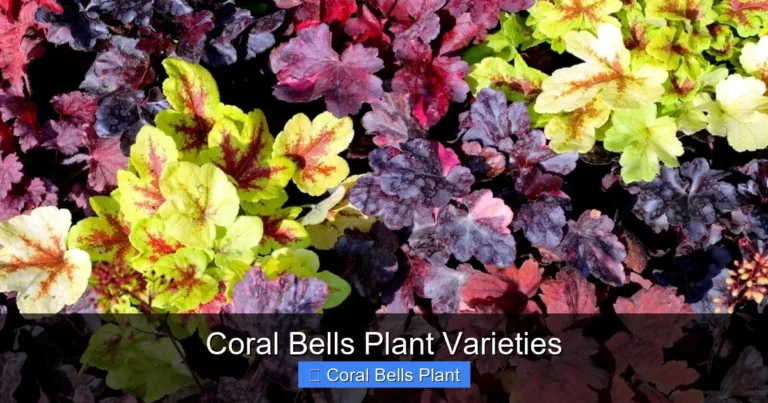
A quality coral bells plants mixed collection usually includes five to seven distinct varieties. You might find ‘Palace Purple’ with its deep metallic burgundy leaves, ‘Caramel’ glowing like burnt sugar, ‘Lime Rickey’ bringing electric chartreuse, ‘Silver Scrolls’ with frosted pewter foliage veined in charcoal, ‘Georgia Peach’ shifting from peach to rose to purple through the seasons, ‘Obsidian’ offering the blackest leaves in the genus, and ‘Midnight Rose’ splashed with hot pink freckles on near-black backgrounds.
Each variety brings its own personality. Some form tight mounds eight inches tall. Others spread to eighteen inches wide. Leaf shapes vary from rounded to deeply lobed, smooth to ruffled. This diversity is exactly why mixed collections work so well – they create a tapestry effect that single varieties cannot achieve alone.
Choosing the Right Spot for Your Coral Bells
Light Requirements Decoded
Here is where many gardeners go wrong. The plant tag says “part shade to full shade,” and people plant them in deep, dark shade under mature maples. Then they wonder why the plants sulk. The truth is more nuanced. Most coral bells plants mixed varieties want morning sun and afternoon shade, or dappled light throughout the day. In cooler climates (zones 4-6), they can handle more sun – even full sun with adequate moisture. In hot climates (zones 7-9), they need protection from intense afternoon rays.
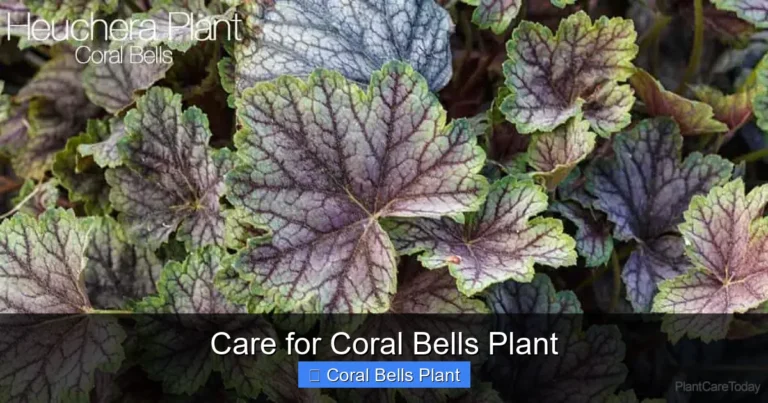
The foliage color actually changes with light exposure. Those deep purples and blacks? They need some sun to develop full pigmentation. In too much shade, they turn muddy green. The bright golds and chartreuses? They can scorch in direct sun but glow brilliantly in bright shade. Silver varieties hold their color best in filtered light. This is why observing your garden’s light patterns for a full day before planting pays off enormously.
Soil Preferences and Preparation
Coral bells are not divas, but they do have standards. They want well-drained soil rich in organic matter. Heavy clay that stays soggy after rain will rot their crowns faster than you can say “root rot.” Sandy soil that drains instantly leaves them thirsty. The sweet spot is loamy soil amended with compost, leaf mold, or well-rotted manure.
Before planting your coral bells plants mixed collection, work two to three inches of organic matter into the top eight inches of soil. If your soil is truly terrible, consider raised beds or containers. These plants have relatively shallow root systems, so they adapt beautifully to container life. Just ensure whatever vessel you choose has excellent drainage holes.
Spacing for Success
Those little four-inch pots look tiny, but give them room. Most varieties in a coral bells plants mixed assortment will spread twelve to eighteen inches within two years. Plant them twelve to fifteen inches apart for a filled-in look by season two, or eighteen inches apart if you are patient and budget-conscious. They will knit together eventually, forming a living mulch that suppresses weeds and conserves moisture.
Planting Your Mixed Collection Like a Pro
Timing Matters
Spring and early fall are the gold-standard planting windows. Spring planting gives roots all season to establish before winter. Fall planting (six weeks before ground freeze) lets roots grow in cool, moist soil without the stress of summer heat. Summer planting works if you are diligent about watering, but why make life harder? If you buy a coral bells plants mixed tray in July, baby them in a shaded holding area until September.
The Planting Process Step by Step
Water your plants thoroughly an hour before planting. Dig holes twice as wide as the root balls but no deeper. This is crucial – coral bells crowns must sit at or slightly above soil level. Buried crowns rot. Exposed crowns dry out. Aim for that Goldilocks zone where the crown meets the soil surface.
Gently tease circling roots apart. Place the plant, backfill with amended soil, firm gently with your hands (not your feet – compacted soil defeats the purpose), and water deeply to settle soil and eliminate air pockets. Apply a thin layer of shredded bark or leaf mulch, keeping it away from the crowns. Water every two to three days for the first three weeks unless rain does the job for you.
Container Planting Tips
Coral bells plants mixed collections shine in containers. Choose a pot at least twelve inches wide and deep. Use high-quality potting mix amended with perlite for drainage. Plant three to five varieties in a twelve-inch pot, seven to nine in an eighteen-inch pot. The thriller-filler-spiller design principle works beautifully here – taller varieties in center or back, mounding types around edges, trailing varieties (like ‘Sweet Tea’ or ‘Tiramisu’) cascading over the rim.
Container plants need more frequent watering and feeding. Check daily in hot weather. Feed with half-strength balanced liquid fertilizer monthly during growing season. In winter, move pots to an unheated garage or bury them in a vegetable bed for root protection.
Ongoing Care Through the Seasons
Spring Awakening
As snow melts, you may see tattered winter foliage. Resist the urge to yank it off. Those old leaves protect the crown from late freezes. Wait until new growth emerges strongly, then snip away the ratty leaves at the base. This is also the perfect time to apply a light top-dressing of compost around (not on) the crowns. A slow-release organic fertilizer scratched into the surface gives a gentle season-long boost.
Spring is division season too. If your coral bells plants mixed clumps have woody centers with growth only at the edges, or if flowering has declined, dig the whole clump, pull or cut apart into sections with healthy roots and several growth points, and replant the vigorous pieces. Discard the woody centers. Divisions establish quickly in cool spring soil.
Summer Maintenance
Summer care is delightfully minimal. Deadhead spent flower stalks by cutting them to the base – this redirects energy to foliage and sometimes prompts a light rebloom. Water during dry spells, aiming for an inch per week including rainfall. Mulch helps enormously. Watch for the occasional pest – vine weevil larvae eat roots, foliar nematodes cause angular brown lesions between leaf veins. Both are uncommon but treatable with beneficial nematodes or targeted controls if caught early.
Fall Preparation
Stop fertilizing by late August. You want plants hardening off, not pushing tender new growth. Continue watering until ground freezes – hydrated roots survive winter better. In zones 4-5, apply a protective mulch of straw or shredded leaves after the ground freezes. This prevents freeze-thaw cycles from heaving the shallow crowns. Do not cut back foliage in fall. Those leaves are winter insulation.
Winter Survival
In mild winters, coral bells plants mixed varieties stay evergreen and gorgeous. In harsh winters, they may look dead by March. Do not panic. Scratch a stem with your fingernail – green underneath means life. The crowns are incredibly cold-hardy (most to zone 4, some to zone 3) if drainage is good. Wet winter soil kills more coral bells than cold ever does.
Designing with Coral Bells Plants Mixed Collections
Companion Planting Magic
The real fun begins when you start pairing your coral bells plants mixed collection with neighbors. Hostas are classic partners – their bold, smooth leaves contrast beautifully with the ruffled, veined, or frosted textures of heucheras. Ferns add airy verticality. Brunnera ‘Jack Frost’ echoes the silver varieties. Astilbes bring feathery plumes in early summer. Japanese forest grass (Hakonechloa) flows like water around the mounded forms.
For spring bulb combinations, plant daffodils, species tulips, or alliums among the coral bells. The bulbs bloom before the heucheras hit full stride, then the expanding foliage hides the ripening bulb leaves. It is a perfect succession. In containers, try pairing with carex sedges, trailing lobelia, or spring-blooming violas for early color.
Color Theory in the Shade Garden
A coral bells plants mixed collection is essentially a color theory lesson in a tray. You have analogous schemes (purples blending into reds into oranges), complementary contrasts (chartreuse against deep purple), and monochromatic sophistication (silvers and pewters). Use this intentionally. Plant the warm-toned varieties (caramels, peaches, coppers) together for a sunset effect. Group the cool tones (silvers, purples, blacks) for moody elegance. Scatter the brights (lime, gold, rose-splashed) as exclamation points.
Remember that foliage color shifts through the seasons. ‘Georgia Peach’ might be peachy in spring, rosy in summer, purplish in fall. ‘Midnight Rose’ shows its pink spots best in spring and fall, fading in summer heat. Design for the season you enjoy most in that garden area, or embrace the ever-changing show.
Beyond the Border: Creative Uses
Do not limit yourself to traditional beds. Coral bells plants mixed varieties excel as edging along shaded paths – their neat mounds define space without blocking sightlines. They thrive in the dry shade under shallow-rooted trees where grass refuses to grow. Plant them in drifts of five to seven for impact. Use them in rock gardens where their evergreen foliage provides winter structure. Tuck them into stone wall crevices – many species naturally grow on rocky slopes.
They also make superb cut foliage for arrangements. The stems last two weeks in water, and the color range lets you build stunning bouquets without a single flower. Try combining ‘Obsidian’, ‘Lime Rickey’, and ‘Caramel’ stems in a low vase for a modern foliage arrangement that outlasts any flower bouquet.
Troubleshooting Common Issues
Crown Rot: The Number One Killer
If your coral bells plants mixed collection declines despite good care, check the crowns. Mushy, brown, foul-smelling crowns indicate rot. This almost always traces to poor drainage, buried crowns, or excessive mulch against the stems. Prevention is everything – plant high, mulch away from crowns, ensure drainage. If caught early, you can sometimes save a plant by digging it, cutting away rotted tissue, dusting with sulfur, and replanting in a better spot. But honestly? It is usually faster to replace.
Foliage Problems
Brown crispy edges usually mean too much sun or too little water. Move or water accordingly. Yellowing lower leaves are often natural aging – just remove them. Angular brown patches between veins suggest foliar nematodes – remove affected leaves, improve air circulation, avoid overhead watering. White powdery coating is powdery mildew – rare on heucheras but possible in humid, stagnant conditions. Improve airflow, water at soil level.
Flowering Disappointments
If your coral bells plants mixed varieties produce few flowers, they may be too young (many bloom best in year two), too shaded, or over-fertilized with nitrogen. A phosphorus-rich fertilizer in early spring can encourage blooms. But remember – we grow these for foliage. The flowers are charming but fleeting. Some of the most spectacular foliage varieties (like ‘Obsidian’) have fairly insignificant flowers. That is a trade-off breeders made intentionally.
Propagating Your Favorites
Division: The Reliable Method
As mentioned, division is the easiest way to multiply your coral bells plants mixed collection. Do it in spring or early fall. Dig the entire clump. Wash soil off roots to see what you are working with. Pull or cut apart into sections, each with several growth buds and healthy roots. Replant immediately at the same depth. Water well. Divisions often bloom the same season.
Seed: The Adventure Method
Growing from seed is fun but remember – hybrids do not come true from seed. Your coral bells plants mixed collection contains complex hybrids. Their seedlings will be variable, often reverting to greener, less dramatic forms. But occasionally you get a gem. If you want to try, collect seed when capsules turn brown and split. Sow fresh on moist seed-starting mix, barely covered. Germination takes two to eight weeks at sixty-five to seventy degrees. Transplant seedlings to individual pots when they have true leaves.
Leaf Cuttings: The Experimental Method
Some gardeners propagate heucheras from leaf cuttings. Take a healthy leaf with a short petiole (stem). Dip the cut end in rooting hormone. Insert into moist perlite-vermiculite mix. Cover with a plastic bag. Keep bright but not sunny. Roots may form at the petiole base in four to eight weeks. Success rates vary wildly by variety. Division remains far more reliable.
Building Your Collection Over Time
Starting with a Mixed Tray
A coral bells plants mixed starter collection is the smartest way to begin. You get instant diversity, learn which varieties thrive in your conditions, and identify your personal favorites. After a season or two, you will know exactly which colors and forms sing in your garden. Then you can invest in larger specimens of those favorites.
Adding New Varieties Each Year
The heuchera world explodes with new introductions annually. Breeders focus on heat tolerance, sun tolerance, larger flowers, more dramatic foliage, and compact habits. Visit specialty nurseries or reputable online sources. Look for varieties bred in climates similar to yours – a heuchera bred in Oregon may melt in Georgia humidity, while one bred in North Carolina may lack cold hardiness for Minnesota.
Creating Themed Collections
Once you are hooked (and you will be), consider themed plantings. A “jewel box” bed with only the richest purples, reds, and bronzes. A “moonlight garden” of silvers, pewters, and pale golds that glow at dusk. A “tropical punch” border of hot oranges, corals, and chartreuses. A “native focus” using varieties with strong Heuchera americana or H. villosa genetics for maximum toughness. The possibilities are endless because the genus is so diverse.
Conclusion: Your Shade Garden Deserves This
After twenty years of gardening, I can say without hesitation that coral bells plants mixed collections deliver more satisfaction per square foot than almost any other perennial. They solve the shade problem. They solve the winter interest problem. They solve the deer problem. They ask for so little and give so much.
If you have a shady spot that feels like a gardening dead zone, order a mixed collection this spring. Plant them with care. Water them in. Then step back and watch. By midsummer, you will understand why gardeners become obsessed. By next spring, you will be dividing and sharing. By year three, you will be the neighbor with the “amazing purple and caramel plants” that everyone asks about.
Your garden deserves this kind of reliable, long-lasting, four-season beauty. And you deserve the joy of growing it. Happy planting.
Frequently Asked Questions
Are coral bells plants mixed collections deer resistant?
Yes, coral bells are highly deer resistant due to their fuzzy leaf texture and bitter-tasting compounds. Rabbits also tend to avoid them, making these perennials excellent choices for gardens with wildlife pressure.
Can I grow coral bells in containers year-round?
Absolutely. Coral bells thrive in containers with good drainage and quality potting mix. In zones 5 and colder, move pots to an unheated garage or bury them in the garden for winter root protection.
Why are my coral bells turning green instead of staying purple?
Insufficient light causes dark varieties to produce more chlorophyll, turning leaves greener. Most purple and black varieties need at least a few hours of morning sun or bright dappled light to maintain their deepest pigmentation.
Do coral bells flowers attract hummingbirds?
Yes, the tubular bell-shaped flowers are highly attractive to hummingbirds, as well as bees and butterflies. Bloom time varies by variety but generally occurs late spring through early summer.
What causes the center of my coral bells to die out?
Woody, dead centers indicate the plant needs division. As coral bells age, the original crown becomes woody and unproductive while new growth occurs at the edges. Division every three to four years rejuvenates the plant.
Can coral bells grow in full shade?
They survive in full shade but may become leggy, flower poorly, and lose vibrant foliage color. Bright shade or dappled light produces the best form and coloration for most varieties in a mixed collection.