Blueberry Care for Apartment Living
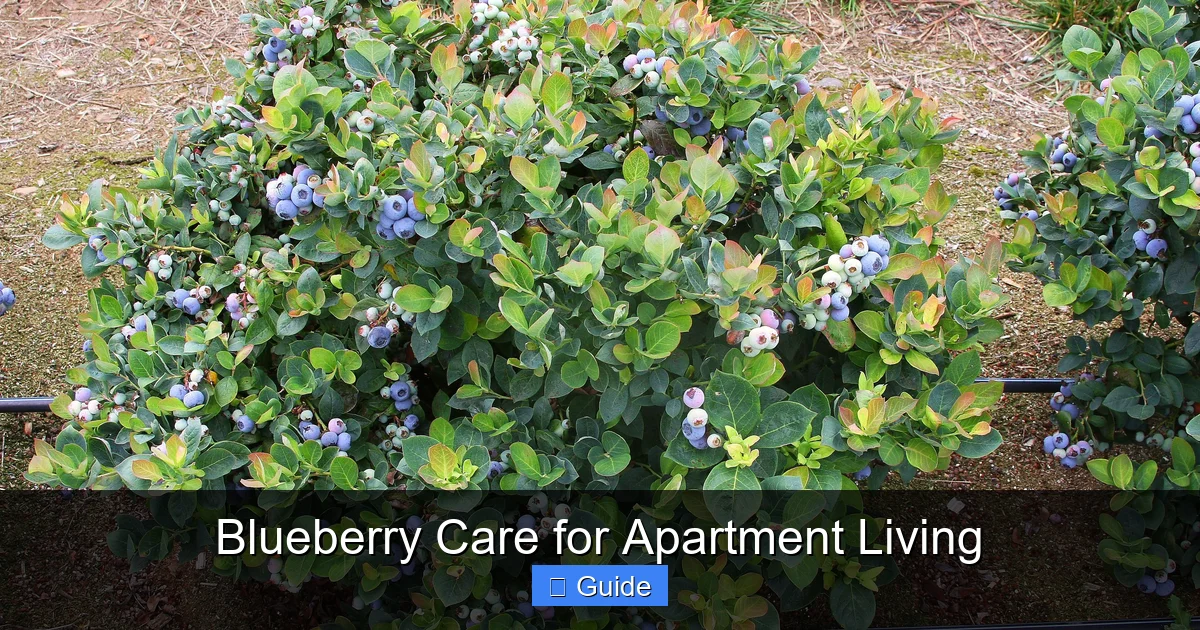
Blueberry care for apartment living is totally possible with the right varieties and containers. You can enjoy fresh, homegrown berries even without a backyard by choosing dwarf varieties, using acidic potting mix, and providing adequate sunlight on your balcony or patio.
Key Takeaways
- Choose dwarf varieties: Compact cultivars like ‘Top Hat,’ ‘Jelly Bean,’ and ‘Peach Sorbet’ thrive in containers and small spaces.
- Use acidic soil: Blueberries need pH 4.5-5.5; use ericaceous potting mix or amend regular mix with peat moss and sulfur.
- Provide 6+ hours of sun: Place containers on south-facing balconies or use grow lights for indoor growing success.
- Water consistently: Keep soil evenly moist but not soggy; use rainwater or filtered water to avoid alkaline buildup.
- Fertilize for acid-lovers: Apply slow-release acidic fertilizer in early spring and again after harvest.
- Protect from winter cold: Insulate pots or move them to sheltered spots; blueberries need chill hours but roots freeze in containers.
- Prune annually: Remove dead wood and thin crowded branches in late winter to maintain shape and boost fruit production.
Quick Answers to Common Questions
Can blueberries grow indoors year-round?
Yes, with full-spectrum LED grow lights (12-16 hours daily), acidic potting mix, and consistent moisture, dwarf blueberries can grow and fruit indoors. Choose self-fertile varieties like ‘Top Hat’ or ‘Sunshine Blue’ for best results.
What size pot do I need for a blueberry bush?
Minimum 15 gallons, but 20+ gallons is ideal. Wide, squat containers work better than tall narrow ones because blueberry roots spread horizontally. Half whiskey barrels, fabric grow bags, or large resin pots are excellent choices.
How often should I water container blueberries?
Check daily in summer. Water deeply when the top 2 inches of soil feel dry. This usually means daily watering in hot weather, every 2-3 days in cooler periods. Always use rainwater or filtered water to prevent pH drift.
Do I need two blueberry plants to get fruit?
Many dwarf varieties are self-fertile and will produce fruit alone. However, planting two different varieties that bloom together increases yield and berry size significantly through cross-pollination.
How do I protect potted blueberries in winter?
In zones 6 and colder, move pots to an unheated garage or sheltered spot. Wrap containers in bubble wrap or burlap. Mulch heavily. Water monthly if soil is dry. Roots in pots freeze much faster than in-ground roots.
📑 Table of Contents
- Why Grow Blueberries in an Apartment?
- Choosing the Right Blueberry Variety for Small Spaces
- Containers and Soil: The Foundation of Success
- Sunlight, Water, and Feeding: Daily Care Essentials
- Seasonal Care Calendar
- Troubleshooting Common Problems
- Creative Space-Saving Ideas
- Harvesting, Storing, and Enjoying Your Berries
- Advanced Tips for the Dedicated Grower
- Conclusion: Your Balcony Berry Journey Starts Now
Why Grow Blueberries in an Apartment?
Picture this. You step onto your balcony on a warm July morning. You reach over and pluck a handful of sun-warmed blueberries straight from your own plant. They burst with sweetness that store-bought berries simply cannot match. That dream is closer than you think.
Blueberry care for apartment living has exploded in popularity over the last decade. Plant breeders have developed incredible compact varieties bred specifically for containers. You no longer need acres of acidic soil. A sunny balcony, a decent pot, and a little know-how are all it takes.
Growing your own food connects you to nature in a way grocery shopping never will. It saves money. It reduces packaging waste. And there is a unique pride in serving dessert topped with berries you nurtured from flower to fruit. This guide walks you through every step. From picking the perfect variety to overwintering your plants, you will find everything you need right here.
Choosing the Right Blueberry Variety for Small Spaces
Not all blueberries are created equal. Standard highbush varieties can reach six to eight feet tall and wide. That is a non-starter for most balconies. You need plants bred for compact growth. The good news? Breeders have been busy.
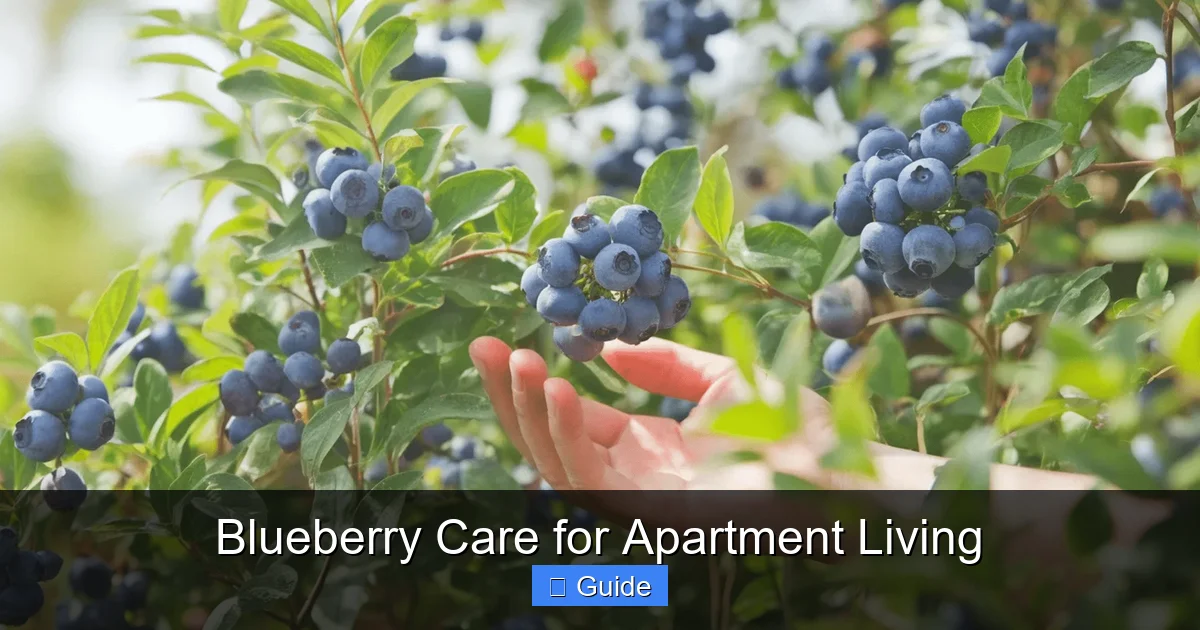
Visual guide about Blueberry Care for Apartment Living
Image source: randylemmon.com
Top Dwarf and Compact Cultivars
‘Top Hat’ is the classic dwarf blueberry. Released decades ago, it stays around eighteen to twenty-four inches tall and wide. It produces small but flavorful berries in mid-season. It is self-fertile, so you only need one plant. Perfect for a single pot on a modest balcony.
‘Jelly Bean’ from the Bushel and Berry collection forms a neat, rounded mound about one to two feet tall. Its foliage turns brilliant red in fall, adding ornamental value. The berries are medium-large and super sweet. It is a favorite for patio gardeners.
‘Peach Sorbet’ is another Bushel and Berry star. New growth emerges peach-pink, maturing to deep green. It stays compact at one and a half to two feet. The berries have a unique tropical flavor hint. It is self-fertile and very productive for its size.
‘Pink Icing’ offers stunning foliage color. Spring leaves are pink, blue, and green. Fall brings iridescent turquoise and purple tones. It grows two to three feet tall. The berries are large and robust. A real showstopper in a decorative container.
‘Perpetua’ is a game-changer. It produces two crops per year. A light crop in mid-summer on old wood, then a heavier crop in fall on new growth. It reaches four to five feet but can be pruned smaller. If you want maximum yield in minimal space, this is your pick.
Understanding Chill Hours
Blueberries need a certain number of chill hours. These are hours between 32 and 45 degrees Fahrenheit during winter dormancy. Without enough chill, plants flower poorly or not at all. Most northern highbush varieties need 800 to 1000 chill hours. That works great in Chicago or Boston. But if you are in Los Angeles or Miami, you need low-chill varieties.
Low-chill champions include ‘Sunshine Blue’ (150 hours), ‘Misty’ (200 hours), and ‘Sharpblue’ (200 hours). These are southern highbush types. They stay relatively compact naturally. ‘Sunshine Blue’ is especially popular for containers. It is semi-dwarf, evergreen in mild winters, and self-fertile.
Check your local extension service or a reliable nursery for chill hour data in your zip code. Match your variety to your climate. It is the single biggest factor in long-term success.
Self-Fertile vs. Cross-Pollination
Many dwarf varieties are self-fertile. They set fruit with just one plant. But even self-fertile blueberries produce larger berries and heavier yields with a pollination partner. If you have room for two pots, plant two different varieties that bloom at the same time. ‘Top Hat’ and ‘Jelly Bean’ overlap nicely. ‘Peach Sorbet’ and ‘Pink Icing’ are another great pair.
If space allows only one pot, do not worry. You will still get fruit. Just expect slightly smaller berries and a lighter crop. For many apartment gardeners, one happy plant is plenty.
Containers and Soil: The Foundation of Success
You cannot dig a hole in the ground. Your container is the ground. Get this right, and everything else gets easier. Get it wrong, and you will fight an uphill battle.
Pot Size and Material
Minimum pot size is fifteen gallons. Twenty gallons is better. Half whiskey barrels are ideal. They provide root insulation and stability in wind. Blueberry roots are shallow and fibrous. They spread wide rather than deep. A wide, squat container beats a tall, narrow one every time.
Material matters. Terracotta looks beautiful but dries out fast. It also cracks in freeze-thaw cycles. Glazed ceramic holds moisture better but is heavy. High-quality resin or fiberstone pots are lightweight, durable, and insulate roots well. Fabric grow bags (twenty to twenty-five gallons) are a fantastic budget option. They air-prune roots, preventing circling, and drain perfectly.
Whatever you choose, drainage holes are non-negotiable. Blueberries hate wet feet. Drill extra holes if needed. Elevate pots on pot feet or bricks. This ensures water exits freely and prevents roots from baking on hot concrete.
The Perfect Potting Mix
Do not use garden soil. Do not use standard potting soil straight from the bag. Both are usually too alkaline and too dense. Blueberries demand acidic, well-drained, organic-rich media. Target pH 4.5 to 5.5.
DIY Blueberry Mix Recipe:
- 50% peat moss (or coconut coir for sustainability)
- 30% pine bark fines (aged, not fresh)
- 20% perlite or coarse sand
Mix thoroughly. Wet it down before filling pots. Peat moss is hydrophobic when bone dry. Pre-moistening saves headaches later. If you prefer bagged convenience, look for “ericaceous compost” or “acid-loving plant mix.” Brands like Espoma, Coast of Maine, and FoxFarm make good ones. Still, amend with extra pine bark and perlite for better long-term structure.
Testing and Maintaining pH
Buy a decent soil pH meter or test kit. Test at planting. Test again every spring. Container media pH drifts upward over time. Water alkalinity, fertilizer, and decomposition all push pH up.
If pH creeps above 5.5, acidify. Options include:
- Elemental sulfur (slow, long-lasting)
- Aluminum sulfate (fast, but use sparingly)
- Sphagnum peat moss top-dressing
- Acidic fertilizer (dual purpose)
Always follow package rates. Over-acidifying damages roots. Slow and steady wins this race.
Sunlight, Water, and Feeding: Daily Care Essentials
You have the right plant in the right pot with the right soil. Now keep it alive and productive. These three pillars determine your harvest.
Light Requirements
Blueberries need full sun. That means six to eight hours of direct sunlight daily. Eight is better. Six is the absolute minimum for decent fruit. Less sun equals leggy growth, few flowers, and bland berries.
South-facing balconies are gold. West-facing works if you get intense afternoon sun. East-facing is marginal. North-facing? Forget it, unless you supplement with grow lights.
If you only have four to five hours of sun, try ‘Sunshine Blue’ or ‘Top Hat.’ They tolerate partial shade better than most. But manage expectations. You will get fewer berries.
For indoor growing, you need serious lighting. A sunny windowsill is not enough. Invest in full-spectrum LED grow lights. Aim for 30-40 watts per square foot. Run them 12-16 hours daily. Keep lights 12-18 inches above the canopy. Adjust as plants grow.
Watering: The Goldilocks Zone
Blueberries have shallow, fine roots. They dry out fast. They also rot fast in standing water. Your job is consistent moisture. Not wet. Not dry. Just right.
Check daily in summer. Stick your finger two inches into the mix. If it feels dry at your fingertip, water deeply. Water until it runs out the bottom. This flushes salts and ensures the whole root zone is hydrated.
Morning watering is best. Foliage dries before evening, reducing fungal risk. If you must water in evening, avoid wetting leaves.
Water quality matters. Tap water is often alkaline (high pH, high bicarbonates). Over time, it raises soil pH. Rainwater is ideal. Collect it in barrels or buckets. If you must use tap water, let it sit overnight to off-gas chlorine. Better yet, use a simple carbon filter. For hardcore growers, a reverse osmosis system with remineralization is the gold standard.
Mulch the surface with two inches of pine bark, pine needles, or wood chips. Mulch conserves moisture, suppresses weeds, and slowly acidifies as it breaks down. Keep mulch an inch away from the stem to prevent rot.
Fertilizing for Acid Lovers
Blueberries are light feeders compared to tomatoes or roses. But in containers, nutrients leach out. You must replenish.
Use fertilizers formulated for acid-loving plants. Look for ammonium sulfate, urea, or cottonseed meal as nitrogen sources. Avoid nitrate-based nitrogen. It raises pH. Good choices include Espoma Holly-tone, Down to Earth Acid Mix, or Dr. Earth Acid Lovers.
Schedule:
- Early spring (bud break): Apply slow-release granular per package rate. Scratch into top inch of mulch/soil. Water in.
- Post-harvest (mid-late summer): Second application. Helps set next year’s flower buds.
- Monthly (optional): Liquid feed like fish emulsion or seaweed extract diluted to half strength. Great for a gentle boost.
Stop fertilizing by late August. You want plants hardening off for winter, not pushing tender new growth.
Watch for yellowing leaves with green veins (interveinal chlorosis). This signals iron deficiency, usually caused by high pH. Treat with chelated iron foliar spray for quick green-up, then fix the root cause (pH).
Seasonal Care Calendar
Blueberry care for apartment living follows a rhythm. Sync your tasks to the seasons, and your plants will reward you.
Late Winter (February-March): Pruning Time
Prune while plants are fully dormant. Goals: remove dead wood, open the center for light and air, stimulate new fruiting wood.
How to prune dwarf blueberries:
- Remove any dead, damaged, or diseased canes at the base.
- Remove low, sprawling branches that touch the pot rim.
- Thin crowded centers. Keep 4-6 strong, upright canes of varying ages (1-4 years old).
- Tip back overly long shoots to a strong bud.
- Remove any crossing or rubbing branches.
Young plants (first 2 years) need minimal pruning. Just remove flower buds the first year. Yes, sacrifice that tiny crop. It forces energy into root and canopy establishment. You will thank yourself in year three.
Early Spring (March-April): Wake Up and Feed
As buds swell, apply your first fertilizer. Refresh mulch layer. Check pH. Inspect for overwintering pests (scale, aphid eggs). Spray horticultural oil if needed.
If a late frost threatens during bloom, cover plants with frost cloth or move pots to a protected corner. Blueberry flowers tolerate 28°F briefly, but open blossoms die at 30°F.
Late Spring (May-June): Pollination and Fruit Set
Flowers appear. Bees do the work. If you are on a high balcony or indoors, pollinators may be scarce. Hand-pollinate! Use a small soft brush. Gently tickle the inside of each open flower. Move from plant to plant. Do this mid-morning on dry days. It takes five minutes and dramatically increases fruit set.
Thin fruit if clusters are absurdly heavy. Pinch off 20-30% of green berries. Remaining berries size up better. Plant energy goes to quality, not quantity.
Summer (July-August): Harvest and Hydration
Pick berries when fully blue, with a whitish bloom. They should detach with a gentle roll of the thumb. If you have to tug, wait two more days. Taste test daily. You will learn the perfect moment.
Water religiously during heat waves. Fruit is mostly water. Drought stress now means shriveled berries and dropped crop.
Net your plants if birds discover them. Bird netting over a simple frame (PVC hoops work great) saves the harvest. Check netting daily for trapped birds.
Fall (September-October): Prep for Dormancy
Stop fertilizing. Reduce watering as temperatures drop. Let the plant slow down naturally. Fall color change is a sign of health. Enjoy the foliage show! Many dwarf varieties turn brilliant red, orange, and purple.
Apply a final inch of compost or pine bark mulch. This insulates roots for winter.
Winter (November-March): Protection and Patience
Container roots are exposed to air temperatures. In-ground roots are buffered by earth. A pot at 20°F can kill roots hardy to -20°F in the ground. This is the biggest apartment blueberry killer.
Winter protection strategies:
- Zone 6 and colder: Move pots to an unheated garage, shed, or against a heated wall. Wrap pots in bubble wrap, burlap, or blankets. Bury pots in mulch or leaves.
- Zone 7-8: Group pots together in a sheltered corner. Wrap with burlap. Mulch heavily.
- Zone 9+: Minimal protection needed. Just avoid wind desiccation.
Water once a month if soil is dry and not frozen. Do not fertilize. Do not prune. Wait for spring.
Troubleshooting Common Problems
Even with perfect care, issues arise. Here is how to diagnose and fix the most frequent apartment blueberry troubles.
Pests
Birds are enemy number one. Net early. Reflective tape, fake owls, and wind chimes help briefly. Birds learn fast. Netting is the only reliable defense.
Spotted Wing Drosophila (SWD) is a tiny fruit fly that lays eggs in ripening berries. You see tiny white larvae inside fruit. Pick daily. Refrigerate immediately (stops larval development). Sanitation is key. Remove every overripe and fallen berry. Traps with apple cider vinegar + drop of soap catch adults.
Aphids cluster on new growth. Blast with water. Spray insecticidal soap or neem oil. Encourage ladybugs.
Scale insects look like small bumps on stems. Scrape off with fingernail or toothbrush. Spray horticultural oil in dormant season.
Blueberry maggot (fly larvae in fruit) is less common in containers but possible. Same sanitation as SWD. Kaolin clay spray (Surround) deters egg-laying.
Diseases
Mummy Berry is a fungal disease. Berries shrivel, turn pinkish-gray, and drop. They become “mummies” that overwinter and release spores in spring. Remove and trash every mummified berry. Do not compost. Mulch heavily in spring to bury spores. Copper fungicide at bud break helps.
Botrytis (Gray Mold) appears as fuzzy gray fuzz on berries and blossoms. Caused by wet, humid conditions. Improve air circulation. Prune for openness. Water at base, not overhead. Remove infected parts immediately.
Root Rot (Phytophthora) kills from the bottom up. Leaves yellow, wilt, plant collapses. Caused by poor drainage and overwatering. Prevention is everything. Use well-drained mix. Pots with holes. Never let pots sit in saucers of water. If caught early, repot into fresh mix, trim rotten roots, treat with phosphorous acid fungicide.
Powdery Mildew shows as white powder on leaves. Common in shady, humid spots with poor airflow. Move to sunnier location. Spray potassium bicarbonate or neem oil. Resistant varieties help.
Nutrient Deficiencies
Nitrogen: Uniform yellowing of oldest leaves. Stunted growth. Fix with acidic fertilizer.
Iron: Yellow leaves with green veins (interveinal chlorosis) on NEW growth. High pH is usually the cause. Lower pH. Foliar spray chelated iron for fast fix.
Magnesium: Yellowing between veins on OLDER leaves, leaf edges may curl. Epsom salts (1 tbsp/gallon) as soil drench or foliar spray.
Boron: Twisted, distorted new growth. Death of growing tips. Very rare. Tiny amounts of borax (1/4 tsp/gal) fixes it. Be careful. Boron toxicity is easy and deadly.
Creative Space-Saving Ideas
Apartment living demands creativity. Here are ways to maximize every square inch.
Vertical Growing
Blueberries do not vine. But you can stage pots vertically. Tiered plant stands. Shelving units against a wall. Repurposed pallets secured to a railing. Just ensure each plant gets its six hours of sun. Rotate positions weekly for even light.
Railing Planters
Specialized railing planters clamp onto balcony rails. They double your growing space without using floor area. Choose deep models (12+ inches). Line with landscape fabric. Fill with your acidic mix. ‘Top Hat’ and ‘Jelly Bean’ are perfect candidates.
Companion Planting in Containers
Underplant blueberries with shallow-rooted acid lovers. Strawberries (alpine or day-neutral) make a lovely living mulch. They appreciate similar conditions. Thyme, oregano, and creeping phlox work too. Avoid deep-rooted or heavy-feeding companions.
Indoor Growing Setups
No balcony? No problem. A sunny room plus grow lights works. Use a rolling plant caddy. Move plants to follow the sun. Or set up a dedicated grow tent. Control light, humidity, temperature. You can even force early crops by manipulating chill hours in a refrigerator (advanced technique).
Hydroponic Blueberries
Yes, it works. Deep Water Culture (DWC) or drip systems with coco coir/perlite mix. Nutrient solution pH 4.5-5.0. EC 1.0-1.5. Requires more monitoring but yields can be spectacular. ‘Sunshine Blue’ and ‘Misty’ adapt well. This is for the tech-savvy gardener who loves gadgets.
Harvesting, Storing, and Enjoying Your Berries
The payoff. The moment you have waited for.
When and How to Pick
Blueberries do not ripen after picking. Wait for full flavor. The berry should be uniformly blue (or pink for ‘Pink Lemonade’ types). The stem end should be blue, not green or red. It should fall into your hand with a gentle tickle.
Pick in the cool morning. Berries are firmer, store better. Use a shallow container. Do not pile deep. They crush easily.
Short-Term Storage
Do not wash until ready to eat. Moisture = mold. Spread unwashed berries in a single layer on a paper towel-lined container. Cover loosely. Refrigerate. They keep 10-14 days.
Freezing for Year-Round Use
Freeze in a single layer on a baking sheet. Once solid, transfer to freezer bags. No clumps. Perfect for smoothies, baking, oatmeal. They retain most nutrients and flavor for 12+ months.
Dehydrating
Dehydrated blueberries are candy. Use a dehydrator at 135°F for 18-24 hours. Or oven on lowest setting with door propped open. Store in airtight jars with a silica packet. Amazing in granola, trail mix, or rehydrated for baking.
Recipe Ideas
Fresh on yogurt. In pancakes. Blueberry compote for pancakes or ice cream. Blueberry jam (easy, no pectin needed). Blueberry lemon muffins. Blueberry vinaigrette for salads. Blueberry BBQ sauce for grilled chicken. Freeze some, eat most fresh. Share with neighbors. Make friends.
Advanced Tips for the Dedicated Grower
Ready to level up? These techniques separate good harvests from great ones.
Root Pruning and Repotting
Every 3-4 years, container blueberries become root-bound. Growth slows. Water runs straight through. In late winter, slide the root ball out. Saw off the bottom third of roots. Shave an inch off the sides. Repot in fresh acidic mix in the same pot (or size up). Water well. Top-prune to match root loss. The plant will explode with fresh vigor.
Managing Chill Hours Artificially
In warm climates (zone 9b+), natural chill is insufficient. You can force dormancy. After leaf drop in fall, move the pot to a refrigerator (35-45°F) for the required chill hours. Keep soil barely moist. Dark is fine. After chill is met, bring out to warmth and light. It will break bud and fruit on schedule. This lets you grow highbush varieties in Miami.
Grafting Multiple Varieties
One pot, three varieties. Graft scions of different cultivars onto a single rootstock in late winter. You get cross-pollination, extended harvest, and variety diversity in one container. It is a fun winter project. Success rates are high with whip-and-tongue grafts on pencil-thick wood.
Soil Moisture Sensors
Bluetooth soil sensors (like Ecowitt or Flower Care) stick in the pot. They report moisture, light, fertility, and temperature to your phone. Alerts when watering is needed. Data logs help you dial in perfect care. Great for frequent travelers or data nerds.
Conclusion: Your Balcony Berry Journey Starts Now
Blueberry care for apartment living is not a compromise. It is a different, often easier, way to grow. No weeds. No soil-borne diseases from the ground. Total control over pH, drainage, and nutrients. Mobility to chase sun or escape frost. And the harvest? Just as sweet.
Start small. One pot. One ‘Jelly Bean’ or ‘Top Hat.’ Learn the rhythm. Taste that first homegrown berry. You will be hooked. Next season, add a second variety. Try a railing planter. Experiment with a new recipe. Share the bounty.
Gardening in containers teaches patience, observation, and adaptability. The same skills that make you a better grower make you a better anything. So grab a pot. Mix that acidic soil. Plant your future breakfast. The balcony is waiting.
Your blueberry journey begins today. Happy growing.
Frequently Asked Questions
What is the best blueberry variety for a small balcony?
‘Jelly Bean’ and ‘Top Hat’ are excellent for small balconies. Both stay under 2 feet tall and wide, are self-fertile, and produce flavorful berries. ‘Peach Sorbet’ adds ornamental value with colorful foliage.
Can I use regular potting soil for blueberries?
No, regular potting soil is too alkaline (pH 6.0-7.0) and too dense. Blueberries require acidic soil (pH 4.5-5.5). Use ericaceous compost or make your own mix with 50% peat moss, 30% pine bark fines, and 20% perlite.
Why are my blueberry leaves turning yellow with green veins?
This is iron chlorosis caused by high soil pH. The plant cannot absorb iron when pH exceeds 5.5. Test your soil pH, then lower it with elemental sulfur or acidic fertilizer. Foliar spray with chelated iron for a quick fix.
When should I prune my container blueberry?
Prune in late winter (February-March) while the plant is fully dormant. Remove dead wood, thin crowded centers, and keep 4-6 strong canes of varying ages. Do not prune in fall as it stimulates tender growth that winter will kill.
How long before a potted blueberry produces fruit?
Most dwarf varieties produce a small crop in year 2, but you should remove first-year flowers to establish roots. Expect meaningful harvests in year 3. With good care, container blueberries fruit for 10-15 years.
Can I grow blueberries hydroponically in an apartment?
Yes, blueberries adapt well to hydroponics using coco coir/perlite mix in drip or DWC systems. Maintain nutrient solution at pH 4.5-5.0 and EC 1.0-1.5. ‘Sunshine Blue’ and ‘Misty’ perform especially well in hydroponic setups.