Best Smart Plant Care for Busy People
Smart plant care devices automate watering, lighting, and health monitoring so your plants thrive even when you’re swamped. From Wi-Fi sensors to self-watering pots, these tools take the guesswork out of plant parenthood.
Key Takeaways
- Automation saves time: Smart devices handle daily watering and light adjustments so you don’t have to.
- Real-time alerts prevent neglect: Phone notifications tell you exactly when your plants need attention.
- Data-driven insights improve success: Sensors track moisture, light, and temperature for optimal conditions.
- Self-watering systems extend care intervals: Reservoirs keep plants hydrated for weeks while you travel.
- App integration simplifies management: Control multiple plants from one dashboard on your phone.
- Budget options exist for every level: You can start with a single sensor or build a full automated setup.
- Consistent care beats perfect care: Smart tools provide reliability that busy schedules often disrupt.
Quick Answers to Common Questions
What is the best smart plant care device for beginners?
A Bluetooth soil moisture sensor like the Flower Care is the best starting point. It’s affordable, easy to set up, and gives you instant insight into your plant’s watering needs without complex installation.
Can smart plant care systems work without Wi-Fi?
Yes. Bluetooth sensors, self-watering pots, gravity-fed drip systems, and timer-based controllers all work offline. Wi-Fi only adds remote monitoring and weather-based adjustments.
How long do self-watering planters last between refills?
Most self-watering planters last 2-4 weeks for typical houseplants. Large reservoirs with drought-tolerant plants can go 6-12 weeks. Check the water level indicator weekly to learn your specific plant’s consumption rate.
Are smart grow lights worth it for low-light apartments?
Absolutely. Smart grow lights with programmable schedules and adjustable spectra can turn a dark corner into a thriving garden. They’re especially valuable for herbs, succulents, and flowering plants that need consistent light.
What happens if the power goes out?
Battery-powered sensors and controllers continue working. Plug-in devices (pumps, lights, Wi-Fi controllers) stop. Use a UPS for critical equipment. Self-watering pots work indefinitely without power. Plan manual backup for extended outages.
📑 Table of Contents
Why Smart Plant Care Matters for Busy Lifestyles
You love plants. You really do. But between early meetings, late deadlines, and weekend obligations, your green friends often end up neglected. The crispy fern in the corner. The overwatered succulent on the windowsill. The herbs that bolted because you forgot to harvest them. Sound familiar?
Traditional plant care demands consistency. Daily checks. Weekly watering. Seasonal adjustments. For busy people, that consistency is the first thing to go. This is where the best smart plant care for busy people changes everything. These devices don’t just remind you. They act. They monitor. They adjust. They keep your plants alive while you focus on everything else.
Think of smart plant care as a reliable plant-sitter that never sleeps, never forgets, and never goes on vacation. Whether you travel for work, work long hours, or simply have a lot on your plate, automation bridges the gap between your good intentions and your plants’ actual needs.
Understanding the Core Technologies
Soil Moisture Sensors
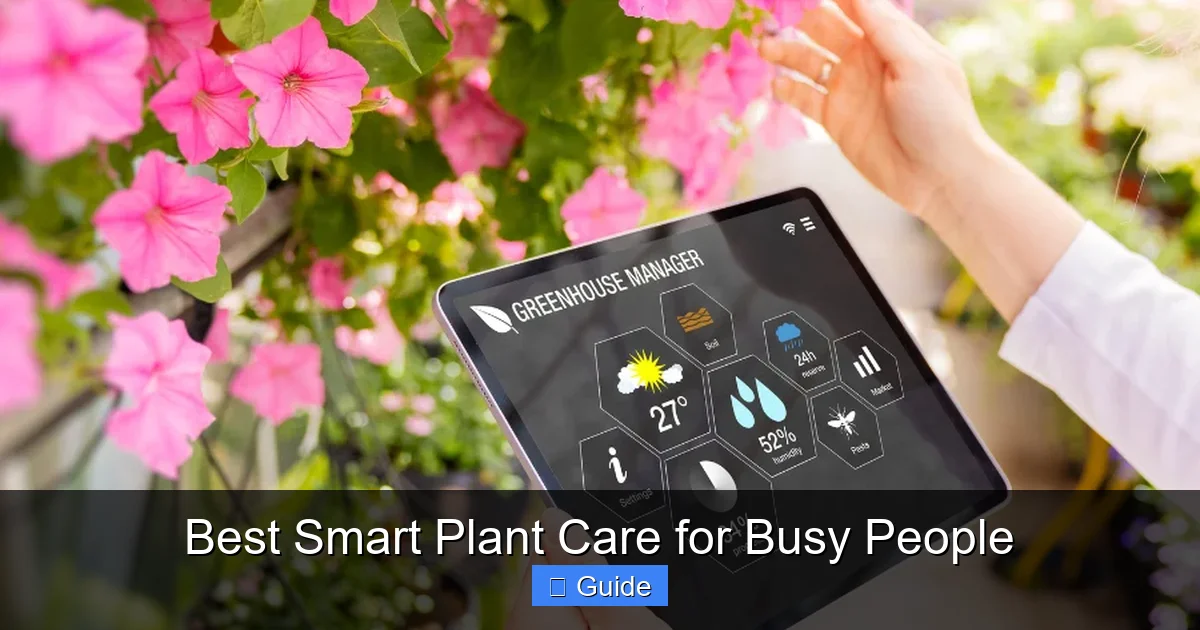
Soil moisture sensors are the foundation of smart plant care. These probes sit in the soil and measure volumetric water content. Basic models use resistive or capacitive sensing. Resistive sensors measure electrical conductivity between two electrodes. Capacitive sensors measure the dielectric constant of the soil. Capacitive models last longer because they don’t corrode as quickly.
Visual guide about Best Smart Plant Care for Busy People
Image source: itsprodigy.com
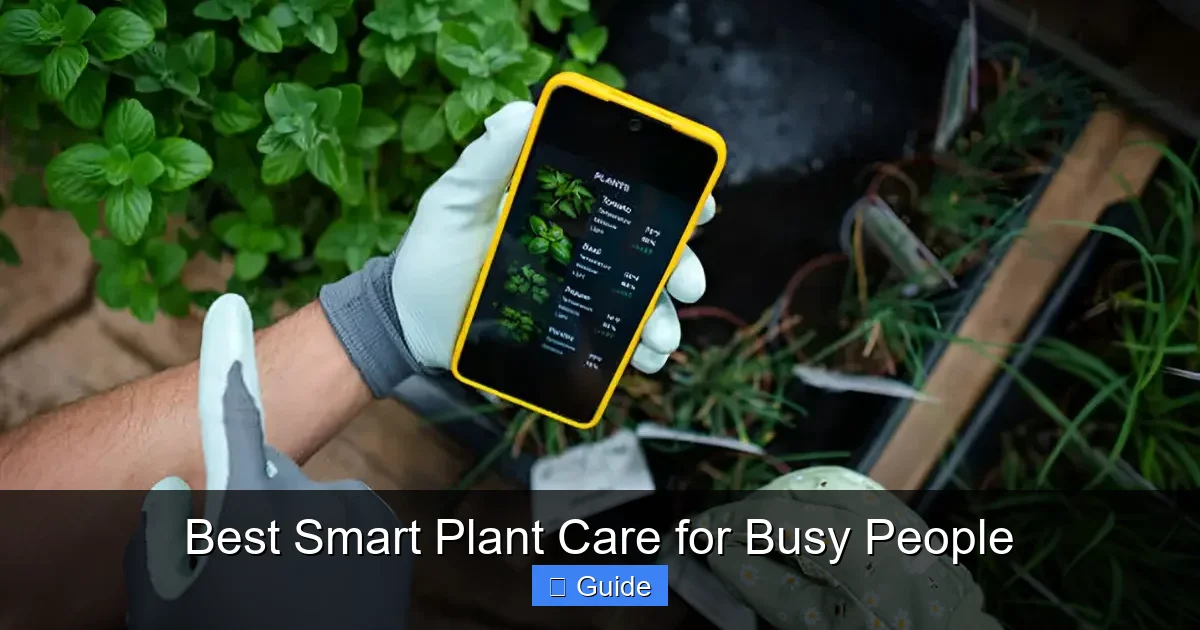
Most modern sensors connect via Bluetooth or Wi-Fi. Bluetooth sensors require you to be within range to read data. Wi-Fi sensors send data to the cloud so you can check from anywhere. Some sensors also measure temperature, light intensity, and fertilizer levels. The data syncs to an app where you set thresholds. When moisture drops below your set point, you get a notification.
Automated Watering Systems
Automated watering takes sensor data and acts on it. Drip irrigation kits connect to your faucet or a reservoir. A controller opens and closes valves based on sensor readings or a schedule. Some systems use peristaltic pumps for precise dosing. Others rely on gravity-fed reservoirs with solenoid valves.
Self-watering pots work differently. They use a wicking system. A reservoir at the bottom holds water. A wick draws water up into the soil as it dries. This passive approach needs no electricity. It works for weeks depending on reservoir size and plant thirst. Smart self-watering pots add sensors and app alerts so you know when to refill.
Smart Grow Lights
Light is often the limiting factor for indoor plants. Smart grow lights solve this with programmable spectra and schedules. Full-spectrum LEDs mimic sunlight. Some lights let you adjust red, blue, and white ratios for different growth stages. Vegetative growth likes more blue. Flowering likes more red.
Wi-Fi enabled lights connect to apps where you set daily schedules. Some integrate with sensors. If a light sensor detects low natural light, the grow light ramps up automatically. Others sync with sunrise and sunset data for your location. This gives plants consistent photoperiods year-round.
Environmental Monitors
Plants care about more than water and light. Temperature swings stress them. Low humidity crisps tropical leaves. High humidity invites fungus. Environmental monitors track these variables. They alert you when conditions drift outside optimal ranges.
Some monitors connect to smart home systems. If humidity drops, they can trigger a humidifier. If temperature spikes, they can adjust a smart thermostat or fan. This creates a truly automated microclimate for your plants.
Top Device Categories for Every Need
All-in-One Plant Monitors
All-in-one monitors combine multiple sensors in a single probe. The Flower Care (also sold as Xiaomi Mi Flora) measures moisture, light, temperature, and fertility. It uses Bluetooth and a huge plant database in its app. You select your plant species. The app tells you optimal ranges. It alerts you when any metric falls short.
The Parrot Flower Power offers similar features with a more polished app. It tracks data over weeks so you spot trends. Both devices run on coin-cell batteries for months. They’re affordable entry points for smart plant care. Place one in each pot or move it between plants for spot checks.
The Eve Aqua adds HomeKit integration for Apple users. It controls a water valve based on sensor data or schedules. It threads onto standard hose bibs. The app shows water usage history. This helps you conserve water while keeping plants happy.
Smart Indoor Garden Systems
If you want herbs, greens, or flowers with near-zero effort, countertop smart gardens deliver. The Click & Grow uses pre-seeded pods and a built-in light arm. The reservoir holds water for weeks. The app reminds you to refill. No soil. No mess. Just plug it in and insert pods.
The AeroGarden uses hydroponics. Roots hang in nutrient solution. A pump oxygenates the water. LED lights adjust height as plants grow. The control panel manages light cycles and nutrient reminders. Newer models connect to Wi-Fi for app control. You can grow tomatoes, peppers, and dwarf fruit varieties.
The Rise Gardens offers modular hydroponic shelves. It scales from a single shelf to a full wall system. The app manages multiple gardens. It tracks nutrient levels, pH, and harvest times. This is serious indoor farming for busy people who want fresh produce year-round.
Wi-Fi Irrigation Controllers
For outdoor containers, balcony gardens, or larger indoor collections, Wi-Fi irrigation controllers automate multiple zones. The Rachio 3 connects to your sprinkler system or drip lines. It pulls local weather data. It skips watering when rain is forecast. It adjusts for seasonal changes automatically.
The Orbit B-hyve offers similar features at a lower price point. It supports up to 12 zones. The app lets you create custom schedules per zone. You can run manual cycles from your phone. Both controllers work with Alexa, Google Assistant, and often HomeKit via bridges.
For container gardens without in-ground irrigation, the Eve Aqua or Galcon Bluetooth Timer attach to a hose bib. They control one or two drip lines. Battery operated. Weather resistant. Perfect for renters or balcony gardeners.
Self-Watering Planters and Spikes
Passive self-watering needs no power or connectivity. The Lechuza planters use a sub-irrigation system. A water level indicator shows reservoir status. Roots draw water through a separator. The reservoir lasts 2-12 weeks depending on plant size and season.
Blumat spikes use ceramic cones. You fill a bottle or connect a reservoir. The cone releases water as soil dries. No timer. No electricity. Pure physics. They work for single pots or large beds with distribution drippers.
Plant Nanny stakes use recycled wine bottles. Invert a filled bottle into the terracotta stake. Water seeps slowly. Cheap. Decorative. Effective for weeks. Great for vacation care.
Smart Grow Light Systems
The Spider Farmer and Mars Hydro LED panels offer app-controlled dimming and scheduling. They cover 2×2 to 5×5 foot areas. Full spectrum with enhanced red for flowering. Daisy-chain multiple lights from one controller.
The Soltech Solutions Aspect pendant light looks like a designer fixture. It screws into any E26 socket. The app controls spectrum and schedule. 20W or 40W versions. Perfect for a single statement plant or reading nook garden.
The GrowLED umbrella light clamps onto a pot. Adjustable gooseneck. Timer and dimmer on the cord. Budget-friendly for small setups.
Building Your Smart Plant Care System
Start With Assessment
Before buying anything, audit your plants. Count them. Note their types. Succulents need different care than ferns. Orchids differ from monsteras. Map their locations. Note light conditions. South window? North corner? Under a skylight? Identify your pain points. Forgetting to water? Uncertain about light? Traveling often?
Match solutions to problems. If you only forget watering, a simple sensor or self-watering pot solves it. If you travel monthly, invest in reservoir-based automation. If light is poor, prioritize grow lights. If you have 20+ plants, consider a multi-zone controller.
Choose Your Connectivity
Bluetooth sensors work for apartment dwellers who are home often. Wi-Fi sensors suit travelers and office plant parents. Zigbee and Thread devices integrate with smart home hubs like Home Assistant, SmartThings, or Apple HomeKit. They’re more reliable than Wi-Fi for large numbers of devices. They don’t clog your router.
Matter is the new standard. Matter-certified devices work across Apple, Google, Amazon, and Samsung ecosystems. If you’re building a new system, prioritize Matter support. It future-proofs your investment.
Plan for Power
Sensors run on batteries. Controllers need outlets. Pumps need power. Grow lights need power. Map outlet locations. Consider battery life. Most sensors last 6-12 months. Controllers and lights need constant power. Use surge protectors. For outdoor setups, use GFCI outlets and weatherproof boxes.
Solar-powered options exist for outdoor sensors and small pumps. They reduce wiring but depend on sun exposure. Backup batteries help during cloudy stretches.
Set Up Your Dashboard
Most devices have their own apps. Managing five apps gets old fast. Home Assistant, Apple HomeKit, Google Home, and Samsung SmartThings unify devices. You create one dashboard. You see all plants at a glance. You set cross-device automations. Example: If moisture sensor reads dry AND weather forecast shows no rain, open irrigation valve.
IFTTT (If This Then That) connects devices that don’t share a platform. It’s free for basic use. Example: When Flower Care sensor reports low moisture, send Slack notification. Or log to Google Sheets. Or trigger a smart plug powering a pump.
Practical Automation Workflows
Daily Monitoring Routine
Morning coffee. Open plant dashboard. Green checkmarks everywhere. One yellow alert. Your fiddle leaf fig shows 28% moisture. Target is 40%. Tap the notification. The app shows the trend. Moisture dropped steadily over three days. You water it. Done. Two minutes. No guessing.
Evening. Grow lights ramp down on schedule. Humidity sensor reads 45%. Target for your calatheas is 60%. The humidifier kicks on automatically. You hear the gentle hum. Sleep well. Plants are cared for.
Weekly Deep Check
Sunday morning. Review weekly trends in the app. Your peace lily shows cyclic moisture swings. Peaks at 60%. Valleys at 25%. That’s too wide. Adjust watering amount or frequency. Your basil shows declining light integral. Days are shortening. Raise the grow light intensity 10%. Schedule fertilizer for tomorrow.
Check reservoir levels. Refill self-watering pots. Clean sensor probes with distilled water. Calibrate if the app offers it. Rotate plants for even growth. Prune dead leaves. Harvest herbs. This 15-minute ritual replaces hours of guesswork.
Vacation Mode
You’re leaving for ten days. Enable vacation mode in your irrigation app. It switches to conservative watering. Only waters if moisture drops below critical threshold. Checks weather daily. Skips if rain expected.
Self-watering reservoirs are full. Grow lights on timers. Humidifier on auto. Smart thermostat holds steady temperature. Neighbor has app access for emergencies. You get daily summary notifications. Peace of mind. Real vacation.
Seasonal Transitions
Spring. Days lengthen. Natural light increases. App suggests reducing grow light hours. You approve. Summer. Heat wave hits. Temperature alerts trigger. Fans turn on. Irrigation frequency increases. You’re at work. Plants handle it.
Fall. Growth slows. Fertilizer reminders stop. Watering intervals extend. Winter. Heating dries air. Humidifiers run more. Grow lights extend hours. Sensors catch it all. You adjust once per season. Automation handles daily variance.
Common Mistakes and How to Avoid Them
Over-Reliance on Automation
Smart devices fail. Batteries die. Wi-Fi drops. Sensors drift. Pumps clog. Valves stick. Never assume automation is perfect. Keep a manual backup plan. Know how to water by hand. Check plants visually once a week. Use automation as a safety net, not a replacement for observation.
Set up redundancy. Two moisture sensors per critical plant. Battery alerts on your phone. UPS for critical controllers. Test your system monthly. Simulate a failure. See what happens. Fix gaps before they matter.
Ignoring Plant-Specific Needs
Default app settings are generic. Your cactus doesn’t want 60% moisture. Your fern doesn’t want 20%. Research each species. Set custom thresholds. Most apps let you create custom plant profiles. Use them. Update them as plants mature. A seedling needs different care than a mature plant.
Group plants with similar needs on the same irrigation zone. Don’t put succulents and tropicals on the same drip line. Use separate controllers or manual watering for outliers.
Poor Sensor Placement
Sensors measure where they sit. Place probes in the root zone. Not at the surface. Not at the bottom. Mid-depth for most pots. For large containers, use multiple probes. Avoid placing sensors near drainage holes or pot edges. Soil compaction affects readings. Repot occasionally. Recalibrate after repotting.
Light sensors need plant-level placement. Not on the shelf above. Not on the floor. At leaf height. Clean sensor windows monthly. Dust blocks light readings.
Neglecting Maintenance
Drip emitters clog. Clean them quarterly. Flush lines with vinegar solution. Replace worn tubing. Check pump filters. Clean humidifier tanks weekly to prevent mold. Calibrate pH and EC probes monthly if you use hydroponic sensors.
Update firmware. Manufacturers fix bugs and add features. Enable auto-updates where possible. Check app changelogs. Join user communities. Learn from others’ failures.
Budget-Friendly Entry Points
Under $50 Total
Start with a capacitive soil moisture meter ($10-15). Analog. No batteries. Stick it in. Read the dial. Check daily. Add terracotta watering spikes ($15 for 4). Use wine bottles. Covers four plants for weeks. Place a clip-on grow light ($20) on a dark corner plant. Timer built in. Total: ~$45. You just automated watering and light for four plants.
$50-$150 Range
Buy two Bluetooth moisture sensors ($30 each). Monitor your fussiest plants. Get a Wi-Fi smart plug ($15) and a small submersible pump ($20). Build a DIY auto-watering rig for one large plant. Add a programmable LED grow bar ($40). Now you have monitoring, automated watering, and supplemental light. Total: ~$135.
$150-$500 Range
Invest in a Click & Grow Smart Garden 3 ($100) for herbs. Add a Rachio 3 controller ($180) if you have outdoor zones. Or get four Wi-Fi moisture sensors ($120) plus a smart home hub ($50) for whole-home monitoring. Add a Spider Farmer SF1000 ($150) for a serious grow area. Mix and match based on your priorities.
Scaling Up Over Time
Smart plant care is modular. Start with your biggest pain point. Solve it. Live with it. Identify the next gap. Add one device. Integrate it. Repeat. This spreads cost. It lets you learn each tool. It prevents overwhelming complexity. In two years, you’ll have a sophisticated system built piece by piece.
Conclusion
Plants bring life to our spaces. They clean air. They reduce stress. They reward care with beauty and sometimes food. But modern life makes consistent care hard. The best smart plant care for busy people bridges this gap. It doesn’t replace your connection to plants. It protects it.
Start small. A sensor on your favorite plant. A self-watering pot for the thirsty fern. A grow light for the dark corner. Feel the relief of one less thing to remember. Watch your plants respond to consistent care. Grow your system as your confidence grows.
Your plants don’t need a perfect plant parent. They need a consistent one. Smart tools give you that consistency. They work while you work. They watch while you sleep. They alert you when it matters. You stay the plant parent. They’re just your very reliable assistants.
Pick one device this week. Set it up. See the difference. Your plants will thank you. Your future busy self will thank you. And that crispy fern in the corner? It’s about to make a comeback.
Frequently Asked Questions
How much does a complete smart plant care system cost?
A basic setup with 2-3 sensors and a smart plug starts around $80. A comprehensive system with Wi-Fi irrigation, multiple sensors, grow lights, and a hub ranges from $300-800. You can build gradually over time.
Do smart plant sensors work for all plant types?
Yes, but you must set species-specific thresholds. Succulents need much lower moisture alerts than ferns. Most apps include plant databases with recommended ranges, but custom profiles give the best results.
Can I use smart plant care for outdoor gardens?
Absolutely. Wi-Fi irrigation controllers like Rachio and Orbit are designed for outdoor use. Weatherproof sensors monitor soil conditions. Solar-powered options eliminate wiring. Just ensure devices are rated for outdoor conditions.
How accurate are soil moisture sensors?
Capacitive sensors are typically accurate within 3-5% volumetric water content. Accuracy depends on proper calibration, probe placement, and soil type. Recalibrate after repotting and clean probes monthly for best results.
Will smart plant care save me water?
Yes. Weather-based irrigation controllers skip watering before rain. Moisture sensors prevent overwatering. Drip systems deliver water directly to roots with minimal evaporation. Most users report 30-50% water savings versus timer-only systems.
What maintenance do smart plant devices require?
Replace sensor batteries every 6-12 months. Clean probes monthly. Flush irrigation lines quarterly. Update firmware when available. Check pump filters. Calibrate sensors after repotting. Most maintenance takes 15 minutes monthly.