Best Unglazed Pots for Begonia
Choosing the best unglazed pots for begonia ensures proper airflow, moisture balance, and root health. Terracotta, clay, and unglazed ceramic are top materials that prevent rot and promote vibrant blooms. Follow our size, care, and placement tips to keep your begonias thriving.
Welcome to our complete guide on the best unglazed pots for begonia. If you love begonias you know they need a balance of moisture and air around their roots. Unglazed pots provide that balance naturally. In this article we walk you through why unglazed containers work, which materials perform best, how to pick the right size, and our top product picks. You will also learn care tips and common mistakes to avoid. By the end you will feel confident choosing the best unglazed pots for begonia for your home or garden.
Begonias thrive when their roots can breathe. Unglazed pots have tiny pores that let excess water evaporate and fresh air enter. This reduces the risk of root rot, a common problem with glazed or plastic containers. The porous surface also helps regulate temperature, keeping roots cooler in summer and warmer in winter. When you use the best unglazed pots for begonia you give your plants a healthier environment from day one.
Many growers ask whether any unglazed pot will do. The answer is no. Material, thickness, and firing temperature all affect porosity. Terracotta fired at low temperatures stays very porous. High‑fire clay becomes less porous but more durable. Unglazed ceramic offers a middle ground with a smooth feel and good breathability. Knowing these differences helps you pick the best unglazed pots for begonia that match your climate and watering habits.
Key Takeaways
- Material matters: Terracotta, clay, and unglazed ceramic give the best airflow for begonia roots.
- Size fits the plant: Choose a pot 1‑2 inches wider than the root ball for healthy growth.
- Drainage is essential: Every pot must have at least one hole to avoid waterlogging.
- Pre‑soak before planting: Soak new unglazed pots to reduce initial moisture loss.
- Monitor watering: Unglazed pots dry faster; check soil daily.
- Clean regularly: Remove salt crusts to keep the pot porous.
Quick Answers to Common Questions
What makes unglazed pots better for begonias?
Unglazed pots allow air and excess moisture to move through their walls, preventing root rot and promoting healthy growth.
Which material is the most porous?
Low‑fire terracotta is the most porous, offering the highest airflow to roots.
How often should I water begonias in unglazed pots?
Check the soil daily; water when the top inch feels dry, typically every 2‑3 days in summer and weekly in winter.
Can I use unglazed pots outdoors in winter?
Only if the pot material tolerates freezing; high‑fire clay and stone are safer, while terracotta should be brought indoors.
Do unglazed pots need a saucer?
A saucer catches runoff and protects surfaces, but ensure the pot still drains freely into the saucer.
📑 Table of Contents
Why Unglazed Pots Matter for Begonias
Breathability and Root Health
Breathability is the single biggest advantage of unglazed containers. The microscopic pores allow oxygen to reach the root zone. Oxygen is essential for root respiration and nutrient uptake. When roots get enough air they grow stronger and resist disease. The best unglazed pots for begonia keep the root zone aerated even after heavy watering. This means fewer fungal issues and more vigorous foliage.
Moisture Regulation
Unglazed pots wick moisture away from the soil surface. The clay draws water out through its walls and releases it into the air. This natural wicking prevents the soil from staying soggy. Begonias prefer evenly moist but not wet soil. With the best unglazed pots for begonia you can water less often while still maintaining the right moisture level. The pot itself becomes a buffer that smooths out watering peaks and valleys.
Temperature Stability
Clay has a high thermal mass. It absorbs heat during the day and releases it slowly at night. This buffers root temperature fluctuations. Stable root temperatures promote steady growth and flowering. In hot climates the best unglazed pots for begonia keep roots cooler than plastic pots. In cooler rooms they provide a gentle warmth that encourages early spring growth.
Top Materials for Unglazed Pots
Terracotta
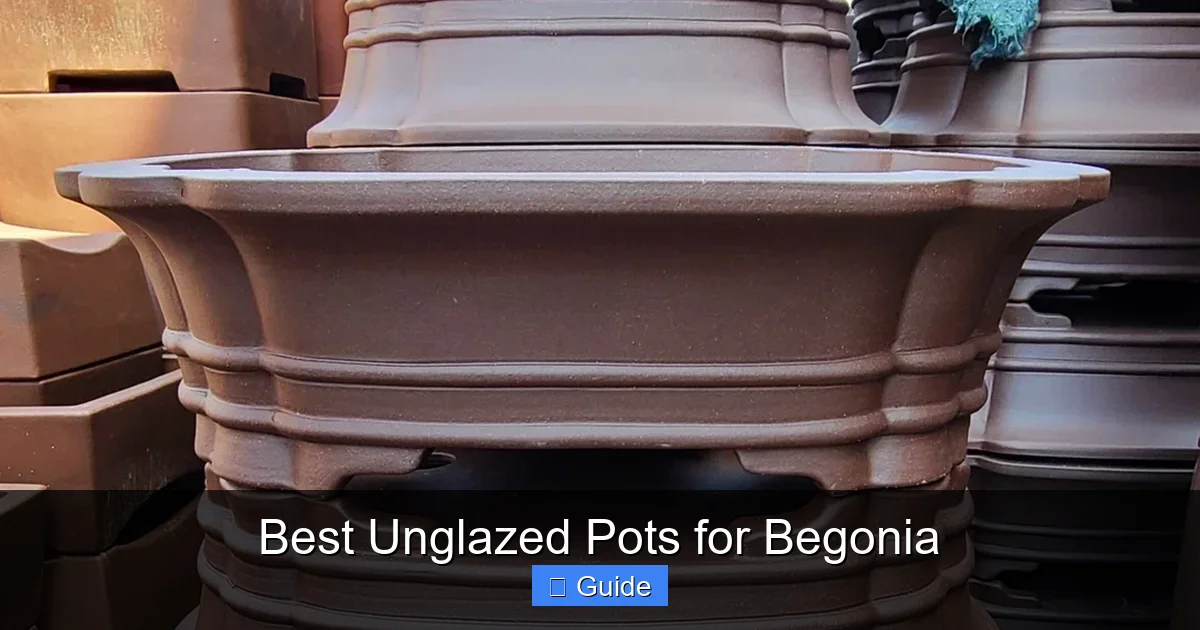
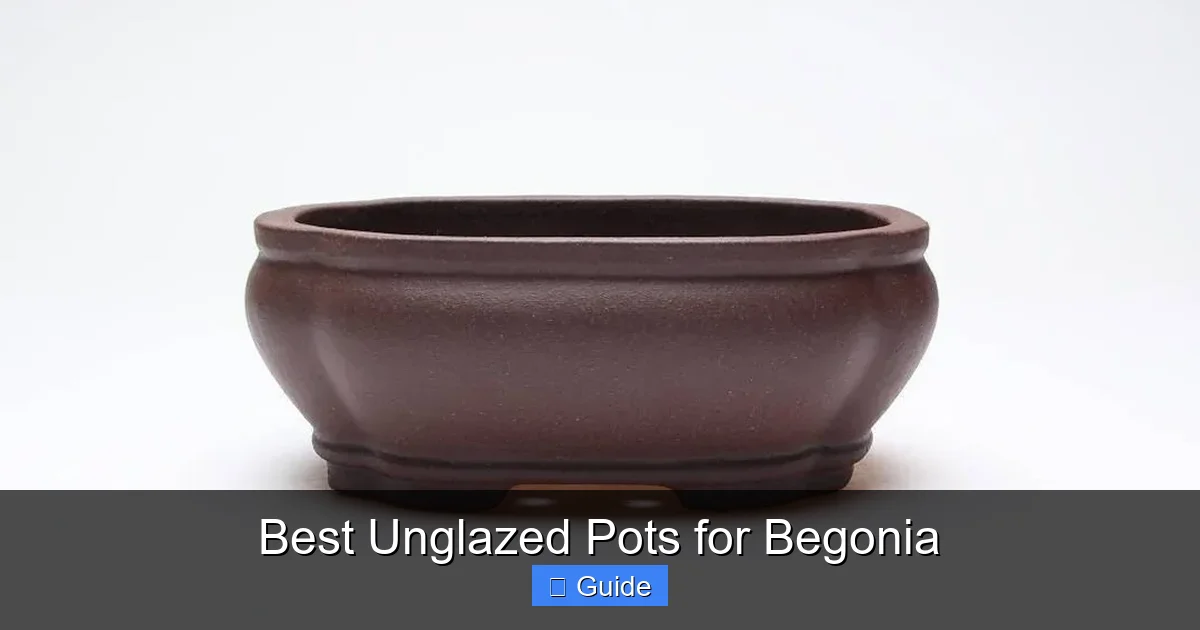
Terracotta is the classic choice for many gardeners. It is made from low‑fire red clay that stays highly porous. The orange‑brown color adds a warm aesthetic to any space. Terracotta pots are inexpensive and widely available. However they can be fragile and may crack in freezing temperatures. For indoor begonias the best unglazed pots for begonia made of terracotta work beautifully.
Visual guide about Best Unglazed Pots for Begonia
Image source: i.etsystatic.com
High‑Fire Clay
High‑fire clay pots are fired at temperatures above 2000°F. This makes them denser and less porous than terracotta. They retain moisture a bit longer, which can be useful if you tend to underwater. They are also more durable and resistant to cracking. If you live in a region with temperature swings the best unglazed pots for begonia in high‑fire clay give you a sturdy option.
Unglazed Ceramic
Unglazed ceramic combines a smooth surface with decent porosity. It is often made from stoneware clay fired at mid‑range temperatures. The finish feels pleasant to the touch and looks modern. These pots are heavier than terracotta, providing stability for larger begonias. For a sleek look the best unglazed pots for begonia in unglazed ceramic are a top pick.
Natural Stone and Concrete
Stone and concrete pots are extremely durable and have natural porosity. They are heavy, so they stay put in windy outdoor settings. Their rough texture can be attractive in rustic gardens. Because they hold more water than clay, you must watch watering closely. Still, the best unglazed pots for begonia made from stone work well for large, established plants.
Size and Shape Considerations
Choosing the Right Diameter
Pot diameter should be about one to two inches larger than the current root ball. A pot that is too large holds excess soil that stays wet too long. A pot that is too small restricts root expansion. Measure your begonia’s root spread before buying. The best unglazed pots for begonia follow this rule to promote healthy, balanced growth.
Depth for Root Development
Begonias have a relatively shallow but wide root system. A pot depth of six to eight inches is usually sufficient. Deeper pots add unnecessary weight and can retain water at the bottom. Shallow, wide pots mimic the natural growing conditions of many begonia species. The best unglazed pots for begonia often come in shallow bowl shapes that suit this habit.
Shape and Stability
Round pots distribute stress evenly and are less likely to tip. Square or rectangular pots fit neatly on shelves but can be top‑heavy. If you place pots on a windowsill, choose a low‑profile shape. The best unglazed pots for begonia with a wide base give extra stability for taller, cane‑type begonias.
Best Unglazed Pots for Begonia – Our Picks
Pot 1: Classic Terracotta 6‑inch
This 6‑inch terracotta pot is a staple for small begonia varieties. Its thin walls maximize porosity, making it one of the best unglazed pots for begonia on a budget. The pot includes a single drainage hole and a matching saucer. It weighs just under one pound, easy to move. Users report quick drying soil and vibrant leaf color.
Pot 2: Large Clay Bowl 10‑inch
The 10‑inch high‑fire clay bowl offers ample width for mature rhizomatous begonias. Its thicker walls moderate moisture loss, ideal for growers who water less frequently. This pot is one of the best unglazed pots for begonia if you prefer a heavier, stable container. It comes with three drainage holes for excellent excess water escape.
Pot 3: Unglazed Ceramic Square 8‑inch
An 8‑inch square ceramic pot adds a modern touch to any indoor garden. The smooth unglazed surface feels premium and still breathes well. It is one of the best unglazed pots for begonia for decorative displays. The pot includes a built‑in saucer ridge that catches runoff without a separate tray.
Pot 4: Mini Terracotta Set of Four
This set includes four 4‑inch terracotta pots, perfect for propagating begonia cuttings. Each pot has a single drainage hole and a matching saucer. The small size makes them the best unglazed pots for begonia when you start many plants at once. They are inexpensive and stack neatly for storage.
Pot 5: Hand‑Thrown Clay Pot 12‑inch
A hand‑thrown 12‑inch clay pot is a statement piece for large cane begonias. The artisan craftsmanship creates unique wall thickness variations that enhance aeration. This pot ranks among the best unglazed pots for begonia for collectors who value one‑of‑a‑kind containers. It includes two large drainage holes and a sturdy base.
Care Tips for Unglazed Pots
Pre‑Soaking Before Planting
New unglazed pots can absorb a lot of water from the soil during the first few weeks. To avoid shocking your begonia, soak the pot in clean water for 30 minutes before adding potting mix. This saturates the pores and reduces initial moisture draw. The best unglazed pots for begonia perform best when pre‑soaked.
Watering Schedule
Because unglazed pots dry faster, check the top inch of soil daily. Water when it feels dry to the touch. In summer you may water every two days; in winter once a week may suffice. Adjust based on humidity and pot size. The best unglazed pots for begonia reward consistent, attentive watering.
Cleaning and Preventing Salt Build‑Up
Fertilizer salts can accumulate on the porous surface, forming a white crust. Every month, remove the plant, scrub the pot with a brush and a solution of one part vinegar to four parts water. Rinse thoroughly and let dry before repotting. Regular cleaning keeps the best unglazed pots for begonia functioning at peak porosity.
Seasonal Protection
In freezing climates, move terracotta and clay pots indoors or wrap them in burlap. Frozen water inside pores can cause cracking. Ceramic and stone pots tolerate cold better but still benefit from shelter. Protecting the best unglazed pots for begonia extends their lifespan for many seasons.
Common Mistakes to Avoid
Overwatering Because Pot Looks Dry
The exterior of an unglazed pot may look dry while the soil inside is still moist. Rely on a finger test or moisture meter rather than visual cues. Overwatering is the leading cause of root rot in begonias. The best unglazed pots for begonia require you to trust the soil, not the pot surface.
Using Pots Without Drainage Holes
Some decorative unglazed containers lack holes. Without drainage, water pools at the bottom and creates anaerobic conditions. Always drill a hole or choose a pot with factory‑drilled openings. The best unglazed pots for begonia always provide an escape route for excess water.
Ignoring Pot Weight
Large clay or stone pots become very heavy when wet. Moving them can strain your back and damage floors. Use plant caddies or place pots on sturdy stands. The best unglazed pots for begonia are easier to manage when you plan for weight.
Choosing the Wrong Material for Your Climate
In very dry indoor air, terracotta may dry out too fast, stressing the plant. In humid environments, high‑fire clay may stay too wet. Match the pot material to your ambient humidity. The best unglazed pots for begonia are the ones that suit your specific growing conditions.
Conclusion
Choosing the best unglazed pots for begonia is a simple step that makes a big difference in plant health. Porous containers give roots the air they need, regulate moisture naturally, and add a timeless look to any space. By understanding materials, sizing, and care routines you can avoid common pitfalls and enjoy lush, blooming begonias year after year. Use this guide as a reference whenever you shop for new containers. Happy planting!
Frequently Asked Questions
What size pot is best for a young begonia?
A pot 1‑2 inches wider than the root ball, typically 4‑6 inches in diameter, works well for young plants.
How do I prevent salt crust on unglazed pots?
Flush the soil with plain water monthly and scrub the pot with a vinegar solution to dissolve salts.
Are unglazed ceramic pots as breathable as terracotta?
Unglazed ceramic is moderately porous; it breathes well but retains moisture slightly longer than terracotta.
Can I paint the outside of an unglazed pot?
Painting seals the pores and reduces breathability; if aesthetics matter, choose a naturally colored pot instead.
What is the best way to clean a used unglazed pot?
Soak in a 1:4 vinegar‑water mix, scrub with a stiff brush, rinse thoroughly, and let dry before reuse.
Do begonias need a specific soil mix in unglazed pots?
Use a light, well‑draining mix with peat, perlite, and a bit of compost; avoid heavy garden soil that stays soggy.