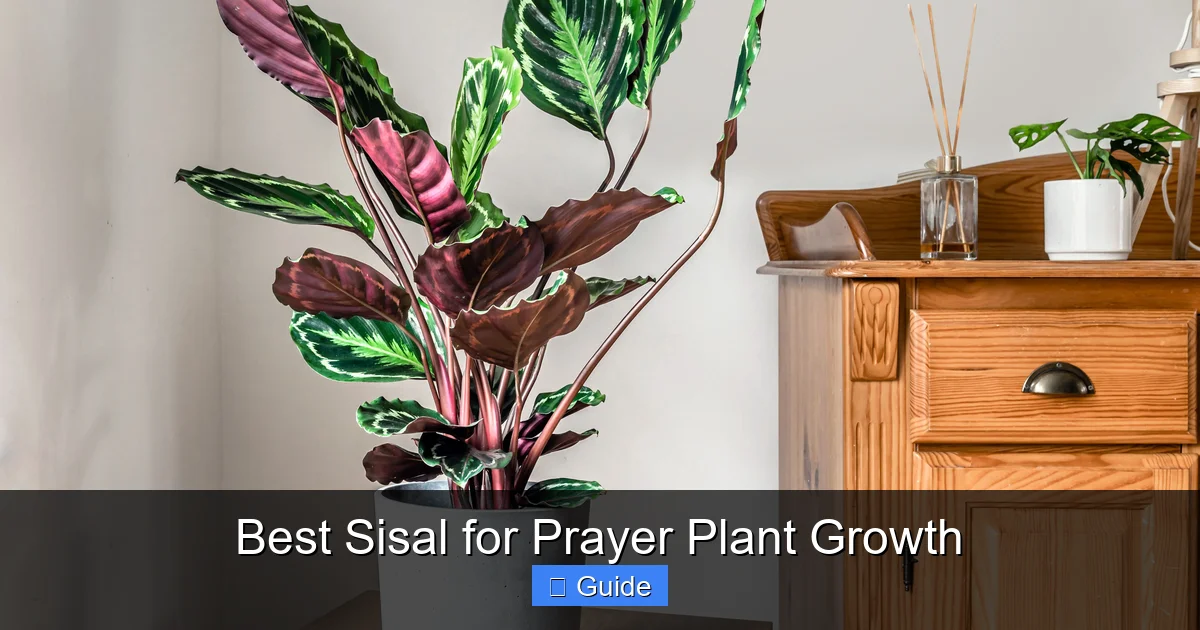
Best Sisal for Prayer Plant Growth
Looking for the best sisal for prayer plant growth? This guide covers everything you need to know about using sisal poles and fibers to support your Maranta. Learn why sisal works, how to choose the right product, and tips for installation and care.
If you have ever watched a prayer plant stretch its leaves toward the light, you know these beauties love to move. Maranta leuconeura, often called the prayer plant, folds its foliage up at night and spreads it wide by day. In nature, these plants creep along the forest floor and climb over fallen logs. They use their flexible stems to anchor onto rough bark and moss. That is where sisal comes in. The best sisal for prayer plant growth gives your plant a texture it can grab. It also holds moisture, which keeps the air around the leaves humid. This guide walks you through everything you need to know. We will cover why sisal works, what to look for, how to install it, and how to keep both the pole and the plant happy.
Many plant parents start with a simple moss pole. Moss poles are great, but they can break down fast. They also tend to shed bits of sphagnum onto your floor. Sisal offers a cleaner, longer-lasting alternative. It comes from the agave plant. The fibers are strong, rough, and naturally resistant to rot. When you wrap a pole with sisal rope or buy a pre-made sisal stake, you give your prayer plant a sturdy ladder. The vines wrap around the fibers. The aerial roots dig in. Over time, the plant climbs higher, produces larger leaves, and shows off its signature patterning. Let us dive into the details so you can pick the perfect support for your green friend.
Key Takeaways
- Sisal mimics natural habitat: The rough texture lets prayer plant vines grip and climb just like they would in the wild.
- Moisture retention matters: Quality sisal holds water, creating a humid microclimate that Maranta loves.
- Diameter affects stability: Thicker poles (1.5 to 2 inches) support mature plants better than thin stakes.
- Natural fibers beat synthetic: Untreated sisal avoids chemicals that could harm sensitive roots or leaves.
- DIY options save money: You can wrap sisal rope around PVC or bamboo for a custom support.
- Regular misting extends life: Keeping the sisal damp prevents it from drying out and becoming brittle.
- Rotate for even growth: Turn your plant weekly so all sides get light and attach evenly to the pole.
Quick Answers to Common Questions
Can I use any sisal rope for my prayer plant?
Use only natural, untreated sisal rope. Avoid oiled, dyed, or synthetic-core ropes. Chemicals can harm sensitive roots and leaves.
How often should I mist a sisal pole?
Mist two to three times per week in summer, once weekly in winter. Increase frequency if your home is very dry or heated.
Will my prayer plant climb on its own?
Prayer plants need guidance. Gently tie stems to the pole with soft ties. Aerial roots will attach within weeks, then you can remove ties.
How long does a sisal pole last?
A quality sisal pole lasts two to three years indoors. Replace it when fibers turn powdery or the core becomes exposed.
Can I make a sisal pole without PVC?
Yes. Bamboo stakes, hardwood dowels, or thick branches work as cores. Seal wood to prevent rot. Wrap tightly with sisal rope.
📑 Table of Contents
Why Sisal Works for Prayer Plants
Natural Texture Encourages Climbing
Prayer plants have shallow root systems. They also produce small aerial roots along their stems. In the wild, these roots seek out rough surfaces. Tree bark, mossy logs, and rocky outcrops all provide grip. Sisal rope has a coarse, fibrous surface. It feels a lot like natural bark. When a stem touches the sisal, the aerial roots latch on. The plant feels secure. It then puts energy into upward growth instead of sprawling across the pot rim. This vertical habit saves space. It also displays the leaves better. You get to see the intricate vein patterns and the deep green colors from every angle.
Moisture Retention Boosts Humidity
Maranta comes from tropical rainforests. It thrives in humidity above sixty percent. Dry indoor air causes crispy leaf edges and brown tips. A sisal pole acts like a sponge. When you mist it or water the plant, the fibers soak up water. They release it slowly into the air around the foliage. This creates a tiny humid zone right where the plant needs it. You will notice fewer brown edges. The leaves stay supple and vibrant. For even better results, soak the pole once a week. Let it drip dry, then return it to the pot. The steady evaporation keeps the microclimate stable.
Durability Outlasts Moss and Coir
Sphagnum moss poles look nice at first. After a few months, they compress. They lose shape. They can harbor fungus gnats if they stay too wet. Coconut coir poles last longer but still break down. Sisal is different. The agave fibers are lignin-rich. They resist microbial decay. A well-made sisal pole can last two to three years indoors. It keeps its structure. It does not turn mushy. It does not attract pests as easily. That means less maintenance for you. You install it once and forget about it, aside from occasional misting.
Choosing the Best Sisal for Prayer Plant Growth
Pre-Made Poles vs. DIY Wraps
You have two main paths. You can buy a ready-to-use sisal pole. Or you can buy sisal rope and wrap your own core. Pre-made poles save time. They come in standard heights, usually twelve to forty-eight inches. They often have a pointed end for easy insertion. The rope is already tensioned. The downside is limited customization. You cannot adjust the thickness or the wrap density. DIY wraps let you control everything. You pick the core material. You decide how tight the coils are. You can add extra layers at the bottom where the plant grips most. DIY costs less per foot. It takes an hour or two on a weekend. Both options work. Choose based on your budget and how much you enjoy hands-on projects.
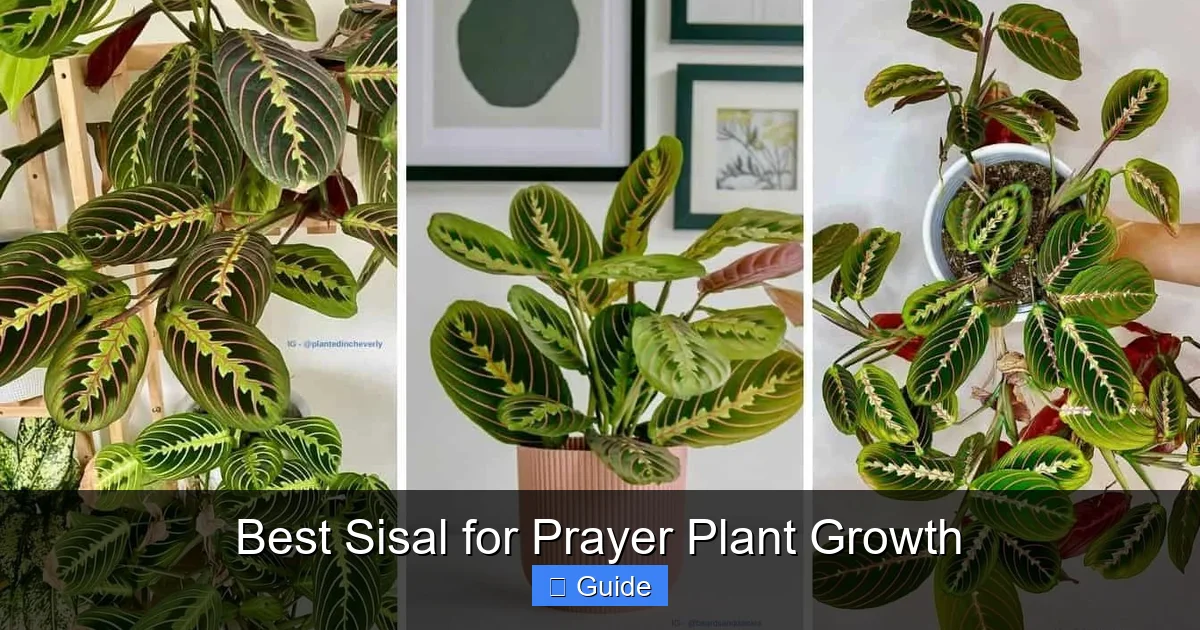
Visual guide about Best Sisal for Prayer Plant Growth
Image source: simplifyplants.com
Core Materials: PVC, Bamboo, or Wood
The core gives the pole its rigidity. PVC pipe is cheap, lightweight, and waterproof. It will not rot. Cut it to height with a hacksaw. Sand the edges so they do not cut the rope. Bamboo stakes are natural and blend in aesthetically. They are strong but can develop mold if kept soaking wet. Seal bamboo with a non-toxic clear coat if you worry about decay. Wooden dowels or branches add rustic charm. Use hardwood like oak or maple. Avoid softwoods that decompose fast. Whatever core you pick, make sure it is at least half an inch thick. Thinner cores bend under the weight of a mature prayer plant.
Rope Thickness and Weave
Sisal rope comes in diameters from one-eighth inch to half an inch. For prayer plants, three-sixteenths to one-quarter inch is ideal. Thinner rope creates more surface area per inch of pole. The aerial roots find more nooks. Thicker rope lasts longer but leaves bigger gaps. Look for a tight, even weave. Loose weaves unravel when the plant pulls. Some ropes have a center core of synthetic fiber for strength. Avoid those. Pure sisal is safer for roots. If the label says “treated” or “oiled,” skip it. Chemicals can leach into the soil and harm sensitive Maranta roots.
Height Considerations
Match the pole height to your plant’s current size and future potential. A young plant in a four-inch pot needs a twelve to eighteen-inch pole. A mature specimen in a ten-inch pot benefits from thirty-six to forty-eight inches. Remember that you will bury six to eight inches in the soil. So a thirty-six-inch pole gives you twenty-eight inches above ground. Prayer plants can grow a foot per year in good conditions. Plan for at least two years of growth. You can always add an extension later by lashing a second pole on top. But starting tall saves you a repotting disturbance.
Installing Your Sisal Support
Best Time to Add a Pole
Repotting season is the perfect moment. Early spring, when new growth emerges, is ideal. The plant is in active root mode. It will anchor into the new support quickly. If you must add a pole mid-season, do it gently. Water the plant first. Moist soil holds the pole better. Disturb the roots as little as possible. Slide the pole down the inside edge of the pot. Avoid the center where the main root ball sits. If roots block the way, use a thinner stake or a DIY wrap on a narrow core.
Securing the Pole in the Pot
Push the pole to the bottom of the container. It should touch the drainage layer. Wiggle it slightly to settle. The soil around it will firm up after watering. For extra stability, add a few heavy pebbles around the base. Or use a pole with a flared bottom disc. Some pre-made poles come with a plastic anchor plate. If yours does not, zip-tie the pole to a bamboo stake driven deep on the opposite side. This creates a tripod effect. The pole will not wobble when the plant leans into it.
Guiding the Vines
Prayer plants do not climb on their own like pothos. They need a little help. Identify the longest, healthiest stems. Gently press them against the sisal. Use soft plant ties, velcro strips, or strips of old t-shirt. Do not use wire or twist ties. They cut into the stems as they thicken. Tie loosely. Leave room for the stem to expand. Check ties every two weeks. Loosen or move them as the plant grows. Within a month, aerial roots will grab the sisal. You can then remove the ties entirely. The plant becomes self-supporting.
Caring for the Sisal Pole and Plant Together
Watering and Misting Routine
The pole and the plant share a watering schedule. When you water the soil, give the pole a good soak too. Use a spray bottle or a gentle shower setting. Wet the fibers from top to bottom. Do this two to three times a week in summer. Once a week in winter. If your home is very dry, mist daily. A humidifier nearby works even better. The goal is to keep the sisal damp, not soggy. Standing water at the base invites rot. Ensure the pot drains well. Empty the saucer after watering.
Fertilizing Considerations
Fertilize the plant, not the pole. Use a balanced liquid fertilizer at half strength. Apply monthly during the growing season. Avoid getting fertilizer on the sisal. Salts can build up in the fibers. They draw moisture away from the roots. If you accidentally splash the pole, rinse it with plain water. Once a year, flush the soil with extra water. This prevents salt accumulation in the potting mix. Healthy roots mean strong climbing stems.
Cleaning and Maintenance
Dust settles on sisal just like on leaves. Every few months, take the plant outside or to the shower. Rinse the pole with lukewarm water. Use a soft brush to dislodge debris. Let it air dry before returning it to its spot. Inspect for fraying. If a section unravels, wrap a new piece of sisal rope over it. Secure with a knot hidden behind a stem. Replace the entire pole when the core shows through or the rope turns powdery. That usually takes two to three years.
Common Problems and Solutions
Plant Refuses to Climb
Some prayer plants are stubborn. They prefer to trail. If yours ignores the pole after six weeks, try these tricks. Increase humidity. A reluctant climber often perks up in a steamy bathroom. Add a second pole. Two poles create a tunnel effect. The plant feels enclosed and secure. Wrap the lower twelve inches with damp sphagnum moss over the sisal. The moss feels familiar. It jump-starts root attachment. Be patient. Each plant has its own personality.
Sisal Dries Out Too Fast
In heated homes, sisal can crisp up in a day. Combat this with a humidity tray. Fill a shallow tray with pebbles. Add water to just below the pebble tops. Set the pot on top. Evaporation surrounds the pole. Group plants together. They create a shared humid bubble. Use a pebble mulch on the soil surface. It slows evaporation from the pot. All these steps keep the sisal moist longer.
Mold or Algae on the Pole
Green fuzz or white powder means too much moisture and not enough airflow. Reduce misting frequency. Improve air circulation with a small fan on low. Wipe the affected area with a cloth dipped in diluted hydrogen peroxide (one part peroxide to ten parts water). Let dry completely. If mold returns, the pole may be too dense. Unwrap a few coils to let air penetrate. Or switch to a looser weave next time.
DIY Sisal Pole Step-by-Step
Materials You Need
- One-inch PVC pipe, cut to desired height
- Fifty feet of three-sixteenths-inch natural sisal rope
- Hot glue gun and glue sticks
- Scissors or utility knife
- Sandpaper (120 grit)
- Measuring tape
- Gloves (sisal can prick)
Building the Pole
Sand the PVC pipe ends smooth. Wipe off dust. Plug in the glue gun. Apply a dab of glue at the bottom of the pipe. Press the rope end into the glue. Hold ten seconds. Start wrapping. Keep each coil tight against the previous one. No gaps. Every six inches, add a small glue dot on the pipe. This prevents the rope from sliding down over time. Continue to the top. Leave the top two inches bare for handling. Cut the rope. Glue the end securely. Let cool completely. Your custom pole is ready. Total cost is under fifteen dollars. It takes about forty-five minutes.
Customizing for Your Plant
Want extra grip at the bottom? Double-wrap the lower eighteen inches. Want a wider pole? Use two-inch PVC. Want a natural look? Use a bamboo stake instead of PVC. Seal the bamboo first. You can even add a second color of jute twine for decoration. Just keep the sisal as the main climbing surface. The plant cares about function, not fashion.
Alternatives to Sisal and When to Use Them
Coconut Coir Poles
Coir poles are made from coconut husk fibers. They hold water well. They look tropical. They break down faster than sisal. Expect one to two years. They are great if you want a completely organic look. They cost a bit more. Choose coir if you prefer a softer texture. Some prayer plants with very fine aerial roots grab coir easier.
Moss Poles
Sphagnum moss poles are the classic choice. They offer maximum moisture. They mimic the forest floor perfectly. They need frequent misting. They compress and need occasional rewrapping. They attract fungus gnats if overwatered. Choose moss if you love the ritual of plant care. You enjoy daily interaction. You do not mind replacing the pole annually.
Wooden Stakes and Trellises
Bamboo stakes, hardwood dowels, or metal trellises give structure. They do not hold moisture. You must mist the plant directly. They work for trailing varieties you want to train horizontally. They last indefinitely. Choose these if humidity is not an issue. Or if you use a room humidifier.
Conclusion
Finding the best sisal for prayer plant growth is not about a single brand. It is about understanding what your Maranta needs. A rough, moisture-holding surface. A sturdy core that will not bend. A height that accommodates future growth. Whether you buy a ready-made pole or craft your own, the result is the same. Your prayer plant gets a ladder to the light. Its leaves grow larger. Its colors deepen. Its nightly folding dance becomes even more dramatic. You get a healthier plant and a striking vertical display. Start with a quality sisal rope. Build or buy a pole that fits your pot. Guide the stems gently. Mist regularly. Watch your prayer plant climb. It is one of the most satisfying transformations in indoor gardening. Happy growing.
Frequently Asked Questions
What diameter sisal rope is best for prayer plants?
Three-sixteenths to one-quarter inch diameter provides ideal texture for aerial roots to grip while maintaining durability.
Should I soak the sisal pole before installing?
Soaking the pole for an hour before installation jump-starts moisture retention and helps the plant attach faster.
Can sisal poles cause root rot?
No, sisal poles do not cause root rot if the pot has good drainage. Keep the pole damp, not soggy, and empty saucers after watering.
Do I need to fertilize the sisal pole?
Never fertilize the pole directly. Fertilize the soil at half strength monthly during growing season. Rinse any fertilizer off the fibers.
Can I use a sisal pole for other climbing plants?
Yes, sisal poles work well for pothos, philodendron, monstera, and hoya. Any plant with aerial roots benefits from the texture and moisture.
How do I extend a sisal pole as my plant grows?
Lash a second pole to the first with zip ties or twine. Overlap by six inches. Wrap the joint with extra sisal rope for a seamless climb.