Best Industrial for Rosemary Maintenance
This guide covers the best industrial for rosemary maintenance equipment, irrigation, pruning, and pest control for large-scale growers. Follow these steps to boost yield, improve quality, and cut labor costs.
Key Takeaways
- Choose mechanized pruners: Adjustable blade spacing matches growth stage and reduces labor.
- Adopt drip fertigation: Saves water, delivers nutrients precisely, and keeps foliage dry.
- Implement IPM: Monitor thresholds, use beneficial insects, and apply targeted sprays only when needed.
- Automate harvest and drying: Mechanical harvesters and forced‑air dryers preserve oil content and speed throughput.
- Leverage data platforms: Centralized software turns sensor data into actionable schedules and yield maps.
- Plan continuous improvement: Review seasonal data, tweak inputs, and compound gains year over year.
Quick Answers to Common Questions
What is the most cost‑effective pruning tool for large rosemary fields?
A tractor‑mounted mechanized pruner with adjustable blades offers the best balance of speed and precision.
How often should I run drip irrigation on rosemary?
Run daily in hot weather, adjusting run time to match evapotranspiration; reduce frequency after rain.
When is the optimal harvest time for maximum essential oil?
Harvest just before flowering, early in the morning when oil concentration peaks.
Which pest control method reduces chemical use the most?
Integrated Pest Management with beneficial insects and threshold‑based spraying cuts chemical applications dramatically.
Can I automate the entire irrigation schedule?
Yes, a smart controller linked to soil moisture sensors and weather data can fully automate irrigation timing.
📑 Table of Contents
Understanding Industrial Rosemary Maintenance
Rosemary is a hardy herb that thrives in sunny, well‑drained fields. When you move from a garden plot to a commercial operation, the scale changes everything. You need equipment that can cover acres quickly and consistently. The best industrial for rosemary maintenance approach combines mechanized tools, smart irrigation, and data‑driven scheduling. This section explains why a systematic plan matters.
Large farms face labor shortages and tight margins. Manual pruning and hand watering no longer make sense. Machines reduce labor hours and improve uniformity. Uniform plants produce more essential oil and better marketable foliage. A clear maintenance calendar keeps every task on track.
Start by mapping your fields. Know the soil type, slope, and water source. Use that map to choose the right equipment and irrigation layout. A good map also helps you spot problem zones early. Early detection saves money and protects yield.
Next, set measurable goals. Define target oil yield per hectare, acceptable labor hours, and water use limits. Write these goals into a standard operating procedure. Share the procedure with every crew member. Consistency follows clear expectations.
Essential Equipment for Large‑Scale Rosemary Care
Mechanized Pruners and Trimmers
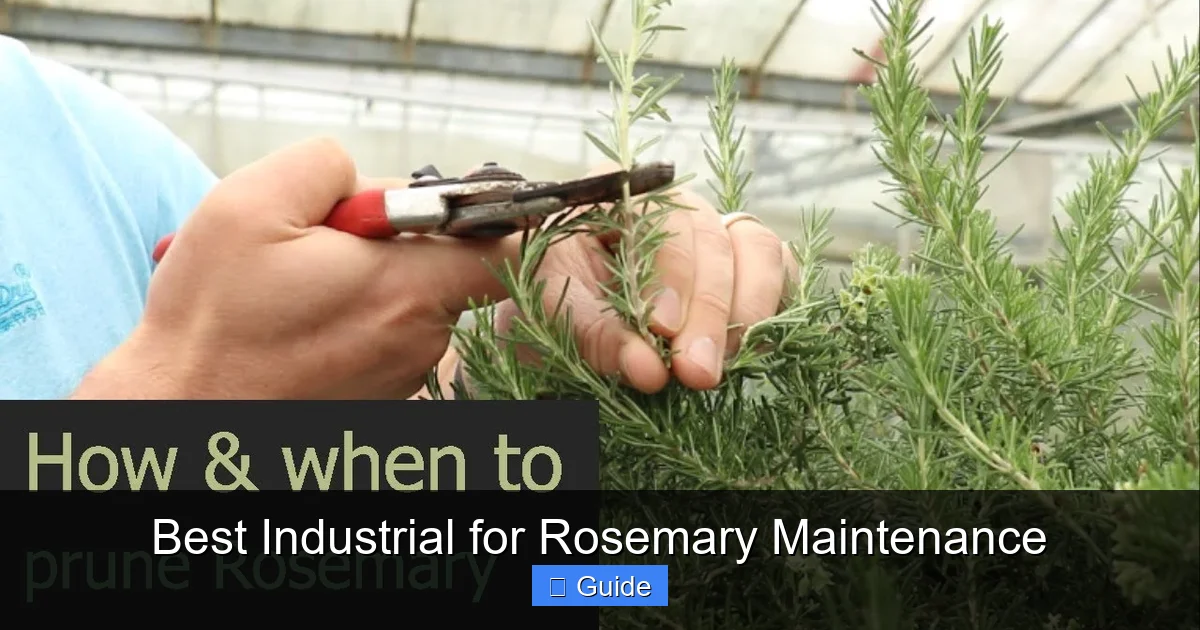
Mechanized pruners cut stems at a consistent height. They run on tractor power or self‑propelled units. Choose a model with adjustable blade spacing. This lets you match the pruning intensity to the growth stage. Regular pruning encourages bushier plants and higher oil content.

Visual guide about Best Industrial for Rosemary Maintenance
Image source: i.ytimg.com
Look for pruners with quick‑change blades. Dull blades tear tissue and invite disease. Schedule blade sharpening after every 50 hours of use. Keep a spare set on the machine for zero downtime.
Boom Sprayers for Fertilizer and Pest Control
Boom sprayers cover wide swaths in a single pass. Calibrate nozzles for even droplet size. Use low‑drift nozzles to protect neighboring crops. A well‑timed spray program reduces disease pressure and cuts chemical use.
Integrate a GPS guidance system. Overlap control prevents double application. Record each pass in the farm management software. Data logs support compliance audits and cost tracking.
Harvesters and Conveyor Systems
Mechanical harvesters strip foliage quickly. Some models cut and collect in one motion. Conveyor belts move cut material to drying stations. This reduces handling damage and speeds up post‑harvest processing.
Select a harvester with adjustable cutting height. Different cultivars need different stubble heights. Test a small block before full‑field deployment. Adjust settings based on stem thickness and moisture.
Soil Sensors and Weather Stations
Soil moisture sensors give real‑time data. Weather stations track temperature, humidity, and wind. Feed this data into a central dashboard. Automated alerts tell you when to irrigate or spray. Precision saves water and inputs.
Place sensors at multiple depths. Shallow sensors guide daily irrigation. Deep sensors monitor root zone recharge. Use wireless nodes to avoid cable damage during field operations.
Fertigation Injection Units
Fertigation units mix soluble fertilizer into the irrigation line. Choose a unit with proportional dosing. This ensures each plant receives the same nutrient concentration. Calibrate weekly using a conductivity meter.
Store fertilizer solutions in shaded tanks. Heat degrades nitrogen sources. Flush lines with clean water after each fertigation cycle to prevent clogging.
Irrigation and Nutrient Management at Scale
Drip Irrigation with Fertigation
Drip lines deliver water directly to the root zone. Add fertilizer through the same lines for fertigation. This method uses up to 50 % less water than overhead sprinklers. It also keeps foliage dry, lowering fungal risk.
Lay drip tape on raised beds for better drainage. Use pressure‑compensating emitters on sloped fields. Flush the system monthly to remove mineral buildup.
Scheduling Based on Evapotranspiration
Calculate daily evapotranspiration (ET) from weather data. Set irrigation run times to replace ET losses. Adjust for rainfall events automatically. A smart controller handles the math for you.
Program multiple start times for different zones. Early morning runs reduce evaporation loss. Night runs are acceptable if disease pressure is low.
Nutrient Recipes for Rosemary
Rosemary needs moderate nitrogen, low phosphorus, and adequate potassium. Apply a balanced N‑P‑K ratio of 3‑1‑2 during active growth. Reduce nitrogen before harvest to boost oil concentration. Test leaf tissue quarterly to fine‑tune rates.
Supplement with micronutrients like boron and zinc if soil tests show deficiency. Foliar sprays can correct short‑term gaps quickly. Avoid excess phosphorus; it can lock up iron.
Water Quality Checks
High salinity or bicarbonate can stunt rosemary. Test irrigation water each season. Install a filtration system if needed. Clean water protects root health and equipment longevity.
Measure EC and pH weekly. Target EC below 1.5 dS/m and pH 6.0‑6.5. Adjust with acid injection or blending with low‑salinity sources.
Soil Health and Organic Matter
Incorporate composted manure before planting. Organic matter improves water holding capacity. It also feeds beneficial microbes that suppress soil‑borne pathogens.
Rotate with a legume cover crop every three years. Legumes fix nitrogen and break disease cycles. Terminate cover crop before it sets seed to avoid volunteer weeds.
Pruning, Harvesting, and Post‑Harvest Handling
Timing the First Prune
Prune after the last frost but before new growth hardens. Early pruning shapes the canopy and improves light penetration. Aim for a height of 30‑40 cm for mechanical access.
Use a handheld shear for the first pass on young plants. Switch to the mechanized pruner once the field reaches uniform height. This two‑step method reduces shock to tender stems.
Seasonal Pruning Cycles
Two major prunes per year work well. A spring prune removes winter damage. A summer prune controls height and stimulates fresh shoots. Light trims between cycles keep plants tidy.
Record prune dates and heights in the management software. Compare regrowth rates across blocks. Adjust timing if a block shows slower recovery.
Harvest Window for Maximum Oil
Essential oil peaks just before flowering. Harvest in the early morning when oils are most concentrated. Cut stems 10‑15 cm above the woody base. This leaves enough foliage for regrowth.
Use a handheld refractometer to check oil content on a sample batch. If readings are low, delay harvest by a few days. Consistent timing yields a uniform product.
Drying and Storage Best Practices
Spread cut material in a single layer on clean racks. Use forced‑air dryers at 35‑40 °C. Dry until moisture content reaches 10‑12 %. Store in airtight containers away from light. Proper drying preserves aroma and prevents mold.
Monitor dryer temperature with calibrated probes. Over‑drying volatilizes delicate compounds. Under‑drying invites microbial growth. Batch‑track each lot for traceability.
Quality Grading and Packaging
Grade dried leaves by color, stem content, and aroma intensity. Premium grade commands higher price. Package in nitrogen‑flushed bags for long‑term storage. Label with harvest date, field ID, and oil analysis results.
Pest, Disease, and Weed Control Strategies
Integrated Pest Management (IPM) Basics
IPM combines monitoring, thresholds, and targeted actions. Scout fields weekly with sticky traps and visual checks. Record pest counts in a log. Treat only when thresholds are crossed.
Train scouts to identify early symptoms. Use a mobile app to geo‑tag findings. Data feeds directly into the central dashboard for trend analysis.
Common Rosemary Pests
- Spider mites: Thrive in hot, dry conditions. Release predatory mites early.
- Aphids: Cluster on new growth. Apply insecticidal soap at first sign.
- Whiteflies: Use yellow sticky cards and parasitic wasps.
- Leafhoppers: Transmit phytoplasma. Control with neem oil sprays.
Disease Prevention
Root rot and powdery mildew are the main threats. Ensure good drainage and avoid overhead watering. Apply copper‑based fungicide preventively during humid periods. Rotate fungicide modes of action to avoid resistance.
Sanitize pruning tools between blocks. Use a 10 % bleach solution or commercial sanitizer. Clean equipment reduces pathogen spread.
Weed Management
Pre‑emergent herbicides applied after planting reduce weed pressure. Mechanical cultivators between rows keep aisles clean. Mulch with straw or wood chips to suppress weeds and conserve moisture.
Spot‑treat escaped weeds with a shielded sprayer. Avoid drift onto rosemary foliage. Maintain a weed‑free buffer zone around the field perimeter.
Beneficial Insect Habitat
Plant flowering strips of alyssum, buckwheat, or phacelia along field edges. These attract predatory wasps, hoverflies, and lady beetles. Habitat strips also support pollinators for nearby crops.
Optimizing Operations with Data and Automation
Centralized Farm Management Software
Use a cloud‑based platform to log all activities. Track irrigation, spraying, pruning, and harvest dates. Generate reports for compliance and cost analysis. Data history reveals trends and guides future decisions.
Choose software with API access. Connect sensor networks, weather stations, and equipment telematics. A single dashboard eliminates data silos.
Automated Scheduling and Alerts
Set up rules based on sensor data. Example: if soil moisture drops below 30 %, trigger irrigation. If temperature exceeds 35 °C, send heat‑stress alert. Automation reduces human error and frees staff for higher‑value tasks.
Test alert logic in a sandbox environment before going live. Fine‑tune thresholds to avoid alert fatigue. Escalate critical alerts via SMS and email.
Yield Mapping and Variable Rate Applications
Combine GPS yield monitors with soil maps. Apply fertilizer and water at variable rates across the field. High‑performing zones get more inputs; low zones get less. This precision boosts overall profitability.
Update prescription maps after each harvest. Use NDVI imagery from drones to spot vigor differences early. Adjust variable rate scripts accordingly.
Continuous Improvement Cycle
Review each season’s data after harvest. Identify bottlenecks and successes. Adjust equipment settings, timing, and input rates. Small iterative changes compound into big gains over years.
Hold a post‑season debrief with all managers. Document lessons learned in a shared wiki. Assign action items with owners and deadlines.
Labor Management and Training
Cross‑train operators on multiple machines. Flexibility reduces downtime when a specialist is absent. Use digital checklists for daily pre‑start inspections. Track training hours for compliance.
Conclusion
Running a commercial rosemary operation means thinking like an engineer and a grower at the same time. The best industrial for rosemary maintenance plan blends the right machines, smart water use, timely pruning, and data‑driven pest control. Start with a solid field map, invest in versatile equipment, and let sensors guide daily decisions. Over time, you will see higher oil yields, lower labor costs, and a more resilient crop. Keep learning, keep measuring, and your rosemary fields will thrive at scale.
Frequently Asked Questions
What equipment is essential for industrial rosemary maintenance?
Mechanized pruners, boom sprayers, mechanical harvesters, drip fertigation systems, and soil moisture sensors form the core equipment set.
How do I prevent root rot in large rosemary plantings?
Ensure well‑drained beds, use drip irrigation to keep foliage dry, and avoid over‑watering; apply preventive copper fungicide during wet periods.
What nutrient ratio works best for rosemary oil production?
A 3‑1‑2 N‑P‑K ratio during vegetative growth, with reduced nitrogen before harvest, maximizes essential oil content.
How can I reduce labor costs during harvest?
Invest in a self‑propelled harvester with conveyor feed to a forced‑air dryer; this cuts manual handling by up to 80 %.
Is organic certification possible with industrial methods?
Yes, use approved organic fertilizers, mechanical weed control, and biological pest management; keep detailed records for audit.
What data should I track to improve yields year over year?
Track irrigation volumes, fertilizer rates, prune dates, harvest weights, oil analysis, and pest pressure; analyze trends in a farm management platform.