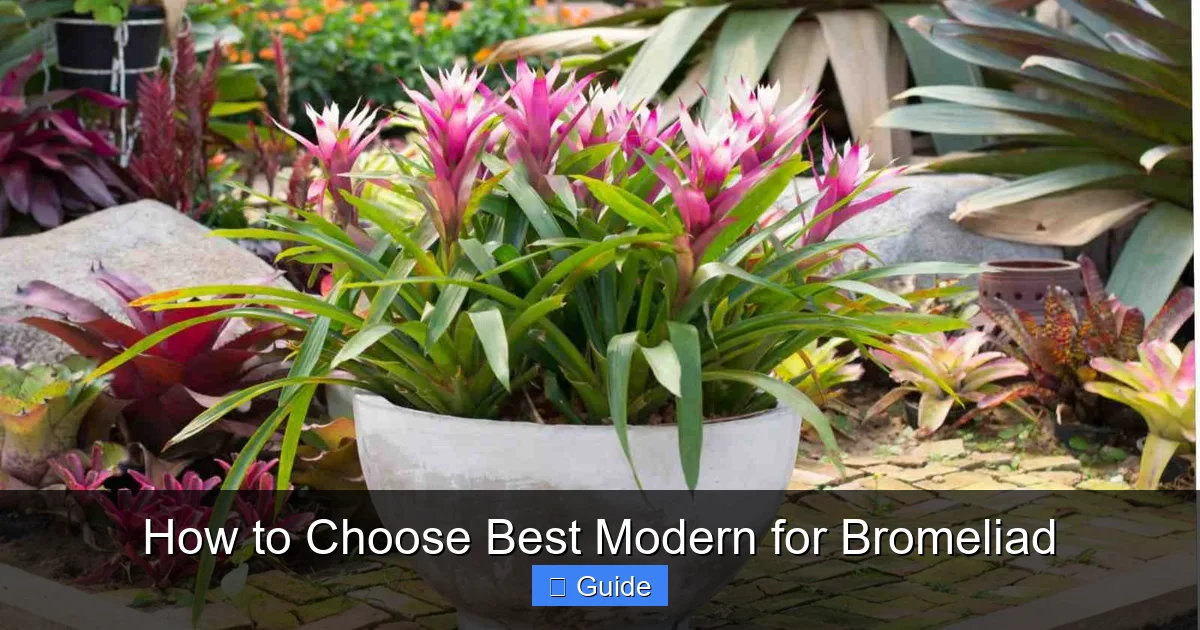
How to Choose Best Modern for Bromeliad
Choosing the right growing medium is crucial for healthy bromeliads. This comprehensive guide covers everything from understanding epiphytic vs. terrestrial needs to selecting the perfect potting mix components. Learn how to create ideal drainage, avoid root rot, and match the medium to your specific bromeliad variety for stunning, long-lasting plants.
Key Takeaways
- Know your bromeliad type: Epiphytic varieties need airy, fast-draining mixes while terrestrial types prefer more moisture-retentive media.
- Drainage is non-negotiable: All bromeliads require excellent drainage to prevent root rot and fungal issues.
- Key ingredients matter: Orchid bark, perlite, coconut coir, and charcoal create the ideal balance of aeration and moisture retention.
- Avoid regular potting soil: Standard garden soil compacts too easily and holds too much water for bromeliad roots.
- Repot strategically: Only repot when necessary, typically after flowering when pups appear, using fresh medium.
- Mount epiphytes for authenticity: Many bromeliads thrive mounted on wood or cork with minimal medium, mimicking their natural habitat.
- Test moisture before watering: The right medium should dry slightly between waterings; stick your finger in to check.
Quick Answers to Common Questions
Can I use regular potting soil for bromeliads?
No, regular potting soil retains too much moisture and compacts, suffocating bromeliad roots. Always use a chunky, soilless mix with orchid bark and perlite.
How often should I repot my bromeliad?
Repot only when the medium breaks down (usually every 2-3 years) or after flowering when pups need separating. Bromeliads prefer being slightly root-bound.
What is the best potting mix for Guzmania?
Guzmania needs a very airy mix: 50% medium orchid bark, 25% perlite, 15% coco chips, and 10% charcoal for optimal drainage and root health.
Should I put rocks at the bottom of the pot for drainage?
No, a layer of rocks creates a perched water table that keeps the medium wetter. Use a well-draining mix throughout the pot instead.
Can I grow bromeliads in just orchid bark?
Yes, many epiphytic bromeliads thrive in pure coarse orchid bark, but adding perlite and charcoal improves aeration and longevity of the medium.
📑 Table of Contents
Introduction
If you have ever brought home a gorgeous bromeliad only to watch it slowly decline despite your best efforts, you are not alone. The secret to bromeliad success rarely lies in how often you water or where you place the plant. It almost always comes down to what sits beneath the roots. Choosing the best modern for bromeliad growth is the single most important decision you will make for these tropical beauties.
Bromeliads are unique. They do not behave like typical houseplants. Many are epiphytes, meaning they grow on trees in nature rather than in soil. Others are terrestrial but still demand sharp drainage. Using standard potting soil is a recipe for disaster. It suffocates roots, holds too much moisture, and leads to the dreaded crown rot. This guide will walk you through everything you need to know to select or create the perfect growing medium. Your bromeliads will thank you with vibrant colors and healthy pups.
Understanding Bromeliad Root Systems
Epiphytic vs. Terrestrial Growth Habits
Before you choose a modern for bromeliad cultivation, you must understand how your specific plant grows in the wild. This distinction dictates everything about the medium you need.
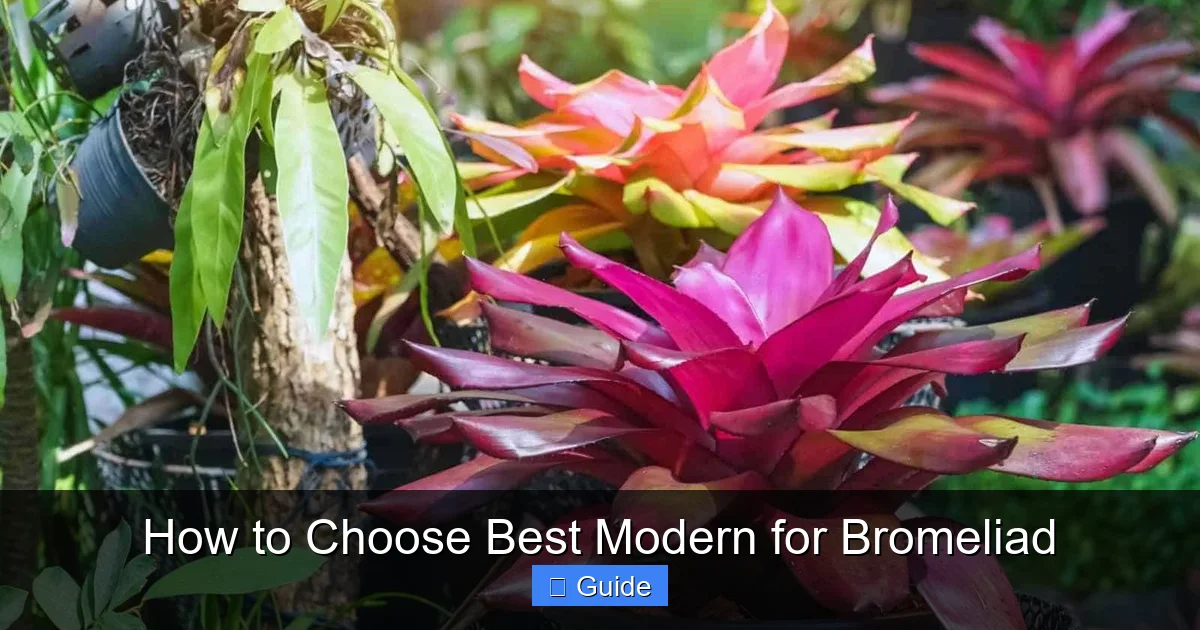
Visual guide about How to Choose Best Modern for Bromeliad
Image source: planetnatural.com
Epiphytic bromeliads, like most Tillandsia, Guzmania, Vriesea, and Neoregelia species, grow attached to tree branches. Their roots serve primarily as anchors. They absorb moisture and nutrients through their leaves, specifically through specialized scales called trichomes. Their roots need air. They will rot quickly in dense, wet media.
Terrestrial bromeliads, such as Cryptanthus (earth stars), Dyckia, Hechtia, and Ananas (pineapple), grow in the ground. They have more developed root systems designed to absorb water and nutrients from soil. However, they still come from habitats with very fast drainage, like rocky outcrops or sandy soils. They cannot tolerate soggy conditions either.
The Function of Bromeliad Roots
It is a common misconception that bromeliad roots function like tomato or fern roots. They do not. For epiphytes, roots are structural. They grip bark. They need a medium that offers physical stability without staying wet. For terrestrials, roots do absorb water, but they require high oxygen levels in the root zone. A soggy medium pushes out air, leading to anaerobic conditions and root death.
When you choose a modern for bromeliad pots, prioritize air space. The medium should be chunky. It should not break down quickly into fine particles. It must allow water to flush through instantly while holding just a thin film of moisture on the particle surfaces.
Essential Components of a Great Bromeliad Mix
Orchid Bark: The Backbone
Fir bark or orchid bark is the gold standard for epiphytic bromeliads. It mimics the tree bark they grow on naturally. It comes in grades: fine, medium, and coarse. For most bromeliads, medium or coarse grade is best. Fine bark holds too much water and breaks down too fast.
Bark provides structure. It creates large air pockets. It decomposes slowly, usually lasting two to three years. As it breaks down, it becomes more water-retentive, signaling it is time to repot. Always buy horticultural-grade bark. Landscape mulch may contain salts, dyes, or pathogens.
Perlite and Pumice: Aeration Champions
Perlite is those white, lightweight volcanic glass balls you see in potting mixes. It is sterile, pH neutral, and excellent at creating air pores. It does not break down. It holds moisture on its surface but not inside. Pumice is similar but heavier. It provides better stability for top-heavy plants like large Vriesea or Aechmea.
Use perlite or pumice at roughly 20 to 30 percent of your total mix volume. They prevent compaction. They keep the bark separated. This ensures oxygen reaches the root zone even after watering.
Coconut Coir and Peat Moss: Use with Caution
Coconut coir (coco coir) and sphagnum peat moss hold water well. They are useful for terrestrial bromeliads like Cryptanthus that appreciate more consistent moisture. However, they are dangerous for epiphytes. They can create a perched water table at the bottom of the pot.
If you use them, limit them to 10 to 15 percent of the mix. Better yet, use chunky coco chips (coco husk chips) instead of fine coir dust. Chips behave more like bark. They drain faster and last longer.
Charcoal: The Sweetener
Horticultural charcoal is a small but mighty additive. It absorbs impurities and toxins. It sweetens the mix by preventing sour, anaerobic spots. It adds a bit of drainage. Add a handful per gallon of mix. It is especially helpful in closed terrariums or cache pots where drainage water sits.
Sphagnum Moss: For Mounting and Top Dressing
Long-fiber sphagnum moss is not a potting medium on its own for most bromeliads. It stays too wet. However, it is fantastic for mounting epiphytes on wood or cork. Wrap the root ball in a thin layer of moss before tying it to the mount. It provides a humidity buffer during the establishment phase. You can also use a light top dressing of moss on potted plants to raise local humidity.
Matching the Medium to Your Bromeliad Type
Best Mix for Tank-Type Epiphytes (Guzmania, Vriesea, Aechmea)
These plants hold water in their central cups (tanks). Their roots are mostly for anchoring. They want a very open, chunky mix.
Recipe: 50% medium orchid bark, 25% coarse perlite or pumice, 15% coco chips, 10% charcoal. This drains in seconds. It stays airy for years. It supports the plant physically without suffocating roots.
Best Mix for Neoregelia and Billbergia
These genera are tough. They tolerate a wider range of conditions. Many growers use a 50/50 mix of orchid bark and a quality soilless potting mix (like a cactus/succulent mix). The potting mix adds a touch of moisture retention and nutrients. The bark keeps it open.
Recipe: 50% medium orchid bark, 30% cactus/succulent potting mix, 20% perlite. This works well for collectors who want one mix for many plants.
Best Mix for Terrestrial Types (Cryptanthus, Dyckia, Hechtia, Ananas)
These need more water retention but still demand sharp drainage. They have true root systems.
Recipe: 40% coarse orchid bark or coco chips, 30% cactus/succulent potting mix, 20% perlite/pumice, 10% worm castings or compost. The organic matter feeds the heavier feeders like pineapples. The high mineral content ensures drainage.
Best Approach for Tillandsia (Air Plants)
Do not pot Tillandsia in any medium. They are true air plants. Mount them on wood, cork, stone, or place them loose in a glass globe. If you must use a medium for display, use only dry sphagnum moss or coarse bark chips that dry completely within hours. Never let them sit in dampness.
Potting Techniques for Success
Choosing the Right Container
The pot matters as much as the medium. Bromeliads have small root systems relative to their top growth. They prefer tight quarters. A pot that is too large holds excess medium that stays wet. This causes rot.
Choose a pot just large enough to hold the root ball with an inch of space around the sides. Azalea pots (shorter than standard pots) are ideal. They lower the center of gravity for top-heavy plants. They reduce the volume of wet medium at the bottom. Always ensure drainage holes. Multiple holes are better than one.
To Pot or to Mount?
Mounting is the most natural way to grow epiphytic bromeliads. Use cork bark, driftwood, tree fern slabs, or even a sturdy branch. Secure the plant with fishing line, wire, or glue (non-toxic, waterproof). Wrap roots in a little sphagnum moss. Mist frequently until roots attach.
Mounted plants dry fast. They need high humidity or daily misting. They are less prone to rot. They look spectacular. Potting is easier for indoor growers with lower humidity. It buys you time between waterings. Choose based on your environment and commitment level.
The Repotting Process Step by Step
Repot after flowering, when the mother plant declines and pups appear. Or repot if the medium breaks down (looks like dirt, smells sour, stays wet).
- Gently remove the plant. Shake off old medium. Rinse roots if they are matted.
- Trim dead, black, or mushy roots with sterile scissors.
- Place a layer of fresh medium in the new pot.
- Position the plant. The base of the leaves should sit slightly above the pot rim.
- Fill around roots with medium. Tap the pot to settle. Do not pack tight.
- Stake if wobbly. Use a bamboo stake and soft ties.
- Water lightly. Place in bright, indirect light. Resume normal care after a week.
Common Mistakes and How to Avoid Them
Using Garden Soil or Standard Potting Mix
This is the number one killer. Garden soil compacts into concrete in a pot. Standard peat-based potting mixes hold water like a sponge. Both exclude oxygen. Bromeliad roots suffocate. Always use a soilless, chunky mix.
Overpotting
Putting a small plant in a large pot “to grow into” is a death sentence. The excess medium stays wet. The tiny roots cannot absorb that moisture. Rot spreads from the wet zone into the plant. Pot for the root size, not the plant size.
Packing the Medium Too Tight
Bromeliad medium should be loose. You should be able to stick your finger in easily. If you press it down firmly, you collapse the air pores. Tap the pot to settle. Do not tamp.
Ignoring Water Quality
Hard water leaves mineral deposits on bark and roots. Salts build up. This burns root tips. Use rainwater, distilled, or reverse osmosis water. If you must use tap water, let it sit overnight to dissipate chlorine. Flush pots monthly with pure water to leach salts.
Fertilizing Into Dry Medium
Never apply fertilizer to dry roots. It causes chemical burn. Water first with plain water. Then apply diluted fertilizer (quarter strength). The moist medium distributes nutrients safely.
Advanced Tips for Thriving Bromeliads
Creating a Humidity Microclimate
Bromeliads love humidity. In dry homes, the medium dries too fast, stressing the plant. Group plants together. Use a pebble tray: fill a saucer with pebbles, add water to just below the pebble tops, set the pot on top. The evaporating water raises local humidity without wetting the medium.
Top Dressing for Stability and Aesthetics
A layer of decorative gravel, lava rock, or moss on top of the medium helps. It stabilizes the plant. It reduces evaporation from the medium surface. It looks finished. Keep it thin. Do not bury the plant base.
Using Slow-Release Fertilizer in the Mix
When repotting, mix in a few granules of slow-release fertilizer (like Osmocote 14-14-14) into the lower third of the medium. Do not put it near the roots. It feeds gently for months. This is great for terrestrials and heavy feeders. Skip for sensitive epiphytes.
Monitoring Medium Breakdown
Organic components break down. Bark turns to dust. Coir becomes sludge. When the medium looks like coffee grounds, it holds too much water. It compacts. It smells sour. Repot immediately. Do not wait for the plant to show stress. Prevention is easier than cure.
Conclusion
Choosing the best modern for bromeliad health is not about finding a magic bag of dirt. It is about understanding how these incredible plants live in nature. It is about replicating the airy, draining, nutrient-poor conditions of a tree branch or a rocky cliff. When you give bromeliad roots what they actually need—air, stability, and quick drainage—the rest of care becomes easy.
Start with high-quality orchid bark. Add perlite for aeration. Tweak the recipe for your specific genus. Pot in a snug container with great drainage. Water with pure water. Watch your plants respond. You will see firmer leaves, brighter colors, and a parade of healthy pups. That is the reward for getting the foundation right. Your bromeliad collection is about to reach a whole new level.
Frequently Asked Questions
What does “modern” mean in the context of bromeliad care?
In this guide, “modern” refers to the growing medium or potting mix used for bromeliads. It is the material that supports the roots and provides drainage, aeration, and stability.
How do I know if my bromeliad medium is breaking down?
Signs of breakdown include the medium looking like fine dirt or coffee grounds, a sour smell, water draining very slowly, and the plant showing yellowing leaves or mushy roots.
Can I reuse old bromeliad potting mix?
It is not recommended. Old mix harbors pathogens, salts, and decomposed material that holds too much water. Always use fresh, sterile components when repotting.
Why are my bromeliad roots brown and mushy?
Brown, mushy roots indicate root rot caused by a medium that stays too wet. Improve drainage immediately by repotting into a chunkier mix and reducing watering frequency.
Do bromeliads need fertilizer in their potting mix?
Most epiphytic bromeliads get nutrients through their leaves. Terrestrial types benefit from a small amount of slow-release fertilizer or worm castings mixed into the lower layer of the medium.
Is it better to mount or pot epiphytic bromeliads?
Mounting is more natural and prevents rot but requires high humidity and frequent misting. Potting is easier for indoor growing; use a very chunky mix and a small pot for best results.