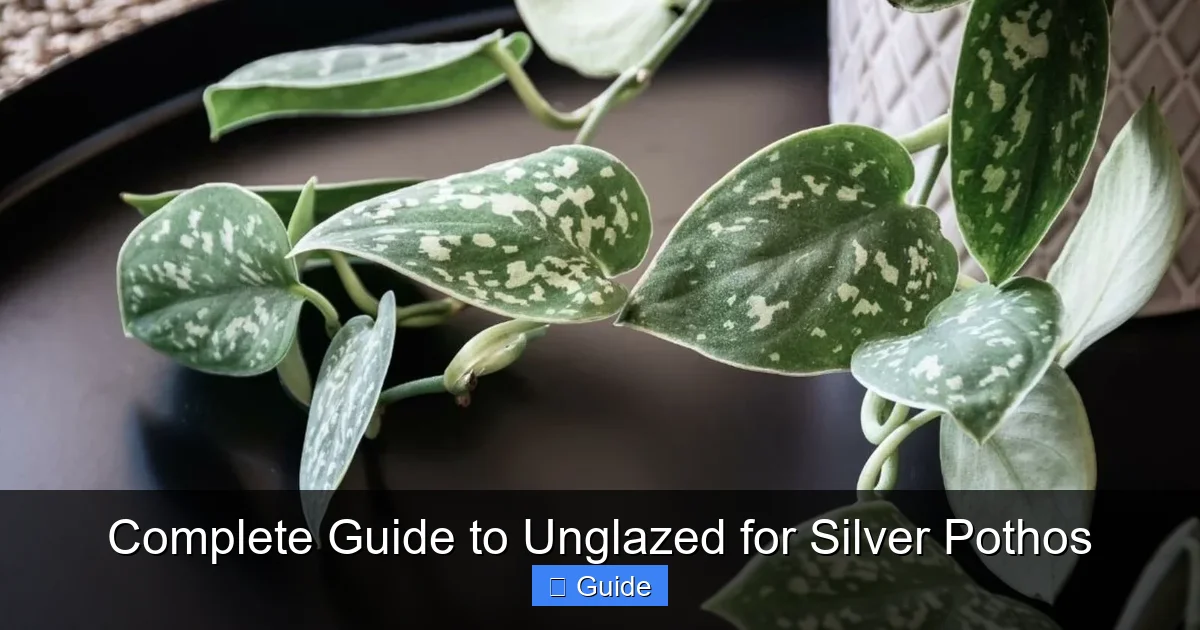
Complete Guide to Unglazed for Silver Pothos
Unglazed for silver pothos pots give excellent airflow and prevent root rot. They also add a natural look that matches any decor. Follow this guide to pick, prepare, and care for your plant in an unglazed pot.
Unglazed for silver pothos pots are a great choice. They let air reach roots. They let water drain fast. This keeps roots healthy. Healthy roots mean strong vines.
Silver pothos thrives in a pot that breathes. Unglazed for silver pothos containers do that job. They also look natural and simple. The matte surface adds calm style. This guide covers everything you need.
You will learn how to pick a pot. You will learn soil, water, light, and care tips. Follow each step for best results. Your plant will thank you.
Key Takeaways
- Choose unglazed for silver pothos: Better drainage and airflow protect roots.
- Match pot size to root ball: Too large holds excess water.
- Use a light, well‑draining soil mix: Prevents soggy conditions.
- Water when the top inch feels dry: Avoid overwatering.
- Give bright indirect light: Keeps leaves vibrant.
- Watch for yellow leaves: Adjust water or light quickly.
Quick Answers to Common Questions
What makes unglazed for silver pothos pots better than glazed ones?
Unglazed pots breathe, letting air and excess water escape, which prevents root rot.
How often should I water silver pothos in an unglazed pot?
Water when the top inch of soil feels dry, usually every 7 to 10 days depending on humidity.
Can I use regular potting soil for silver pothos?
Regular soil holds too much water; use a light mix with peat, perlite, and bark for best results.
What light level does silver pothos need?
Bright indirect light is ideal; avoid direct sun which can scorch the leaves.
When should I repot my silver pothos?
Repot every two years in spring, moving to a slightly larger unglazed for silver pothos pot with fresh mix.
📑 Table of Contents
Why Choose Unglazed for Silver Pothos
Airflow Benefits
Unglazed for silver pothos pots allow air to flow through the walls. Roots get oxygen they need. Oxygen helps roots grow strong. Strong roots support healthy leaves. Good airflow also reduces fungal risk.
Air moves in and out of the clay pores. This mimics natural soil conditions. The plant feels less stress. Stress free plants grow faster.
Drainage Advantages
Unglazed for silver pothos containers have porous surfaces. Excess water escapes quickly. This prevents soggy soil. Soggy soil causes root rot. Quick drainage keeps the root zone aerobic.
Water runs out the bottom hole. The saucer catches the runoff. Empty the saucer after a few minutes. Standing water is avoided.
Natural Look
Unglazed for silver pothos pots have a matte finish. They blend with any decor. They add an earthy feel to a room. The look is timeless and calm. Neutral tones highlight the green foliage.
These pots age gracefully. They develop a subtle patina over time. The patina adds character. No glossy shine to distract.
Temperature Regulation
Clay walls buffer temperature swings. Roots stay cooler in hot weather. Roots stay warmer in cold drafts. Stable root temperature promotes steady growth.
Metal or plastic pots can overheat. Unglazed for silver pothos clay avoids that risk.
Eco Friendly Choice
Clay is a natural material. It is biodegradable and recyclable. Choosing unglazed for silver pothos pots reduces plastic waste. Sustainable gardening feels good.
Selecting the Right Unglazed Pot
Size Matters
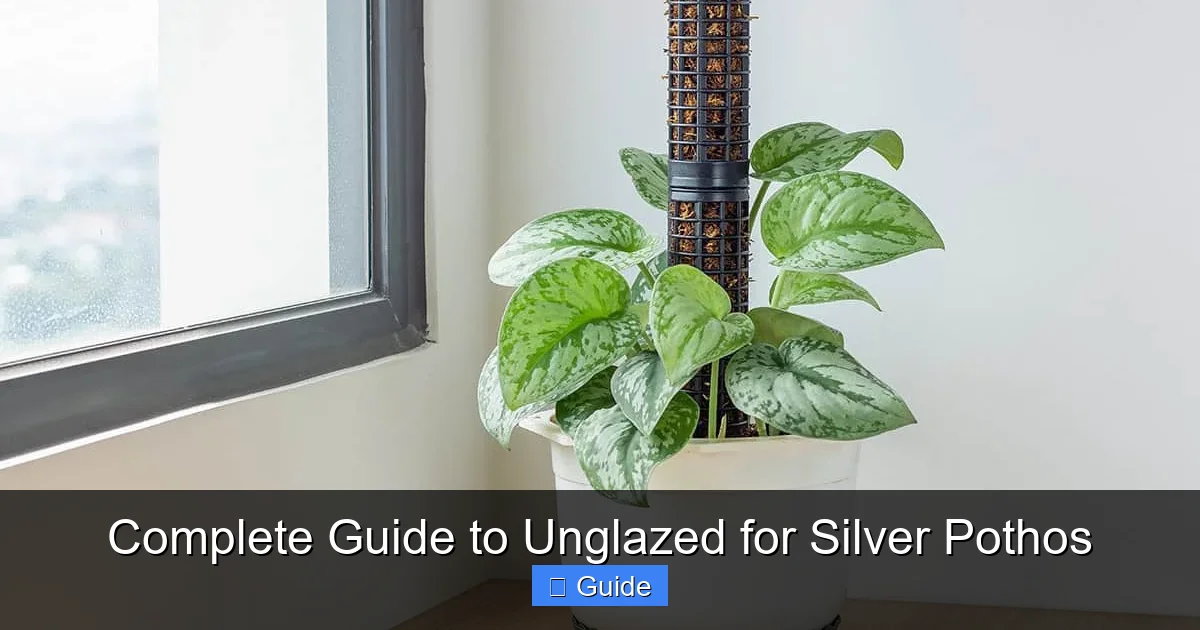
Choose a pot that fits the root ball. A pot too large holds extra water. Extra water leads to root problems. A snug pot encourages healthy growth. Measure the root ball before buying.
Visual guide about Complete Guide to Unglazed for Silver Pothos
Image source: plantglossary.com
Leave about one inch of space around the roots. This gives room for new roots. It also keeps the soil from staying wet too long.
Shape and Depth
Shallow wide pots work well for silver pothos. Roots spread horizontally. Deep pots can trap water at the bottom. Choose a shape that matches root habit. A low profile pot also looks modern.
Round or square shapes both work. Pick the shape that fits your shelf space.
Material Quality
High fired clay is best for unglazed for silver pothos pots. Low fired clay may crumble over time. Check for cracks before buying. A solid pot lasts years. Tap the pot gently; a clear ring means good firing.
Avoid pots with visible chips. Chips can worsen with moisture.
Drainage Hole Count
One large hole is usually enough. Multiple small holes increase airflow. Ensure holes are not blocked by debris. Use a mesh screen if soil escapes. Proper holes keep the system balanced.
Weight and Stability
Clay pots are heavier than plastic. This adds stability for trailing vines. Heavy pots resist tipping. If you move plants often, consider a lighter clay blend. Stability matters for hanging displays.
Preparing Soil and Drainage
Soil Mix Recipe
Mix equal parts peat, perlite, and pine bark. This blend drains fast. It holds enough moisture for roots. It stays light and airy. Adjust ratios for your climate.
Add a handful of charcoal to absorb odors. Charcoal also keeps the mix fresh.
Adding Drainage Layer
Place a layer of small stones at the bottom. This creates a space for water to collect. It keeps soil from sitting in water. It improves overall drainage. Use pebbles or broken pottery shards.
Do not use sand alone; it can compact.
Testing Moisture
Press a finger into the soil up to the first knuckle. If it feels dry, water the plant. If it feels damp, wait a day. This simple test prevents overwatering. Repeat every few days.
A moisture meter can give a numeric reading. Use it if you prefer gadgets.
Sterilizing Soil
Heat soil in an oven at low temperature for thirty minutes. This kills pests and pathogens. Cool before potting. Sterile soil gives a clean start. It reduces early disease risk.
Filling the Pot
Fill the pot one third with soil. Place the plant in the center. Add soil around the roots gently. Firm lightly to remove air pockets. Leave a half inch rim for watering.
Watering and Humidity Tips
When to Water
Water silver pothos when the top inch of soil is dry. Use room temperature water. Pour until water runs out the drainage hole. Empty the saucer after a few minutes. Consistent schedule builds trust.
Morning watering lets excess evaporate. Evening watering can invite fungus.
How Much Water
Give enough water to wet the entire root zone. Do not let the pot sit in standing water. Standing water suffocates roots. Proper amount keeps soil evenly moist. Check the saucer after watering.
Adjust volume for pot size. Larger pots need more water.
Boosting Humidity
Silver pothos likes moderate humidity. Place a tray of water near the pot. Mist leaves lightly in the morning. Group plants together to raise humidity. Avoid cold drafts. A humidifier works in dry winters.
Do not mist late in the day. Wet leaves overnight can cause spots.
Signs of Underwatering
Leaves curl and become crisp. Soil pulls away from pot edges. Growth slows dramatically. Increase watering frequency. Recovery is quick if caught early.
Signs of Overwatering
Leaves turn yellow and mushy. Soil stays soggy for days. Foul smell may appear. Reduce watering immediately. Repot in fresh dry mix if needed.
Light and Placement Advice
Best Light Levels
Bright indirect light is ideal for silver pothos. A north or east window works well. Too little light makes leaves pale. Too much direct sun burns leaves. Aim for 6 to 8 hours of filtered light.
Rotate the pot weekly for even exposure.
Avoid Direct Sun
Direct afternoon sun can scorch the foliage. Use a sheer curtain to filter light. Move the pot a few feet back if needed. Consistent light keeps variegation bright. Sunburn shows as brown patches.
Rotate the Pot
Turn the pot a quarter turn each week. This gives all sides equal light. Even growth prevents leaning. Rotating also helps air circulate around the plant. A balanced plant looks full.
Artificial Light Options
LED grow lights work well in low light rooms. Choose a full spectrum bulb. Keep the light 12 inches above the foliage. Run lights 12 to 14 hours daily. This mimics natural day length.
Seasonal Light Changes
Winter days are shorter. Move the plant closer to the window. Supplement with grow lights if needed. Summer intensity may require a sheer shade. Adjust placement each season.
Ongoing Care and Troubleshooting
Fertilizing Schedule
Feed silver pothos once a month in spring and summer. Use a balanced liquid fertilizer at half strength. Stop feeding in fall and winter. Overfeeding causes salt buildup. Flush soil with plain water monthly.
Pruning Yellow Leaves
Remove yellow or brown leaves promptly. Cut at the base with clean scissors. This redirects energy to healthy growth. It also improves appearance. Prune vines to encourage bushier shape.
Repotting Timeline
Repot silver pothos every two years. Choose a slightly larger unglazed for silver pothos pot. Fresh soil gives new nutrients. Repotting in spring reduces shock. Water thoroughly after repotting.
Common Pests
Watch for spider mites, mealybugs, and scale. Inspect leaves weekly. Wipe leaves with a damp cloth. Treat infestations with insecticidal soap. Neem oil works as a preventive.
Root Rot Prevention
Ensure drainage holes stay clear. Use the finger test before watering. Avoid letting the saucer stay full. Healthy roots are white and firm. Rotten roots are brown and mushy.
Leaf Spot Management
Brown spots often mean fungal infection. Remove affected leaves. Improve air circulation. Avoid overhead watering. Apply a copper based fungicide if needed.
Growth Stalling
If vines stop extending, check light and nutrients. Increase light exposure slightly. Add a diluted fertilizer. Ensure the pot is not root bound. Repot if roots circle the bottom.
Conclusion
Unglazed for silver pothos pots provide airflow, drainage, and a natural look. Proper pot size, soil mix, and watering keep the plant thriving. Bright indirect light and moderate humidity support vibrant foliage. Regular fertilizing, pruning, and repotting maintain long term health. Follow these steps and enjoy a lush silver pothos for years.
Frequently Asked Questions
Do unglazed for silver pothos pots need a saucer?
Yes, a saucer catches runoff and protects surfaces; empty it after watering to avoid standing water.
Can I paint an unglazed pot for silver pothos?
Painting seals the pores and removes the airflow benefit; keep the pot natural for best plant health.
Is tap water safe for silver pothos?
Most tap water works; let it sit overnight to dissipate chlorine if your water is heavily treated.
How do I increase humidity for silver pothos?
Place a water tray nearby, mist leaves in the morning, or group plants together to raise local humidity.
What fertilizer ratio is best for silver pothos?
A balanced 20‑20‑20 liquid fertilizer at half strength applied monthly during the growing season works well.
Why are my silver pothos leaves turning yellow?
Yellow leaves usually signal overwatering, poor drainage, or insufficient light; adjust care accordingly.