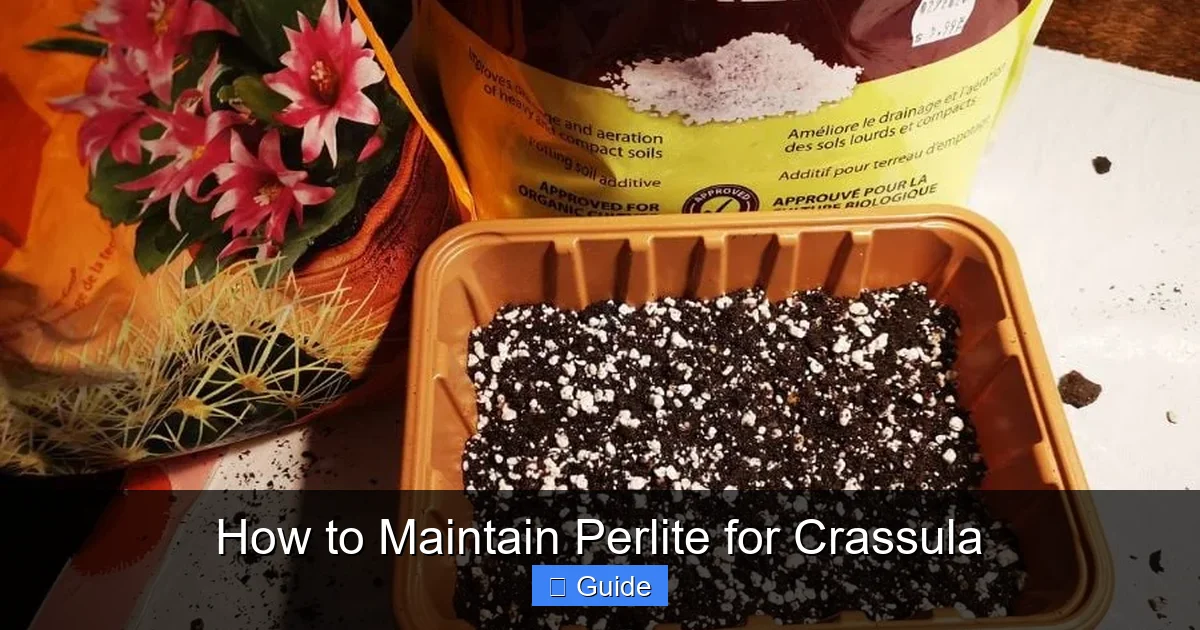
How to Maintain Perlite for Crassula
Perlite for crassula stays light and airy when you rinse it, store it dry, and replace it each season. Follow these easy steps to keep your succulents happy.
Welcome to the guide on how to maintain perlite for crassula.
Perlite for crassula is a light volcanic rock.
It helps soil drain fast.
Good drainage keeps roots healthy.
This guide shows easy steps.
Key Takeaways
- Rinse before use: Wash perlite to remove dust and salts.
- Store dry: Keep perlite in a sealed container away from moisture.
- Mix correctly: Use a 1:1 ratio of perlite to soil for best drainage.
- Check moisture: Feel the mix; it should be damp not soggy.
- Replace yearly: Fresh perlite prevents compaction and disease.
- Avoid overwatering: Too much water breaks down perlite structure.
Quick Answers to Common Questions
How often should I rinse perlite for crassula?
Rinse each new bag before first use and again if it looks dusty.
What is the best perlite to soil ratio?
A 1:1 mix of perlite for crassula and potting soil works well.
Can I reuse old perlite?
Yes, rinse and dry it, but replace if it turns to dust.
How do I know when to water?
Check the top inch; water only when it feels dry.
Does perlite for crassula expire?
It does not expire, but it loses structure after a year of use.
📑 Table of Contents
Why Perlite Matters for Crassula
Crassula plants need air at the roots.
Perlite for crassula creates air gaps.
Air gaps let roots breathe.
Breathing roots grow strong.
Strong roots mean happy plants.
Benefits of Using Perlite
Perlite for crassula is clean and sterile.
It does not break down fast.
It stays light for many seasons.
It moves water through the pot.
It stops soil from packing tight.
Signs Your Perlite Needs Care
Soil stays wet for days.
Roots look brown or soft.
Top layer feels hard.
Plant growth slows down.
Leaves may turn yellow.
Choosing the Right Perlite
Not all perlite is the same.
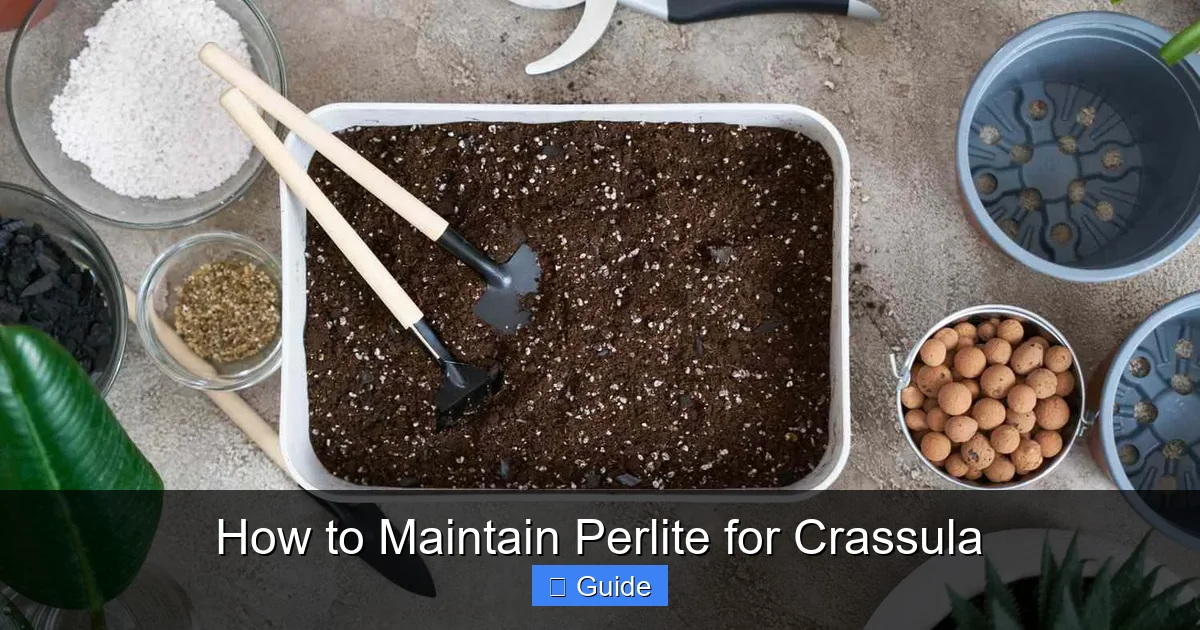
Visual guide about How to Maintain Perlite for Crassula
Image source: marthastewart.com
Pick horticultural grade perlite.
Fine perlite fits small pots.
Coarse perlite fits big pots.
Read the bag label.
Grades and Sizes
Fine grade is one to two millimeters.
Medium grade is two to four millimeters.
Coarse grade is four to eight millimeters.
Match grade to pot size.
Buying Tips
Buy from a trusted garden store.
Avoid construction perlite.
Choose dust free bags.
Store bags in a dry place.
Preparing Perlite Before Use
New perlite often has fine dust.
Dust can block pores.
Rinse perlite before mixing.
Rinsing Steps
Put perlite in a bucket.
Run clean water through it.
Stir gently with your hand.
Pour out cloudy water.
Repeat until water runs clear.
Drying Perlite
Spread perlite on a clean tray.
Let it air dry for a few hours.
Do not use heat.
Dry perlite stores better.
Mixing With Soil
Use one part perlite for crassula to one part soil.
Mix in a large bin.
Break up clumps as you stir.
The mix should feel light and airy.
Maintaining Perlite Moisture Levels
Perlite for crassula holds a little water.
It releases water slowly.
Check moisture often.
How to Check Moisture
Push a finger one inch deep.
Feel for dampness.
If dry, water a little.
If soggy, wait longer.
Watering Schedule
Water when the top inch feels dry.
Use a narrow spout.
Do not flood the pot.
Let extra water drain out.
Adjusting for Seasons
Summer needs more water.
Winter needs less water.
Indoor heat dries soil fast.
Check often when seasons change.
Refreshing and Replacing Perlite
Over time perlite can pack down.
Packed perlite reduces air flow.
Refresh or replace each year.
When to Refresh
After one growing season.
When soil feels heavy.
When roots circle the pot.
How to Refresh
Remove the plant carefully.
Shake off old mix.
Rinse old perlite if you reuse it.
Mix fresh perlite for crassula with new soil.
Replant at the same depth.
When to Replace Completely
If perlite turns to dust.
If you see mold.
If rot keeps coming back.
Common Mistakes and How to Avoid Them
Many growers make simple errors.
Knowing them saves time.
Overwatering
Too much water fills air gaps.
Roots suffocate.
Stick to the finger test.
Using Wrong Grade
Fine perlite in big pots holds too much water.
Coarse perlite in tiny pots drains too fast.
Match grade to container.
Skipping Rinse
Dust blocks drainage.
Rinse every new bag.
Storing Wet Perlite
Moisture causes clumps.
Store in a sealed dry box.
Ignoring Seasonal Changes
Water needs shift with temperature.
Adjust schedule each season.
Conclusion
Maintaining perlite for crassula is easy with a few habits.
Rinse, dry, mix, monitor, and replace.
Your succulents will reward you with bright growth.
Keep this guide handy for each planting season.
Frequently Asked Questions
What is perlite for crassula?
Perlite for crassula is a lightweight volcanic glass that improves drainage and aeration in succulent soil.
Why does my crassula rot even with perlite?
Rot usually comes from overwatering or compacted perlite that blocks airflow.
Can I mix sand with perlite for crassula?
Yes, a small amount of coarse sand can add weight, but perlite alone is often enough.
How do I store leftover perlite?
Keep it in a sealed container in a dry place to prevent moisture buildup.
Is fine or coarse perlite better for small pots?
Fine perlite works best in small pots because it distributes evenly.
When should I replace perlite completely?
Replace it when it turns to dust, shows mold, or the plant keeps rotting.