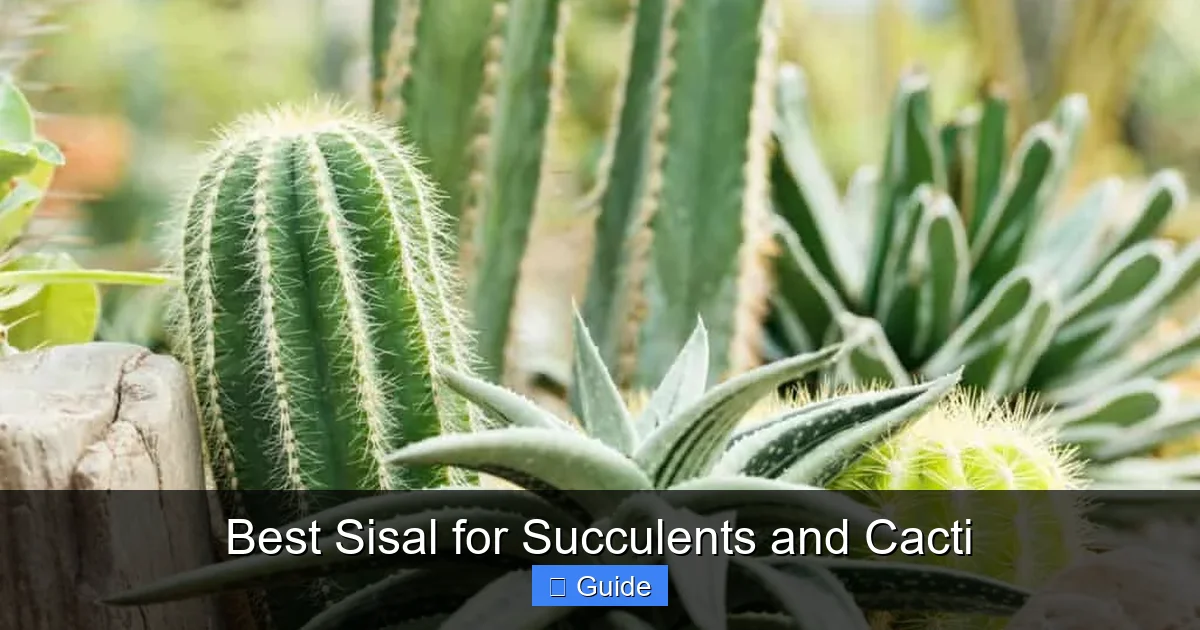
Best Sisal for Succulents and Cacti
Sisal is a natural, durable fiber perfect for supporting and displaying succulents and cacti. This guide covers the top sisal products, how to choose the right type for your plants, and creative ways to use sisal in your succulent garden. Find the best sisal for succulents and cacti to keep your plants thriving and looking great.
If you grow succulents and cacti, you know these plants have unique needs. They want great drainage. They need support as they grow. And they look amazing in natural materials. That is where sisal comes in. Sisal is a strong, natural fiber that works beautifully with desert plants. It comes from the agave family, just like many succulents. This guide will walk you through everything you need to know about the best sisal for succulents and cacti.
We will cover what sisal is and why it works so well. We will look at the different types of sisal products you can buy. We will share our top picks for ropes, mats, poles, and baskets. You will learn how to choose the right sisal for your specific plants. We will also give you creative ideas for using sisal in your garden or home. By the end, you will know exactly what to buy and how to use it.
Key Takeaways
- Sisal is a natural agave fiber: It comes from the sisal agave plant and offers excellent durability for plant support and decor.
- Choose untreated sisal: Avoid chemically treated sisal that could harm sensitive succulents and cacti.
- Match sisal thickness to plant weight: Heavier cacti need thicker rope or sturdier poles, while delicate succulents work with finer twine.
- Sisal improves drainage: Sisal mats and liners prevent soil compaction and promote airflow around roots.
- Replace sisal annually: Natural fiber breaks down over time, especially in humid conditions, so plan for yearly replacement.
- Sisal works for indoor and outdoor use: It handles sun exposure well but lasts longer in covered areas.
- DIY projects add personal style: Wrap pots, build trellises, or create hanging planters with sisal for custom succulent displays.
Quick Answers to Common Questions
What is the best thickness of sisal rope for supporting tall cacti?
For tall, heavy cacti, use 3/8-inch to 1/2-inch three-ply sisal rope. Thinner rope can cut into the plant or snap under weight.
Can I use sisal rope from the hardware store for my succulents?
Only if it is labeled untreated. Most hardware store sisal has chemical treatments for industrial use. Buy garden-specific sisal to be safe.
How long does sisal last in a succulent pot?
Indoor sisal mats and baskets last 3-5 years. Outdoor sisal rope and poles need replacement every 1-2 years due to sun and weather exposure.
Will sisal mold in humid conditions?
Yes, sisal can mold if constantly wet. Prevent this by ensuring good drainage, air circulation, and letting sisal dry between waterings.
Can I wash sisal planters in the washing machine?
No, machine washing destroys sisal fibers. Clean by brushing, vacuuming, or spot-treating with vinegar solution and air drying.
📑 Table of Contents
What Is Sisal and Why Use It for Succulents?
Understanding Sisal Fiber
Sisal comes from the leaves of the Agave sisalana plant. This plant grows in hot, dry climates. It is native to southern Mexico but now grows in many tropical areas. The fibers are long, stiff, and very strong. People have used sisal for centuries to make rope, twine, carpets, and more.
The fiber extraction process is simple. Workers crush the leaves to separate the fibers from the pulp. Then they wash and dry the fibers in the sun. No harsh chemicals are needed for basic sisal. This makes it a very natural product. The color ranges from creamy white to light brown. It has a rough, textured feel that looks great with plants.
Benefits for Succulent Care
Why choose sisal for your succulents and cacti? There are several great reasons. First, sisal is breathable. Air moves through the fibers easily. This prevents moisture buildup that causes rot. Second, sisal drains well. Water passes right through sisal mats and liners. Your roots never sit in soggy material.
Third, sisal is strong enough to hold heavy cacti. A thick sisal rope can support a large barrel cactus without stretching. Fourth, sisal looks natural. The earthy tones complement the greens, blues, and grays of succulents. Fifth, sisal is biodegradable. When it wears out, you can compost it. No plastic waste in your garden.
Sixth, sisal resists sun damage better than many natural fibers. It handles UV exposure well. This matters for outdoor succulent gardens. Seventh, sisal provides grip. Climbing and trailing succulents can attach their roots or stems to sisal surfaces easily.
Types of Sisal Products for Succulents
Sisal Rope and Twine
Sisal rope is the most versatile product. It comes in different thicknesses. Thin twine works for tying up delicate stems. Medium rope supports medium plants. Thick rope handles heavy cacti. You can buy sisal rope by the foot or in large coils. Look for three-ply construction for the best strength.
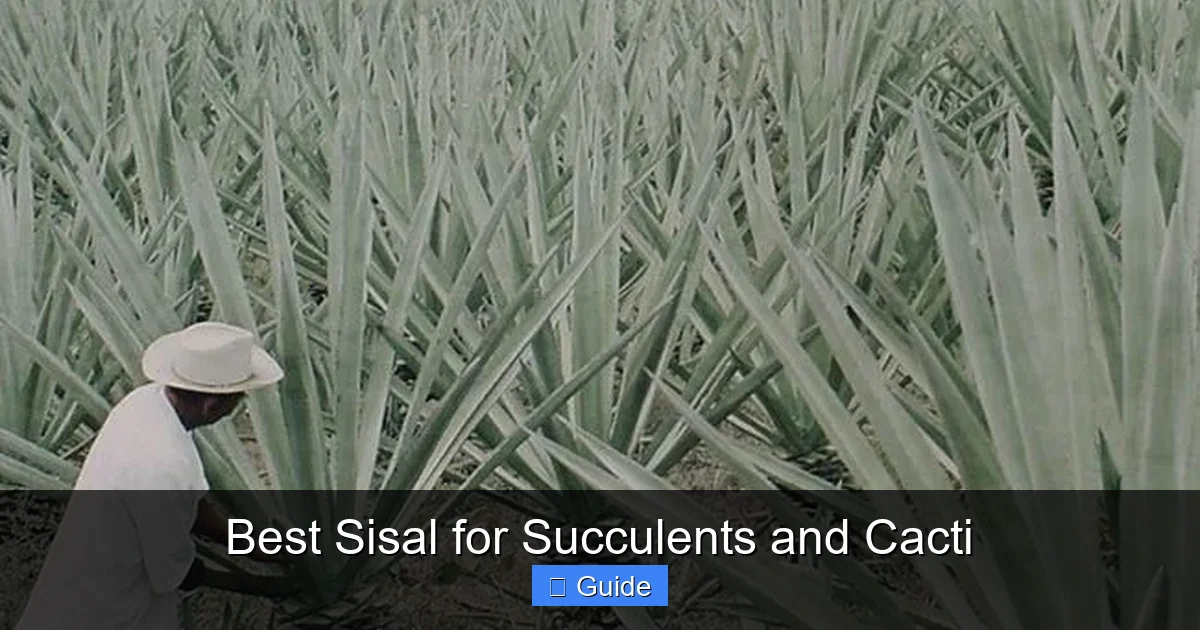
Visual guide about Best Sisal for Succulents and Cacti
Image source: i.pinimg.com
Use sisal rope to stake tall cacti. Wrap it around a stake and the plant stem loosely. Use it to train climbing succulents like string of pearls or fishbone cactus. Tie it to a trellis or pole. You can also wrap sisal rope around plain pots for a decorative touch. The rough texture holds knots well.
Sisal Mats and Liners
Sisal mats are flat woven pieces. They come in sheets or rolls. You can cut them to fit any pot size. Place a sisal mat at the bottom of a pot before adding soil. It keeps soil from washing out the drainage holes. It also creates an air gap at the bottom. This improves root health.
Sisal liners work well in hanging baskets. They hold soil while letting water drain. They look much better than plastic liners. You can also use sisal mats as soil toppers. They reduce evaporation and keep soil from splashing on plants during watering. The natural look blends right in.
Sisal Poles and Totems
Sisal poles are wooden or PVC cores wrapped in sisal rope. They give climbing plants something to grab. The rough texture is perfect for aerial roots. Many epiphytic cacti love sisal poles. Think of Christmas cactus, orchid cactus, or fishbone cactus. These plants naturally climb trees in the wild.
Sisal totems are similar but often taller. They work for larger climbing varieties. Some have a hollow core for adding water. This creates humidity for tropical succulents. You can also make your own pole. Just wrap sisal rope tightly around a sturdy stake. Secure the ends with wire or strong glue.
Sisal Baskets and Planters
Sisal baskets make beautiful planters. They come in many shapes and sizes. Round, square, rectangular, and hanging styles are common. Most have a plastic liner inside. This protects the sisal from constant moisture. The liner has drainage holes.
You can also find sisal-wrapped pots. These are regular pots with sisal rope glued around the outside. They add texture and insulation. The sisal keeps roots cooler in summer. In winter, it provides some frost protection for outdoor plants. Sisal baskets work great for succulent arrangements. Mix several plants in one basket for a stunning display.
Top Sisal Products for Succulents and Cacti
Best Sisal Rope for Training and Support
For general use, a 1/4-inch three-ply sisal rope is ideal. It is strong enough for most cacti but easy to work with. The Vines Natural Sisal Rope is a top choice. It comes in 100-foot coils. The fibers are clean and consistent. No loose strands or weak spots. It knots securely and does not slip.
If you need something thinner, try 1/8-inch sisal twine. The Twisted Sisal Twine by Quality Craft works well. It comes in a 200-foot ball. Perfect for tying delicate succulent stems. It is also great for craft projects like wrapped pots. The twine is soft enough not to cut into plant tissue.
For heavy cacti, go with 3/8-inch or 1/2-inch sisal rope. The Heavy Duty Sisal Rope by Crown Bolt handles serious weight. It has a tight, dense weave. This rope lasts years outdoors. Use it for supporting large columnar cacti or securing heavy pots on shelves.
Best Sisal Mats for Drainage and Aesthetics
The Natural Sisal Mat Roll by NuLoom is excellent. It comes in a 2-foot by 6-foot roll. You can cut custom sizes for any pot. The weave is tight but porous. Water flows through instantly. The mat is thick enough to create a good air gap. It does not compress much under wet soil.
For pre-cut options, try the Sisal Pot Liners by Window Garden. They come in packs of five. Sizes range from 4-inch to 12-inch diameter. The edges are finished so they do not unravel. These fit standard nursery pots perfectly. They are also great for the bottom of decorative cache pots.
If you want a soil topper, the Decorative Sisal Fiber Mat by Mossify works well. It is thinner and more flexible. Cut it to fit around plant stems. It looks attractive and helps retain just the right moisture. The neutral color works with any pot style.
Best Sisal Poles for Climbing Varieties
The best ready-made option is the Moss Pole with Sisal Wrap by Grow Organiks. It comes in 12-inch, 18-inch, and 24-inch heights. The core is sturdy PVC. The sisal wrap is tight and even. A metal stake at the bottom pushes into soil easily. These poles last several seasons.
For a taller option, the Extendable Sisal Totem by Sun-Grow reaches 48 inches. It has two sections that lock together. Add more sections as your plant grows. The sisal covering is replaceable. When it wears out, just unwind and rewrap with new rope. This saves money long-term.
If you prefer DIY, buy a wooden stake and quality sisal rope. Bamboo stakes work well. They are lightweight but strong. Wrap the rope tightly from bottom to top. Leave no gaps. Secure with galvanized staples or waterproof glue. A homemade pole costs less and lets you customize the height.
Best Sisal Baskets for Display
The Handwoven Sisal Basket Set by Mkono includes three sizes. Small, medium, and large nest together. Each has a removable plastic liner with drainage. The weave is beautiful and tight. These look great on shelves or tables. They are sturdy enough for heavy succulent arrangements.
For hanging displays, the Macrame Sisal Hanging Planter by Yarra-Decor is lovely. It combines sisal with macrame knotting. The design holds a 6-inch pot securely. The sisal fibers add texture to the macrame. Hang it near a bright window for trailing succulents like string of bananas or burro’s tail.
If you want a modern look, try the Geometric Sisal Planter by Bloem. It has clean lines and a contemporary shape. The sisal is wrapped over a lightweight foam core. Very easy to move. Includes a saucer. Works well for architectural succulents like agave or aloe.
How to Choose the Right Sisal for Your Plants
Consider Your Plant Type
Different succulents need different sisal products. Upright cacti like saguaro or organ pipe need stakes and rope. Tie them loosely to prevent damage. Trailing succulents like string of pearls need something to drape over. A sisal-wrapped pole or hanging basket works best.
Climbing cacti like epiphyllum or rhipsalis need vertical support. They produce aerial roots that attach to rough surfaces. Sisal poles are perfect. Rosette succulents like echeveria or sempervivum look great in sisal baskets. They do not need support. But the sisal adds beauty and drainage.
Heavy barrel cacti need thick rope and strong stakes. Do not use thin twine. It will cut into the plant or snap. Large agave plants in pots benefit from sisal mats at the bottom. This prevents the heavy soil mix from compacting. Know your plant’s growth habit before buying.
Evaluate Quality and Durability
Not all sisal is equal. High-quality sisal has long, uniform fibers. The color should be consistent. Avoid sisal with many short fibers or dark spots. These indicate poor processing. The rope should feel firm, not mushy. When you squeeze it, it should spring back.
Check the ply count. Three-ply is standard for strength. Two-ply works for light use. Four-ply exists for heavy industrial use. For succulents, three-ply is usually perfect. The twist should be tight. Loose twist means the rope will unravel faster. Pull on a strand. It should not separate easily.
Smell the sisal. Good sisal has a faint, grassy scent. Bad sisal smells musty or chemical. A chemical smell means treatments were used. Musty smell means mold. Both are bad for plants. Buy from reputable garden suppliers, not hardware store bargain bins.
Check for Chemical Treatments
This is critical. Some sisal is treated with pesticides, fungicides, or fire retardants. These chemicals can leach into soil. Succulents are sensitive. Their roots absorb everything. Always choose untreated, natural sisal. Look for labels like “untreated,” “natural,” or “organic.”
If the label does not say, ask the seller. Many online listings specify “untreated.” Avoid sisal sold for industrial or marine use. These are almost always treated. Garden-specific sisal is your safest bet. It costs a bit more but protects your plants.
Watch out for dyed sisal. Colored sisal may contain heavy metals in the dye. Stick with natural colors. The cream and tan shades look better with plants anyway. If you want color, use the pot or the plants themselves for visual interest.
Size and Thickness Matters
Match the sisal thickness to your job. For tying stems, 1/8 to 1/4 inch works. For staking, 1/4 to 3/8 inch. For heavy support, 1/2 inch or more. Mats should be 1/8 to 1/4 inch thick. Thicker mats last longer but cost more. Poles need at least 1/4 inch of sisal wrap.
Measure your pots before buying mats or liners. Cut mats slightly smaller than the pot interior. They should not curl up the sides. For baskets, check the inner dimensions. The plastic liner determines how much soil fits. Make sure your plant’s root ball will fit.
Consider length for rope. Buy more than you think you need. Wrapping pots takes lots of rope. Staking multiple plants adds up. A 100-foot coil gives you plenty for a season. Store extra in a dry place. Sisal keeps indefinitely if dry.
Creative Ways to Use Sisal with Succulents
DIY Sisal-Wrapped Planters
Transform any plain pot into a showpiece. Start with a clean terracotta or plastic pot. Use a hot glue gun or waterproof construction adhesive. Apply glue in sections. Wrap sisal rope tightly around the pot. Press each row against the previous one. No gaps should show.
Cover the whole pot or just the upper half. Leave the bottom bare for drainage. Create patterns by changing rope direction. Try a spiral, horizontal bands, or a crisscross design. Use different thicknesses for texture. Add a sisal bow or tassel at the rim. These make wonderful gifts.
For a simpler version, wrap just the rim. Glue a single row of thick sisal rope around the top edge. This protects the pot rim from chips. It also gives a finished look. You can remove and replace it when worn. This works great for outdoor pots that get bumped.
Sisal Trellis for Trailing Succulents
Build a simple trellis for wall-mounted displays. Use a wooden frame. Stretch sisal rope vertically and horizontally. Staple or tie at intersections. Create a grid pattern. Space ropes 2 to 3 inches apart. Mount the frame on a fence or wall.
Plant trailing succulents at the base. String of hearts, string of dolphins, and rat tail cactus will climb the sisal. Their stems root into the fibers. The grid supports the weight as they grow. This creates a living wall art piece. Water at the base. The sisal wicks moisture up slightly.
For a freestanding version, make an A-frame. Two wooden panels hinged at the top. Cover both sides with sisal grid. Place over a long planter box. Plant on both sides. This doubles your growing space. It looks great on a patio or balcony.
Sisal Soil Toppers for Moisture Control
Cut sisal mats to fit your pot surface. Cut a slit from the edge to the center. Cut a small circle for the plant stem. Lay the mat on the soil. Tuck the edges down the pot sides. This reduces evaporation by 30 to 40 percent. You water less often.
The mat also prevents soil splash. When you water, soil does not jump onto leaves. This keeps plants clean. It stops fungal spores from splashing up. The sisal allows air exchange. Soil does not get anaerobic. Roots stay healthy.
For a decorative touch, use colored sisal fiber (natural dyes only). Or mix sisal with decorative stones. Push stones into the sisal mat. Creates a beautiful textured surface. The stones add weight so the mat does not blow away outdoors.
Hanging Sisal Planters
Make your own hanging planters with sisal rope. Use the macrame technique. Four long ropes folded in half. Tie a knot at the fold for the hanger. Separate into pairs. Tie square knots down the length. Create a net to hold the pot. Finish with a gathering knot.
Simpler version: three ropes. Tie together at top. Braid for 12 inches. Separate ropes. Tie each to the next forming a triangle. Place pot in the triangle. Tie off at bottom. Adjust so pot sits level. This takes 15 minutes. Looks professional.
Use sisal baskets as cache pots for hanging. Place a plastic pot with drainage inside. The basket hides the plastic. Water drains into the basket liner. Empty the liner after watering. Hang from sturdy hooks. Trailing succulents spill over the edges beautifully.
Caring for Sisal Products in Succulent Settings
Preventing Mold and Rot
Sisal is natural fiber. It can mold if constantly wet. This is the biggest risk with succulents. You water thoroughly then let dry. But sisal holds moisture longer than soil. Take steps to prevent problems. First, ensure excellent drainage. Pots must have holes. Use fast-draining soil mix.
Second, do not let sisal sit in water. Empty saucers and cache pots after watering. Hanging baskets should not have standing water in liners. Third, provide air circulation. Space plants so air moves around them. A small fan helps indoors. Fourth, let sisal dry between waterings. Check by touching the sisal. It should feel dry before you water again.
Fifth, avoid overhead watering on sisal. Water at soil level. Wet sisal stays wet longer. Sixth, sprinkle cinnamon on sisal surfaces. Cinnamon is a natural antifungal. It prevents mold without harming plants. Reapply monthly. Seventh, inspect sisal regularly. Look for white, green, or black fuzzy spots. That is mold. Remove affected areas immediately.
When to Replace Sisal Items
Sisal does not last forever. In succulent conditions, expect one to two years. Outdoor sisal degrades faster. Sun, rain, and temperature changes break it down. Indoor sisal lasts longer. Signs it is time to replace: fraying fibers, loss of strength, color fading to gray, mold that will not clean, or bad smell.
Rope used for staking should be checked monthly. Tug gently. If it stretches or fibers pull apart, replace it. A broken stake rope can damage a prized cactus. Mats and liners last longer. Replace when they get thin or develop holes. Soil will wash through holes.
Poles and totems need new wraps every year or two. Unwind old sisal. Check the core for rot. If the core is sound, rewrap with fresh rope. If the core is damaged, replace the whole pole. Baskets last longest. Three to five years is common. The plastic liner protects the sisal from constant moisture.
Cleaning Sisal Accessories
Clean sisal extends its life. For light dust, use a soft brush. A clean paintbrush works well. Brush gently along the fiber direction. For heavier dirt, vacuum with a brush attachment. Use low suction. Do not pull fibers.
For mold spots, mix one part white vinegar to four parts water. Spray lightly on affected area. Do not soak. Let sit 15 minutes. Brush gently. Wipe with damp cloth. Dry thoroughly in sun or with a fan. Sunlight kills mold spores naturally.
For algae (green slime), use hydrogen peroxide. Three percent solution. Spray and let bubble. Rinse with light water spray. Dry fast. Do not use bleach. It weakens fibers and leaves residue. Do not machine wash sisal. Agitation destroys the structure.
Between plantings, deep clean baskets and pots. Remove all soil. Brush out debris. Spray with vinegar solution. Sun dry for a full day. This sterilizes naturally. Your new plants get a fresh start.
Conclusion
Sisal is a fantastic choice for succulent and cactus growers. It is natural, strong, beautiful, and functional. The best sisal for succulents and cacti is untreated, three-ply, and appropriately thick for your needs. Use rope for support, mats for drainage, poles for climbing, and baskets for display. Get creative with DIY projects. Your plants will thrive and your garden will look amazing.
Remember to buy quality sisal from garden suppliers. Avoid treated or dyed products. Match the product to your plant type. Care for your sisal by keeping it dry and clean. Replace it when it shows wear. With good sisal and good care, your succulents and cacti will have the support they need to grow into stunning specimens.
Start small if you are new to sisal. Try a mat in one pot. Wrap rope around one planter. See how you like it. Then expand. Your succulent collection deserves the best. Sisal delivers. Happy planting.
Frequently Asked Questions
Is sisal safe for all types of succulents and cacti?
Yes, untreated natural sisal is safe for all succulents and cacti. It contains no harmful chemicals and its rough texture mimics the natural environments where many desert plants grow. Always verify the sisal is untreated before use.
How do I attach sisal rope to a cactus without damaging it?
Use soft sisal twine and tie loosely in a figure-eight pattern between the stake and plant. Never cinch tight. Check weekly and loosen as the plant grows. Place padding like cloth between rope and sensitive stems.
Can sisal be used as a soil mix component for succulents?
No, sisal fibers do not break down fast enough to work as a soil amendment. They hold too much moisture near roots. Use sisal as a topper, liner, or support instead. Stick to perlite, pumice, or coarse sand for soil mixes.
What is the difference between sisal and jute for succulent use?
Sisal is stronger, more durable, and resists moisture better than jute. Jute rots quickly when wet and loses strength. Sisal lasts 2-3 times longer in garden conditions. Sisal also has a coarser texture that climbing plants grip better.
How do I make a sisal pole for my climbing cactus?
Take a 3-foot bamboo stake or PVC pipe. Starting at the bottom, tightly wrap 1/4-inch sisal rope around it. Secure the start with waterproof glue or a staple. Wrap upward with no gaps. Secure the top end. Push 6-8 inches into soil near the plant.
Where can I buy high-quality untreated sisal for succulents?
Garden centers, hydroponic shops, and online retailers specializing in natural gardening products carry untreated sisal. Search for “untreated sisal rope garden” or “natural sisal planter liner.” Avoid marine, industrial, or craft store sisal unless labeled untreated.