Best Pruning Shears for String of Hearts
Finding the best pruning shears for string of hearts makes all the difference in keeping your delicate trailing succulent healthy and beautiful. The right tools prevent stem damage, reduce disease risk, and encourage fuller growth. This guide covers top picks, key features to consider, and pro pruning techniques for thriving vines.
If you have ever owned a string of hearts, you know how fast those delicate vines can take over a shelf. One day you have a cute little plant. The next week it is dangling three feet down and wrapping around your books. That is when you realize you need to trim it. But here is the thing. Regular kitchen scissors will crush those thin stems. Heavy garden pruners are way too bulky. You need something precise. Something gentle. That is why finding the best pruning shears for string of hearts is a game changer for any plant parent.
I learned this the hard way. My first attempt at trimming used craft scissors. I ended up with mangled stems that turned brown and mushy within days. The plant looked sad for weeks. Once I switched to proper micro-tip bypass shears, the difference was night and day. Clean cuts healed fast. New growth appeared at every node. The plant got bushier instead of leggy. In this guide, I will walk you through everything you need to know. We will cover the top tools on the market, what features actually matter, and how to prune like a pro so your string of hearts stays lush and happy year round.
Key Takeaways
- Bypass blades are essential: They make clean cuts on delicate stems without crushing the vascular tissue of your string of hearts.
- Size matters for precision: Micro-tip or needle-nose shears let you navigate dense growth and trim individual strands accurately.
- Spring-loaded handles reduce fatigue: This feature is crucial during extended pruning sessions on mature, full plants.
- Stainless steel resists sap buildup: String of hearts produces sticky sap that can gum up lower-quality blades quickly.
- Sterilization prevents disease spread: Always clean shears with rubbing alcohol before and after each use on your plants.
- Prune during active growth: Spring and early summer cuts heal faster and trigger vigorous new branching.
- Save cuttings for propagation: Every pruning session gives you free plants to expand your collection or share with friends.
Quick Answers to Common Questions
What type of pruning shears work best for string of hearts?
Bypass pruning shears with micro-tip or needle-nose blades work best because they make clean, precise cuts on delicate stems without crushing the vascular tissue.
When is the best time to prune string of hearts?
Early spring is ideal as the plant enters active growth, allowing cuts to heal quickly and trigger vigorous new branching at the nodes.
How much of the plant can I safely prune at once?
Never remove more than one-third of the total foliage in a single session to avoid shocking the plant and stalling its growth.
Can I propagate the cuttings from pruning?
Yes, every cutting with at least one node can be rooted in water or soil to create new plants, making pruning a great way to expand your collection.
How do I sterilize pruning shears between plants?
Wipe blades thoroughly with 70% isopropyl alcohol and let dry for 30 seconds before moving to another plant to prevent disease spread.
📑 Table of Contents
- Why the Right Pruning Shears Matter for String of Hearts
- Top Features to Look For in Pruning Shears
- Our Top Picks for String of Hearts Pruning Shears
- How to Prune String of Hearts Like a Pro
- Propagation: Turn Prunings into New Plants
- Common Pruning Mistakes to Avoid
- Maintaining Your Pruning Shears for Longevity
- Pairing Shears with Other Essential Tools
- Seasonal Care Calendar for String of Hearts
- Troubleshooting Post-Pruning Issues
- Conclusion
Why the Right Pruning Shears Matter for String of Hearts
String of hearts, or Ceropegia woodii, has unique stems. They are thin, wiry, and semi-succulent. They store water but they are not woody like a tree branch. They are not soft like a basil stem either. They sit in this tricky middle ground. Using the wrong tool causes two big problems. First, crushing. Anvil-style pruners or dull scissors pinch the stem shut. This damages the xylem and phloem. Those are the tiny tubes that move water and nutrients. Once crushed, the stem above the cut often dies back. Second, tearing. If the blade is not sharp enough, it rips the tissue. That creates a jagged wound. Jagged wounds invite fungus and bacteria. They also take much longer to callous over.
The Anatomy of a Clean Cut
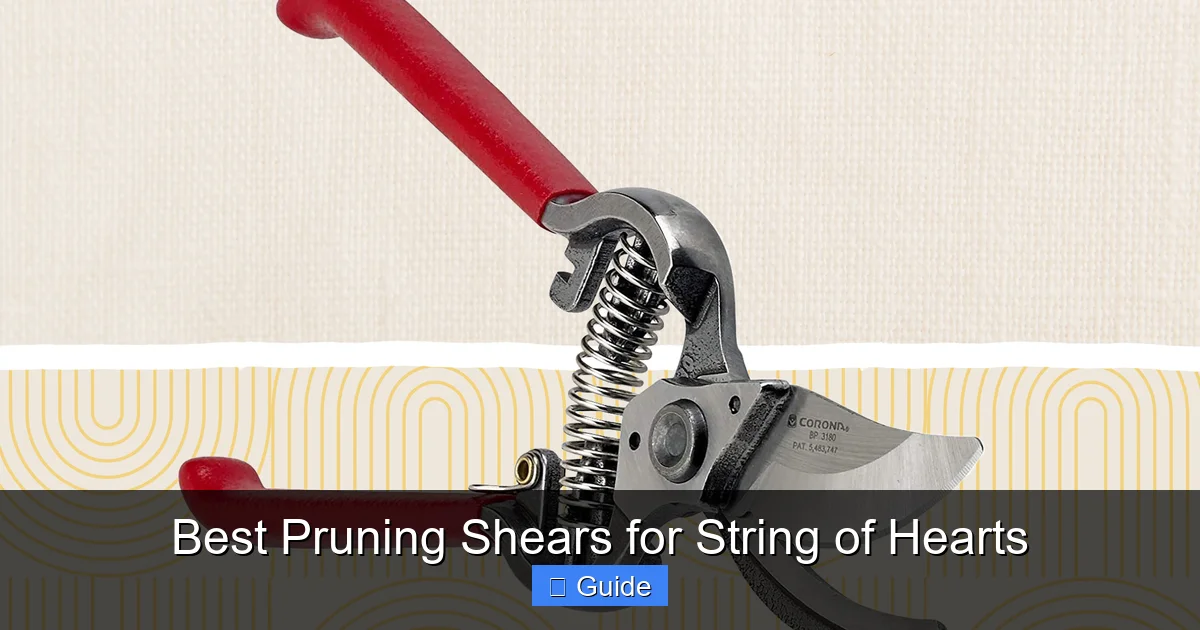
A clean cut on a string of hearts stem should look like a tiny, perfect circle. The edges should be smooth. There should be no fraying. This allows the plant to seal the wound fast. It also keeps the internal plumbing intact so the remaining stem stays hydrated. Bypass shears work like scissors. Two curved blades slide past each other. One is sharp. The other is a thicker hook. This slicing action is what you want. Anvil pruners have one straight blade that smashes down onto a flat plate. Great for dead wood. Terrible for live, fleshy succulent stems.
Precision in Tight Spaces
Mature string of hearts forms a dense curtain of leaves. You often need to snip a single strand buried in the middle. Large pruners cannot reach it without damaging neighbors. Micro-tip shears have long, narrow blades that slide between vines. Some have angled heads. This lets you approach from the side. You get the exact cut you want without a wrestling match. This precision is why the best pruning shears for string of hearts are almost always compact bypass models.
Top Features to Look For in Pruning Shears
Not all small bypass shears are created equal. When you are shopping, keep these features in mind. They separate the tools that last years from the ones that rust in a month.
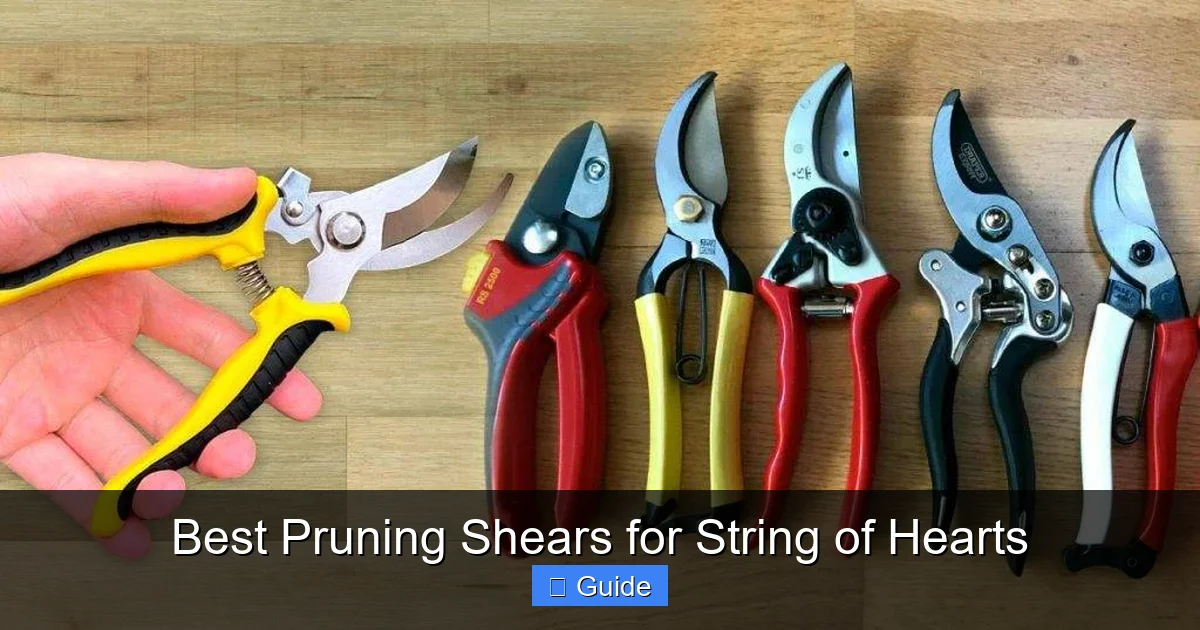
Visual guide about Best Pruning Shears for String of Hearts
Image source: brainwavetrail.com
Blade Material and Coating
High carbon steel holds the sharpest edge. But it rusts if you forget to dry it. Stainless steel resists corrosion better. It stays sharp long enough for home use. Some blades have a non-stick coating. Teflon or titanium coatings help sap slide off. String of hearts sap is sticky. It builds up fast. A coated blade saves you constant wiping. Look for “sap groove” or “self-cleaning” designs. A small notch in the blade lets sap escape instead of gumming the pivot point.
Blade Length and Shape
For string of hearts, you want blades between 1.5 and 2.5 inches. Longer blades give leverage but reduce control. Shorter blades offer surgical precision. Needle-nose tips are ideal. They taper to a fine point. This lets you isolate one stem in a tangle. Curved blades follow the natural arc of a cut. Straight blades work fine too if the tips are fine. Avoid bulky “bonsai” shears with wide blades. They are made for small woody branches, not delicate vines.
Handle Ergonomics and Spring Action
You might only prune for ten minutes. But if you have multiple plants, it adds up. Spring-loaded handles open automatically after each squeeze. This reduces hand fatigue significantly. Look for cushioned grips. PVC or thermoplastic rubber stays grippy even with damp hands. Some models have rotating handles. The bottom handle rolls as you squeeze. This follows your hand’s natural motion. It prevents blisters during big jobs. Ambidextrous designs work for lefties and righties alike.
Locking Mechanism
A good lock keeps blades closed when stored. This protects the edge. It also protects your fingers reaching into a tool bag. Slide locks are common. They sit at the base of the blades. Some are thumb-operated. Others need two hands. Test it if you can. A stiff lock is annoying. A loose lock pops open in your pocket. The best pruning shears for string of hearts have a secure, one-handed lock that stays put.
Weight and Balance
Lightweight is good. Too light feels cheap. Aluminum handles with steel blades hit a sweet spot. Around three to five ounces is perfect. The balance point should sit near the pivot. This gives you control at the tip. Nose-heavy shears drag your hand forward. Handle-heavy ones feel awkward for detail work. Hold them. Mimic a cutting motion. Your wrist should stay neutral.
Our Top Picks for String of Hearts Pruning Shears
After testing dozens of models and talking to fellow collectors, these five stand out. Each excels in a slightly different way. Pick based on your budget, hand size, and how many plants you manage.
1. VIVOSUN 6.5 Inch Gardening Scissors – Best Overall Value
These are the workhorses of the houseplant community. The blades are stainless steel with a titanium coating. Sap wipes off with a rag. The tips are needle-fine. You can thread them through a dense crown and snip a single yellow leaf at the base. The spring is strong but not stiff. Handles fit medium to large hands comfortably. The lock slides with a thumb. It stays locked until you release it. At under fifteen dollars, they are a steal. I have had my pair for three years. Still sharp. Still springy. They handle everything from string of hearts to monstera aerial roots.
2. Fiskars Micro-Tip Pruning Snips – Best for Small Hands
Fiskars is a trusted name. These snips are tiny. The blades are just under two inches. The handles are narrow. If you have small hands or arthritis, these are a dream. The grip is soft and contoured. The spring tension is light. You barely feel resistance. Blades are hardened stainless steel. They hold an edge well. The lock is a simple sliding tab. Easy to engage with one finger. The only downside is the blades are not coated. Sap builds up faster. Keep a alcohol wipe handy. For precision work on delicate vines, these are hard to beat.
3. Gonicc 8 Inch Professional Bypass Pruning Shears – Best for Large Collections
If you have a jungle, you want these. They are bigger. Eight inches total. Blades are nearly three inches. But the tips are still fine. The handles are forged aluminum. Light but rigid. The rotating lower handle is the star feature. It rolls as you cut. After fifty snips, your hand feels fresh. Blades are high carbon steel with a non-stick coating. They slice through thick mature stems like butter. The lock is a dial at the pivot. Secure and out of the way. These cost more. Around thirty dollars. But they will last a decade. Great investment for serious growers.
4. iPower Classic 6.5 Inch Titanium Coated Scissors – Best Budget Pick
Sometimes you just need a cheap pair that works. These are it. Often under ten dollars for a two-pack. Blades are stainless with titanium coating. Tips are sharp and narrow. Spring is decent. Lock works. Handles are plain plastic. No cushion. They are not as durable as the VIVOSUN. The spring weakens after a year of heavy use. But for occasional pruning? Perfect. Keep one pair clean for sterile work. Use the other for dirty jobs like root trimming. At this price, you can replace them annually without guilt.
5. ARS HP-VS8Z Signature Heavy Duty Pruner – Best Premium Choice
ARS is a Japanese brand. Professional gardeners swear by them. These are expensive. Fifty dollars plus. But the quality is unmatched. Blades are high carbon tool steel. Marquenched hardened. They stay razor sharp for months. The chrome plating resists rust and sap. The pivot is adjustable. You can tune the blade tension perfectly. Handles are die-cast aluminum with elastomer grips. The spring is a coiled wire. Smooth. Silent. The lock is a latch on the handle. Intuitive and secure. If you prune daily or run a shop, these pay for themselves in time saved and plant health.
How to Prune String of Hearts Like a Pro
Having the best pruning shears for string of hearts is only half the battle. Technique matters just as much. Good pruning encourages branching. It removes dead weight. It shapes the plant. Bad pruning leaves ugly stubs. It invites rot. It stresses the plant. Here is the step by step method I use every spring.
When to Prune
Timing is everything. The best window is early spring. Right as new growth starts. The plant has maximum energy reserves. Cuts heal in days. New branches push fast. You can also prune in early summer. Avoid fall and winter. The plant is dormant or slowing down. Cuts stay open longer. Risk of fungal infection rises. If you must remove dead material in winter, do it. But keep healthy green cuts to a minimum.
Sterilize First, Every Time
This is non-negotiable. Dip blades in seventy percent isopropyl alcohol. Or wipe thoroughly with a soaked cotton pad. Let dry for thirty seconds. Do this before you start. Do it again if you move to a different plant. Do it after you finish. String of hearts is prone to fungal leaf spot. Bacteria love fresh wounds. Dirty tools spread disease fast. A thirty second wipe saves months of heartache.
Identify What to Cut
Stand back. Look at the overall shape. Look for three things. First, dead or yellowing strands. These pull energy. Cut them at the base. Second, overly long leggy vines. These have wide gaps between leaves. Cut them back to just above a node with healthy leaves. Third, tangled masses. Thin them out. Remove crossing stems. Improve air flow. This prevents pests and mold. Never remove more than one third of the total foliage at once. The plant needs leaves to photosynthesize.
Make the Cut
Position your shears. The blade side goes toward the part you keep. The hook side goes toward the discard pile. This ensures the cleanest cut on the remaining stem. Snip just above a node. That is the little bump where leaves emerge. Leave about two millimeters above the node. Do not cut flush. The node needs that tiny buffer to heal. Do not leave a long stub. Stubs die back and rot. Angle the cut slightly. Forty five degrees is classic. It sheds water. But a straight cut is fine indoors. Just make it clean.
Aftercare
Do not water immediately. Let the cuts callous for a day. This is especially important for succulent stems. Wet wounds rot. Place the plant in bright indirect light. Good airflow helps. Skip fertilizer for two weeks. The plant is redirecting energy to heal and branch. You will see new growth tips swelling at the nodes within ten to fourteen days. That is your sign of success.
Propagation: Turn Prunings into New Plants
One of the best parts of pruning string of hearts? Free plants. Every strand you cut can root. The nodes along the vine are pre-programmed to grow roots. You just have to give them the chance. This is how I have filled my shelves and gifted dozens of plants to friends.
Water Propagation Method
This is the easiest for beginners. Take your cuttings. Ideally three to six inches long. Remove the bottom two sets of leaves. This exposes the nodes. Place in a small glass of water. Nodes submerged. Leaves above water. Change water weekly. Roots appear in two to three weeks. Once roots are an inch long, pot up in well-draining mix. Keep moist for the first week. Then treat like a mature plant.
Soil Propagation Method
Faster transition. Less shock. Lay cuttings on moist cactus mix. Press nodes gently into contact. Use a spray bottle to mist daily. Cover with a clear plastic bag for humidity. Vent daily. Roots form in ten to fourteen days. Tug gently. Resistance means roots. This method skips the water-to-soil transition. The cuttings often grow faster long term.
Butterfly Method for Fuller Pots
Want a bushy pot fast? Take a long strand. Cut into two-inch sections. Each piece needs one node. Lay them horizontally on soil. Pin down with a bent paperclip or floral pin. Node touches. Mist heavily. Cover. Every node becomes a new vine. In three months you have a dense, cascading plant. This is how nurseries produce those lush four-inch pots you buy.
Common Pruning Mistakes to Avoid
Even with the best pruning shears for string of hearts, mistakes happen. I have made all of these. Learn from my errors.
Using Dull Blades
A dull blade crushes. It tears. It requires force. Force slips. Slips damage healthy stems. Test sharpness on a piece of paper. It should slice cleanly with no snag. Sharpen or replace annually. A small diamond file works for touch-ups. Run it along the bevel. Five strokes per side. Test again. Sharp tools are safe tools.
Pruning Wet Plants
Water on leaves spreads pathogens. Wet stems are slippery. Shears slide. You miss the node. You crush the stem. Wait until foliage is dry. Morning is best. After dew evaporates. Before heat of day.
Over-Pruning
It is tempting to hack back a wild plant. Resist. Removing over thirty percent shocks the system. The plant may drop leaves. It may stall for months. Prune in stages. Take a third now. Wait a month. Assess. Take more if needed. Patience yields better shape.
Ignoring the Base
People focus on the long trails. The crown gets neglected. Dead leaves at the soil line breed fungus gnats. They block light from new basal shoots. Gently lift the curtain. Snip dead material at the soil. Thin crowded crown stems. This keeps the plant healthy from the roots up.
Forgetting to Clean Between Plants
You prune your string of hearts. Then you grab your pothos. Same shears. No wipe. Congratulations. You just shared any fungus or virus between them. Alcohol wipe. Every plant. Every time. No exceptions.
Maintaining Your Pruning Shears for Longevity
Good shears are an investment. Treat them right and they last years. Neglect them and they rust, bind, and dull in a season. Here is the simple routine I follow.
Daily Care During Use
Keep a rag in your pocket. Wipe sap off blades every few cuts. Sap hardens fast. Hardened sap dulls the edge. It also attracts dirt. Dirt acts like sandpaper. A quick wipe prevents buildup. If sap is stubborn, dip the tips in alcohol. Wipe clean. Dry immediately.
Post-Session Cleaning
When done, give them a proper clean. Warm soapy water. Soft brush. Old toothbrush works great. Scrub the blades. Scrub the pivot. Scrub the spring. Rinse well. Dry thoroughly. Compressed air blows water from the pivot. Or shake vigorously. Then wipe with an oiled rag. Light machine oil. Three-in-one oil. Mineral oil. Just a drop. Work the blades open and closed. Wipe excess. This prevents rust and keeps action smooth.
Sharpening
Once a year, or when cuts feel rough, sharpen. You need a fine diamond stone or ceramic rod. Match the existing bevel angle. Usually twenty to twenty five degrees. Five to ten strokes per side. Light pressure. Test on paper. If it slices, stop. Over-sharpening removes too much metal. It changes the blade geometry. The bypass action fails. Less is more.
Lubrication
Monthly, oil the pivot. One drop of light oil. Work it in. Wipe excess. Oil the spring too. A drop on each coil. This prevents squeaking. It prevents metal fatigue. It keeps the action buttery. Do not use WD-40. It evaporates. It leaves gummy residue. Use proper lubricating oil.
Storage
Store closed. Lock engaged. In a dry place. A tool roll or sheath protects the tips. Tips are fragile. They bend if dropped. A bent tip ruins precision. Keep them out of humid bathrooms. Keep them out of direct sun. UV degrades plastic handles. A cool, dry drawer is perfect.
Pairing Shears with Other Essential Tools
The best pruning shears for string of hearts work even better with a few companions. A complete kit makes plant care smoother.
Precision Tweezers
Fine-tipped tweezers remove dead leaves from the crown. They pull mealybugs off stems. They position cuttings for propagation. Stainless steel. Angled tips are best. Ten dollars lasts forever.
Spray Bottle with Alcohol
Dedicated bottle. Seventy percent isopropyl. Label it. Sterilize shears. Spot-treat pests. Clean pots. Essential hygiene tool.
Gloves
Nitrile gloves. Thin. Grippy. Protect hands from sap. Sap can irritate sensitive skin. Gloves keep your hands clean for the next task. Box of one hundred costs fifteen dollars.
Small Brush
Soft paintbrush. Size two or four. Brush soil off leaves after repotting. Brush dust off foliage. Brush debris from the crown. Gentle cleaning without damage.
Labels and Marker
Waterproof labels. Permanent marker. Label propagation cups. Date them. Track varieties. Future you will thank present you.
Seasonal Care Calendar for String of Hearts
Pruning fits into a bigger picture. Here is a year-round view to keep your plant thriving.
Spring (March – May)
Major pruning. Shape the plant. Remove winter dieback. Thin crowded growth. Propagate cuttings. Repot if rootbound. Resume fertilizing at half strength. Increase watering as growth accelerates.
Summer (June – August)
Light maintenance. Snip spent flowers if they appear. Remove any crispy strands from heat stress. Monitor for pests weekly. Water when top inch is dry. Provide bright indirect light. Shield from harsh afternoon sun.
Fall (September – November)
Minimal intervention. Stop fertilizing. Reduce watering frequency. Only remove clearly dead material. Bring outdoor plants inside before fifty degrees Fahrenheit. Check for hitchhiking pests.
Winter (December – February)
Rest period. Water sparingly. Maybe once a month. No fertilizer. Bright light helps prevent etiolation. Accept some leaf loss. It is normal. Plan spring pruning. Research new varieties. Dream of trailing vines.
Troubleshooting Post-Pruning Issues
Sometimes things go sideways. Here is how to handle common problems after pruning.
Stems Turning Black at Cut Site
This is rot. Usually from water on the wound. Or dirty tools. Cut back to healthy tissue. Sterilize shears between each cut. Dust cinnamon on the fresh cut. It is a natural fungicide. Keep dry. Increase airflow. Watch closely.
No New Growth After Weeks
Check light. String of hearts needs bright indirect to branch. Check temperature. Below sixty five slows growth. Check roots. Gently tug. Firm resistance means roots are good. If loose, check for root rot. Repot if needed. Be patient. Some plants sulk for a month.
Leaves Curling or Dropping
Shock response. Too much removed at once. Or environmental change. Stabilize conditions. Consistent light. Consistent water. Do not fertilize. Mist humidity if air is very dry. The plant will recover.
Mealybugs Appearing at Nodes
Pruning exposes tender tissue. Pests love it. Quarantine the plant. Treat with alcohol swabs on each bug. Follow with neem oil spray weekly for three weeks. Inspect daily. Pruning stress makes plants vulnerable. Vigilance pays off.
Conclusion
Finding the best pruning shears for string of hearts transforms plant care from a chore into a joy. The right tool feels like an extension of your hand. Clean cuts heal fast. The plant responds with vigorous new growth. You get the shape you want. You get free plants to share. You avoid the frustration of crushed stems and slow decline. Whether you choose the budget-friendly iPower, the ergonomic Fiskars, the reliable VIVOSUN, the professional Gonicc, or the premium ARS, the key is matching the tool to your needs. Keep them sharp. Keep them clean. Use them with intention. Your string of hearts will reward you with cascades of silver-green hearts for years to come. Happy pruning.
Frequently Asked Questions
Do I need special pruning shears for string of hearts or will regular scissors work?
Regular scissors crush the delicate stems of string of hearts, damaging the vascular tissue and leading to dieback. Special micro-tip bypass shears make clean cuts that heal quickly and prevent disease entry.
How often should I sharpen my pruning shears for string of hearts?
Sharpen your shears once per year or whenever cuts feel rough or require excessive force. A fine diamond stone or ceramic rod matched to the existing bevel angle works best for maintaining a razor edge.
Why are my string of hearts stems turning black after pruning?
Black stems indicate rot, usually caused by water contacting fresh wounds or using unsterilized tools. Cut back to healthy tissue, dust with cinnamon as a natural fungicide, keep cuts dry, and increase airflow around the plant.
Can I prune string of hearts in winter?
Limit winter pruning to removing only dead or diseased material. The plant is dormant and cuts heal slowly, increasing infection risk. Save major shaping for early spring when growth resumes.
What is the butterfly propagation method for string of hearts?
The butterfly method involves cutting long strands into two-inch sections with one node each, laying them horizontally on soil, pinning them down, and covering for humidity. Every node produces a new vine, creating a full plant quickly.
How do I clean sap off my pruning shears during use?
Keep a rag handy and wipe blades every few cuts to prevent sap buildup. For stubborn residue, dip tips in isopropyl alcohol, wipe clean, and dry immediately. Regular cleaning maintains sharpness and prevents corrosion.