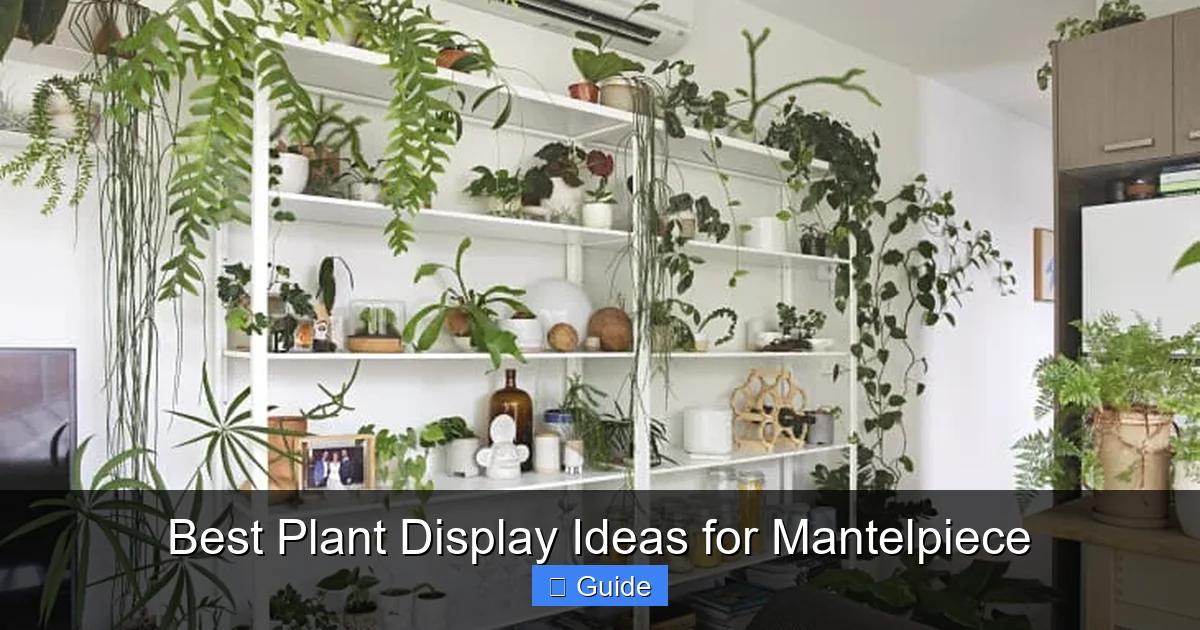
Best Plant Display Ideas for Mantelpiece
Transform your mantel into a living centerpiece with the best plant display ideas for mantelpiece. Choose plants that match your light, layer heights for depth, and swap containers seasonally for a fresh look year‑round.
Key Takeaways
- Match plants to light: Pick species that thrive in the mantel’s exposure.
- Vary heights: Use stands, books, or risers to create visual layers.
- Choose cohesive containers: Keep materials and colors consistent with room decor.
- Rotate seasonally: Swap foliage and accents for spring, summer, fall, and winter.
- Add subtle lighting: LED strips or candles highlight textures without heat.
- Maintain a simple care routine: Water, dust, and prune on a regular schedule.
Quick Answers to Common Questions
What plants work best on a low‑light mantel?
ZZ plant, snake plant, and peace lily thrive in low light and need little water.
How do I create height variation without buying stands?
Stack sturdy books, use wooden blocks, or repurpose small crates as risers.
Can I mix real and faux plants?
Yes, high‑quality faux stems fill gaps while real plants provide air‑purifying benefits.
What is the safest way to add candles near plants?
Use battery‑operated LED candles or place real flames in hurricane glasses away from foliage.
How often should I rotate my mantel plants?
Rotate each pot a quarter turn weekly for even light exposure.
📑 Table of Contents
Introduction
A mantelpiece is often the heart of a living room. It draws the eye and sets the tone for the whole space. Adding greenery turns that focal point into a living work of art. When you search for the best plant display ideas for mantelpiece, you will find endless inspiration. This guide walks you through plant selection, layout tricks, container choices, seasonal updates, lighting, and care. Follow these steps and your mantel will stay fresh all year.
Start by looking at the light that hits your mantel. Some mantels sit near a bright window while others sit in a shadowed corner. The amount of light decides which plants will thrive. Next think about scale. A tall vase can dominate a narrow mantel while a cluster of small pots fits a wide shelf. Finally consider your style. Modern, rustic, boho, or classic – each vibe calls for different pots and plant shapes. Keep these three factors in mind and the rest falls into place.
Choosing the Right Plants
Consider Light Conditions
Bright indirect light suits succulents, snake plants, and pothos. Low light corners welcome ZZ plants, cast iron plant, and peace lily. If your mantel gets direct sun for a few hours, try herbs like rosemary or thyme in small pots. Matching light to plant health is the first rule of the best plant display ideas for mantelpiece.
Use a simple light meter or a phone app to measure foot‑candles. Write down the reading for each spot on the mantel. Then match the reading to plant labels at the nursery. This step removes guesswork and prevents wilted leaves.
Size and Scale
Large statement plants such as a fiddle leaf fig need room to breathe. Use a single tall pot on one end of the mantel. Medium plants like rubber tree or bird of paradise work well in pairs. Small trailing varieties like string of pearls or ivy can spill over the edge. Mixing sizes creates rhythm and prevents a flat look.
Measure the mantel width before you shop. Divide the length by the number of pots you plan to use. This gives you a rough spacing guide. Keep at least two inches between pots for air flow.
Low‑Maintenance Options
Busy schedules call for forgiving greenery. Snake plant, ZZ plant, and pothos survive missed waterings. Air plants need only a weekly mist. These choices keep the display looking sharp with minimal effort. They also fit the best plant display ideas for mantelpiece because they stay tidy over time.
Group low‑maintenance plants together so you can water them on the same day. Label each pot with a small tag if you have many varieties. A simple spreadsheet can track watering dates.
Pet‑Safe Selections
If you have cats or dogs, choose non‑toxic species. Spider plant, Boston fern, and areca palm are safe bets. Avoid lilies, philodendron, and pothos if pets like to chew. Safety first keeps both plants and animals happy.
Place a small barrier like a decorative fence around the base of toxic plants. This adds a design element while protecting curious paws.
Pro Tips
- Tip 1: Measure light with a phone app before buying any plant to match species to exact conditions.
- Tip 2: Choose one statement plant and fill the rest with complementary smaller varieties for balance.
- Tip 3: Keep a watering calendar on your fridge to avoid over‑ or under‑watering.
- Tip 4: Select pet‑safe plants if animals roam the room; it saves worry and vet bills.
- Tip 5: Rotate new acquisitions into the display gradually to let them acclimate.
Layering Heights for Visual Interest
Use Stands and Risers
Elevate some pots on wooden blocks, metal stands, or stacked books. A height difference of just a few inches adds depth. Place the tallest item at the back or center. Shorter pots sit in front. This simple trick turns a flat line into a dynamic scene.
DIY risers can be made from reclaimed wood slices. Sand them smooth and finish with a clear coat. They add rustic charm and cost almost nothing.
Mix Trailing and Upright Forms
Trailing vines soften hard edges. Let a pothos cascade down the front of the mantel. Pair it with an upright snake plant for contrast. The eye moves from the vertical line to the flowing tendrils. This interplay is a hallmark of the best plant display ideas for mantelpiece.
Secure trailing stems with clear fishing line if they droop too far. This keeps the look intentional rather than messy.
Create a Focal Point
Choose one standout piece – a large ceramic pot, a sculptural branch, or a bright flowering plant. Position it slightly off‑center. Surround it with smaller, quieter pots. The focal point anchors the arrangement and gives the viewer a clear entry point.
Rotate the focal piece each season. A spring tulip pot, a summer hibiscus, an autumn chrysanthemum, and a winter amaryllis keep the display fresh.
Add Architectural Elements
Incorporate a thin metal rod or a wooden dowel to guide vines upward. Hang a small macramé planter from the rod for extra height. Architectural supports turn a simple shelf into a vertical garden.
Paint the support the same color as the mantel for a seamless look. Or choose a contrasting hue for a bold statement.
Pro Tips
- Tip 1: Use a level when placing risers so every pot sits evenly and looks polished.
- Tip 2: Combine three heights – tall, medium, low – for a natural triangular composition.
- Tip 3: Let one trailing plant spill over the edge; it adds movement without extra hardware.
- Tip 4: Swap the focal point each quarter to keep the mantel feeling new.
- Tip 5: Add a thin mirror behind the tallest plant to double visual height.
Containers That Complement Your Mantel
Match Materials to Room Style
Modern spaces love matte black, concrete, or sleek white ceramic. Rustic rooms shine with terracotta, reclaimed wood, or galvanized metal. Bohemian vibes welcome woven baskets, colorful glazed pots, or macramé hangers. Consistent material language ties the display to the rest of the decor.
Take a photo of your mantel and compare swatches at the store. This visual check prevents mismatched finishes.
Play With Color and Texture
Neutral pots let foliage pop. Add a pop of color with a single teal or mustard vessel. Textured surfaces like hammered metal or rough stone add tactile interest. Keep the palette limited to three hues for cohesion.
Use a color wheel to pick complementary shades. A cool green plant looks striking in a warm terracotta pot.
Group in Odd Numbers
Designers swear by the rule of three. Three pots of varying height look more natural than two or four. Five works for a longer mantel. Odd groupings create a sense of movement and avoid static symmetry.
Arrange the tallest pot in the middle, the shortest on the ends. This classic triangle composition feels balanced.
Consider Drainage and Weight
All pots need drainage holes or a layer of gravel at the bottom. Heavy ceramic pots can stress a wooden mantel. Lightweight fiber‑cement or resin pots reduce load while looking substantial.
Place a thin cork mat under each pot. It protects the mantel surface and adds a subtle cushion.
Pro Tips
- Tip 1: Choose containers with similar finish – matte, gloss, or matte‑gloss – for a unified look.
- Tip 2: Limit the color palette to three shades; it prevents visual clutter.
- Tip 3: Use lightweight resin pots for large plants to avoid stressing the mantel.
- Tip 4: Add a thin cork pad under each pot to protect wood and absorb moisture.
- Tip 5: Mix one textured pot with two smooth ones for subtle contrast.
Seasonal Swaps and Themes
Spring Freshness
Swap in pastel pots and early bloomers like primroses or miniature daffodils. Add a few sprigs of eucalyptus for scent. Light green foliage signals renewal. This seasonal refresh follows the best plant display ideas for mantelpiece by keeping the look current.
Incorporate a small bird’s nest or a ceramic egg for a playful Easter touch. Remove them after the holiday to keep the display clean.
Summer Vibrancy
Bright annuals such as petunias, geraniums, or marigolds thrive in warm light. Use lightweight plastic pots for easy movement. Add a small water feature or seashell accents for a coastal feel. The mantel becomes a mini garden party.
Water early in the morning to reduce evaporation. Deadhead spent blooms weekly to encourage new flowers.
Autumn Warmth
Introduce deep orange, burgundy, and gold tones. Plant ornamental kale, chrysanthemums, or small pumpkins in decorative containers. Dried wheat stalks or cinnamon sticks add texture. The display mirrors the changing leaves outside.
Swap out summer annuals for hardy mums before the first frost. This transition keeps the mantel looking intentional.
Winter Minimalism
Keep it simple with evergreen branches, a single white orchid, or a cluster of succulents in frosted glass. Add a string of warm LED lights for glow. Less clutter lets each element breathe during the busy holiday season.
Use a timer on the LED string so it turns on at dusk and off at midnight. This saves energy and adds a magical ambience.
Holiday Accents
For Christmas, tuck a few pinecones, a miniature sled, or a tiny wrapped gift among the pots. Keep the color scheme consistent with your existing palette. Subtle holiday hints feel elegant rather than overwhelming.
Remove holiday items promptly after the new year. This prevents the mantel from looking dated.
Pro Tips
- Tip 1: Plan a seasonal calendar; note swap dates for each quarter.
- Tip 2: Keep a stash of neutral pots; only change the plant and accent pieces.
- Tip 3: Use removable adhesive hooks for lightweight seasonal ornaments.
- Tip 4: Choose evergreen bases that stay year‑round; only swap the flowering element.
- Tip 5: Store off‑season plants in a cool, bright spot to reuse next year.
Lighting and Accessories
Add Soft Glow with LED Strips
Thin LED tape tucked behind the mantel edge casts a gentle wash. Choose a warm white temperature around 2700K. The light highlights leaf texture without generating heat. It also makes the display visible in the evening.
Select a dimmable strip so you can lower the brightness for movie nights. A remote control adds convenience.
Incorporate Candles and Art
Place a few pillar candles in hurricane glasses for safety. Lean a small framed print or a mirror behind the plants. The reflection doubles the greenery visually. These accents elevate the arrangement beyond pure foliage.
Choose unscented candles to avoid overwhelming delicate leaves. A mirror with a thin frame keeps the look light.
Keep It Safe
Never leave open flames unattended. Use battery‑operated candles if you have pets or kids. Ensure electrical cords are hidden and not pinched. Safety preserves both your home and your plants.
Run cords along the back of the mantel and secure them with adhesive clips. This prevents tripping hazards.
Add Decorative Objects
Small sculptures, vintage books, or a ceramic vase can sit beside the plants. Keep the number of objects low to avoid clutter. Each piece should echo the room’s color story.
Rotate accessories seasonally just like the plants. A brass candle holder in winter, a seashell in summer.
Pro Tips
- Tip 1: Install a plug‑in timer for LED strips to automate on/off cycles.
- Tip 2: Use battery‑operated candles for a flicker effect without heat risk.
- Tip 3: Hang a thin mirror behind the tallest plant to amplify light and depth.
- Tip 4: Limit decorative objects to three; odd numbers keep the eye moving.
- Tip 5: Choose a dimmable LED strip so you can set mood lighting for evenings.
Maintenance Tips for a Long‑Lasting Display
Watering Schedule
Check soil moisture weekly. Stick a finger an inch deep; if dry, water thoroughly. Use a saucer to catch excess. Overwatering is the most common cause of plant loss on a mantel.
Set a recurring calendar reminder for each plant type. Succulents need water every two weeks, tropicals every week.
Dusting and Pruning
Wipe leaves with a damp cloth every two weeks. Dust blocks light and reduces photosynthesis. Trim yellow or dead leaves promptly. Clean foliage keeps the display looking polished.
Use a soft brush for fuzzy leaves like African violet. Avoid harsh chemicals; plain water works best.
Rotate for Even Growth
Turn each pot a quarter turn each week. This prevents leaning toward the light source. Balanced growth maintains the intended shape of your arrangement.
Mark the front of each pot with a tiny sticker. The sticker reminds you which side faced the light last time.
Fertilize Lightly
Feed with a diluted liquid fertilizer once a month during the growing season. Skip feeding in winter when growth slows. Too much fertilizer burns roots and creates salt buildup.
Choose a balanced 10‑10‑10 formula for most houseplants. Follow the label for dilution rates.
Pest Monitoring
Inspect leaves for spider mites, mealybugs, or scale every watering. Early detection means a quick spray of neem oil solves the problem. Healthy plants resist pests better.
Quarantine new plants for two weeks before adding them to the mantel. This prevents hitchhiking insects.
Pro Tips
- Tip 1: Keep a small notebook on the mantel for watering and fertilizing dates.
- Tip 2: Use a spray bottle with diluted neem oil for quick pest treatment.
- Tip 3: Rotate pots on a set day each week to build a habit.
- Tip 4: Trim dead foliage immediately; it prevents disease spread.
- Tip 5: Flush pots with clear water monthly to remove salt buildup.
Conclusion
Creating a stunning mantel garden is easier than it looks. Start with the right plants for your light, vary heights, pick cohesive containers, and rotate with the seasons. Add subtle lighting and a simple care routine. Before long, your mantel will be the talk of every guest. Use these best plant display ideas for mantelpiece as a checklist and enjoy a living centerpiece that evolves with you.
Frequently Asked Questions
Do I need a drainage hole in mantel pots?
Yes, drainage prevents root rot. Use a saucer or cachepot to protect the mantel surface.
Can I place a large tree on a narrow mantel?
Only if the mantel can support the weight and the tree’s canopy does not block sightlines.
What type of LED strip is best for plant displays?
Warm white (2700K) flexible tape with low heat output works well and highlights foliage.
How do I keep trailing vines from draping onto the floor?
Trim vines regularly or guide them with small hooks attached to the mantel edge.
Is it okay to use scented candles near plants?
Strong scents can stress sensitive plants; opt for unscented or battery candles instead.
What is the easiest way to change the look seasonally?
Swap out a few pots and add seasonal accents like pinecones or blossoms without re‑planting everything.