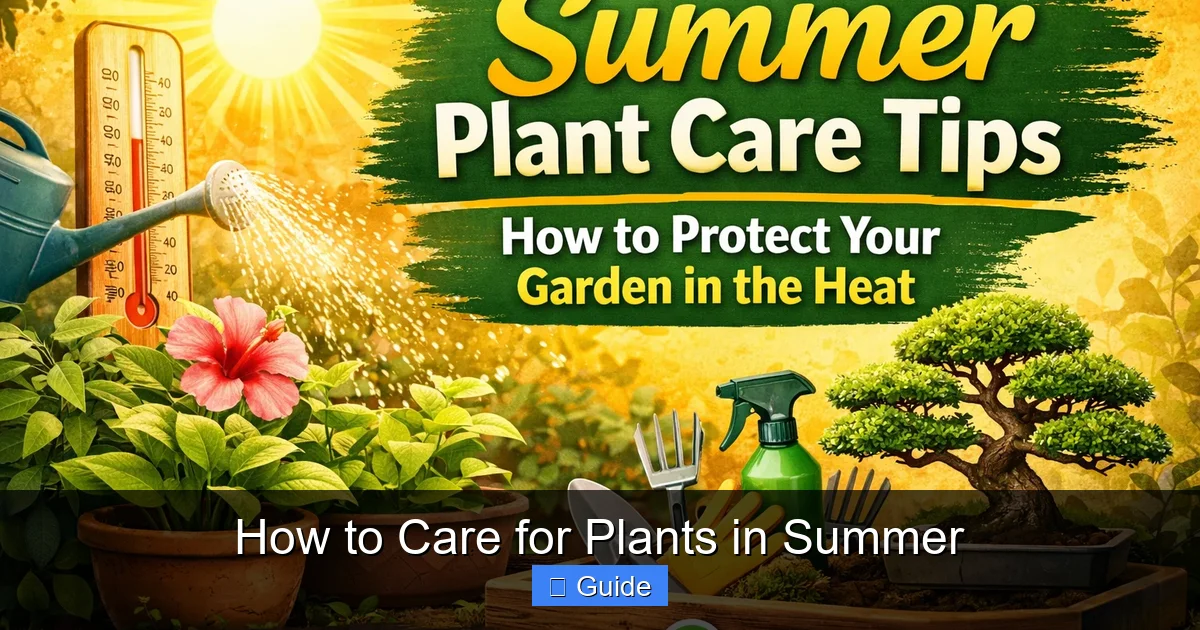
How to Care for Plants in Summer
Summer heat can stress even the hardiest plants. This guide covers everything you need to know about watering schedules, shade strategies, mulching techniques, and pest prevention. Follow these practical tips to keep your garden green and healthy through the hottest months.
Summer brings long days and warm weather. For gardeners, it also brings challenges. The heat can be tough on plants. You might wonder how to care for plants in summer without losing your mind or your garden. The good news is that a few simple habits make a big difference. Your plants can thrive even when temperatures soar. Let me walk you through everything you need to know.
I have gardened through many scorching summers. I have made mistakes. I have learned the hard way. Now I want to share what works. This guide covers watering, shade, soil care, pests, and more. You will find practical tips you can use today. Whether you have a few pots on a balcony or a big backyard garden, these principles apply. Let us get started.
Key Takeaways
- Water deeply and early: Morning watering reduces evaporation and prevents fungal diseases
- Mulch generously: A 2-3 inch layer retains moisture and regulates soil temperature
- Provide afternoon shade: Protect sensitive plants from intense midday sun
- Watch for heat stress signs: Wilting, leaf scorch, and blossom drop signal trouble
- Adjust fertilizing: Reduce nitrogen during extreme heat to avoid burning roots
- Monitor pests daily: Heat brings out spider mites, aphids, and whiteflies
- Group plants by water needs: Hydrozoning makes irrigation more efficient
Quick Answers to Common Questions
What is the best time of day to water plants in summer?
Early morning between 5 AM and 9 AM is ideal. Cool temperatures and calm winds minimize evaporation, and leaves dry quickly to prevent fungal diseases.
How often should I water my vegetable garden during a heat wave?
Most vegetables need 1-2 inches of water per week in extreme heat. Water deeply 2-3 times weekly rather than daily shallow watering to encourage deep root growth.
Should I fertilize my plants during hot summer months?
Reduce or pause fertilizing during heat waves above 85°F. High nitrogen promotes tender growth that scorches easily. Use half-strength organic feeds if needed.
What type of mulch is best for summer vegetable gardens?
Straw is excellent for vegetable gardens. It is lightweight, clean, breaks down slowly, and keeps soil cool while preventing soil splash on plants.
How can I protect container plants from afternoon heat?
Move pots to morning sun only, group them together for mutual shade, use larger pots to insulate roots, and consider shade cloth or a patio umbrella during peak heat.
📑 Table of Contents
- Understanding Summer Plant Stress
- Mastering Summer Watering
- Mulching for Moisture and Temperature Control
- Providing Shade and Wind Protection
- Soil Care and Fertilizing in Heat
- Pest and Disease Management in Hot Weather
- Special Care for Different Plant Types
- Water Conservation Strategies
- Planning for Fall While Managing Summer
- Troubleshooting Common Summer Problems
- Creating a Summer Garden Routine
- Conclusion
Understanding Summer Plant Stress
Plants feel heat stress just like we do. But they cannot move to the shade. They cannot grab a cold drink. They rely on you. When temperatures climb above 85 degrees Fahrenheit, many plants slow down. Photosynthesis becomes less efficient. Water loss through leaves increases. This process is called transpiration. It is like sweating for plants.
Signs Your Plants Are Struggling
Watch for these warning signals. Wilting during the day that does not recover by evening is a red flag. Leaves may curl inward to reduce surface area. You might see brown, crispy edges on leaves. This is leaf scorch. Flowers may drop before opening. Fruit may develop sunscald. This looks like white or yellow patches on the skin. Growth may stall completely. The plant is in survival mode.
Why Some Plants Handle Heat Better
Native plants often handle local summers best. They evolved for your climate. Succulents store water in thick leaves. Deep-rooted perennials tap into cooler soil layers. Plants with small, waxy, or hairy leaves lose less water. Annual vegetables like tomatoes and peppers actually love heat. But they need consistent water. Cool-season crops like lettuce and spinach will bolt. This means they flower and turn bitter. Know your plants. Group them by heat tolerance.
Mastering Summer Watering
Water is the single most important factor. But how you water matters as much as how much. The goal is deep, infrequent watering. This encourages roots to grow down. Deep roots find cooler, moister soil. Shallow, daily watering creates dependent plants. They dry out fast. They suffer more in heat waves.
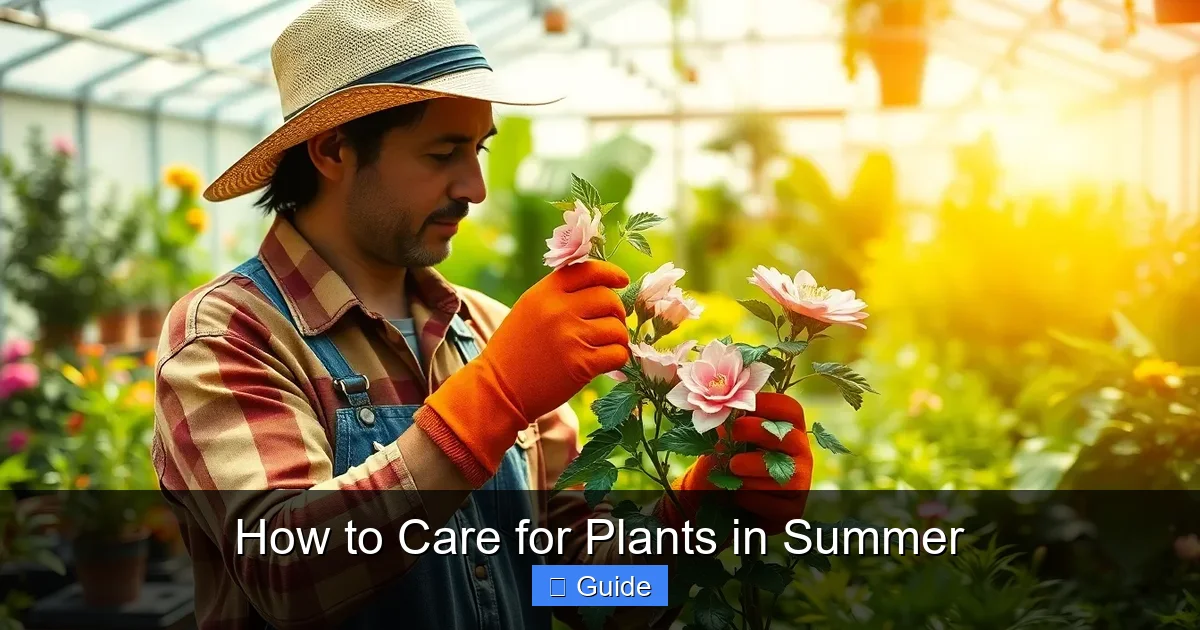
Visual guide about How to Care for Plants in Summer
Image source: floramood.com
Best Time to Water
Early morning is ideal. Water between 5 AM and 9 AM. The air is cool. Wind is usually calm. Less water evaporates. Leaves dry quickly as the sun rises. This prevents fungal diseases. Evening watering is the second choice. But wet leaves overnight invite powdery mildew. Avoid midday watering. You lose up to 30 percent to evaporation. Plus, water droplets can act like magnifying glasses on leaves.
How Much Water Do Plants Need
Most garden plants need one to one and a half inches of water per week. This includes rainfall. In extreme heat, they may need two inches. A rain gauge helps. So does a simple tuna can. Place it in the garden. Run your sprinkler. Time how long it takes to fill one inch. That is your baseline. Adjust for heat and wind. Sandy soil drains fast. Clay soil holds water longer. Stick your finger two inches into the soil. If it feels dry, water.
Watering Methods That Work
Drip irrigation is the gold standard. It delivers water right to the root zone. No waste. No wet leaves. Soaker hoses work well too. Lay them under mulch. Hand watering with a wand lets you target each plant. Use a gentle shower setting. Avoid blasting the soil. This compacts it. If you use sprinklers, choose low-trajectory heads. Oscillating sprinklers lose too much to wind. Water the soil, not the air.
Container Plants Need Extra Attention
Pots dry out fast. Small pots may need water twice a day in a heat wave. Check them morning and evening. Lift the pot. Light means dry. Heavy means wet. Use a moisture meter if unsure. Group containers together. This creates a humid microclimate. Place saucers under pots. They catch excess water. The roots can drink it back up. But do not let pots sit in water for hours. Root rot is real.
Mulching for Moisture and Temperature Control
Mulch is your best friend in summer. It is a blanket for the soil. It keeps roots cool. It slows evaporation. It suppresses weeds that steal water. It breaks down and feeds the soil. A two to three inch layer is perfect. Too thin does not help. Too thick can block water and air.
Choosing the Right Mulch
Organic mulches improve soil as they decompose. Straw is great for vegetable gardens. It is light and clean. Shredded leaves work well. They are free if you have trees. Wood chips suit perennial beds and trees. They last longer. Pine needles are good for acid-loving plants. Grass clippings add nitrogen. But apply them thin. Thick layers mat down and smell. Inorganic mulches like gravel or landscape fabric do not feed soil. They reflect heat. Use them in paths or around succulents.
How to Apply Mulch Correctly
Pull weeds first. Water the soil deeply. Then spread mulch. Keep it away from plant stems. Leave a donut hole around each plant. Mulch touching stems causes rot. It hides pests. Replenish mid-summer as it breaks down. Fluff it with a rake if it crusts over. Crusted mulch repels water. You want water to soak through.
Special Mulching Tips for Vegetables
Tomatoes love red plastic mulch. It reflects specific light wavelengths. Studies show it increases yields. Peppers do well with silver mulch. It confuses aphids. Straw is perfect for squash and melons. It keeps fruit off damp soil. This prevents rot. For lettuce and greens, use fine mulch like compost or shredded leaves. It keeps soil cool. This delays bolting.
Providing Shade and Wind Protection
Afternoon sun is brutal. Even sun-loving plants appreciate a break. Shade cloth is a game changer. It comes in different densities. Thirty percent shade cloth is good for most vegetables. Fifty percent for tender greens. You can drape it over hoops. Or attach it to stakes. Make sure air flows underneath. Trapped heat defeats the purpose.
DIY Shade Solutions
Old bed sheets work in a pinch. So do sheer curtains. Cardboard boxes protect seedlings. An umbrella moved through the day helps. Plant tall crops on the west side of short ones. Corn shades beans. Sunflowers shade lettuce. This is companion planting at its finest. A trellis with vining plants creates living shade. Morning glories grow fast. So do scarlet runner beans.
Wind Protection Matters Too
Hot wind dries plants faster than sun alone. It strips the boundary layer of humid air around leaves. Transpiration spikes. A windbreak reduces this. A fence works. So does a row of tall plants. Sunflowers again. Or sorghum-sudangrass. Even a temporary snow fence helps. Place it on the prevailing wind side. Usually west or southwest. Leave gaps. Solid walls create turbulence.
Shade for Container Gardens
Move pots. That is the beauty of containers. Morning sun, afternoon shade is ideal for many plants. Use plant caddies with wheels. Group pots to shade each other’s roots. Place larger pots on the west side. They shield smaller ones. A shade sail over a patio covers many pots at once. It looks nice too.
Soil Care and Fertilizing in Heat
Healthy soil buffers heat. It holds water. It supports beneficial microbes. It delivers nutrients steadily. Summer is not the time for heavy feeding. But soil care continues.
Why Fertilizing Changes in Summer
High nitrogen fertilizer pushes lush growth. Tender new leaves scorch easily. They need more water. Salts in fertilizer can burn dry roots. Slow-release organic fertilizers are safer. They feed as microbes break them down. Heat speeds this up. So apply at half the recommended rate. Or skip fertilizing during heat waves. Resume when temperatures drop below 85 degrees.
Compost Tea and Liquid Feeds
Compost tea is gentle. It adds microbes and nutrients. Apply early morning. Dilute it. It should look like weak tea. Fish emulsion and kelp meal are good too. They provide micronutrients. They help plants handle stress. Foliar feeding works fast. Spray the undersides of leaves. Stomata absorb nutrients there. Do this weekly during stress periods.
Improving Soil Water Holding Capacity
Organic matter is the answer. Compost. Aged manure. Leaf mold. Work it in before planting. Top dress during the season. Each one percent increase in organic matter holds thousands of gallons more water per acre. In a garden bed, that translates to days between watering. Biochar is another option. It is charcoal for soil. It holds water and nutrients. It lasts for years.
Dealing with Hydrophobic Soil
Ever water a pot and watch it run straight through? The soil is hydrophobic. It repels water. This happens when peat-based mixes dry out completely. The fix is a wetting agent. Or submerge the pot in a bucket of water. Hold it down until bubbles stop. For garden beds, use a soil surfactant. Or gently fork the surface. Then water slowly. A soaker hose on low for hours rehydrates deep soil.
Pest and Disease Management in Hot Weather
Heat brings bugs. Spider mites love hot, dry, dusty conditions. Aphids reproduce fast in warmth. Whiteflies cluster on leaf undersides. Fungal diseases explode in humidity. Powdery mildew. Downy mildew. Blossom end rot looks like a disease but is a calcium issue from irregular watering.
Daily Scouting Is Essential
Walk your garden every morning. Coffee in hand. Look at leaf undersides. Check stems. Watch for webbing. That is spider mites. Sticky residue means aphids or whiteflies. Holes in leaves mean caterpillars or beetles. Yellow stippling means mites or thrips. Catch problems early. They are easier to manage.
Beneficial Insects Are Your Allies
Lady beetles eat aphids. Lacewings eat everything soft. Parasitic wasps lay eggs in caterpillars. Praying mantids eat anything they catch. Attract them with flowers. Alyssum. Dill. Fennel. Yarrow. Cosmos. Zinnias. Provide water. A shallow dish with pebbles. Do not spray broad-spectrum insecticides. They kill the good bugs too.
Organic Sprays When Needed
Insecticidal soap works on soft-bodied insects. Spray early morning or evening. Cover leaf undersides. Repeat in five to seven days. Neem oil is broader. It is fungicide and insecticide. It disrupts feeding and breeding. But it can burn leaves in hot sun. Test a leaf first. Wait 24 hours. Horticultural oil smothers eggs and scales. Use summer weight oil. Dormant oil is too heavy.
Preventing Fungal Diseases
Air flow is key. Space plants properly. Prune dense growth. Water at soil level. Mulch prevents soil splash. Soil splash spreads spores. Remove diseased leaves immediately. Put them in trash, not compost. Rotate crops yearly. Do not plant tomatoes where tomatoes grew last year. Resistant varieties help. Look for VFN on tomato tags. That means resistance to verticillium, fusarium, nematodes.
Special Care for Different Plant Types
One size does not fit all. Vegetables have different needs than perennials. Succulents differ from ferns. Know your plants.
Vegetable Garden Summer Care
Tomatoes need consistent water. Irregular watering causes cracking and blossom end rot. Stake or cage early. Prune suckers for air flow. Peppers like it hot but need even moisture. Mulch heavily. Eggplants are heat lovers. Flea beetles love them. Row covers help early on. Cucumbers and squash need pollinators. Plant flowers nearby. Hand pollinate if bees are scarce. Use a small brush. Transfer pollen male to female flowers. Female flowers have tiny fruit at base.
Fruit Trees and Berries
Deep water fruit trees every two to three weeks. Use a soaker hose at the drip line. That is the outer edge of the canopy. Not at the trunk. Thin fruit early. Too many fruits stress the tree. They will be small anyway. Berries have shallow roots. Mulch thickly. Straw is traditional for strawberries. It keeps fruit clean. Net berries before birds find them. Harvest daily in heat. Fruit ripens fast.
Perennials and Shrubs
Established perennials are tough. But first-year plants need help. Water them like annuals. Deadhead spent flowers. This saves energy. Some perennials go dormant in heat. Bleeding heart. Virginia bluebells. This is normal. Do not panic. Do not water them heavily. They are resting. Shrubs benefit from deep watering. A slow trickle for an hour. New plantings need this weekly.
Lawn Care in Summer
Cool-season grasses struggle. Kentucky bluegrass. Fescue. Ryegrass. They may go dormant. Brown is not dead. They green up when rain returns. Do not fertilize dormant grass. Mow high. Three to four inches. Taller grass shades soil. Roots grow deeper. Warm-season grasses thrive. Bermuda. Zoysia. St. Augustine. They need water and food. Fertilize monthly. Water deeply once a week.
Houseplants Summer Vacation
Many houseplants love a summer outdoors. But acclimate them. Start in full shade. Two weeks. Then dappled light. Then morning sun only. Most houseplants burn in direct afternoon sun. Check for pests before bringing them back in. Repot if roots circle the pot. Summer is active growth time. They may need more water and dilute fertilizer.
Water Conservation Strategies
Water is precious. Summer often brings restrictions. Smart gardening uses less water. Your plants still thrive.
Rainwater Harvesting
Rain barrels are simple. A 55-gallon drum under a downspout. Add a screen for mosquitoes. A spigot at the bottom. Elevate it on blocks. Gravity feeds your hose. One inch of rain on a 1000 square foot roof yields 600 gallons. That is a lot of free water. Connect multiple barrels. Use a diverter kit for overflow.
Greywater Use
Greywater is gently used household water. Shower warm-up water. Washing machine rinse cycle. Not toilet water. Not kitchen sink water. Grease and food particles cause problems. Use plant-friendly soap. No boron. No sodium. Direct it to ornamental beds. Not root vegetables. Check local laws. Some places restrict greywater.
Hydrozoning Your Garden
Group plants by water needs. High water together. Low water together. Irrigate each zone separately. This prevents overwatering drought-tolerant plants. It prevents underwatering thirsty ones. It saves water. It saves money. It makes you a better gardener.
Ollas and Deep Watering Stakes
Ollas are unglazed clay pots. Bury them neck-deep. Fill with water. Water seeps out slowly. Roots grow toward it. Very efficient. Deep watering stakes are plastic tubes with holes. Drive them near plants. Fill with a hose. Water goes straight to root zone. Both reduce evaporation to near zero.
Planning for Fall While Managing Summer
Summer is not just survival. It is preparation. What you do now affects fall harvests. And next spring.
Succession Planting for Fall Crops
Plant fall crops in mid to late summer. Broccoli. Cabbage. Kale. Carrots. Beets. Spinach. They mature in cool weather. Start seeds in shade. Or buy transplants. Water daily until established. Row covers protect from pests. And from early frost. You get a second harvest. It tastes sweeter after frost.
Cover Crops for Empty Beds
Bare soil loses carbon. It erodes. Weeds move in. Plant a cover crop. Buckwheat grows fast in heat. It flowers in 30 days. Bees love it. Cut it before seeds form. Leave it as mulch. Cowpeas fix nitrogen. They handle heat and drought. Winter rye planted late summer holds soil all winter. Turn it under in spring. Green manure.
Seed Saving from Summer Winners
Your best plants adapted to your garden. Save their seeds. Tomatoes. Peppers. Beans. Peas. Lettuce. Flowers too. Zinnias. Marigolds. Cosmos. Let fruit fully ripen. Clean seeds. Dry thoroughly. Store in paper envelopes. Label with variety and date. Cool, dark, dry place. A jar in the fridge works. You build a local landrace.
Soil Building for Next Year
Summer is compost season. Heat speeds decomposition. Turn your pile weekly. Keep it moist like a wrung sponge. Add grass clippings. Kitchen scraps. Shredded paper. By fall you have black gold. Spread it on beds. Winter rains leach nutrients in. Spring planting is easier. Soil is alive.
Troubleshooting Common Summer Problems
Even with good care, issues arise. Here are quick fixes for frequent complaints.
Blossom Drop on Tomatoes and Peppers
Flowers fall off. No fruit forms. Causes: temperatures above 90 day or 75 night. Too much nitrogen. Irregular water. Low humidity. Fix: shade cloth. Consistent water. Stop high-nitrogen fertilizer. Tap plants gently midday to shake pollen loose. Or use blossom set spray. It is a hormone. Use sparingly.
Bitter Cucumbers
Heat stress makes cucumbers bitter. Compound called cucurbitacin. Fix: water consistently. Mulch heavily. Harvest young. Pick at six to eight inches. Some varieties are bitter-free. Look for burpless or sweet types. Armenian cucumbers are actually melons. They never get bitter.
Sunscald on Fruit
White patches on tomatoes, peppers, apples. Caused by sudden intense sun. Often after pruning or leaf loss from disease. Fix: do not over-prune. Use shade cloth. Maintain leaf cover. Kaolin clay spray creates a white film. It reflects sun. It washes off. Reapply after rain.
Bolting Lettuce and Greens
Tall flower stalk. Leaves turn bitter. Triggered by heat and day length. Fix: plant bolt-resistant varieties. Summer crisp. Butterhead. Oakleaf. Shade cloth. Harvest outer leaves constantly. Cut and come again. Plant in part shade. Succession plant every two weeks. Some will make it.
Tree Leaf Drop in Summer
Trees shed leaves to save water. It looks alarming. But it is a survival tactic. If the tree is otherwise healthy, it will recover. Water deeply. Mulch to the drip line. Do not fertilize. Wait. New leaves may appear when rain returns. Or next spring.
Creating a Summer Garden Routine
Consistency beats heroics. A daily walk. A weekly deep water. A monthly soil check. Build habits.
Daily Five-Minute Walk
Morning coffee. Garden walk. Check soil moisture. Look for pests. Pull a few weeds. Harvest ripe produce. Deadhead a flower. Enjoy the beauty. This catches problems early. It connects you to your garden. It is the best part of the day.
Weekly Deep Tasks
Pick a day. Sunday morning. Check irrigation. Clean filters. Flush drip lines. Check mulch depth. Fluff crusty spots. Side dress heavy feeders with compost. Scout for beneficial insects. Record observations. A garden journal is gold. Note what worked. What failed. Varieties. Dates. Weather.
Monthly Big Picture
First of the month. Soil test if needed. Plan fall plantings. Order bulbs. Check tool condition. Sharpen pruners. Clean pots. Organize seeds. Dream about next year. Gardening is hope made visible.
Conclusion
Summer gardening asks more of you. But it gives more back. The tomatoes taste like sunshine. The zinnias blaze color. The shade under a tree you planted feels like a gift. Learning how to care for plants in summer is learning patience. Observation. Adaptation. You cannot control the weather. But you can control your response. Water deeply. Mulch generously. Shade wisely. Watch closely. Your plants will thank you with abundance.
Start with one habit this week. Maybe it is morning watering. Maybe it is adding mulch. Maybe it is that daily walk. Small steps create big results. Next summer you will know more. The summer after that, even more. Gardening is a practice. Not a perfect. Enjoy the journey. Enjoy the harvest. Enjoy the shade you created.
Frequently Asked Questions
Why do my plants wilt in the afternoon but recover by morning?
This is temporary heat wilting. Plants lose water faster than roots can absorb it during peak heat. They recover overnight when transpiration slows. If they do not recover by morning, they need water.
Can I use grass clippings as mulch in my garden beds?
Yes, but apply in thin layers under one inch. Thick layers mat down, block water, and create anaerobic conditions that smell bad. Let clippings dry first or mix with leaves.
How do I know if my soil is hydrophobic and repelling water?
Water runs off the surface or down the sides of pots without soaking in. The soil may look wet on top but be bone dry underneath. Submerge pots or use a soil wetting agent to fix it.
Is it okay to prune plants during summer heat?
Limit pruning to removing dead, diseased, or damaged material. Heavy pruning stimulates tender new growth that burns easily. It also removes leaves that shade fruit and bark from sunscald.
What causes blossom end rot on tomatoes and how do I prevent it?
Blossom end rot is a calcium deficiency caused by irregular watering, not lack of calcium in soil. Maintain consistent moisture with mulch and deep watering. Avoid high-nitrogen fertilizers.
How can I keep my compost pile active during hot, dry summer weather?
Keep it moist like a wrung-out sponge. Turn weekly to add oxygen. Add nitrogen-rich greens like grass clippings to balance carbon-rich browns. Cover with a tarp to retain moisture.