How to Style Plants in Mudroom
Transform your mudroom into a green oasis with our complete guide on how to style plants in mudroom areas. Discover the best low-maintenance plants, smart placement strategies, and decor tips to handle dirt, moisture, and low light while creating a stunning first impression.
Walking into a mudroom filled with thriving greenery instantly shifts the energy of your home. That transitional space between outdoors and in often gets overlooked in design plans, but it holds massive potential. Learning how to style plants in mudroom areas isn’t just about aesthetics. It’s about creating a buffer zone that filters air, softens hard surfaces, and welcomes you home with life and color. The challenge? Mudrooms face unique conditions. Fluctuating temperatures, low natural light, dirt, moisture, and heavy foot traffic test even the toughest houseplants.
Don’t let those challenges scare you off. With the right plant selections, smart containers, and strategic placement, your mudroom can become one of the most vibrant spots in the house. This guide covers everything you need to know about how to style plants in mudroom spaces successfully. We’ll walk through plant picks that laugh at neglect, container solutions that handle mess, layout ideas for every floor plan, and maintenance routines that fit busy lifestyles. Whether you have a sprawling entry hall or a tight corner by the back door, there’s a green solution waiting for you.
Key Takeaways
- Choose resilient plants: Snake plants, ZZ plants, and pothos thrive in low-light, fluctuating-temperature mudroom conditions.
- Prioritize drainage: Use pots with drainage holes and saucers to protect floors from water damage and mud splatter.
- Maximize vertical space: Install wall-mounted planters, hanging baskets, or shelving to keep plants off dirty floors.
- Group by care needs: Cluster plants with similar watering and light requirements for easier maintenance routines.
- Add functional decor: Incorporate plant stands that double as boot storage or bench seating for practical style.
- Rotate seasonally: Swap plants quarterly to refresh the look and give struggling specimens recovery time elsewhere.
- Clean leaves regularly: Wipe foliage weekly to remove dust, salt residue, and allergens tracked in from outdoors.
Quick Answers to Common Questions
What are the absolute best low-light plants for a dark mudroom?
Snake plant, ZZ plant, cast iron plant, and pothos are the top four. They survive in very low light, handle temperature swings, and tolerate irregular watering. Chinese evergreen and peace lily also work if you can provide slightly more light or consistent moisture.
How do I protect my mudroom floor from plant water damage?
Use pots with drainage holes, always empty saucers 30 minutes after watering, place cork mats or silicone bumpers under every pot, and consider a clear vinyl rug protector under plant groupings. Rolling caddies make moving heavy pots for floor cleaning easy.
Can I put succulents in my mudroom?
Generally no. Most mudrooms are too humid, too dark, and too cold in winter for succulents. They need bright direct light, low humidity, and warm temperatures. Save succulents for sunny windowsills elsewhere. Choose tropical low-light plants instead.
How often should I water mudroom plants?
Check weekly by finger-testing soil. Water only when the top inch feels dry. Mudroom conditions (humidity, temperature, light) change seasonally, so fixed schedules fail. Snake plants and ZZ plants may need water only monthly. Peace lilies and ferns may need weekly.
What’s the best way to add plants to a tiny mudroom with no floor space?
Go vertical. Install floating shelves, use macrame hangers from the ceiling, mount pocket planters on walls, place magnetic planters on metal surfaces, and use the top of lockers or cubbies. Choose trailing plants like pothos, philodendron, and spider plant for maximum visual impact in minimal space.
📑 Table of Contents
- Assess Your Mudroom Conditions First
- Best Plants for Mudroom Conditions
- Container Solutions for Mudroom Mess
- Layout Strategies for Every Mudroom Size
- Styling Tips for Cohesive Mudroom Design
- Maintenance Routines That Actually Work
- Troubleshooting Common Mudroom Plant Problems
- Budget-Friendly Mudroom Plant Styling
- Pet and Kid Safety Considerations
- Conclusion
Assess Your Mudroom Conditions First
Before buying a single plant, spend a few days observing your mudroom. The success of how to style plants in mudroom environments depends entirely on matching plants to reality, not wishful thinking. Grab a notebook and track these key factors.
Light Levels Throughout the Day
Mudrooms often sit on the north side of homes or lack windows entirely. Check light at 9 AM, 2 PM, and 7 PM. Note whether light is direct, bright indirect, medium, or low. A south-facing window with sheer curtains offers bright indirect light. A north-facing window or interior hallway typically provides low light. If you can read a book comfortably without artificial light at noon, you have medium light. If you need a lamp, it’s low light. This single factor determines 80% of your plant success.
Temperature Swings and Drafts
Exterior doors opening constantly create temperature fluctuations. In winter, a mudroom might drop to 50°F (10°C) when the door opens, then climb to 68°F (20°C) when closed. Summer brings humidity and heat spikes. Most tropical houseplants prefer steady 65-75°F (18-24°C) temps. Note where cold blasts hit directly. Plants placed right beside the door take the biggest hit. Those tucked into corners or on high shelves stay more stable.
Humidity and Moisture Sources
Wet boots, dripping coats, and snow melt create humidity spikes. Some plants love this. Ferns, calatheas, and peace lilies thrive in 50-60% humidity. Succulents and cacti hate it. They’ll rot fast in damp air. Check for condensation on windows. Feel the air after a rainy day. If it feels muggy, lean toward humidity-loving plants. If it’s dry despite wet gear, you have more options.
Floor Space and Traffic Patterns
Map the walkways. Where do shoes get kicked off? Where do backpacks land? Where does the dog shake off? Plants in high-traffic zones get bumped, knocked over, and covered in dirt. Reserve floor space for tough, large specimens in heavy pots. Use walls, ceilings, and shelves for delicate plants. Measure available surfaces. A 12-inch deep shelf holds different pots than a 6-inch windowsill.
Existing Storage and Surfaces
Inventory what’s already there. Built-in cubbies? Hooks? A bench? Window ledges? Top of lockers? Each surface offers a planting opportunity. The top of a locker unit gets decent light and stays clean. A bench with open space underneath can hide a large floor plant. Window ledges suit trailing plants. Hooks can hold macrame hangers. Work with what you have before adding new furniture.
Best Plants for Mudroom Conditions
Now for the fun part. Selecting plants that actually survive and thrive in entryway conditions. When researching how to style plants in mudroom spaces, these varieties come up again and again for good reason. They handle neglect, low light, temperature swings, and still look great.
Visual guide about How to Style Plants in Mudroom
Image source: blogger.googleusercontent.com
Snake Plant (Sansevieria)
The undisputed champion of tough spaces. Snake plants tolerate low light, irregular watering, temperature swings, and poor air quality. Their upright architectural form fits modern, traditional, and eclectic styles equally well. Varieties range from 6-inch ‘Bird’s Nest’ to 4-foot ‘Laurentii’. They prefer to dry completely between waterings, making them perfect for forgetful waterers. Wipe the broad leaves monthly to keep them glossy and dust-free.
ZZ Plant (Zamioculcas zamiifolia)
If snake plants are tough, ZZ plants are indestructible. Thick rhizomes store water for months. Waxy leaves reflect light and resist dust. They grow slowly in low light, faster in medium light. Rarely need repotting. The standard green variety is classic. ‘Raven’ ZZ offers dramatic near-black new growth. ‘Zenzi’ stays compact for shelves. All handle mudroom chaos beautifully.
Pothos (Epipremnum aureum)
Trailing pothos vines add instant jungle vibes. Golden pothos, marble queen, neon, and jade varieties offer color options. They grow in low to bright indirect light. Water when top inch of soil feels dry. Trim vines to control length or let them cascade from high shelves. Propagate cuttings in water for free new plants. They’re affordable, widely available, and bounce back from neglect.
Cast Iron Plant (Aspidistra elatior)
Named for its ability to survive abuse. Dark green, strappy leaves rise from rhizomes. Tolerates deep shade, irregular water, temperature extremes, and dust. Grows slowly to 2-3 feet tall. ‘Variegata’ has white stripes but needs more light. Perfect for that dark corner behind the boot bench. Water sparingly. Almost impossible to kill.
Chinese Evergreen (Aglaonema)
Colorful foliage brightens dim spaces. Silver, red, pink, and cream patterns on green leaves. Compact growth to 1-2 feet. Prefers low to medium light. Keep soil lightly moist but not soggy. Higher humidity helps but isn’t required. ‘Silver Bay’, ‘Red Siam’, and ‘Pink Dalmatian’ are standout varieties. They add personality without demanding attention.
Peace Lily (Spathiphyllum)
Glossy leaves and white blooms signal healthy air. Peace lilies visibly droop when thirsty, making watering foolproof. They prefer medium to low light and consistent moisture. Higher humidity prevents brown leaf tips. ‘Sensation’ grows large for floor placement. ‘Domino’ has variegated leaves. ‘Petite’ stays small for shelves. They filter airborne toxins, a bonus for entryways.
Spider Plant (Chlorophytum comosum)
Arching green-and-white striped leaves produce baby plantlets on long stems. Hang them or place on high shelves for cascading effect. Tolerates low light but grows faster in medium light. Water when soil surface dries. Brown tips indicate fluoride sensitivity or low humidity. Trim tips at an angle. Babies root easily in water or soil. Great for hanging baskets near windows.
Philodendron Heartleaf (Philodendron hederaceum)
Similar to pothos but with matte, heart-shaped leaves. Trails or climbs. ‘Brasil’ has lime-green stripes. ‘Micans’ offers velvety bronze-green foliage. Same easy care as pothos. Slightly more cold-sensitive, so keep away from drafty doors. Perfect for macrame hangers or trailing down locker tops.
Dracaena Varieties
Upright canes with strappy leaves add height. ‘Janet Craig’ is solid green, compact. ‘Lemon Lime’ has chartreuse stripes. ‘Marginata’ (dragon tree) has thin red-edged leaves on woody stems. All tolerate low light. Water when top half of soil dries. Sensitive to fluoride, use filtered water. Tall varieties anchor corners. Compact ones sit on benches.
Parlor Palm (Chamaedorea elegans)
Feathery fronds bring tropical elegance to low light. Slow-growing to 3-4 feet indoors. Prefers consistent moisture and higher humidity. Groups well with other plants for humidity sharing. Non-toxic to pets. ‘Bella’ stays smaller. Place on plant stands to elevate above floor drafts.
Container Solutions for Mudroom Mess
Choosing pots matters as much as choosing plants. Mudrooms demand containers that handle water, dirt, salt, and bumps. The right pots make how to style plants in mudroom areas practical, not just pretty.
Drainage Is Non-Negotiable
Every pot needs drainage holes. Period. Cachepots (decorative outer pots without holes) work only if you remove the inner nursery pot to water and drain fully. Standing water causes root rot fast. It also breeds fungus gnats and smells. In mudrooms where humidity runs high, drainage becomes even more critical. Check pots monthly to ensure holes aren’t clogged with roots or debris.
Saucer Strategies
Saucers protect floors but create their own issues. Standing water in saucers wicks back into soil. Empty saucers 30 minutes after watering. Use risers or pot feet to create air gap between saucer and pot bottom. Cork trivets work too. For large floor plants, use rolling plant caddies with built-in reservoirs. They make moving heavy pots for cleaning effortless.
Material Matters
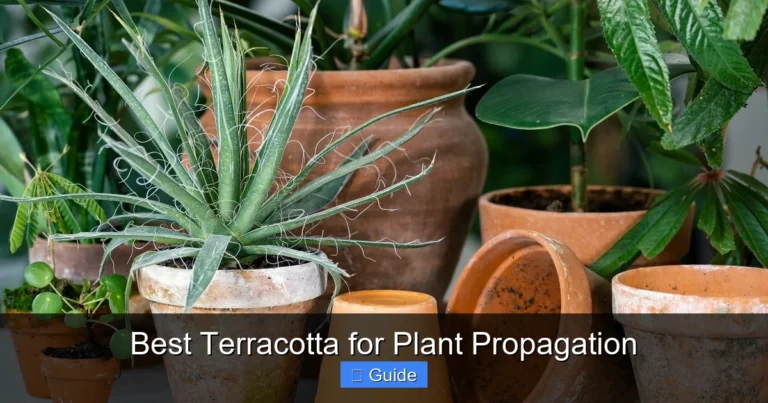
Terracotta breathes, wicking moisture from soil. Great for overwaterers. Heavy, stable, affordable. Breaks if dropped. Salt deposits form white crust on exterior. Glazed ceramic retains moisture longer. Colorful, durable, heavy. Expensive. Chips show. Fiberglass/resin lightweight, unbreakable, weatherproof. Looks like stone or concrete. Pricey but worth it for large specimens. Plastic nursery pots inside decorative cachepots offer maximum flexibility. Cheap, light, drain perfectly. Metal conducts heat/cold. Roots can cook or freeze. Line with bubble wrap or use as cachepots only. Concrete/stone extremely stable, insulates roots. Very heavy. Seal porous concrete to prevent salt damage.
Self-Watering Planters
Game-changers for busy households. Reservoir at bottom wicks water up as needed. Reduces watering frequency to every 2-3 weeks. Prevents overwatering and underwatering both. Look for models with water level indicators. Lechuza, Crescent Garden, and Mayne make quality options. Ideal for peace lilies, ferns, and thirsty plants. Less ideal for succulents and snake plants.
Wall-Mounted and Hanging Systems
Vertical planting saves floor space and keeps plants clean. Pocket planters (felt or rigid plastic) mount on walls. Great for pothos, philodendron, spider plants. Macrame hangers from ceiling hooks or wall brackets. Adjustable height. Bohemian vibe. Floating shelves with integrated planter boxes. Clean, modern. Grid panels with pot holders. Industrial look, infinitely configurable. Magnetic planters for metal locker surfaces. Fun, flexible.
Pot Groupings for Impact
Cluster pots in odd numbers (3, 5, 7) for visual appeal. Vary heights, textures, and materials within a cohesive color palette. Example: three fiberstone cylinders in charcoal, sand, and white at 12″, 18″, 24″ heights. Or mix terracotta, glazed ceramic, and woven baskets in earth tones. Group plants with similar watering needs together. Place a tray underneath clustered pots to contain drips and simplify moving.
Layout Strategies for Every Mudroom Size
How to style plants in mudroom spaces changes dramatically based on square footage. Here are tailored approaches for common scenarios.
Tight Entry Nook (Under 25 sq ft)
Think vertical only. Floor space is for boots. Install two floating shelves at 4 ft and 6 ft height. Place 4-inch pothos, spider plant, and ZZ plant on upper shelf. Lower shelf holds a snake plant in 6-inch pot and a small peace lily. Add a magnetic planter on the metal door frame for a tiny succulent (if light allows). Hang a macrame hanger from ceiling anchor for trailing philodendron. Use command hooks if renting. Keep it simple. Three to five plants max.
Standard Mudroom (50-80 sq ft)
More room to breathe. Place a large floor plant (6-7 ft dracaena or fiddle leaf fig if light allows) in corner behind door swing. Top of locker unit gets a row of three matching snake plants in 10-inch pots. Bench underside fits two large pots on rolling caddies. Window ledge hosts trailing pothos and spider plant. One hanging basket from ceiling. Wall pocket planter near light switch. Total: 8-12 plants creating layered greenery.
Large Entry Hall (100+ sq ft)
Create plant zones. Zone 1 – Door adjacent: Toughest plants only. Two large cast iron plants in concrete pots flanking entrance. Zone 2 – Window wall: Tiered plant stand with 6-8 plants graduated by height. Peace lilies, Chinese evergreens, ferns. Zone 3 – Seating area: Large fiddle leaf fig or bird of paradise in woven basket.paradise in bright corner. Two parlor palms framing bench. Zone 4 – Storage top: Row of ZZ plants or snake plants. Zone 5 – Hanging: Three macrame hangers at staggered heights with pothos, philodendron, string of hearts. Total: 15-20 plants for immersive garden feel.
Laundry-Mudroom Combo
Humidity runs higher here. Lean into it. Ferns, calatheas, marantas, and peace lilies love laundry moisture. Place on shelves above machines (vibration-tolerant plants only). Avoid top of dryer if it gets hot. Use wall space for hanging baskets. Keep plants away from detergent splashes. Ventilation fan helps prevent fungal issues. Group humidity-lovers together for mutual benefit.
Garage Entry Mudroom
Often coldest, darkest option. Prioritize cast iron plant, snake plant, ZZ plant, pothos. Add grow lights if truly windowless. LED strip lights under shelves work well. 12-14 hours daily. Timer automates it. Insulate pots against cold concrete floor with cork mats or plant stands. Avoid ceramic pots that crack in freeze cycles. Fiberglass/resin best here. Rotate plants to brighter rooms quarterly for recovery.
Styling Tips for Cohesive Mudroom Design
Plants shouldn’t look like an afterthought. Integrate them into your mudroom’s design language. These styling principles elevate how to style plants in mudroom spaces from cluttered to curated.
Match Pots to Hardware and Fixtures
Black metal planters echo black door handles, hook rails, and light fixtures. Brass or gold pots warm up cool-toned tile and pick up brass hardware. Terracotta complements brick, stone, or warm wood tones. White glazed ceramic matches white trim and cabinetry. Consistency creates intention. Mix max two pot finishes. More looks chaotic.
Use Plant Stands as Design Elements
Don’t just plop pots on floor. Plant stands add height variation and protect floors. Tiered metal stands (industrial, mid-century, minimalist) display 3-5 plants in footprint of one. C-shaped stands slide under benches or consoles, floating plants above floor. Pedestal stands elevate single specimens to eye level. Rolling caddies hide under benches, pull out for watering. Choose stands in same finish family as other metalwork.
Create Vignettes with Non-Plant Elements
Plants alone can feel monotonous. Add: Woven baskets for shoe storage beside large floor plant. Ceramic stool doubling as plant stand and seat. Framed botanical prints on wall above plant grouping. Stone or wood sculptures nestled among pots. Glass cloches over small ferns for terrarium effect. Vintage watering can as decor and tool. Mirror behind plants doubles visual impact and light.
Seasonal Rotations Keep It Fresh
Swap plants quarterly. Spring: blooming bulbs (paperwhites, hyacinths) tucked among foliage. Summer: move sun-lovers (citrus, herbs, succulents) to mudroom if light allows. Fall: add ornamental peppers, crotons, mums for color. Winter: forced amaryllis, paperwhites, cyclamen. Keep structural evergreens (snake plant, ZZ, dracaena) year-round as anchors. Seasonal plants visit for 6-8 weeks then rotate out.
Lighting as Decor
Grow lights don’t have to look clinical. Pendant grow lights with woven shades hang over plant groupings. Clip-on LED bars disappear under shelves. Floor lamps with full-spectrum bulbs illuminate large specimens. Wall sconces with directional heads highlight wall-mounted plants. Warm white (3000K-4000K) looks natural. Avoid purple/pink blurple lights unless you love the aesthetic.
Flooring Protection
Water, dirt, and fertilizer salts damage floors. Cork mats under every pot. Clear vinyl rug protectors under plant groupings. Epoxy-coated concrete or porcelain tile best for new builds. Waterproof tray systems for clustered pots. Silicone bumpers on pot bottoms prevent scratches. Clean spills immediately. Salt crust from fertilizer wipes off with vinegar solution (1:10).
Maintenance Routines That Actually Work
The best plant styling fails without maintenance. Mudroom plants need specific care rhythms. Build these habits into existing routines.
Weekly Quick-Check (5 Minutes)
Pick a day. Sunday evening works. Walk the mudroom with watering can and cloth. Finger-test soil: Top inch dry? Water. Moist? Skip. Remove dead leaves: Yellow, brown, crispy. Wipe dust: Damp microfiber cloth on broad leaves (snake plant, ZZ, peace lily, dracaena). Check saucers: Empty standing water. Rotate pots: Quarter-turn for even growth. Spot pests: Check leaf undersides, soil surface. This 5-minute habit prevents 90% of problems.
Monthly Deep Care (30 Minutes)
First Saturday of each month. Shower plants: Move small pots to bathtub. Lukewarm water rinses dust, salts, pests. Drain thoroughly. Fertilize: Half-strength balanced liquid fertilizer (spring/summer only). Skip winter. Inspect roots: Gently lift pot. Circling roots? Repot next month. Clean pots: Wipe exterior. Remove salt crust. Prune: Trim leggy vines. Shape upright plants. Refresh topsoil: Remove top inch, add fresh potting mix.
Quarterly Rotation (1 Hour)
Equinoxes and solstices. Swap seasonal plants: Move out tired specimens. Bring in fresh. Assess light changes: Sun angle shifts. Move plants accordingly. Repot root-bound: Size up 2 inches. Fresh mix. Propagate: Take cuttings from pothos, philodendron, spider plant. Root in water. Pot up for gifts or new spots. Deep clean area: Move all plants. Vacuum, mop, wipe shelves. Reset.
Emergency Protocols
Cold snap: Move tender plants to warm room. Cover with frost cloth if stuck. Heat wave: Increase watering. Mist humidity-lovers. Move from hot windows. Pest outbreak: Isolate affected plant. Treat with neem oil or insecticidal soap weekly x3. Overwatering: Pull plant. Check roots. Trim mush. Repot in dry mix. Hold water week. Breakage: Propagate broken stems. Clean up fast. Replace pot.
Tracking System
Simple notebook or phone note per plant. Name, location, date acquired. Watering frequency (observed, not prescribed). Fertilizing dates. Repotting dates. Issues and fixes. Photos quarterly. Patterns emerge. You’ll learn each plant’s language. Mudroom conditions change yearly. Records adapt with them.
Troubleshooting Common Mudroom Plant Problems
Even with perfect planning, issues arise. Here’s how to diagnose and fix the most frequent mudroom plant complaints.
Yellowing Leaves
Bottom leaves only, gradual: Natural aging. Trim off. Whole plant, mushy stems: Overwatering. Check drainage. Repot. Yellow with green veins: Nutrient deficiency (iron/nitrogen). Fertilize. Yellow tips spreading: Low humidity or fluoride toxicity. Increase humidity. Use filtered water. Sudden yellowing after move: Shock. Stabilize conditions. Wait.
Brown Crispy Tips
Low humidity: Group plants. Pebble tray. Humidifier. Underwatering: Increase frequency. Fertilizer burn: Flush soil thoroughly. Reduce strength. Cold draft: Move plant. Salt buildup: Repot fresh mix. Natural on some species: Spider plants, dracaenas prone. Trim at angle.
Leggy, Stretched Growth
Insufficient light: Move closer to window. Add grow light. Too much fertilizer: Cut back. Crowded: Space plants. Prune neighbors. Natural habit: Some trail. Stake or hang instead.
Pests: Fungus Gnats, Spider Mites, Mealybugs
Fungus gnats: Soil too wet. Dry top 2 inches. Yellow sticky traps. Mosquito bits in water. Spider mites: Dry air. Increase humidity. Spray neem oil. Wipe leaves. Mealybugs: Cottony masses. Alcohol swab each. Systemic granules in soil. Scale: Brown bumps. Scrape off. Neem oil. Prevention: Inspect new plants 2 weeks quarantine. Clean leaves weekly.
Mold on Soil Surface
Overwatering + low light + poor airflow: Scrape off mold. Cinnamon sprinkle (antifungal). Improve drainage. Increase air circulation. Fan on low. Remove decorative moss topdressing.
Plant Leaning Hard
Light source one-sided: Rotate weekly. Top-heavy: Stake. Prune. Root issue: Check stability. Repot if loose.
Budget-Friendly Mudroom Plant Styling
Creating a lush mudroom doesn’t require a landscaper’s budget. Smart sourcing and propagation stretch dollars beautifully.
Start Small, Grow Big
Buy 4-inch or 6-inch pots. They’re 1/3 the price of large specimens. Young plants adapt faster to your conditions. A $12 snake plant becomes a $60 specimen in two years. Same for ZZ, pothos, philodendron. Patience pays.
Propagate Your Collection
Pothos, philodendron, spider plant, snake plant (division), ZZ (leaf cuttings), Chinese evergreen (division) all propagate easily. One mother plant yields dozens. Trade cuttings with friends. Join local plant swap groups. Facebook Marketplace often has free or cheap divisions.
Thrift and Discount Hunt
Thrift stores: ceramic pots, baskets, plant stands, macrame hangers. Dollar stores: cachepots, saucers, bamboo stakes, twist ties. Hardware store clearance: end-of-season pots, slightly damaged planters. Nursery dumpster dive (ask permission): discarded pots, slightly imperfect plants. Estate sales: vintage planters, stands.
DIY Planter Upgrades
Plain terracotta + paint = custom color. Concrete mix + plastic bowls = modern planters. Woven baskets + plastic liners = boho cachepots. Wood crates + casters = rolling plant caddies. Copper pipe + flanges = industrial plant stands. Pallet wood = tiered shelf. Mason jars + macrame = mini hangers.
Prioritize Investment Pieces
Spend on: Large floor plants (instant impact, slow growth). Quality large pots (last decades). Grow lights (enable more plant options). Humidifier (benefits all plants + humans). Save on: Small starter plants. Cachepots (thrifted). Saucers (dollar store). Macrame (DIY).
Pet and Kid Safety Considerations
Mudrooms are high-traffic for four-legged and small two-legged family members. Plant toxicity matters.
Non-Toxic Safe List
Spider plant (cats love eating it, harmless). Parlor palm. Cast iron plant. Calathea/prayer plants. Peperomia varieties. African violet. Orchids. Bromeliads. Haworthia (succulent). Echeveria (succulent). Christmas cactus. Boston fern. Areca palm. Money tree (Pachira). Friendship plant (Pilea).
Toxic – Avoid or Place High
Snake plant (mild, GI upset). ZZ plant (moderate, calcium oxalates). Pothos (moderate, calcium oxalates). Philodendron (moderate, calcium oxalates). Peace lily (moderate, calcium oxalates). Chinese evergreen (moderate). Dracaena (moderate, saponins). Fiddle leaf fig (moderate). Rubber plant (moderate). Dieffenbachia (severe). Sago palm (deadly). Oleander (deadly).
Strategic Placement for Safety
Toxic plants go: High shelves (6+ feet). Hanging baskets (ceiling-mounted). Wall-mounted pockets (above reach). Top of lockers. Behind closed doors (if mudroom has closet). Non-toxic plants occupy: Floor level. Bench height. Low shelves. Window ledges. Teach kids “plants are for looking, not touching” early. Supervise pets initially. Bitter spray deterrent on pots helps.
Conclusion
Mastering how to style plants in mudroom spaces transforms a purely functional zone into a living welcome mat. The mudroom becomes a moment of calm between the chaos outside and the comfort within. You don’t need perfect conditions. You need the right plants for your actual conditions, containers that handle real life, and a maintenance rhythm that fits your schedule.
Start with one tough plant in a nice pot by the door. Watch it thrive. Add another on the bench. Hang a trailing vine from the ceiling. Before you know it, you’ve created a green transition that filters air, lifts moods, and makes every homecoming feel like arriving somewhere special. The mudroom earns its keep as the hardest-working room in the house. Give it the green treatment it deserves.
Your future self, wiping muddy paws while a snake plant stands sentinel and a pothos cascades overhead, will thank you. That first breath of plant-fresh air after a long day? Priceless. Now go pick your first mudroom plant. The jungle awaits.
Frequently Asked Questions
How much light does a mudroom plant really need?
Most mudroom-suited plants thrive in low to medium indirect light. If you can read a book comfortably during the day without turning on a light, you have enough for snake plants, ZZ plants, pothos, and cast iron plants. For peace lilies, Chinese evergreens, and ferns, you need brighter indirect light near a window.
Should I fertilize mudroom plants in winter?
No. Stop fertilizing from late fall through early spring. Plants grow slowly or go dormant in winter due to lower light. Fertilizing then causes salt buildup and weak growth. Resume half-strength monthly feeding in spring when new growth appears.
Can I use outdoor planters inside my mudroom?
Yes, but ensure they have drainage holes and use saucers. Outdoor planters (fiberglass, concrete, metal) are often more durable than indoor ones. Just clean them thoroughly before bringing inside to avoid importing pests or diseases. Avoid unsealed terracotta if you have salt-sensitive flooring.
How do I deal with salt residue from winter boots on my plants?
Salt spray damages foliage. Rinse plants monthly in the shower or with a spray bottle. Wipe leaves with a damp cloth weekly. Keep plants at least 3 feet from the door opening. Use a boot tray to contain salty melt. Choose salt-tolerant plants like snake plant, ZZ plant, and cast iron plant for door-adjacent spots.
What’s the easiest way to increase humidity for mudroom plants?
Group plants together. They create a humid microclimate through transpiration. Add a pebble tray (tray with pebbles and water, pots sit on pebbles not in water). Run a small humidifier near plants. The laundry-mudroom combo naturally provides higher humidity from washing machines.
How do I know when to repot a mudroom plant?
Check annually in spring. Signs: roots circling the pot bottom or emerging from drainage holes, soil drying out in 1-2 days, plant toppling over, slowed growth despite good care, salt crust on soil surface. Size up only 2 inches in pot diameter. Use fresh potting mix appropriate for the plant type.