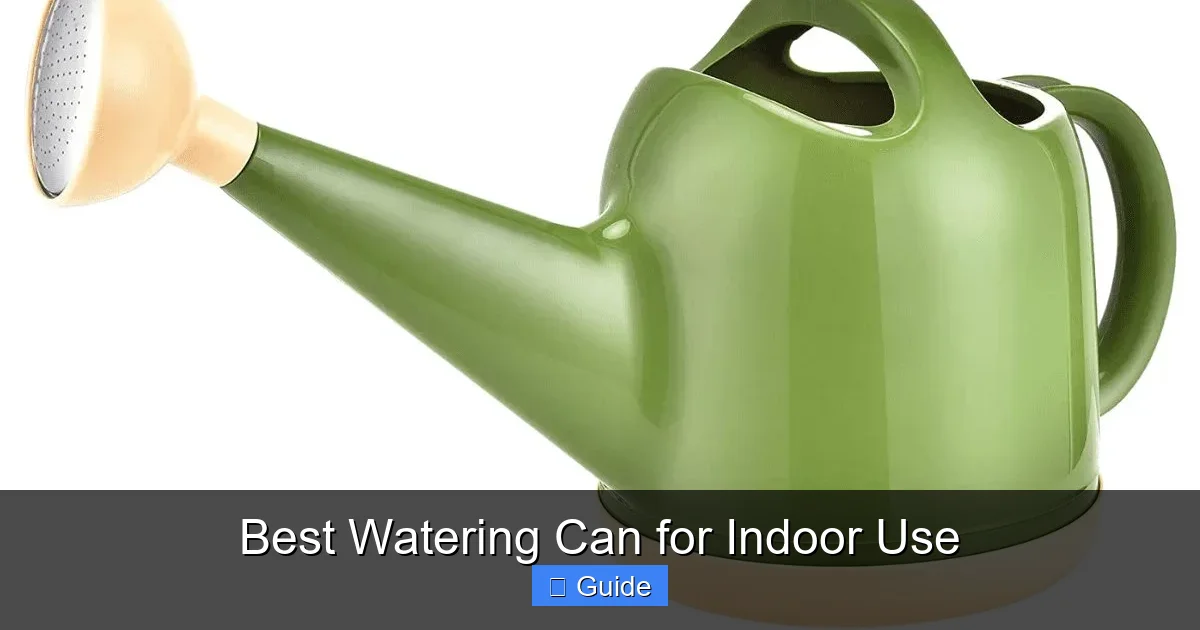
Best Watering Can for Indoor Use
Choosing the right watering can makes indoor plant care easier and more precise. Our guide highlights the best watering can for indoor use based on material, spout design, and comfort.
Indoor plants bring life to any room but they need consistent moisture. A regular garden can is often too large and clumsy for tight spaces. The right tool makes watering simple and tidy.
Using the best watering can for indoor use helps you deliver water exactly where the roots need it. You avoid splashing leaves, soaking furniture, and overwatering delicate roots. A good indoor can also feels comfortable in your hand during daily routines.
In this guide we break down the key features, materials, and sizes that matter most. You will learn how to pick a can that fits your plant collection and your lifestyle. Let’s dive in.
Key Takeaways
- Material matters: Plastic, metal, and ceramic each have pros and cons for indoor watering.
- Spout design controls flow: A long narrow spout lets you target soil without splashing leaves.
- Capacity fits your space: Small cans (0.5‑1 L) work well on shelves; larger cans reduce refill trips.
- Ergonomic handle reduces fatigue: Balanced weight and a non‑slip grip make daily watering comfortable.
- Easy cleaning extends life: Removable lids and wide openings prevent mineral buildup.
- Budget friendly options exist: You can find a reliable best watering can for indoor use under $20.
Quick Answers to Common Questions
What capacity is best for a small apartment?
A 0.5 L to 1 L can is ideal for limited shelf space and light plants.
Can I use a garden watering can indoors?
Garden cans are usually too large and have wide spouts that cause spills indoors.
Do metal cans rust over time?
Stainless steel and powder‑coated galvanized steel resist rust; plain steel may corrode.
How often should I clean my watering can?
Rinse after each use and deep clean monthly to prevent mineral buildup.
Is a rose attachment necessary?
A rose gives a gentle mist for delicate seedlings; it’s optional but useful.
📑 Table of Contents
Why a Dedicated Indoor Watering Can Matters
Prevent Overwatering
Overwatering is the top cause of indoor plant failure. A dedicated can lets you measure each pour. You can see the water level and stop before the soil becomes soggy. This control protects roots from rot.
Control Water Flow
A narrow spout gives you a gentle stream. You can aim at the base of the plant without wetting the foliage. Precise flow reduces the risk of fungal diseases on leaves. The best watering can for indoor use often includes a rose attachment for an even finer spray.
Protect Furniture and Floors
Spills on hardwood or carpet are a headache. An indoor can with a tight‑fitting lid and a drip‑free spout keeps water inside until you tilt it. This design saves you cleanup time and protects your home.
Key Features to Look For in the Best Watering Can for Indoor Use
Spout Length and Shape
Long spouts reach deep pots without moving the plant. Curved spouts let you water from the side of a shelf. A removable rose gives you two flow options in one tool. Choose a shape that matches your typical pot depth.
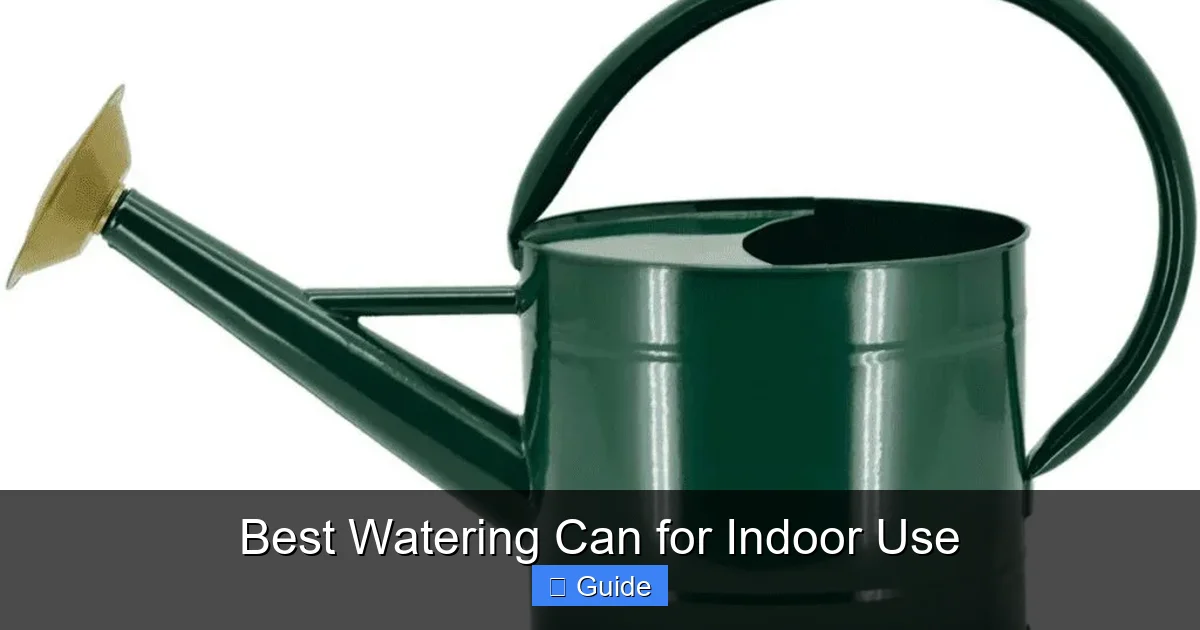
Visual guide about Best Watering Can for Indoor Use
Image source: theindoornursery.com
Capacity and Weight
Small cans (0.5 L) are light and easy to maneuver on high shelves. Medium cans (1‑1.5 L) cut down on refill trips for larger collections. Heavy metal cans can tire your wrist after many plants. Balance capacity with comfort.
Handle Comfort
An ergonomic handle follows the natural curve of your fingers. Look for a wide grip with a soft coating. A well‑balanced handle distributes weight evenly, so you can water for longer without strain.
Top Materials: Plastic, Metal, Ceramic
Plastic Options
Plastic cans are lightweight, affordable, and come in many colors. They resist rust and are easy to clean. However, thin plastic can crack if dropped. Choose a BPA‑free, UV‑stable grade for durability.
Metal Choices
Stainless steel and galvanized steel cans feel premium and last for years. They handle hot water well and look great on a shelf. Metal can be heavier, so test the weight before buying. A powder‑coat finish prevents corrosion.
Ceramic Styles
Ceramic cans add a decorative touch and keep water cool. They are stable and won’t tip over easily. The downside is fragility; a fall can chip or break the body. Use ceramic for display‑focused spaces where aesthetics matter.
Size and Spout Design for Precise Watering
Small Capacity for Tight Spaces
If you grow herbs on a windowsill, a 0.5 L can fits between pots. You can water each plant without moving neighbors. The compact size also stores easily in a kitchen drawer.
Long Narrow Spout for Deep Pots
Deep planters need a spout that reaches the soil surface. A 12‑inch narrow spout slides between foliage and delivers water directly to the root zone. This design reduces leaf wetness and saves water.
Adjustable Flow Controls
Some cans feature a twist valve or interchangeable rose heads. You can switch from a steady stream to a fine mist. Adjustable flow lets you cater to succulents, tropicals, and seedlings with one tool.
Ergonomics and Ease of Use
Balanced Weight Distribution
A well‑balanced can feels light even when full. The center of gravity should sit near the handle. Test by filling the can and holding it; it should not tip forward or backward.
Non‑Slip Grip
Rubberized or textured handles prevent slipping when your hands are wet. This safety feature is especially useful for seniors or anyone with reduced grip strength.
Easy Refill Opening
A wide mouth lets you fill the can under a faucet without splashing. Some models have a removable lid that doubles as a measuring cup. Quick refills keep your watering routine smooth.
Final Thoughts and Buying Checklist for the Best Watering Can for Indoor Use
Choosing the best watering can for indoor use comes down to matching the tool to your plants and space. Start by listing the pot sizes you own and the typical watering frequency. Then prioritize material, spout length, and handle comfort.
Use this quick checklist when you shop: 1) Capacity fits your largest pot count. 2) Spout reaches the deepest soil. 3) Handle feels comfortable for 10‑minute sessions. 4) Material matches your durability and style needs. 5) Easy to clean and refill. 6) Price fits your budget.
Investing in a quality indoor watering can saves time, protects your home, and keeps your plants thriving. Happy watering!
Frequently Asked Questions
What is the best watering can for indoor use for beginners?
A lightweight plastic can with a long narrow spout and a comfortable handle works well for new plant owners.
How do I prevent water spots on furniture?
Choose a can with a drip‑free spout and always place a saucer under pots.
Can I water succulents with the same can as tropical plants?
Yes, just adjust the flow using a rose or valve to give succulents a light drink.
What material lasts the longest?
Stainless steel and high‑quality ceramic tend to outlast plastic if handled carefully.
Should I buy a can with a measuring mark?
Measuring marks help you give each plant the exact amount of water it needs.
Where can I store a watering can in a small kitchen?
Hang it on a wall hook or keep it in a cabinet with a wide opening for easy access.