Best Hanging Planter for Succulents
Choosing the best hanging planter for succulents means balancing drainage, weight, and style. This guide walks you through materials, installation, and care so your succulents thrive in any space.
Key Takeaways
- Drainage is non‑negotiable: Succulents rot quickly without proper holes and a well‑draining mix.
- Lightweight materials matter: Macrame, plastic, and thin metal keep walls safe.
- Size matches plant growth: Pick a planter that gives roots room but isn’t oversized.
- Secure mounting prevents accidents: Use anchors rated for the planter’s full weight.
- Water sparingly and from the bottom: Overwatering is the top killer of hanging succulents.
- Rotate for even light: Turn the planter weekly so all sides get sun.
- Style fits your decor: From boho macrame to sleek ceramic, there’s a look for every room.
Quick Answers to Common Questions
What is the most important feature in a hanging planter for succulents?
Drainage holes are essential; without them succulents quickly develop root rot.
Can I use a regular pot without a hanger?
You can, but you’ll need a separate macrame or chain hanger rated for the pot’s weight.
How often should I water hanging succulents?
Water only when the soil is completely dry, typically every 7‑10 days in summer and every 3‑4 weeks in winter.
Do hanging planters need special soil?
Use a gritty succulent mix (soil, perlite, coarse sand) for fast drainage.
What’s the safest way to mount a heavy ceramic planter?
Mount into a ceiling joist with a toggle bolt or use two heavy‑drywall anchors spaced 12‑16 inches apart.
📑 Table of Contents
Why Choose a Hanging Planter for Succulents
Hanging planters free up shelf space and add vertical interest to any room. They also keep succulents away from curious pets and toddlers. When you select the best hanging planter for succulents, you gain better air circulation around the leaves. Good airflow reduces the chance of fungal issues. Plus, a hanging display turns a simple plant into living art.
Many plant lovers start with a single pot on a windowsill. Soon they realize the collection grows. A hanging system lets you expand without clutter. It also lets you position plants at the perfect light level. South‑facing windows often give too much direct sun for some varieties. By hanging, you can shift the planter a few feet to catch bright, indirect light.
Finally, hanging planters make watering easier. You can lift the pot, water thoroughly, and let excess drain away. No more soggy saucers on furniture. This simple habit keeps roots healthy and prevents the dreaded mushy stem.
Key Features to Look For
Drainage Holes and Reservoirs
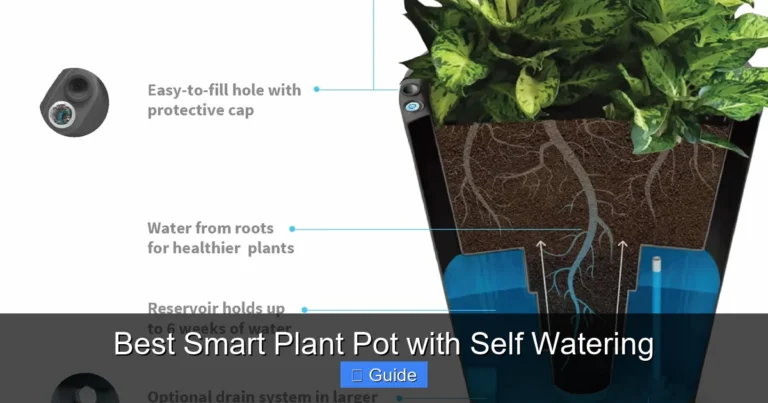
Every best hanging planter for succulents must have at least one drainage hole. Some designs include a built‑in reservoir that catches excess water. That reservoir lets the soil wick moisture back up slowly. It mimics the natural dry‑wet cycle succulents love. Avoid planters without holes unless you plan to drill them yourself.
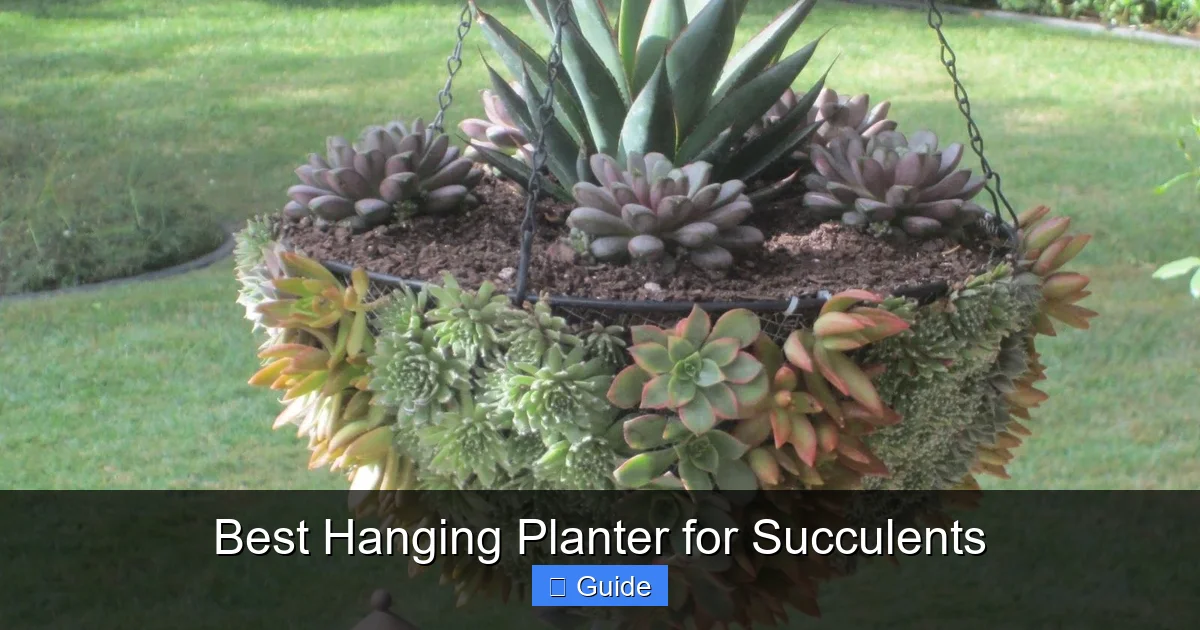
Visual guide about Best Hanging Planter for Succulents
Image source: i.pinimg.com
Weight and Load Capacity
Check the weight of the planter when filled with wet soil. A heavy ceramic pot can pull a drywall anchor out. Lightweight options like high‑density polyethylene, recycled plastic, or thin metal keep the load low. If you love the look of stone, choose a faux‑stone composite that mimics weight but stays light.
Material Breathability
Terracotta and unglazed ceramic breathe. They pull moisture from the soil, helping it dry faster. Plastic and glazed ceramic hold water longer. For succulents, breathable materials are usually safer. However, if you tend to underwater, a less breathable pot can buy you a few extra days.
Adjustable Hanging Length
Many kits come with a fixed chain or rope. Adjustable lengths let you raise or lower the planter as the plant grows. This flexibility is handy when you move the planter between rooms with different ceiling heights.
Aesthetic Compatibility
Your planter should match your decor style. Macrame adds boho charm. Sleek metal fits modern minimalism. Woven rattan brings warmth. Choose a color that complements your walls and furniture. A cohesive look makes the plant feel intentional, not an afterthought.
Top Materials and Styles
Macrame Hangers
Macrame hangers are classic. They are made from cotton or jute rope. The knots create a cradle that holds a pot securely. They work well with small to medium pots. Because the rope stretches a little, check the tension monthly. Replace any frayed sections to avoid drops.
Metal Wire Baskets
Wire baskets give an industrial vibe. They often come with a coconut coir liner. The liner holds soil while letting water escape. Metal conducts heat, so in hot windows the soil may dry faster. Add a thin layer of sphagnum moss inside the liner to buffer temperature swings.
Ceramic and Terracotta Pots with Built‑In Hooks
Some ceramic pots have a glazed hook molded into the rim. These look elegant and need no separate hanger. Terracotta versions breathe well. Glazed ceramic retains moisture longer. Pick based on your watering habit.
Recycled Plastic Planters
Modern recycled plastic planters are lightweight, UV‑stable, and come in many colors. Many have a self‑watering reservoir. They are ideal for renters because they cause minimal wall damage. Look for BPA‑free labels.
Wooden Boxes and Driftwood
Reclaimed wood boxes add rustic charm. Driftwood pieces with natural cavities make unique planters. Seal the wood with a non‑toxic, water‑based sealant to prevent rot. Ensure drainage holes are drilled before planting.
Glass Terrarium Globes
Glass globes create a mini greenhouse effect. They are beautiful but trap humidity. Only use them for succulents that tolerate higher moisture, like Haworthia. Add a layer of activated charcoal at the bottom to keep the air fresh.
How to Install Your Hanging Planter Safely
Choose the Right Anchor
Drywall anchors rated for 25‑50 lb are standard for most lightweight planters. For heavier ceramic pots, use a toggle bolt or a ceiling joist mount. Always test the anchor by pulling gently before hanging the full weight.
Locate a Stud or Joist
Use a stud finder to locate a ceiling joist. Mounting into wood gives the strongest hold. If you must use drywall, pick a heavy‑duty anchor and distribute weight across two anchors spaced 12‑16 inches apart.
Measure Height and Clearance
Hang the planter so the bottom sits at eye level or slightly above. Leave at least 12 inches of clearance from the floor for easy watering. Consider the plant’s mature height; you don’t want leaves brushing the ceiling.
Use a Level
A small torpedo level ensures the planter hangs straight. Crooked planters look messy and can cause uneven soil drying.
Secure the Hanger
Attach the chain, rope, or macrame loop to the anchor with a carabiner or S‑hook. Double‑check the knot or clasp. Give the planter a gentle shake; it should not wobble.
Test with Water
Before adding the plant, fill the pot with water and let it drain. Verify that no water leaks onto the floor or ceiling. This test also confirms the drainage holes work.
Care Tips for Succulents in Hanging Planters
Watering Frequency
Succulents in hanging planters dry faster because of increased airflow. Check the soil by inserting a finger 1‑inch deep. Water only when the soil feels completely dry. In summer this may be every 7‑10 days; in winter every 3‑4 weeks.
Bottom‑Watering Method
Place the planter in a shallow tray of water for 10‑15 minutes. The soil wicks moisture up through the drainage holes. This method avoids wet leaves, which can cause rot. Remove the planter and let excess drain fully before re‑hanging.
Light Requirements
Most succulents need 4‑6 hours of bright, indirect light. A south‑facing window with a sheer curtain works well. Rotate the planter a quarter turn each week so all sides receive equal light. This prevents etiolation, where stems stretch toward the light.
Fertilizing
Feed with a diluted cactus fertilizer once during the growing season (spring to early fall). Use half the recommended strength. Over‑fertilizing builds salts that damage roots.
Pest Management
Inspect leaves weekly for mealybugs, spider mites, or aphids. A cotton swab dipped in isopropyl alcohol removes small infestations. For larger problems, spray neem oil early in the morning when the plant is not in direct sun.
Repotting
Repot every 2‑3 years or when roots circle the pot. Choose a container only 1‑inch larger in diameter. Fresh, gritty succulent mix (50 % potting soil, 25 % perlite, 25 % coarse sand) restores drainage.
Seasonal Adjustments
In winter, move planters away from cold drafts. Reduce watering dramatically. Some growers place a humidity tray nearby to offset dry indoor air, but keep the tray far enough that the planter doesn’t sit in standing water.
Our Top Picks for the Best Hanging Planter for Succulents
1. Mkono Macrame Plant Hanger Set
This set includes three hand‑knotted cotton hangers in neutral tones. They fit pots up to 8 inches wide. The knots are tight, and the cotton is pre‑washed to reduce stretch. Reviewers love the boho look and the included wooden beads for extra flair.
2. La Jolíe Muse Ceramic Hanging Planter with Hook
A glazed ceramic pot with a built‑in metal hook. The glaze comes in matte white, sage green, and terracotta. Drainage hole and matching saucer are included. Weight is moderate, so use a sturdy anchor. The sleek silhouette suits modern and Scandinavian interiors.
3. HBServices Self‑Watering Recycled Plastic Planter
Made from 100 % post‑consumer plastic, this planter has a hidden reservoir that holds up to 200 ml. A wick draws water up as needed. It’s lightweight, UV‑resistant, and comes in six colors. Ideal for busy plant parents who travel often.
4. Umbra Triflora Hanging Planter
Three clear glass globes suspended from a brushed brass rod. Each globe holds a small succulent. The open top allows airflow. Best for low‑humidity varieties like Echeveria. The brass rod mounts with two screws into a joist.
5. Bloem Dura‑Pot Hanging Basket with Coir Liner
A classic wire basket with a natural coconut coir liner. The liner is replaceable. The basket’s powder‑coated steel resists rust. It fits a 10‑inch pot and includes a sturdy chain. Great for a rustic kitchen or covered patio.
6. Creative Co‑Op Driftwood Wall Planter
Each piece is a unique slice of reclaimed driftwood with a carved cavity. Pre‑sealed with a non‑toxic finish. Mounts with two keyhole slots. Adds organic texture to any wall. Pair with a small terracotta pot for contrast.
Final Thoughts
Finding the best hanging planter for succulents is about matching your space, style, and care routine. Start with a planter that offers excellent drainage and a weight your wall can handle. Choose a material that fits your aesthetic and your watering habits. Install it securely, then follow a simple care schedule: bright indirect light, infrequent deep watering, and occasional feeding. Rotate the planter weekly, watch for pests, and repot when roots get crowded. With these steps, your hanging succulents will stay plump, colorful, and happy for years.
Remember, the perfect planter is the one you enjoy looking at every day. Whether you love the soft sway of macrame, the clean lines of ceramic, or the eco‑friendly vibe of recycled plastic, there is a match for every home. Happy planting!
Frequently Asked Questions
Can succulents survive in low light if they are in a hanging planter?
Most succulents need bright indirect light; low light leads to stretching and weak growth. Choose shade‑tolerant varieties like Haworthia if light is limited.
Is a self‑watering planter good for succulents?
Self‑watering planters can work if the reservoir is small and the wick allows the soil to dry between cycles. Monitor moisture closely to avoid overwatering.
How do I prevent my macrame hanger from stretching over time?
Pre‑wash cotton rope before use, and check tension monthly. Replace any frayed sections promptly to maintain safety.
What size planter should I start with for a new succulent?
Choose a pot 1‑2 inches wider than the root ball. Too large a pot holds excess moisture and encourages rot.
Can I hang succulents outdoors year‑round?
Only in frost‑free climates. In cold regions, bring planters inside before the first freeze or use a protected porch.
How do I clean a glass terrarium globe used for succulents?
Remove the plant, rinse the globe with warm water and mild soap, rinse thoroughly, and dry before replanting. Avoid harsh chemicals that could harm roots.