Best Plant Stands for Farmhouse Decor
Find the perfect plant stand for farmhouse decor with our expert guide covering rustic wood, wrought iron, and tiered designs. We break down top styles, materials, and placement tips to help you showcase your greenery with authentic farmhouse charm.
There is something special about farmhouse decor. It feels lived in. It feels warm. It tells a story without saying a word. And nothing brings that story to life quite like plants. But here is the thing. A beautiful fiddle leaf fig sitting directly on the floor can look a little lost. A trailing pothos on a bookshelf might not get the light it needs. That is where the right plant stand comes in. A good plant stand does two jobs. It lifts your plants to the light they crave. And it adds a layer of texture, height, and rustic charm that ties the whole room together.
I have spent years styling homes with that cozy, collected-over-time look. I have moved plants from room to room chasing the sun. I have tried stands that wobble, stands that rust, and stands that just feel wrong. Today I want to share what actually works. We will look at the best materials, the most useful styles, and how to pick a plant stand for farmhouse decor that fits your space, your plants, and your life. Let us dig in.
Key Takeaways
- Natural wood stands add warmth: Reclaimed pine, oak, and distressed finishes bring authentic farmhouse texture to any room.
- Metal frames offer industrial contrast: Black wrought iron and galvanized steel balance soft greenery with rugged appeal.
- Tiered stands maximize vertical space: Multi-level designs let you display more plants in a smaller footprint.
- Rolling caddies add mobility: Wheeled plant stands make it easy to chase sunlight or rearrange your layout.
- Ladder shelves create visual interest: Leaning ladder stands add height and dimension to empty corners.
- Match your stand to your pot style: Terracotta, ceramic, and woven baskets each pair differently with stand materials.
- Consider weight capacity and stability: Heavy ceramic pots need sturdy, wide-base stands to prevent tipping.
Quick Answers to Common Questions
What is the best material for a farmhouse plant stand?
Reclaimed wood with black metal accents is the top choice for authentic farmhouse style, offering warmth, durability, and that perfect mix of rustic and industrial charm.
How do I protect my wood plant stand from water damage?
Always use saucers under pots, add cork pads between the saucer and stand, wipe spills immediately, and apply a matte polyurethane or furniture wax annually to maintain the seal.
Can I put a heavy ceramic planter on a tiered plant stand?
Only if the stand’s weight rating supports it. Check the manufacturer’s specs — many tiered stands max out at 20-30 pounds per shelf. For heavy pots, choose a single pedestal or heavy-duty rolling caddy instead.
What height plant stand should I buy for a corner floor plant?
Measure your pot height first, then choose a stand that brings the plant’s foliage to eye level (typically 30-42 inches total height for a medium floor plant in a corner).
Are rolling plant caddies stable enough for large trees?
Yes, if you choose a caddy with locking casters rated for the total weight (plant + pot + soil + water) and a wide base. Always engage the locks once positioned.
📑 Table of Contents
- Why Plant Stands Matter in Farmhouse Style
- Top Materials for Farmhouse Plant Stands
- Best Plant Stand Styles for Farmhouse Homes
- Matching Plant Stands to Your Pots
- Room-by-Room Placement Guide
- Care and Maintenance Tips
- Budget-Friendly vs. Investment Pieces
- DIY Farmhouse Plant Stand Ideas
- Seasonal Styling with Plant Stands
- Common Mistakes to Avoid
- Where to Shop for Farmhouse Plant Stands
- Final Thoughts
Why Plant Stands Matter in Farmhouse Style
Farmhouse style is rooted in practicality. Original farmhouses were working homes. Every piece had a job. A plant stand in this tradition is not just decoration. It serves a purpose. It gets plants off cold floors. It improves air circulation around leaves. It protects hardwood from water rings. And it creates vertical layers that make a room feel full and inviting.
The Visual Language of Farmhouse Decor
Think about the colors and textures that define this style. Whites and creams. Soft grays and sage greens. Natural wood tones. Black iron accents. Woven baskets. Galvanized metal. A plant stand should speak this language. A sleek chrome stand from a modern office store will stick out like a sore thumb. A chunky reclaimed wood stand with black metal legs? That belongs.
Height Creates Harmony
Rooms with everything at the same height feel flat. Farmhouse interiors often have high ceilings, exposed beams, or shiplap walls that draw the eye up. Your plant display should do the same. A tall corner stand lifts a snake plant to eye level. A tiered stand on a hearth creates a mini garden at varying heights. This layering is key to the collected, cozy aesthetic.
Top Materials for Farmhouse Plant Stands
Material choice sets the tone. It determines durability, weight, and how the stand ages. Here are the heroes of the farmhouse world.
Reclaimed and Distressed Wood
This is the gold standard. Reclaimed pine, barn wood, and old pallet lumber bring instant history. Each knot, nail hole, and saw mark tells a story. These stands often feature a distressed finish. That means they are sanded, stained, and sometimes painted then sanded again to reveal layers. The result looks like it has been in the family for generations.
Look for stands with solid joinery. Mortise and tenon or dowel joints hold up better than screws alone. A clear matte sealant protects the wood from water splashes without adding a plastic shine. I love a reclaimed wood stand with a lower shelf. It gives you a spot for a watering can, a bag of soil, or a second smaller pot.
Wrought Iron and Black Steel
Metal brings that essential industrial edge. Black wrought iron stands with scrollwork or clean geometric lines anchor a space. They feel sturdy and permanent. Powder-coated steel resists rust better than raw iron, which matters if you water plants on the stand. Many farmhouse stands combine a wood top with metal legs. This mix of warm and cool, organic and manufactured, is the sweet spot.
Galvanized Metal
Galvanized steel and zinc-coated metal have a utilitarian soul. Think water troughs, milk cans, and roof flashing. A galvanized plant stand or caddy feels authentic to a working farm. The muted silver patina pairs beautifully with terracotta pots and green foliage. These stands are often lighter than solid wood or iron, making them easy to move.
Natural Rattan and Woven Seagrass
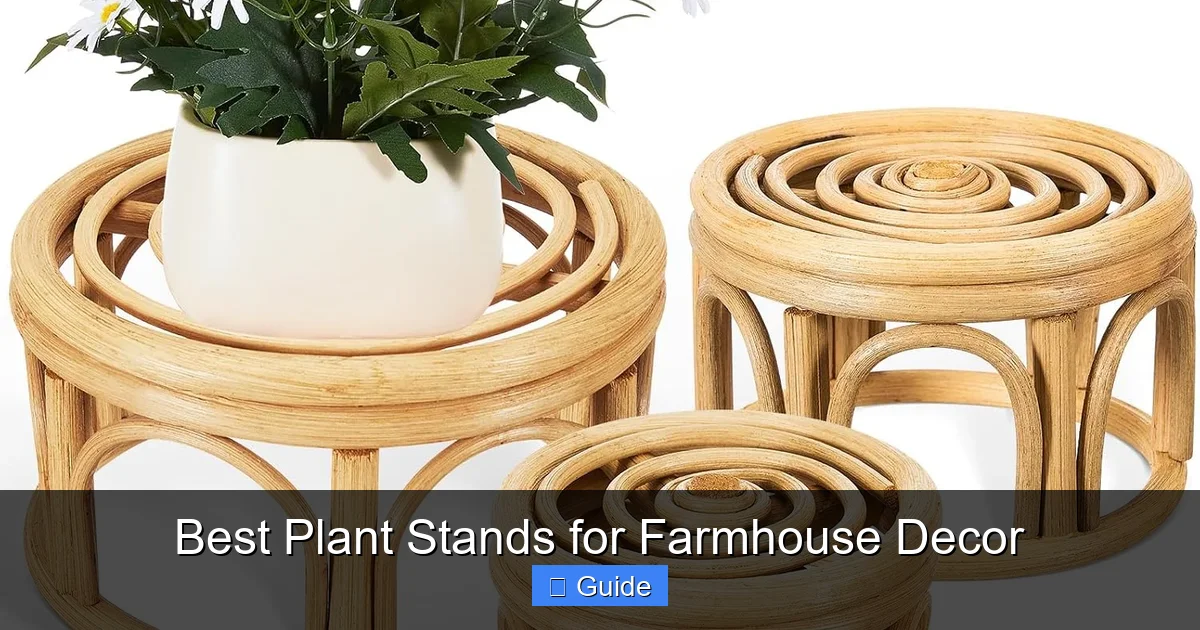
For a softer touch, woven stands add incredible texture. A seagrass belly basket on a low metal frame. A rattan plant stand with tapered legs. These pieces bring a breezy, cottage feel. They work best with lightweight pots. Avoid placing heavy ceramic planters directly on woven surfaces without a rigid liner. The natural fibers can stretch over time under constant weight.
Concrete and Stone
Less common but striking. A concrete plant stand with a wood top feels modern farmhouse. Stone pedestals add permanence. These are heavy. Once placed, they stay put. Use them for statement plants in entryways or at the end of a long hallway. The cool gray tone balances warm wood floors and white walls perfectly.
Best Plant Stand Styles for Farmhouse Homes
Material is only half the equation. The form, the silhouette, the way a stand functions in your daily life. That matters just as much.
Tiered and Multi-Level Stands
If you collect plants the way some people collect books, you need a tiered stand. These come in two main shapes. The A-frame ladder style leans against a wall. The freestanding shelf unit stands on its own. Both let you display three to five plants in the footprint of one.
An A-frame in reclaimed wood with black metal hardware is a classic. Place it in a corner near a window. Put larger pots on the bottom shelf. Trailers like string of pearls or philodendron on the top. The angle of the shelves catches light beautifully. Freestanding tiered stands often have turned wood legs and slatted shelves. Slats allow water to drain and air to flow. Look for adjustable feet so the stand sits level on uneven farmhouse floors.
Plant Caddies and Rolling Stands
Life on a farm means moving things. Chasing sun. Making room for a harvest table. Rolling plant caddies honor that tradition. A simple round or square platform on four casters. Locking wheels are a must. You want the stand to stay put when you brush past it.
Wooden caddies with a lip around the edge keep pots from sliding off. Metal caddies with a mesh base let water drain away. I keep a large fiddle leaf fig on a rolling caddy. Once a month I roll it to the patio for a deep soak and a shower. No heavy lifting. No scratched floors. It is a game changer for large plants.
Ladder Shelves and Leaning Stands
A leaning ladder shelf adds instant vertical drama. It takes up almost no floor space but gives you four or five display levels. The open back keeps the wall visible. Shiplap, brick, or a gallery wall shows through. This airy quality keeps a room from feeling cluttered.
Secure the top to the wall with a small bracket if you have kids or pets. It is a five-minute job that prevents heart-stopping crashes. Style the shelves with a mix of plants, vintage watering cans, and framed botanical prints. Change it with the seasons. Spring bulbs. Summer herbs. Fall mums. Winter evergreens.
Pedestal and Column Stands
Sometimes you need one perfect spot for one perfect plant. A pedestal stand does that. A turned wood column on a wide base. A fluted metal pillar. A concrete cylinder. These feel formal and intentional. Use them to flank a fireplace. Frame a doorway. Anchor the end of a sofa.
Height matters here. A 30-inch stand puts a medium plant at chair height. A 42-inch stand brings a small tree into the conversation zone. Measure your pot height first. Add the stand height. Make sure the foliage sits where you want it, not blocking a window view or a TV sightline.
Window Sill and Shelf Stands
Farmhouse kitchens often have wide window sills. A narrow tiered stand made for a sill doubles your herb capacity. Look for powder-coated steel with removable trays. Easy to clean. Easy to rearrange. In a bathroom, a small corner stand on a vanity or toilet tank brings life to a humid space where ferns thrive.
Hanging Stands and Wall-Mounted Options
Floor space is precious. Wall-mounted plant shelves free it up entirely. A reclaimed wood plank with wrought iron brackets. A set of three staggered shelves. A macrame hanger on a wooden dowel rod. These draw the eye up and make ceilings feel higher.
Studs are your friend. Use a stud finder. Heavy pots need solid anchoring. Drywall anchors work for light pots only. Position hanging stands near windows but not directly in front of them. You want the plant to get light, not block it.
Matching Plant Stands to Your Pots
The stand and the pot are a team. They need to look good together. They need to function together. Here is how to pair them.
Terracotta Pots
Terracotta is the ultimate farmhouse pot. Porous. Breathable. Ages beautifully. The warm orange clay pops against black metal. It sings on reclaimed wood. It looks right at home on galvanized steel. Terracotta sweats. Water seeps through the walls. Always use a saucer. On a wood stand, add a cork pad under the saucer. Double protection.
Ceramic and Glazed Pots
White ceramic. Cream glazed. Sage green. Matte black. These pots are heavy. They need a stand with a high weight rating. Check the specs. A tiered stand rated for 20 pounds per shelf will not hold a large glazed pot. Go for a single pedestal or a heavy-duty caddy. The smooth glaze contrasts nicely with rough wood or hammered metal.
Woven Baskets and Belly Baskets
Seagrass. Water hyacinth. Jute. These soft pots need a flat, stable surface. Slatted shelves can leave marks on the basket bottom. A solid wood shelf or a metal tray insert solves this. Baskets often lack drainage holes. Use a plastic nursery pot inside. Lift it out to water. Let it drain. Put it back. The basket stays dry and pretty.
Concrete and Stone Planters
Heavy. Very heavy. These demand a serious stand. A concrete planter on a wrought iron pedestal is a power move. On a rolling caddy, make sure the casters are rated for the total weight. Locking casters are non-negotiable. You do not want a 100-pound planter rolling away on a sloped floor.
Room-by-Room Placement Guide
Every room has different light, different traffic, different vibe. Your plant stand should respect all three.
Living Room
This is usually the largest space with the best light. A tall corner stand holds a statement tree. A tiered stand beside the sofa creates a reading nook garden. A ladder shelf behind the sofa adds height without bulk. Keep walkways clear. A stand that sticks out into a traffic path gets bumped. Plants get knocked over. Shins get bruised.
Kitchen
Herbs. Microgreens. A pothos trailing from a high shelf. The kitchen is a working room. Stands here get splashed. They get bumped by chairs. They need to be wipeable. Metal stands with removable trays win here. A narrow tiered stand on the counter near the sink keeps fresh basil at your fingertips. A rolling caddy under a prep table holds a lemon tree you can wheel outside in summer.
Entryway and Mudroom
First impressions matter. A pedestal stand with a sculptural plant welcomes guests. A boot tray nearby catches dirt. Choose a stand with a wide base. Entryways get crowded. Bags, boots, dogs. A stable stand survives the chaos. If the entry is dark, pick a low-light plant like a ZZ plant or snake plant. Or swap the plant seasonally with faux stems. No judgment here.
Bathroom
Humidity loves ferns, calatheas, and orchids. A small corner stand by the tub. A wall shelf above the toilet. A hanging stand in the shower corner. Metal stands with powder coating resist rust. Wood stands need a good sealant. Wipe them down weekly. Bathroom plants often need less watering because the air does the work for you.
Bedroom
Plants in the bedroom improve air quality and calm the mind. A low stand beside the bed holds a peace lily. A tall stand in a corner holds a rubber tree. Avoid plants with strong scents near the bed. Jasmine and gardenia are lovely but can trigger headaches. Keep watering simple. A stand with a built-in saucer or a caddy you can roll to the bathroom makes care easy.
Home Office
A plant on your desk reduces stress. A plant stand beside your desk reduces clutter. A narrow tiered stand fits behind a monitor. A wall shelf above the desk keeps surfaces clear. Choose a stand that matches your desk hardware. Black metal legs on the stand. Black metal legs on the desk. Cohesion creates calm.
Care and Maintenance Tips
A plant stand is an investment. Treat it right and it lasts decades.
Protecting Wood Surfaces
Water is the enemy. Always use saucers. Add cork pads or felt feet under saucers. Wipe spills immediately. Once a year, apply a fresh coat of matte polyurethane or furniture wax to sealed wood. For raw or oil-finished wood, reapply tung oil or linseed oil every six months. This keeps the wood from drying out and cracking.
Preventing Rust on Metal
Powder coating is tough but not invincible. Chips happen. Touch up chips with rust-inhibiting paint. Keep metal stands dry. If a pot overflows, dry the stand immediately. In humid climates, a light coat of car wax on metal legs adds a moisture barrier. It sounds odd. It works.
Cleaning Woven Stands
Dust gets trapped in the weave. Vacuum with a brush attachment monthly. For deeper cleaning, wipe with a damp cloth and mild soap. Dry thoroughly in the sun. Never soak woven stands. The fibers swell and weaken. If a strand breaks, tuck it back in with a dab of wood glue. Trim the excess.
Checking Stability
Wood expands and contracts. Screws loosen. Check your stands every season. Tighten bolts. Adjust levelers. Shake the stand gently. If it wobbles, fix it before a plant pays the price. A drop of threadlocker on bolts keeps them snug longer.
Budget-Friendly vs. Investment Pieces
You do not need to spend a fortune. But you do get what you pay for.
Under $50
Simple metal caddies. Basic wood A-frames. Single pedestal stands in pine. These work great for small to medium plants. Check reviews for wobble reports. Reinforce with corner brackets if needed. A $30 stand that lasts three years is a win.
$50 to $150
The sweet spot. Solid wood construction. Powder-coated steel. Good hardware. Adjustable feet. Weight ratings of 50+ pounds per shelf. These stands handle large pots and daily life. Brands in this range often offer replacement parts. That matters.
Over $150
Heirloom quality. Reclaimed barn wood with hand-forged iron. Custom sizes. Artisan joinery. These are furniture pieces. They anchor a room. They hold massive planters. They get passed down. If you have the budget and the perfect spot, they are worth it.
DIY Farmhouse Plant Stand Ideas
Sometimes the best stand is the one you build. It fits your exact space. It uses materials you love. And it costs a fraction of retail.
Pallet Wood A-Frame
Two pallets. A saw. A drill. Some sandpaper. Black hinges. Cut the pallets into four equal shelves. Build two ladder sides. Hinge the top. Stain or whitewash. Add rubber feet. Total cost under $20 if you have tools. This is a weekend project with big impact.
Pipe and Wood Shelves
Black iron pipe fittings. Flanges. A reclaimed wood board. Screw flanges to the wall. Thread pipe into flanges. Rest wood on pipe brackets. Industrial. Strong. Infinitely customizable. Paint the pipe if you want color. Leave it raw for patina.
Upcycled Furniture
An old stool. A vintage side table. A wooden crate. A metal plant stand base with a new wood top. Sand. Seal. Style. The character of an old piece beats a new knockoff every time. Check Facebook Marketplace. Thrift stores. Grandma’s attic.
Concrete Block and Wood
Concrete cinder blocks. Pressure-treated 2x10s. Stack blocks. Lay boards across. Two blocks high for a low stand. Four for a tall one. Paint blocks white. Stain boards dark. Modern farmhouse in thirty minutes. Incredibly stable. Move it by lifting one end at a time.
Seasonal Styling with Plant Stands
Your plant stands are stage sets. Change the cast with the seasons.
Spring
Bulbs in terracotta. Forced branches in a tall stand. Seedlings on a kitchen tiered stand. Pastel ceramic pots. Light and airy.
Summer
Herbs at the ready. Tropicals on rolling caddies for patio trips. Trailing vines on high shelves. Bright glazed pots. Full and lush.
Fall
Mums in bronze pots. Ornamental kale. Pumpkins tucked between pots on a tiered stand. Dried wheat bundles in a floor vase on a pedestal. Warm and textured.
Winter
Evergreen branches. Pinecones. String lights woven through a ladder shelf. A small citrus tree on a rolling stand for a sunny window. Cozy and bright.
Common Mistakes to Avoid
Learn from the errors I have made so you do not have to.
Ignoring Weight Limits
A tiered stand rated for 15 pounds per shelf will bow under a large ceramic pot. The shelf warps. The stand leans. The pot crashes. Always check the rating. When in doubt, go heavier duty.
Skipping Saucers
Water rings on reclaimed wood are forever. Rust stains on powder coat are stubborn. Mold on woven seagrass is a health hazard. Saucers cost two dollars. Use them.
Blocking Light
A tall stand in front of a window steals light from the plant behind it. Place stands beside windows, not in front. Use sheer curtains if direct sun is too intense. Rotate plants weekly for even growth.
Choosing Style Over Stability
That dainty iron stand with the curved legs looks adorable. Until the cat jumps on it. Or you bump it vacuuming. Wide base. Low center of gravity. Test it in the store. Push it. If it tips, walk away.
Forgetting to Measure
Measure your pot diameter. Measure your pot height. Measure the space where the stand goes. Measure the doorways to get it there. A stand that does not fit is a stand you resent.
Where to Shop for Farmhouse Plant Stands
Good stands hide in many places.
Local Artisans and Woodworkers
Etsy local pickup. Farmers markets. Craft fairs. Custom sizes. Custom finishes. You support a maker. You get exactly what you want. Ask about wood sourcing. Ask about joinery. Ask about lead time.
Vintage and Antique Shops
Plant stands from the 1920s to 1970s often have incredible bones. Wrought iron plant tables. Wooden fern stands. Tiered plant shelves. Clean them up. Oil the wood. They have soul.
Big Box and Online Retailers
Wayfair, Overstock, Amazon, Target, IKEA. Filter by material. Read the one-star reviews. They tell the truth about wobble, finish quality, and missing hardware. Look for free returns. Assembly required is normal. Have a drill ready.
Farm and Feed Stores
Tractor Supply. Local co-ops. Galvanized tubs. Metal caddies. Heavy-duty casters. Utilitarian gear that fits the aesthetic perfectly. Prices are often lower than decor shops.
Final Thoughts
A plant stand for farmhouse decor is more than a piece of furniture. It is a bridge between the wild beauty of nature and the crafted comfort of your home. It lifts a living thing into your line of sight so you remember to water it, to dust its leaves, to notice the new unfurling frond. It adds a vertical rhythm to your rooms that makes them feel considered and complete.
Whether you choose a reclaimed wood A-frame built by a local carpenter, a galvanized caddy from the feed store, or a pallet project you hammer together on a Saturday afternoon, the right stand makes your plants feel intentional. It makes your home feel rooted. And that is the heart of farmhouse style. Not perfection. Not trends. Just honest materials, practical beauty, and a little bit of green life in every corner.
Start with one stand. One plant. One sunny spot. Watch how it changes the energy of the room. Then add another. And another. Before you know it, you have a indoor garden that feels like it has always been there. That is the goal. That is the magic.
Frequently Asked Questions
How do I style a tiered plant stand in a farmhouse living room?
Place larger, structural plants like snake plants or fiddle leaf figs on the bottom shelf. Use trailing plants like pothos or string of pearls on upper shelves. Add a vintage watering can or small lantern for character. Keep the overall look asymmetrical and collected.
Can I use a farmhouse plant stand outdoors on a covered porch?
Yes, but choose materials rated for outdoor use — powder-coated steel, galvanized metal, or sealed teak/cedar. Avoid untreated pine or particle board. Bring stands inside during harsh winters to extend their life.
What plants work best on a narrow window sill stand in a farmhouse kitchen?
Herbs like basil, thyme, and mint thrive on sunny kitchen sills. Small succulents, air plants, and microgreens also fit well. Choose pots with a uniform look — all terracotta or all white ceramic — for a tidy appearance.
How do I secure a leaning ladder plant stand to the wall?
Use a small L-bracket or anti-tip kit at the top rear of the stand. Screw into a wall stud for maximum hold. This takes five minutes and prevents dangerous tipping, especially in homes with children or pets.
What is the easiest way to water plants on high shelves without making a mess?
Use a long-spout watering can with a narrow tip, or remove lightweight pots and water them in the sink. For heavy pots, place a turkey baster or syringe near the stand to suck up excess water from saucers after watering.
How do I choose a plant stand that matches my existing farmhouse furniture?
Match the metal finish to your light fixtures or hardware (black, oil-rubbed bronze, galvanized). Match the wood tone to your largest furniture piece — if you have a reclaimed dining table, choose a stand with similar distressing and stain color.