Plant Shelf Organizer for Small Spaces
A plant shelf organizer for small spaces lets you grow a lush indoor garden without sacrificing floor space. Choose the right tiered rack, wall‑mounted unit, or corner shelf to fit your light, style, and budget.
Key Takeaways
- Measure first: Know the exact width, depth, and height of your available area before buying.
- Pick the right material: Metal, wood, and bamboo each offer different weight limits and looks.
- Use vertical space: Tiered or wall‑mounted shelves multiply planting area without using floor space.
- Match light needs: Place sun‑loving plants on upper tiers, shade‑tolerant ones lower down.
- Consider mobility: Wheeled units let you chase sunlight or rearrange rooms easily.
- DIY options save money: Simple pipe brackets or reclaimed crates can become custom plant shelf organizers for small spaces.
- Maintain airflow: Leave gaps between pots to prevent mold and promote healthy growth.
Quick Answers to Common Questions
What is the best plant shelf organizer for small spaces?
The best option depends on your room layout, but a tiered ladder shelf offers maximum vertical growing area with minimal footprint.
Can I use a plant shelf organizer for small spaces in a bathroom?
Yes, choose moisture‑resistant materials like bamboo or powder‑coated metal and select humidity‑loving plants such as ferns.
How many plants fit on a typical three‑tier shelf?
A three‑tier unit 24 inches wide holds roughly 9 to 12 standard 4‑inch pots, leaving space for airflow.
Do I need grow lights for a plant shelf organizer for small spaces?
If natural light is less than four hours of direct sun, adding clip‑on LED grow lights ensures healthy growth.
How do I prevent water damage to my walls?
Use drip trays under each pot, line shelves with waterproof mats, and ensure pots have drainage holes.
📑 Table of Contents
- Why a Plant Shelf Organizer for Small Spaces Changes Everything
- Understanding Your Space and Light
- Choosing the Right Material and Style
- Top Configurations for Tiny Areas
- Plant Selection and Arrangement Tips
- DIY Ideas for a Custom Plant Shelf Organizer for Small Spaces
- Maintenance Routines That Keep Your Garden Thriving
- Styling Your Plant Shelf for Maximum Impact
- Budget Planning and Where to Buy
- Common Mistakes and How to Avoid Them
- Conclusion
Why a Plant Shelf Organizer for Small Spaces Changes Everything
Living in a compact apartment does not mean you must give up greenery. A plant shelf organizer for small spaces turns unused vertical real estate into a thriving mini garden. You gain fresh air, a calming view, and a hobby that fits any schedule. The trick is picking a system that matches your room dimensions, light conditions, and personal style.
Many people assume they need a large balcony or a sunny windowsill. In reality, a well‑designed shelf can sit in a hallway, above a desk, or even inside a kitchen cabinet. The key is to think upward instead of outward. When you stack pots, you multiply planting area without adding clutter.
Understanding Your Space and Light
Measure Twice, Buy Once
Start with a tape measure. Write down the width, depth, and height of the spot you plan to use. Note any obstacles like baseboards, radiators, or door swings. A plant shelf organizer for small spaces must fit comfortably with a few inches of clearance for watering and airflow.
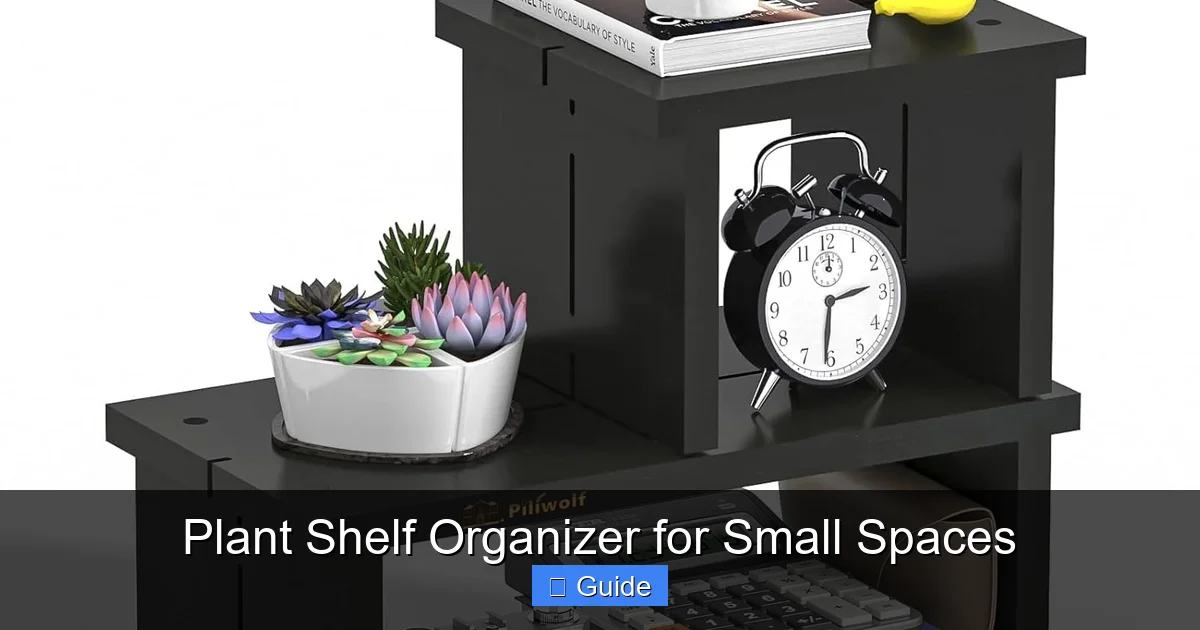
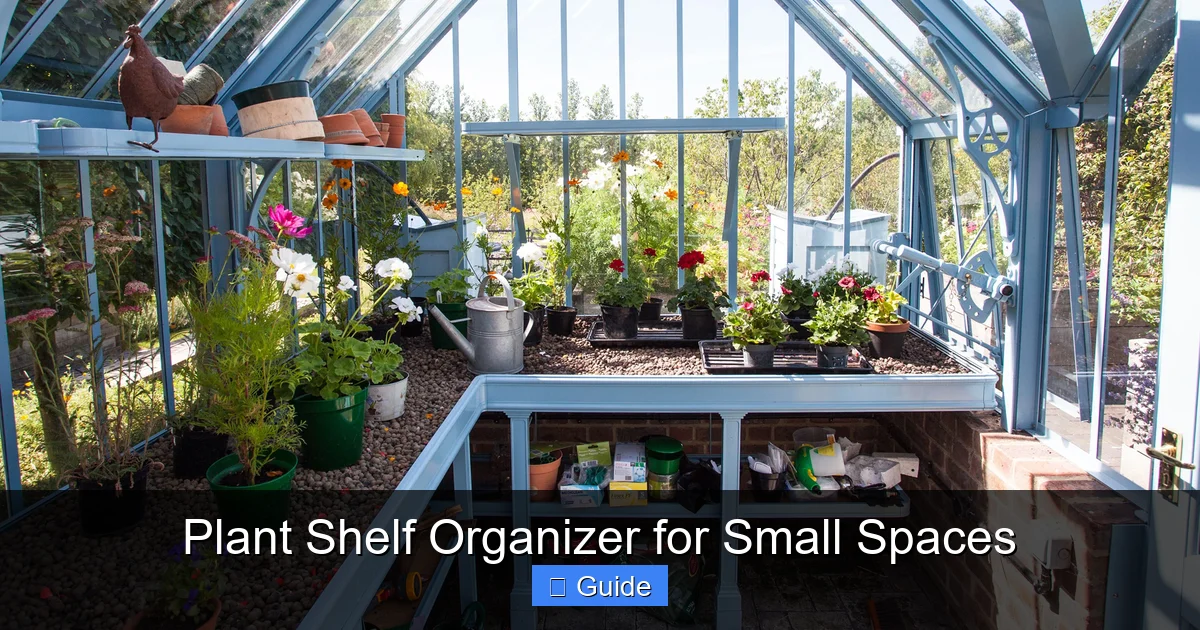
Visual guide about Plant Shelf Organizer for Small Spaces
Image source: m.media-amazon.com
Map the Light
Observe how sunlight moves through the room during the day. South‑facing windows give the most intense light. East or west windows provide moderate morning or afternoon sun. North windows offer low, indirect light. Match each plant’s light requirement to the shelf tier that receives the appropriate intensity.
Consider Temperature and Humidity
Heat sources like radiators dry out soil fast. Bathrooms add humidity, which tropical plants love. Choose a location where temperature swings are minimal. A stable environment reduces stress on both plants and the shelf structure.
Choosing the Right Material and Style
Metal Frames
Metal shelves are strong, sleek, and often powder‑coated to resist rust. They support heavy ceramic pots and can hold multiple tiers. Look for adjustable shelves so you can change spacing as plants grow.
Wood and Bamboo
Wood adds warmth and blends with most decor. Bamboo is lightweight, sustainable, and naturally moisture‑resistant. Both materials work well for a plant shelf organizer for small spaces that doubles as a design feature.
Plastic and Composite
Budget‑friendly plastic units are easy to clean and often come with built‑in drip trays. They are lighter, making them ideal for renters who move frequently. Ensure the plastic is UV‑stabilized if the shelf sits near a sunny window.
Wall‑Mounted vs. Freestanding
Wall‑mounted shelves free up floor space completely. They require sturdy anchors and a stud finder. Freestanding units offer flexibility; you can roll them on casters or slide them into a corner. Decide based on whether you want a permanent installation or a movable garden.
Top Configurations for Tiny Areas
Tiered Ladder Shelves
A ladder‑style shelf leans against the wall and offers three to five levels. It fits snugly in a narrow hallway or beside a sofa. The open rungs allow light to reach lower plants. This design is a classic plant shelf organizer for small spaces because it uses minimal footprint.
Corner Triangular Units
Corner shelves turn dead angles into productive growing zones. Triangular tiers follow the wall line, maximizing every inch. They work well in kitchens or bathrooms where corners often stay empty.
Floating Box Shelves
Individual floating boxes can be staggered at different heights. You create a custom layout that follows the window line. This approach lets you add or remove boxes as your collection changes.
Over‑the‑Door Racks
Over‑the‑door organizers hang on standard interior doors. They hold small pots or herb containers. Perfect for renters who cannot drill holes. The vertical pockets keep plants visible and accessible.
Rolling Cart Gardens
A slim rolling cart with multiple shelves moves with the sun. Lockable wheels keep it stable when stationary. This mobile plant shelf organizer for small spaces is ideal for studios where light shifts throughout the day.
Plant Selection and Arrangement Tips
Group by Water Needs
Place thirsty ferns together and drought‑tolerant succulents on another tier. This prevents over‑watering or under‑watering any single plant. A simple label on each shelf helps you remember the schedule.
Use Uniform Pot Sizes
Matching pot diameters create a tidy look and make watering easier. If you prefer eclectic pots, keep the overall height consistent so the shelf appears balanced.
Add Trailing Plants on Upper Levels
Vining varieties like pothos, string of hearts, or philodendron cascade beautifully from higher shelves. They draw the eye upward and make the space feel larger.
Incorporate Grow Lights
If natural light is limited, clip‑on LED grow lights attach to the underside of each tier. Choose full‑spectrum bulbs with a timer. This turns any plant shelf organizer for small spaces into a year‑round growing station.
Leave Breathing Room
Space pots at least an inch apart. Good airflow reduces fungal issues and lets each plant expand. Overcrowding leads to yellow leaves and pest problems.
DIY Ideas for a Custom Plant Shelf Organizer for Small Spaces
Pipe and Flange Shelves
Industrial pipe fittings and reclaimed wood boards create a sturdy, adjustable system. Cut boards to the exact width of your nook. Thread pipes into floor flanges for a permanent mount or use adjustable clamps for a removable version.
Repurposed Crate Wall
Wooden wine crates or fruit boxes mount directly to studs. Sand and seal them for moisture protection. Stack crates in a stair‑step pattern for a rustic plant shelf organizer for small spaces that costs pennies.
Pegboard with Hooks
A pegboard panel holds small pots on hooks or shelves. You can rearrange the layout anytime. Paint the board a fun color to turn the garden into wall art.
Hanging Macramé Shelves
Macramé hangers suspend wooden platforms from the ceiling. They add boho texture and keep the floor clear. Ideal for trailing plants that love to dangle.
Magnetic Strip for Tiny Pots
Attach a strong magnetic strip to a metal shelf or fridge side. Tiny magnetic planters hold air plants or succulents. This micro‑garden fits in the tiniest kitchen gap.
Maintenance Routines That Keep Your Garden Thriving
Weekly Water Check
Set a reminder to feel the soil of each pot. Water only when the top inch feels dry. Use a narrow spout watering can to avoid splashing neighboring plants.
Monthly Fertilizing
Apply a balanced liquid fertilizer at half strength during the growing season. Skip feeding in winter when most houseplants rest.
Quarterly Pruning and Cleaning
Trim dead leaves, rotate pots for even light exposure, and wipe shelf surfaces with a damp cloth. Dust on leaves blocks photosynthesis.
Annual Repotting
Check root systems each spring. Move plants to slightly larger pots with fresh potting mix. This prevents root binding and refreshes nutrients.
Pest Monitoring
Inspect undersides of leaves for aphids, spider mites, or mealybugs. Treat early with neem oil or insecticidal soap. A healthy plant shelf organizer for small spaces stays pest‑free with regular vigilance.
Styling Your Plant Shelf for Maximum Impact
Color Coordination
Choose pots in a single hue or a limited palette. White, terracotta, or matte black create cohesion. The plants become the focal point, not the containers.
Add Decorative Objects
Intersperse small sculptures, candles, or books among the pots. Keep items lightweight so shelves stay stable. A few personal touches turn the shelf into a curated display.
Use Mirrors Behind the Shelf
A mirror reflects light and doubles the visual greenery. It also makes the room feel larger. Position the mirror so it catches morning sun for an extra boost.
Layer Textures
Mix smooth ceramic, rough terracotta, woven baskets, and glass terrariums. Texture contrast adds depth to a compact arrangement.
Seasonal Swaps
Rotate flowering plants like African violets or kalanchoe for bursts of color. In winter, bring in evergreen foliage or holiday‑themed picks. A dynamic plant shelf organizer for small spaces stays fresh year‑round.
Budget Planning and Where to Buy
Set a Realistic Budget
Determine how much you want to spend before browsing. A basic metal tiered shelf starts around $40. Custom wood builds can exceed $200. Factor in pots, soil, and plants.
Online Retailers
Major sites like Amazon, Wayfair, and IKEA offer a wide range of ready‑made units. Read reviews for stability and finish quality. Filter by dimensions to match your measurements.
Local Garden Centers
Visit nearby nurseries for unique shelves and expert advice. Staff can recommend plants that thrive in your specific light conditions.
Secondhand Finds
Thrift stores, Facebook Marketplace, and Craigslist often have vintage bookcases or metal racks. A coat of paint transforms them into a stylish plant shelf organizer for small spaces.
DIY Material Costs
Pipe fittings, lumber, and hardware total $30‑$80 for a custom build. This route gives exact fit and personal satisfaction.
Common Mistakes and How to Avoid Them
Overloading Shelves
Check the weight rating of each tier. Heavy ceramic pots plus wet soil add up quickly. Distribute weight evenly and reinforce with brackets if needed.
Ignoring Drainage
Always use pots with drainage holes or add a layer of pebbles. Standing water rots roots and damages shelf surfaces.
Placing Sun‑Lovers in Shade
Match plant light needs to shelf position. A sun‑loving succulent on a low, shaded tier will stretch and weaken.
Neglecting Airflow
Cramped pots trap humidity. Leave space between containers and avoid sealing the shelf back against a wall completely.
Forgetting to Rotate
Plants lean toward light. Rotate each pot a quarter turn weekly for balanced growth.
Conclusion
A plant shelf organizer for small spaces unlocks the joy of indoor gardening no matter how tight your square footage. By measuring carefully, choosing the right material, and arranging plants thoughtfully, you create a living wall that purifies air and lifts mood. Whether you buy a sleek metal tier, build a reclaimed‑crate masterpiece, or hang a macramé platform, the principles stay the same: go vertical, match light, and keep maintenance simple. Start small, learn as you grow, and soon your compact corner will feel like a lush retreat. Happy planting!
Frequently Asked Questions
What materials are safest for a plant shelf organizer for small spaces?
Powder‑coated metal, sealed bamboo, and UV‑stabilized plastic resist moisture and support weight without warping.
How do I secure a wall‑mounted plant shelf organizer for small spaces?
Locate studs with a stud finder, use heavy‑duty anchors rated for the shelf’s load, and follow the manufacturer’s mounting template.
Can I mix edible herbs with decorative plants on the same shelf?
Yes, just group herbs with similar water and light needs, and keep them accessible for harvesting.
What is the ideal shelf spacing for most houseplants?
Leave 12 to 14 inches between tiers to accommodate pot height and allow light to reach lower levels.
How often should I fertilize plants on a plant shelf organizer for small spaces?
Apply a half‑strength balanced fertilizer once a month during spring and summer; pause in fall and winter.
Are there plant shelf organizers for small spaces that work outdoors on a balcony?
Choose rust‑proof metal or treated wood, ensure drainage, and secure the unit against wind for balcony use.