Best Tool for Indoor Plant Pest Management
The best tool for indoor plant pest management gives you early detection, targeted treatment, and simple upkeep. It saves time, cuts chemical use, and keeps your houseplants thriving.
Indoor plants bring life to any room. They improve air quality and boost mood. But pests can quickly turn a green oasis into a problem zone.
Common invaders include spider mites, fungus gnats, and aphids. These tiny bugs feed on leaves and roots. They spread fast if left unchecked.
Finding the best tool for indoor plant pest management early can save your collection. This guide walks you through the options and helps you pick the right solution.
Key Takeaways
- Early detection: Spot pests before they spread.
- Targeted treatment: Apply only what is needed.
- Safety first: Choose products safe for pets and kids.
- Ease of use: Simple setup saves time.
- Durability: Long‑lasting tools reduce cost.
- Monitoring: Ongoing checks keep plants healthy.
Quick Answers to Common Questions
What is the best tool for indoor plant pest management?
The best tool for indoor plant pest management combines monitoring traps, biological controls, and a precise sprayer for a complete solution.
How often should I check sticky traps?
Check sticky traps at least once a week and replace them when they are full or lose stickiness.
Are beneficial nematodes safe for pets?
Yes, beneficial nematodes are non‑toxic to pets and humans when applied according to label directions.
Can smart sensors replace manual inspections?
Smart sensors provide valuable data but a quick visual check each week is still recommended.
What is the most cost‑effective option for a small apartment?
A pack of yellow sticky traps and a hand‑held neem oil sprayer offer strong protection at low cost.
📑 Table of Contents
- Why You Need a Reliable Pest Management Tool
- Types of Tools for Indoor Plant Pest Management
- Features to Look for in the Best Tool for Indoor Plant Pest Management
- Top Picks for the Best Tool for Indoor Plant Pest Management
- How to Use Your Chosen Tool Effectively
- Maintaining a Pest‑Free Indoor Garden
Why You Need a Reliable Pest Management Tool
The best tool for indoor plant pest management gives you a clear advantage. Early detection stops outbreaks before they damage leaves. You spend less time fighting large infestations.
Early Detection Saves Plants
Sticky traps catch flying adults before they lay eggs. Monitoring cards show population trends at a glance. You can act when numbers are still low.
Place traps near the soil surface for maximum capture. Check them weekly and record counts in a notebook. This habit builds a clear picture of pest pressure.
Reducing Chemical Use
Targeted tools let you treat only the affected area. This cuts down on broad‑spectrum sprays. Your home stays safer for children and pets.
Use neem oil or insecticidal soap only on infested leaves. Spot‑treat instead of blanket spraying. The reduced chemical load protects beneficial insects.
Saving Time and Money
A reliable tool reduces the need for repeated treatments. You avoid costly plant replacements. The investment pays off quickly.
Calculate the cost of lost plants versus tool price. Most quality traps pay for themselves within a month. Time saved on manual scouting adds extra value.
Types of Tools for Indoor Plant Pest Management
There are several categories of the best tool for indoor plant pest management. Each type addresses a different stage of the pest life cycle.
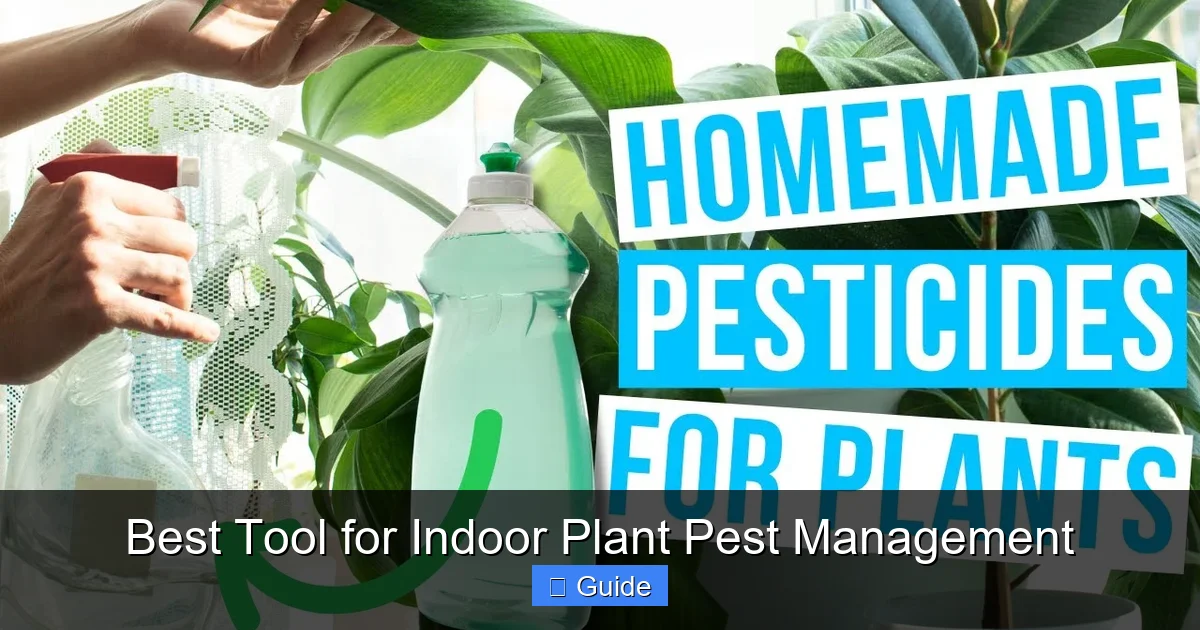
Visual guide about Best Tool for Indoor Plant Pest Management
Image source: i.ytimg.com
Sticky Traps and Monitoring Cards
Yellow sticky traps attract fungus gnats and whiteflies. Blue traps work well for thrips. Place them near the soil surface for best results.
Replace traps when they lose stickiness or become full. Rotate colors each season to target different pests. Consistent monitoring keeps populations low.
Biological Controls
Beneficial nematodes attack soil‑dwelling larvae. Predatory mites feast on spider mites. These living agents work continuously without chemicals.
Apply nematodes in the evening when soil is moist. Release predatory mites on the underside of leaves. Follow package rates for optimal establishment.
Sprayers and Applicators
Hand‑held sprayers deliver neem oil or insecticidal soap precisely. Adjustable nozzles prevent overspray. Choose a model with a comfortable grip.
Calibrate the sprayer before each use. Clean the nozzle after every application to avoid clogging. A well‑maintained sprayer lasts many seasons.
Smart Sensors and Apps
Wi‑Fi enabled sensors monitor humidity, temperature, and pest activity. Apps send alerts when thresholds are crossed. Data helps you time interventions perfectly.
Set custom alerts for each plant type. Review trend graphs monthly to spot patterns. Integration with smart home hubs adds automation options.
Features to Look for in the Best Tool for Indoor Plant Pest Management
When you compare options, focus on features that match your space and routine. The best tool for indoor plant pest management should fit seamlessly into your care schedule.
Ease of Use
Look for simple setup and clear instructions. Tools that require no assembly save minutes each week. Intuitive designs reduce user error.
Test the tool in a small area first. Read reviews for real‑world usability feedback. A tool that feels natural encourages consistent use.
Coverage Area
Match the tool’s range to your plant count. A single trap may cover a small shelf. Larger rooms need multiple units or a sensor network.
Calculate square footage of your growing space. Choose traps rated for that area. Over‑coverage wastes money; under‑coverage leaves gaps.
Safety for Pets and Kids
Non‑toxic materials are essential. Check labels for pet‑safe certifications. Avoid products with harsh residues that linger on foliage.
Store chemicals out of reach. Use child‑proof caps on sprayers. Opt for organic‑approved options whenever possible.
Durability and Maintenance
Reusable traps and refillable sprayers lower long‑term cost. Durable plastics resist cracking. Easy cleaning extends service life.
Inspect traps monthly for wear. Lubricate sprayer seals annually. Replace worn parts promptly to maintain performance.
Top Picks for the Best Tool for Indoor Plant Pest Management
Below are three highly rated choices that represent the best tool for indoor plant pest management in each category.
Best Overall Sticky Trap Set
The YellowStick 20‑pack offers strong adhesive and a discreet design. It captures fungus gnats, whiteflies, and aphids efficiently. Users report a noticeable drop in pest numbers within days.
Hang traps at plant height for maximum exposure. Replace every two weeks during heavy infestations. The low profile blends with décor.
Best Biological Control Kit
The BioGuard Nematode Kit includes live nematodes and a ready‑to‑use applicator. It targets soil larvae of fungus gnats and root aphids. The kit treats up to 50 square feet per application.
Apply nematodes after watering for better soil penetration. Repeat every four weeks for continuous protection. Store unused nematodes in the refrigerator.
Best Smart Sensor System
The PlantSense Pro monitors humidity, temperature, and motion. Its app provides real‑time alerts and trend graphs. Integration with smart home hubs adds automation options.
Place one sensor per room for full coverage. Calibrate thresholds for each plant species. Use the app’s scheduling feature to automate sprayer activation.
How to Use Your Chosen Tool Effectively
Proper use maximizes the impact of the best tool for indoor plant pest management. Follow these steps for consistent results.
Set Up Monitoring Early
Place traps or sensors before you see any bugs. Early baseline data reveals subtle changes. Adjust placement as plants grow.
Record the date and location of each trap. Take photos weekly for visual reference. Early data helps you spot trends before damage appears.
Apply Treatments at the Right Time
Spray neem oil in the evening to avoid leaf burn. Release beneficial insects when lights are low. Timing aligns with pest activity cycles.
Check weather forecast for indoor humidity spikes. Apply biological controls after watering for best soil contact. Follow label intervals for repeat applications.
Track Results and Adjust
Record trap counts weekly. Compare to previous weeks. If numbers rise, increase treatment frequency or add a second tool.
Keep a simple spreadsheet with dates, counts, and actions taken. Review monthly to evaluate effectiveness. Adjust strategy based on data, not guesswork.
Maintaining a Pest‑Free Indoor Garden
Ongoing care keeps the best tool for indoor plant pest management working at peak performance. Simple habits prevent future outbreaks.
Regular Inspection Routine
Check leaves, stems, and soil every three days. Use a magnifying glass for tiny pests. Early spotting stops spread.
Create a checklist for each plant type. Note any discoloration, webbing, or sticky residue. Consistent scouting builds a healthy habit.
Cleaning and Sanitizing
Wipe pots and trays with diluted bleach solution monthly. Remove dead foliage promptly. Clean tools between plants to avoid cross‑contamination.
Use a dedicated brush for each plant group. Rinse tools with hot water after each use. Sanitize surfaces to break pest life cycles.
Rotating Plants and Soil
Move plants to new locations each season. Refresh topsoil annually. Rotation disrupts pest life cycles and improves soil health.
Label pots to track rotation schedule. Add compost when refreshing soil for nutrients. Healthy plants resist pests better than stressed ones.
Selecting the best tool for indoor plant pest management depends on your plant types, space, and comfort level. Start with monitoring, add targeted treatment, and maintain a clean environment. A thoughtful approach keeps your indoor garden thriving all year.
Frequently Asked Questions
How do I know if my indoor plants have pests?
Look for yellowing leaves, sticky residue, tiny webs, or small flying insects near the soil. Regular inspection catches these signs early.
What pests are most common on houseplants?
Spider mites, fungus gnats, aphids, mealybugs, and thrips are the most frequent indoor plant pests.
Can I use outdoor pesticides indoors?
Outdoor pesticides often contain chemicals that are unsafe for indoor air quality. Choose products labeled for indoor use only.
How long does it take for biological controls to work?
Beneficial nematodes and predatory mites usually show results within one to two weeks, depending on pest pressure.
Do sticky traps attract beneficial insects?
Sticky traps are non‑selective; they can catch beneficial insects. Place them strategically to minimize impact on helpers.
What maintenance does a smart sensor require?
Keep the sensor clean, replace batteries as needed, and update the app firmware regularly for accurate readings.