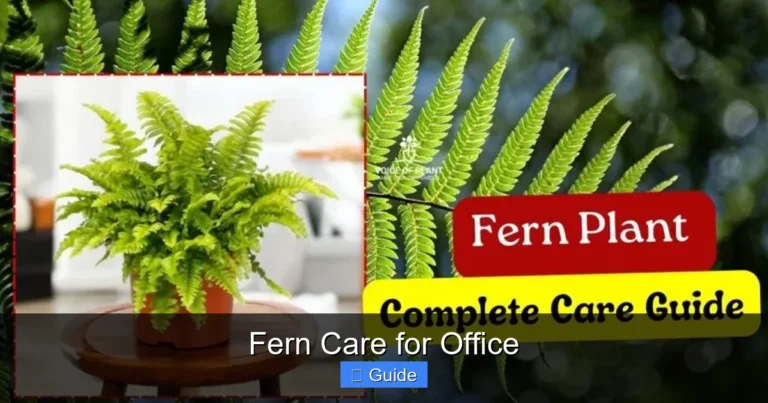
Tall Plant Stand for Indoor Plants
A tall plant stand for indoor plants lifts greenery to eye level, improves light exposure, and becomes a striking decor piece. This guide covers types, materials, placement tips, and maintenance so you can choose the perfect stand for any room.
Key Takeaways
- Height matters: A tall plant stand for indoor plants brings foliage into the sight line and maximizes natural light.
- Material choice affects durability: Metal, wood, and bamboo each offer distinct strength and style benefits.
- Stability is essential: Look for a wide base or adjustable feet to prevent tipping.
- Match your decor: Choose finishes that complement existing furniture and color schemes.
- Consider plant size: Ensure the shelf dimensions support the pot diameter and root ball.
- Easy assembly saves time: Pre‑drilled holes and clear instructions make setup simple.
- Regular care extends life: Wipe surfaces, check screws, and rotate plants for even growth.
Quick Answers to Common Questions
What is the ideal height for a tall plant stand for indoor plants?
The ideal height puts the plant’s foliage at eye level, typically 48 to 60 inches from the floor.
Can I use a tall plant stand for indoor plants outdoors?
Only if the stand is rated for outdoor use; metal with rust‑proof coating or treated wood works best.
How do I prevent my tall plant stand for indoor plants from wobbling?
Choose a wide base, use adjustable feet, and tighten all hardware regularly.
What type of pot works best on a tall plant stand for indoor plants?
Lightweight fiber‑clay or plastic pots reduce overall weight and stress on the stand.
How often should I rotate plants on a tall plant stand for indoor plants?
Rotate each pot a quarter turn weekly for even light exposure.
📑 Table of Contents
- Why a Tall Plant Stand for Indoor Plants Changes Your Space
- Understanding the Main Types of Tall Plant Stands
- Choosing the Right Material for Your Tall Plant Stand for Indoor Plants
- Key Measurements and Fit Considerations
- Placement Strategies for Maximum Light and Style
- Assembly, Maintenance, and Longevity Tips
- Budgeting and Where to Buy a Tall Plant Stand for Indoor Plants
- Creative Styling Ideas to Showcase Your Tall Plant Stand for Indoor Plants
- Common Mistakes to Avoid
- Final Thoughts on Selecting the Perfect Tall Plant Stand for Indoor Plants
Why a Tall Plant Stand for Indoor Plants Changes Your Space
A tall plant stand for indoor plants does more than hold a pot. It lifts greenery to eye level. That makes the plant a focal point. It also lets light reach lower leaves. Many homes have low windows. A stand solves that problem. You get healthier growth and a stylish look.
People often think a stand is just a piece of furniture. In reality it is a design tool. It can define a corner. It can separate a living area from a dining area. It can even hide an unsightly outlet. The right stand turns a simple plant into art.
Understanding the Main Types of Tall Plant Stands
Freestanding Ladder Stands
Freestanding ladder stands lean against a wall. They have multiple rungs. Each rung holds a pot. They are great for displaying several plants at once. The open design lets air circulate. That helps prevent mold.
Single‑Column Pedestal Stands
A single‑column pedestal stand has one central pole. A round or square platform sits on top. It works well for a single large plant. The slim profile fits tight corners. Many models include a weighted base for stability.
Tiered Shelf Stands
Tiered shelf stands feature two or three horizontal shelves. Each shelf can hold a different plant. This type maximizes vertical space. It is perfect for a collection of succulents or herbs.
Corner Triangular Stands
Corner triangular stands fit snugly into a 90‑degree corner. They often have three shelves that follow the corner shape. They make use of dead space. They also add architectural interest.
Rolling Cart Stands
Rolling cart stands have wheels. You can move the plant to follow the sun. They are handy for heavy pots. Locking casters keep the stand in place when needed.
Choosing the Right Material for Your Tall Plant Stand for Indoor Plants
Metal Stands
Metal stands are strong and modern. Powder‑coated steel resists rust. They suit industrial or minimalist decor. They can hold heavy ceramic pots without bending.
Wood Stands
Wood stands bring warmth. Hardwood like oak or teak lasts decades. They fit rustic, Scandinavian, or mid‑century styles. Seal the wood to protect against moisture.
Bamboo Stands
Bamboo is lightweight and eco‑friendly. It has a natural look that works in boho or tropical settings. Bamboo stands are often less expensive than hardwood.
Composite and Plastic Stands
Composite stands blend wood fibers with resin. They resist water and insects. Plastic stands are the most affordable. They are best for temporary displays or lightweight plants.
Key Measurements and Fit Considerations
Height and Ceiling Clearance
Measure from floor to ceiling. Subtract at least 12 inches for the plant’s top growth. A tall plant stand for indoor plants that is too high can hit a ceiling fan or light fixture.
Base Width and Stability
A wider base lowers the center of gravity. Look for a base that is at least one‑third the stand’s height. Adjustable feet help level the stand on uneven floors.
Shelf Depth and Pot Diameter
Check the shelf depth. It should be 2 inches deeper than the pot’s widest point. That prevents the pot from tipping forward.
Weight Capacity
Each stand lists a maximum load. Add the weight of the pot, soil, and water. Choose a stand rated for at least 20 % more than your total weight.
Placement Strategies for Maximum Light and Style
Near Windows but Not Direct Sun
Place the stand a few feet from a south‑facing window. The plant gets bright indirect light. Direct sun can scorch leaves on a tall plant stand for indoor plants.
Corner Groupings
Group two or three stands of varying heights in a corner. This creates a mini indoor garden. Vary plant textures for visual interest.
Room Dividers
Use a row of tiered stands to separate a living area from a workspace. The greenery softens the division and improves air quality.
Entryway Statement
A single pedestal stand with a dramatic fiddle‑leaf fig welcomes guests. Keep the stand simple so the plant remains the star.
Assembly, Maintenance, and Longevity Tips
Easy Assembly Steps
Most stands arrive flat‑packed. Lay out all parts. Follow the numbered diagram. Tighten bolts with a hand tool. Do not over‑tighten; it can strip threads.
Regular Cleaning
Dust the stand weekly with a microfiber cloth. For metal, use a damp cloth and dry immediately. For wood, apply a light wood conditioner every six months.
Inspect Hardware
Check screws and bolts monthly. Vibrations from foot traffic can loosen them. Retighten as needed to keep the stand stable.
Rotate Plants
Turn each pot a quarter turn every week. This promotes even growth. It also prevents the plant from leaning toward the light source.
Protect Floors
Attach felt pads or rubber caps to the stand’s feet. They prevent scratches on hardwood or tile. They also reduce noise when moving a rolling cart.
Budgeting and Where to Buy a Tall Plant Stand for Indoor Plants
Price Ranges
Basic plastic stands start around $20. Mid‑range metal or bamboo models cost $60‑$120. High‑end hardwood or designer pieces can exceed $300.
Online Retailers
Major sites like Amazon, Wayfair, and Overstock offer wide selections. Read reviews for stability feedback. Look for free return policies.
Local Stores
Home improvement centers, garden centers, and boutique furniture shops let you see the finish in person. You can test the stand’s wobble before buying.
Secondhand Finds
Thrift stores, Facebook Marketplace, and estate sales often have vintage wood stands. Sand and refinish them for a custom look at a fraction of the cost.
Creative Styling Ideas to Showcase Your Tall Plant Stand for Indoor Plants
Mix Heights and Textures
Pair a tall snake plant on a pedestal with a trailing pothos on a lower shelf. The contrast adds depth.
Add Decorative Accents
Place a small ceramic figurine or a stack of books on the base shelf. Keep it minimal so the plant stays dominant.
Use Lighting
Install a clip‑on LED grow light on the top shelf. It extends the photoperiod for low‑light rooms.
Seasonal Swaps
Rotate seasonal blooms like amaryllis in winter and hibiscus in summer. The stand becomes a year‑round display platform.
Common Mistakes to Avoid
Choosing a Stand Too Small
A stand that barely fits the pot leads to tipping. Always size up.
Ignoring Weight Limits
Overloading a lightweight stand causes bending or collapse. Respect the manufacturer’s rating.
Placing in Drafty Spots
Cold drafts from doors or AC vents stress tropical plants. Keep the stand away from direct airflow.
Neglecting Drainage
Water that pools on the stand can damage wood or metal. Use saucers or a waterproof liner.
Final Thoughts on Selecting the Perfect Tall Plant Stand for Indoor Plants
A tall plant stand for indoor plants is a simple upgrade with big impact. It lifts your greenery, improves light, and adds a design element that ties a room together. By understanding types, materials, measurements, and placement, you can pick a stand that fits your style and your plants’ needs. Take the time to measure, compare, and test. Your plants will thank you with healthier growth, and your home will feel more alive.
Frequently Asked Questions
What materials are most durable for a tall plant stand for indoor plants?
Powder‑coated steel and hardwoods like oak or teak offer the longest lifespan. They resist bending, rust, and moisture damage when properly maintained.
Can a tall plant stand for indoor plants hold multiple large pots?
Yes, tiered or ladder stands with high weight ratings can support several large pots. Always verify the combined weight stays within the stand’s limit.
Do I need a saucer under each pot on a tall plant stand for indoor plants?
Using saucers or a waterproof liner protects the stand from water stains and prevents floor damage.
How do I clean a wooden tall plant stand for indoor plants?
Wipe with a damp cloth, dry immediately, and apply a wood conditioner every six months to keep the finish rich.
Are rolling tall plant stands for indoor plants stable enough for heavy plants?
Models with locking casters and a low center of gravity are stable. Check the weight capacity before loading heavy ceramic pots.
Where can I find affordable tall plant stands for indoor plants?
Big‑box retailers, online marketplaces, and secondhand shops often have budget‑friendly options starting under $30.