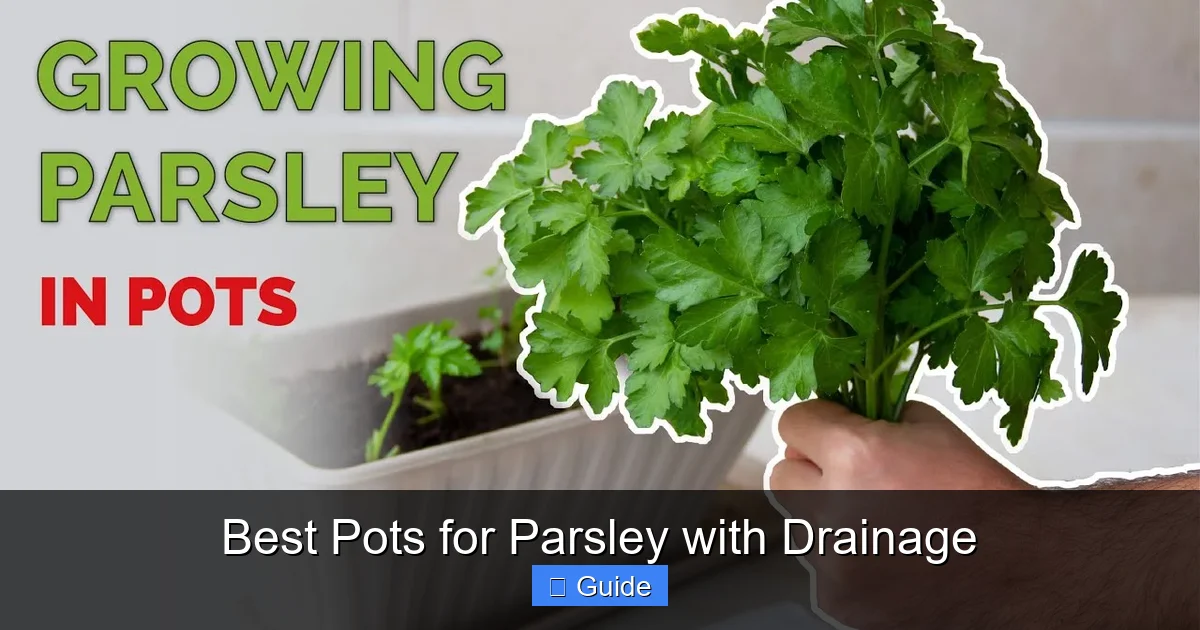
Best Pots for Parsley with Drainage
Choosing the best pots for parsley with drainage is essential for growing healthy, flavorful herbs. This guide covers everything you need to know about pot materials, sizes, drainage features, and top product recommendations to help your parsley thrive in containers.
Growing parsley at home is one of the most rewarding kitchen gardening projects you can undertake. This versatile herb adds fresh flavor to countless dishes, packs a serious nutritional punch, and looks beautiful on a windowsill or patio. But here is the thing many beginners miss: the container you choose makes or breaks your success. The best pots for parsley with drainage are not just a nice-to-have. They are essential.
I learned this the hard way years ago when my first parsley plants turned yellow and mushy at the base. The culprit? A cute decorative pot with zero drainage holes. Parsley has a long taproot that hates sitting in water. Without proper drainage, root rot sets in fast. Since then, I have tested dozens of containers, materials, and setups. In this guide, I will share everything I know about finding the best pots for parsley with drainage so you can skip the trial and error and go straight to harvesting fresh, vibrant leaves.
Key Takeaways
- Drainage is non-negotiable: Parsley roots rot quickly in standing water, so pots must have adequate drainage holes.
- Material matters: Terracotta, fabric, and ceramic pots each offer unique benefits for moisture control and root health.
- Size impacts growth: Choose pots at least 8-10 inches deep to accommodate parsley’s long taproot.
- Elevate your pots: Using pot feet or saucers with pebbles prevents water from pooling at the bottom.
- Fabric pots promote air pruning: This encourages a denser, healthier root system for stronger plants.
- Self-watering pots work well: They provide consistent moisture without waterlogging when used correctly.
- Indoor and outdoor needs differ: Consider weight, aesthetics, and moisture retention based on where you’ll grow your parsley.
Quick Answers to Common Questions
What is the minimum pot depth for growing parsley?
Parsley needs a minimum pot depth of 8 inches, but 10-12 inches is ideal for healthy taproot development.
Can I grow parsley in a pot without drainage holes?
No, parsley will develop root rot in pots without drainage. You must drill holes or use a cachepot system with a functional inner pot.
Which pot material is best for parsley: terracotta or plastic?
Both work well. Terracotta breathes and prevents overwatering. Plastic retains moisture longer. Choose based on your watering habits and climate.
How many parsley plants can I grow in a 12-inch pot?
A 12-inch wide pot can accommodate 1-2 parsley plants comfortably with proper spacing.
Do fabric pots need saucers indoors?
Yes, fabric pots drain from all sides. Use a saucer or tray to protect floors and furniture from water runoff.
📑 Table of Contents
- Why Drainage Matters for Parsley
- Top Materials for Parsley Pots
- Best Pot Sizes and Shapes
- Top Picks: Best Pots for Parsley with Drainage
- DIY Drainage Solutions
- Caring for Parsley in Containers
- Indoor vs. Outdoor Pot Considerations
- Companion Planting in Parsley Pots
- Seasonal Pot Care and Maintenance
- Budget-Friendly Pot Options
- Choosing Pots for Different Parsley Varieties
- Troubleshooting Pot-Specific Issues
- Conclusion
Why Drainage Matters for Parsley
Understanding Parsley Root Structure
Parsley develops a substantial taproot that can grow quite deep. This root system needs oxygen as much as it needs water. When soil stays soggy, air pockets disappear. The roots essentially suffocate. This leads to root rot, a fungal condition that kills plants quickly. The best pots for parsley with drainage allow excess water to escape while retaining enough moisture for healthy growth.
Signs of Poor Drainage
Watch for these red flags that your current pot is not cutting it:
- Yellowing leaves starting from the bottom
- Mushy, dark stems at soil level
- Foul smell from the soil
- Fungus gnats hovering around the plant
- Soil that stays wet for days after watering
If you see any of these, repot immediately into one of the best pots for parsley with drainage.
The Science of Soil Moisture Balance
Good drainage creates what horticulturists call a “moisture gradient.” The top of the soil dries out first. The bottom stays moist longer. This encourages roots to grow downward seeking water, creating a stronger, more drought-resistant plant. Pots without drainage holes create a perched water table at the bottom. The soil there never dries. Roots avoid that zone entirely, leaving you with a shallow, weak root system.
Top Materials for Parsley Pots
Terracotta and Clay Pots
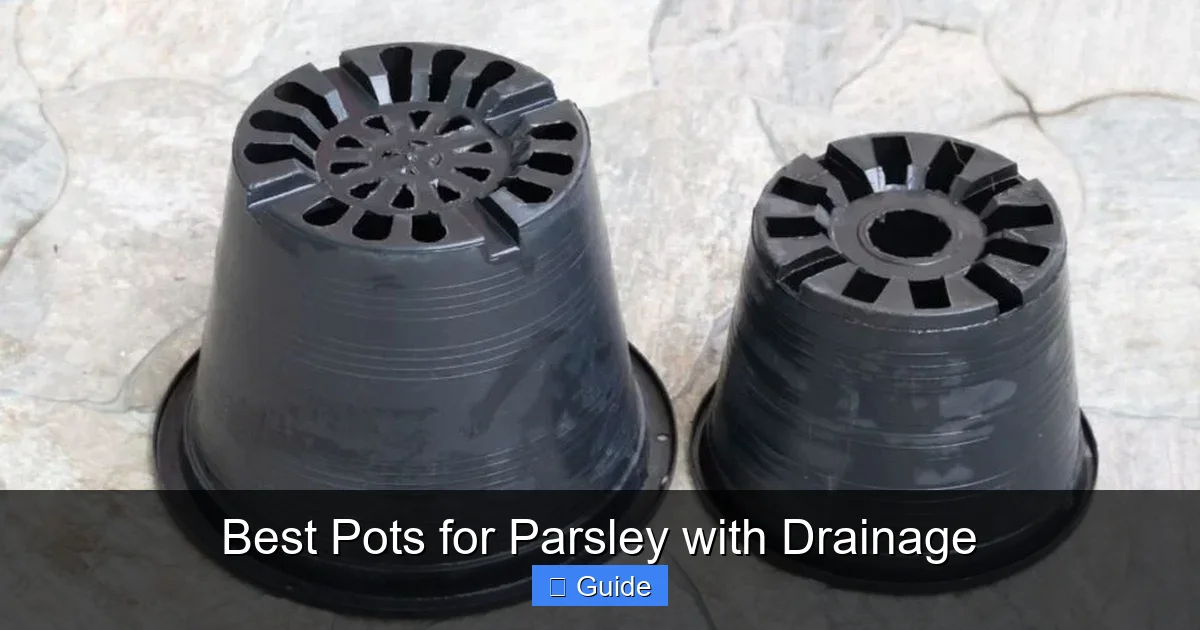
Terracotta is a classic choice for herbs, and for good reason. The porous clay walls allow air and moisture to move through the pot walls. This natural breathability prevents the soil from staying too wet. It also helps regulate soil temperature. On hot days, evaporation from the pot walls cools the root zone. Terracotta pots are among the best pots for parsley with drainage because they typically have a large central drainage hole.
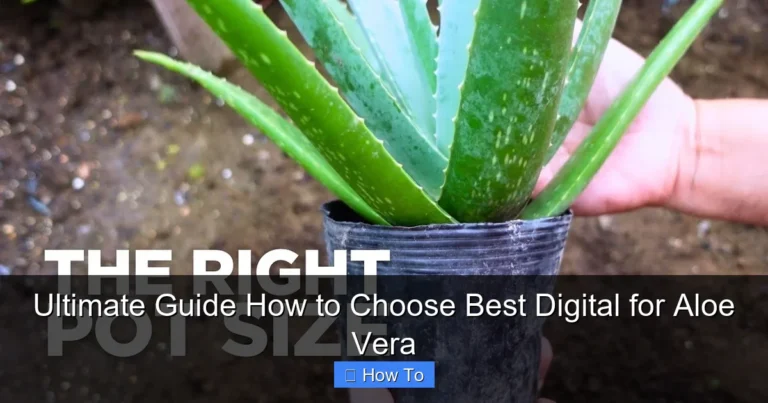
Visual guide about Best Pots for Parsley with Drainage
Image source: i.ytimg.com
Downsides? They dry out faster, so you will water more often. They are heavy and breakable. In freezing temperatures, they can crack. But for parsley, the benefits usually outweigh the drawbacks.
Fabric Grow Bags
Fabric pots have surged in popularity, and they are fantastic for parsley. Made from breathable geotextile fabric, they provide excellent drainage on all sides, not just the bottom. This triggers “air pruning.” When root tips hit the air at the fabric wall, they stop growing outward and branch instead. The result is a dense, fibrous root system that absorbs nutrients efficiently.
Fabric pots are lightweight, fold flat for storage, and are inexpensive. They are arguably the best pots for parsley with drainage if you prioritize root health. Just place them on a tray or saucer to catch water runoff indoors.
Ceramic and Glazed Pots
Glazed ceramic pots offer style and substance. The glaze reduces moisture loss through the walls, so soil stays evenly moist longer. This is great if you sometimes forget to water. Look for pots with multiple drainage holes or a large central hole. Many decorative ceramic pots lack drainage entirely. Avoid those, or drill your own holes if you have the tools and confidence.
These pots are heavy and stable, good for top-heavy parsley plants outdoors in wind. They come in endless colors and designs to match your decor.
Plastic and Resin Containers
Modern plastic pots have come a long way. High-quality resin containers mimic stone or terracotta but weigh a fraction as much. They retain moisture well and are virtually unbreakable. Many have built-in reservoir systems or removable drainage plugs. For balcony gardeners or anyone moving pots seasonally, these are practical choices.
Choose UV-resistant plastic to prevent brittleness from sun exposure. Ensure the pot has multiple drainage holes. Some cheap plastic pots have only tiny holes that clog easily.
Wooden Planters and Boxes
Cedar or redwood planters look gorgeous and provide natural insulation for roots. Wood breathes somewhat like terracotta. Line the interior with landscape fabric to prevent soil loss while maintaining drainage. Drill several half-inch holes in the bottom. Elevate the planter on bricks or pot feet.
Wooden containers work well for growing multiple parsley plants together. They are among the best pots for parsley with drainage when properly prepared.
Best Pot Sizes and Shapes
Depth Is Critical for Taproots
Parsley’s taproot can reach 12 inches or more in ideal conditions. In containers, aim for a minimum depth of 8 inches. Ten to twelve inches is better. Shallow pots force the taproot to circle the bottom, creating a root-bound plant that struggles to uptake water and nutrients. The best pots for parsley with drainage are deep enough to accommodate this growth habit.
Width Considerations
For a single parsley plant, a pot 6-8 inches wide works fine. If you want multiple plants, allow 6-8 inches between each plant. A 12-inch wide pot can hold two plants. A 16-18 inch wide container can hold three to four. Rectangular window boxes are excellent for growing a row of parsley along a railing or sill.
Shape Matters for Root Development
Tapered pots (wider at top than bottom) make it easier to remove the root ball when repotting. Straight-sided pots maximize soil volume. Avoid pots with narrow necks or inward-curving rims. These trap the root ball and make repotting a nightmare. The best pots for parsley with drainage have simple, functional shapes.
Volume Guidelines
As a rule of thumb:
- 1 plant: 1-2 gallon pot (6-8 inch diameter, 8+ inches deep)
- 2-3 plants: 3-5 gallon pot (10-14 inch diameter, 10+ inches deep)
- 4+ plants: 7+ gallon container or window box (18+ inches long, 10+ inches deep)
Top Picks: Best Pots for Parsley with Drainage
Best Overall: Fabric Grow Bags (5-7 Gallon)
Brands like VIVOSUN, Gardzen, and Bootstrap Farmer make excellent fabric pots. The 5-gallon size gives parsley ample root room. Handles make moving easy. The breathable fabric prevents overwatering and heat buildup. These are my personal go-to for parsley. They are affordable, durable for several seasons, and produce the healthiest root systems I have seen.
Best Terracotta: Classic Italian Terracotta Pot (10-12 inch)
Look for pots from Impruneta or similar Italian clay. The high-quality clay fires at high temperatures, making it more durable than cheap garden center terracotta. A 12-inch pot holds one large parsley plant beautifully. The thick walls provide insulation. The single large drainage hole works perfectly with a piece of mesh or a coffee filter to keep soil in.
Best Ceramic: Lechuza Self-Watering Planter
Lechuza planters are pricey but brilliant. They have a sub-irrigation system with a water level indicator. You fill the reservoir, and the plant draws water as needed via a wick. This eliminates overwatering risk while ensuring consistent moisture. The drainage is built into the system. For busy gardeners or frequent travelers, these are among the best pots for parsley with drainage.
Best Budget Plastic: Bloem Saturn Planter with Saucer
Bloem makes sturdy, UV-resistant plastic pots with multiple drainage holes and an attached saucer. The saucer has a removable plug so you can choose to let water drain away or hold it for bottom watering. Colors are fade-resistant. At under $15 for a 12-inch pot, the value is unbeatable.
Best Window Box: CedarCraft Elevated Planter
If you want a waist-high growing experience, this cedar planter on legs is fantastic. It has a slatted bottom with landscape fabric for drainage. The height saves your back and keeps pests like slugs away. It holds enough soil for 4-6 parsley plants plus companions like chives or basil.
Best Decorative: Deroma Terracotta Herb Pot with Tray
Deroma makes beautiful Italian terracotta pots with matching saucers. The “herb pot” style is slightly taller than wide, perfect for taproots. The clay is smooth and uniform. These look stunning on a kitchen windowsill or outdoor table. They are the best pots for parsley with drainage when aesthetics matter as much as function.
DIY Drainage Solutions
Adding Holes to Pots Without Drainage
Found a perfect pot with no holes? You can add them. For plastic or resin, use a drill with a 1/4 to 1/2 inch spade bit. Drill 4-6 holes evenly spaced. For ceramic or terracotta, use a masonry bit and go slowly with light pressure. Keep the bit wet with water to prevent cracking. Wear safety glasses. For glass or very brittle materials, it is safer to use the pot as a cachepot (decorative outer pot) with a functional pot inside.
Creating a Drainage Layer
Old advice suggested adding gravel or pot shards to the bottom of pots. Modern horticulture shows this actually worsens drainage by creating a perched water table. The soil holds water until saturated, then drains into the gravel. Roots stay wet longer. Skip the gravel. Use a quality potting mix instead. If you worry about soil washing out, place a coffee filter, paper towel, or piece of landscape fabric over the holes.
Elevating Pots for Better Airflow
Even the best pots for parsley with drainage work better when elevated. Pot feet, decorative bricks, or purpose-made pot risers create an air gap under the pot. This lets water drain freely and prevents the bottom hole from sealing against a flat surface. It also discourages pests from entering through drainage holes. Indoors, use a saucer with pebbles. The pot sits on pebbles, not in water.
Self-Watering Conversion
Turn any pot with drainage into a self-watering system. Place a water reservoir (a plastic container with lid) in the bottom. Drill holes in the lid. Run a cotton rope wick from the reservoir up into the soil. The soil draws water as needed. This is great for vacations. Just test it for a week before leaving to ensure the wick works.
Caring for Parsley in Containers
Choosing the Right Potting Mix
The pot is only half the equation. The soil matters equally. Garden soil compacts in containers. Use a high-quality potting mix labeled for containers or herbs. Look for ingredients like peat moss or coconut coir, perlite or vermiculite, and compost. Avoid mixes with water-retaining crystals unless you tend to underwater. The best pots for parsley with drainage paired with the right mix create the ideal root environment.
Watering Techniques
Water deeply until water runs out the drainage holes. This ensures the entire root zone is moist. Then wait until the top inch of soil feels dry before watering again. Stick your finger in the soil. Do not water on a schedule. Weather, pot material, and plant size all affect drying time. Terracotta and fabric pots dry faster. Glazed ceramic and plastic hold moisture longer.
Fertilizing Container Parsley
Container plants need regular feeding since nutrients leach out with drainage water. Use a balanced liquid fertilizer at half strength every 2-3 weeks during active growth. Or mix slow-release organic fertilizer into the potting mix at planting time. Fish emulsion and kelp meal are excellent organic options. Parsley is a moderate feeder. Too much nitrogen produces lush leaves but less flavor.
Sunlight Requirements
Parsley needs 4-6 hours of direct sun minimum. In hot climates, afternoon shade prevents scorching. Indoors, a south or west-facing window works best. Rotate the pot weekly for even growth. If light is limited, supplement with a grow light. The best pots for parsley with drainage will not compensate for insufficient light.
Harvesting for Continued Growth
Harvest outer stems at the base, leaving the inner crown intact. Never remove more than one-third of the plant at once. Regular harvesting encourages bushier growth. Parsley is biennial. In its second year, it flowers and sets seed. The leaves become bitter. Most gardeners treat it as an annual and replant each spring.
Overwintering Parsley in Pots
In zones 7 and warmer, parsley often survives winter outdoors in pots. Move containers to a protected spot against a south-facing wall. Mulch the soil surface with straw. In colder zones, bring pots indoors before hard frost. Place in a cool, bright location (50-60°F ideal). Water sparingly. Parsley may go semi-dormant but will bounce back in spring.
Common Problems and Solutions
Yellow leaves: Usually overwatering or poor drainage. Check the pot. Repot if needed.
Leggy growth: Insufficient light. Move to a sunnier spot or add grow lights.
Whiteflies or aphids: Spray with insecticidal soap or neem oil. Check undersides of leaves.
Bolting (flowering): Heat stress or age. Harvest flowers immediately. Provide afternoon shade.
Root bound: Roots circling the pot. Repot into a larger container with fresh mix.
Indoor vs. Outdoor Pot Considerations
Weight and Mobility
Outdoor pots can be heavy. Terracotta, ceramic, and wood are fine if they stay put. For balconies or rooftops, weight limits may apply. Fabric pots and resin containers are lightweight alternatives. Indoors, you will move plants for cleaning or light adjustment. Lightweight pots save your back. The best pots for parsley with drainage indoors are often fabric or plastic.
Aesthetics and Decor
Indoor pots are part of your decor. Ceramic, glazed terracotta, and decorative resin fit modern interiors. Fabric pots look utilitarian but can sit inside decorative cachepots. Outdoors, weathered terracotta, cedar, and stone-look resin blend with garden aesthetics. Choose what makes you happy. You will care for plants better if you enjoy looking at them.
Moisture Management Differences
Indoor air is drier, especially in winter with heating. Pots dry faster. Glazed or plastic pots help retain moisture. Outdoors, rain can oversaturate pots. Ensure outdoor pots drain freely and are not sitting in standing water. Elevate them. The best pots for parsley with drainage handle both scenarios, but you may need different watering routines.
Temperature Fluctuations
Outdoor pots experience wider temperature swings. Thick-walled terracotta, wood, and ceramic buffer roots against heat and cold. Thin plastic pots can overheat roots in summer sun. Fabric pots stay cooler due to evaporation. In winter, insulate outdoor pots with bubble wrap or burlap, or move them to a protected area.
Companion Planting in Parsley Pots
Herbs That Share Well
Parsley plays nice with many herbs in a shared container. Good companions include:
- Chives – similar water needs, deterrent to pests
- Cilantro – same cool-season preferences
- Basil – if pot is large enough (basil gets big)
- Thyme – low water needs, but okay if soil drains well
- Marjoram – similar growth habit
Use a larger pot (14+ inches wide, 10+ inches deep) for combinations. The best pots for parsley with drainage work for mixed plantings too.
Plants to Avoid
Do not plant parsley with mint. Mint is invasive and will take over. Avoid rosemary and lavender. They prefer much drier, leaner soil. Parsley likes consistent moisture and richer soil. Their needs conflict.
Edible Flowers and Vegetables
Nasturtiums trail beautifully over pot edges and deter aphids. Calendula attracts beneficial insects. Lettuce or spinach can grow in the shade of taller parsley. Radishes mature quickly and can be harvested before parsley needs the space. Get creative with large containers.
Seasonal Pot Care and Maintenance
Spring Setup
Clean pots thoroughly before reuse. Scrub with a 10% bleach solution (1 part bleach to 9 parts water) to kill pathogens. Rinse well. Check drainage holes for blockages. Refresh potting mix. Old mix breaks down, compacts, and loses drainage capacity. Replace at least half with fresh mix. The best pots for parsley with drainage need fresh soil to perform.
Summer Maintenance
Check pots daily in heat. Water in morning so leaves dry before evening. Mulch soil surface with straw or shredded leaves to reduce evaporation. Fertilize regularly. Watch for pests. Move pots to afternoon shade during heat waves. Fabric pots may need daily watering in extreme heat.
Fall Transition
Reduce fertilizing as growth slows. Bring tender pots indoors before frost. Clean exterior of pots. Check for hitchhiking pests. Repot if roots are crowded. The best pots for parsley with drainage make this easy with their functional designs.
Winter Storage
Empty and clean pots not in use. Store terracotta and ceramic indoors to prevent freeze-thaw cracking. Stack fabric pots flat. Plastic and resin can stay outdoors but last longer stored inside. Organize by size for easy spring startup.
Budget-Friendly Pot Options
Repurposed Containers
Five-gallon food buckets from bakeries or restaurants make excellent parsley pots. Drill 8-10 drainage holes in the bottom. They are free, deep, and durable. Paint them or wrap in burlap for looks. Large yogurt tubs, olive oil tins, and wooden wine boxes also work. Just add drainage holes.
DIY Fabric Pots
Make your own fabric pots from landscape fabric or heavy-duty felt. Sew sides and bottom with heavy thread. Add handles. Customize size exactly to your space. Cost is pennies compared to store-bought.
Thrift Store Finds
Ceramic and terracotta pots show up constantly at thrift stores and yard sales. Check for cracks. Ensure drainage holes exist or can be drilled. A $3 pot works as well as a $30 one. The best pots for parsley with drainage are often secondhand.
Choosing Pots for Different Parsley Varieties
Curly Parsley (Petroselinum crispum)
Curly parsley stays more compact, 8-12 inches tall. A 6-8 inch deep pot works fine. It looks beautiful as a solo specimen in a decorative pot. The ruffled leaves make it ornamental as well as edible.
Flat-Leaf (Italian) Parsley (Petroselinum neapolitanum)
Flat-leaf parsley grows larger, 18-24 inches tall with a stronger taproot. It needs a deeper pot, 10-12 inches minimum. The flavor is more robust, preferred by chefs. Give it room to reach its potential.
Hamburg Parsley (Root Parsley)
This variety is grown for its parsnip-like root. It needs a very deep pot, 14-18 inches. A tall fabric pot or deep wooden box works best. The leaves are edible too but the root is the prize.
Troubleshooting Pot-Specific Issues
Pot Dries Too Fast
If your terracotta or fabric pot needs watering twice daily, try these fixes: Mulch heavily. Group pots together to create humidity. Use a larger saucer with pebbles and water for ambient humidity. Mix water-retaining crystals into the soil. Consider a glazed or plastic pot instead.
Pot Stays Too Wet
If soil remains soggy for days: Check drainage holes for blockages. Elevate the pot. Reduce watering frequency. Add more perlite to the mix. Switch to a more breathable pot material. The best pots for parsley with drainage should never stay wet.
Salt Buildup on Pot Exterior
White crust on terracotta or fabric is mineral salt from fertilizer and water. It is harmless but unsightly. Scrub with vinegar solution. Flush soil occasionally by watering heavily until water runs clear from bottom. This prevents root damage from salt accumulation.
Roots Growing Out Drainage Holes
This means the plant is root-bound. Time to repot into a larger container. Gently tease out circling roots. Trim any dead or mushy roots. Use fresh potting mix. The best pots for parsley with drainage delay this issue but do not prevent it forever.
Conclusion
Finding the best pots for parsley with drainage is not about buying the most expensive container. It is about understanding what parsley needs: deep soil, excellent drainage, breathable walls, and room for that impressive taproot. Whether you choose a $5 fabric grow bag, a $30 Italian terracotta pot, or a repurposed food bucket, the principles remain the same.
Start with a pot at least 8 inches deep. Ensure it has multiple drainage holes or one large one. Use quality potting mix. Water deeply but infrequently. Give your parsley sun. Harvest often. Do these things, and you will have fresh parsley for months.
My personal favorite remains the 5-gallon fabric grow bag. It is forgiving, promotes incredible root health, and costs very little. But I also keep a few beautiful ceramic pots on my kitchen windowsill for the joy of it. The best pots for parsley with drainage are the ones you will actually use and enjoy.
Now get yourself a good pot, plant some parsley, and wait for that first harvest. The flavor of homegrown parsley in your cooking will make every bit of effort worth it. Happy growing!
Frequently Asked Questions
What are the best pots for parsley with drainage for beginners?
Fabric grow bags (5-7 gallon) are the best pots for parsley with drainage for beginners. They are affordable, prevent overwatering, promote healthy roots through air pruning, and are lightweight for easy moving.
How often should I water parsley in pots with good drainage?
Water parsley deeply when the top inch of soil feels dry. This typically means every 2-3 days for terracotta or fabric pots, and every 4-5 days for glazed ceramic or plastic pots, depending on weather.
Can I use regular garden soil in pots for parsley?
No, garden soil compacts in containers and drains poorly. Always use a high-quality potting mix designed for containers with ingredients like peat moss, perlite, and compost.
Why is my parsley turning yellow in a well-draining pot?
Yellow leaves usually indicate overwatering, nutrient deficiency, or insufficient light. Check that drainage holes are not blocked, fertilize with balanced fertilizer, and ensure 4-6 hours of direct sun.
Should I put rocks in the bottom of my parsley pot for drainage?
No, rocks create a perched water table that keeps roots wetter longer. Use a coffee filter or landscape fabric over drainage holes instead to prevent soil loss while maintaining proper drainage.
Can parsley survive winter in outdoor pots?
In zones 7 and warmer, parsley often survives winter in pots with protection. In colder zones, bring pots indoors before hard frost or insulate heavily. Parsley is biennial and may go dormant but regrow in spring.