Boston Fern Care Tips and Tricks
Boston ferns thrive when you give them bright indirect light, consistent moisture, and high humidity. Follow these simple boston fern care tips and tricks to keep your plant lush and green all year.
Welcome to your complete guide on boston fern care tips and tricks. If you love the soft, arching fronds of a Boston fern, you are in the right place. This article covers everything you need to know to keep your plant happy and healthy.
We will walk through light, water, humidity, soil, feeding, pruning, and common problems. Each section gives you practical steps you can start using today. Let’s dive in and make your fern thrive.
Key Takeaways
- Light: Provide bright indirect light; avoid direct sun.
- Water: Keep soil evenly moist but never soggy.
- Humidity: Maintain 50‑60% humidity for best growth.
- Soil: Use a well‑draining, peat‑based mix.
- Fertilizer: Feed monthly with a balanced liquid fertilizer during growing season.
- Pruning: Trim brown fronds to encourage new growth.
Quick Answers to Common Questions
How often should I water my Boston fern?
Water when the top inch of soil feels dry; typically every 2‑3 days in summer and weekly in winter.
What light is best for a Boston fern?
Bright indirect light near a north or east window works best; avoid direct sun.
How do I increase humidity for my fern?
Use a humidifier, a pebble tray with water, or group plants together to raise ambient humidity.
When should I repot my Boston fern?
Repot every 1‑2 years in spring, moving to a slightly larger pot with fresh peat‑based mix.
Why are my fern fronds turning brown at the tips?
Brown tips usually signal low humidity, underwatering, or fertilizer burn; adjust care accordingly.
📑 Table of Contents
Understanding Your Boston Fern
Origin and Natural Habitat
Boston ferns come from tropical regions of the Americas. In the wild they grow on forest floors where light filters through the canopy. They love warm temperatures and high humidity. Knowing this helps you mimic their native conditions at home.
Common Varieties
The most common variety is Nephrolepis exaltata ‘Bostoniensis’. There are also compact forms like ‘Compacta’ and ‘Fluffy Ruffles’. All share the same basic needs, so the boston fern care tips and tricks you learn here apply to every type.
Light Requirements for Healthy Growth
Ideal Light Levels
Bright indirect light is best. Place the fern near a north or east facing window. A sheer curtain can diffuse stronger south or west light. Too much direct sun scorches the delicate fronds.

Visual guide about Boston Fern Care Tips and Tricks
Image source: foliagefriend.com
Signs of Too Much or Too Little Light
If fronds turn yellow or develop brown tips, the plant may be getting too much light. If the fronds become pale and stretched, it needs more light. Adjust the spot gradually and watch the response. These observations are core boston fern care tips and tricks for light management.
Watering Practices That Work
How Often to Water
Check the top inch of soil daily. Water when it feels dry to the touch. In summer you may water every two days. In winter cut back to once a week. Consistency is key for boston fern care tips and tricks.
Best Watering Techniques
Use room temperature water. Pour slowly until water drains from the bottom holes. Avoid letting the pot sit in standing water. A saucer can catch excess but empty it after a few minutes.
Avoiding Common Watering Mistakes
Overwatering leads to root rot. Underwatering causes crispy frond edges. Never let the soil dry out completely. A moisture meter can help you stay on track. These simple habits are part of proven boston fern care tips and tricks.
Humidity and Temperature Essentials
Maintaining High Humidity
Boston ferns love humidity around 50 to 60 percent. Use a humidifier, group plants together, or place a tray of pebbles with water beneath the pot. Misting helps but is not a substitute for ambient humidity.
Temperature Range
Keep temperatures between 60 and 75 degrees Fahrenheit. Avoid cold drafts from windows or air conditioning vents. Sudden temperature drops stress the plant and cause frond drop.
Seasonal Adjustments
In winter indoor heating lowers humidity. Increase misting or run a humidifier longer. Reduce watering frequency slightly because growth slows. These seasonal tweaks are essential boston fern care tips and tricks.
Soil, Potting, and Fertilizing
Choosing the Right Potting Mix
A peat based mix with perlite or vermiculite provides good drainage and moisture retention. You can buy a ready made fern mix or make your own with two parts peat, one part perlite, and one part compost.
Repotting Schedule
Repot every one to two years in spring. Choose a pot one size larger with drainage holes. Gently loosen the root ball and place in fresh mix. Water thoroughly after repotting.
Fertilizer Types and Frequency
Feed with a balanced liquid fertilizer diluted to half strength once a month during spring and summer. Stop feeding in fall and winter. Over fertilizing burns roots and leads to brown tips. Proper feeding is a cornerstone of boston fern care tips and tricks.
Pruning, Propagation, and Troubleshooting
When and How to Prune
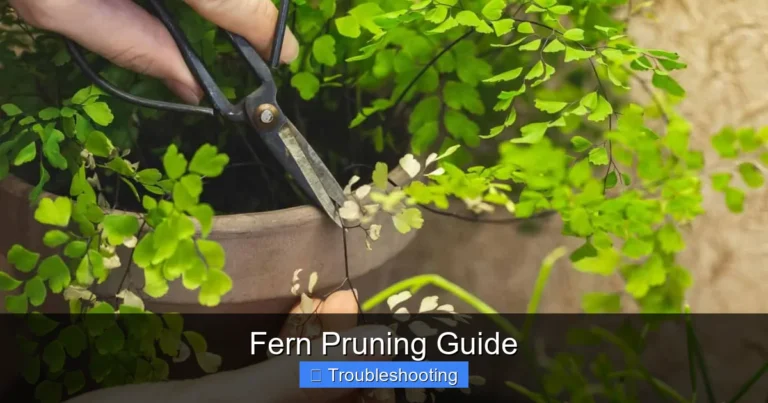
Remove brown or dead fronds at the base with clean scissors. Prune in early spring before new growth starts. Regular pruning keeps the plant tidy and encourages fresh fronds.
Propagating by Division
During repotting you can divide the root ball. Separate sections with at least three healthy fronds each. Plant each division in its own pot with fresh mix. Water well and keep humidity high until established.
Common Pests and Diseases
Spider mites, mealybugs, and scale are the main pests. Inspect fronds weekly. Treat with insecticidal soap or neem oil at first sign. Root rot appears as black mushy roots; improve drainage and cut away affected parts.
Quick Fixes for Yellowing Fronds
Yellow fronds often mean too much light, low humidity, or nutrient deficiency. Move to a shadier spot, raise humidity, and apply a light feed. Most issues resolve within a few weeks when you follow solid boston fern care tips and tricks.
Conclusion
Caring for a Boston fern is rewarding when you understand its needs. Bright indirect light, steady moisture, high humidity, and the right soil create the perfect environment. Feed lightly, prune regularly, and watch for pests. With these boston fern care tips and tricks you can enjoy lush green fronds year after year. Happy growing!
Frequently Asked Questions
Can Boston ferns tolerate low light?
Boston ferns prefer bright indirect light; low light leads to pale, leggy fronds and poor growth.
Is misting enough to provide humidity?
Misting helps temporarily but does not replace consistent ambient humidity; use a humidifier for best results.
What type of fertilizer should I use?
A balanced liquid fertilizer diluted to half strength applied monthly during the growing season is ideal.
How do I propagate a Boston fern?
Divide the root ball during repotting, ensuring each piece has several healthy fronds, then pot separately.
What causes root rot in Boston ferns?
Overwatering and poor drainage cause root rot; ensure pots have drainage holes and let excess water escape.
Can I keep a Boston fern outdoors in summer?
Yes, place it in a shaded, humid spot outdoors during warm months, but bring it inside before temperatures drop below 60°F.