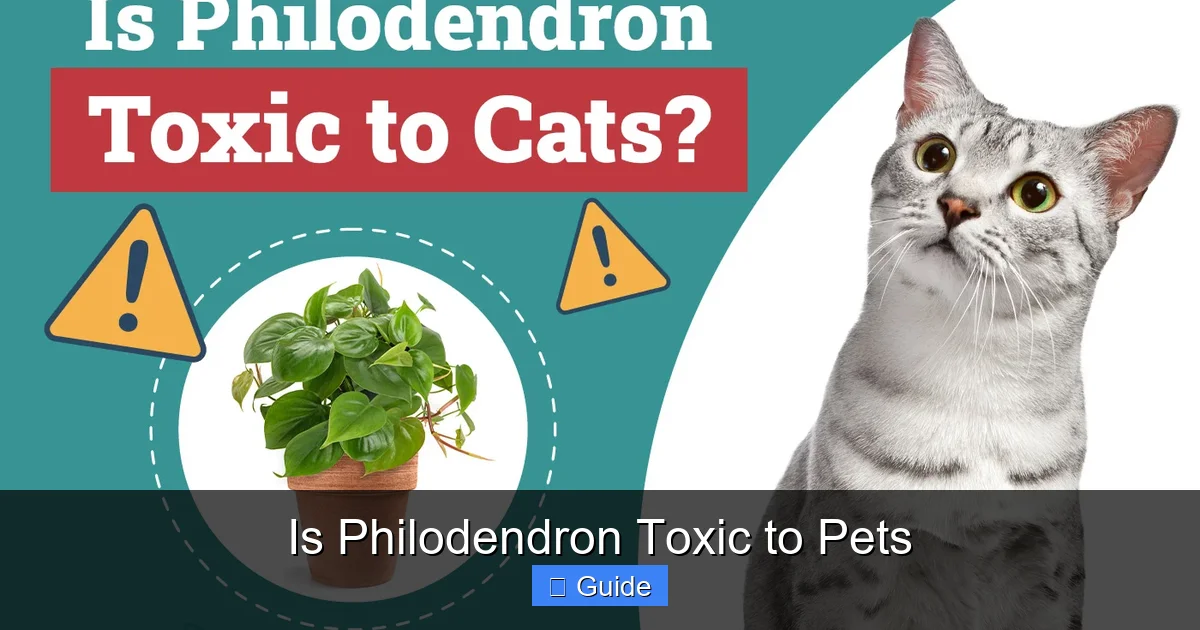
Is Philodendron Toxic to Pets
Philodendron plants contain calcium oxalate crystals that make them toxic to pets. Ingestion can cause drooling, vomiting, and oral irritation in cats and dogs. Quick action and vet care reduce serious risk.
If you love houseplants, you have probably heard the question: is philodendron toxic to pets? The short answer is yes. Philodendron toxic to pets because the leaves and stems contain calcium oxalate crystals. These tiny needles irritate the mouth, throat, and stomach of cats and dogs. Knowing the facts can keep your furry friends safe.
Many plant owners keep philodendron for its heart‑shaped leaves and easy care. But the same traits that make it popular also make it a hazard. When a curious cat nibbles a leaf, the crystals embed in the soft tissue. The result is pain, drooling, and sometimes vomiting. Understanding the risk helps you decide where to place the plant or whether to replace it.
Key Takeaways
- Calcium oxalate crystals: These needle‑shaped crystals cause immediate mouth pain when chewed.
- Common symptoms: Drooling, pawing at the mouth, vomiting, and difficulty swallowing appear within minutes.
- Severity varies: Small bites may cause mild irritation; large amounts can lead to airway swelling.
- First aid matters: Rinse the mouth with water and call a veterinarian right away.
- Prevention is key: Keep philodendron out of reach or choose non‑toxic houseplants.
- Safe alternatives: Spider plant, Boston fern, and parlor palm are pet‑friendly options.
- Long‑term monitoring: Watch for delayed gastrointestinal upset after the initial episode.
Quick Answers to Common Questions
Is philodendron toxic to pets if only a small leaf is eaten?
Yes, even a small piece can cause drooling and mouth irritation because the crystals are present in every part of the plant.
What should I do immediately after my cat chews philodendron?
Rinse the mouth with water, do not induce vomiting, and call your veterinarian for guidance.
Can dogs develop breathing problems from philodendron toxic to pets?
In severe cases, throat swelling can obstruct airflow, so any sign of labored breathing requires emergency care.
Are there any philodendron varieties that are safe for pets?
No, all philodendron species contain calcium oxalate crystals and are considered toxic to pets.
How long does recovery take after philodendron poisoning?
Mild cases usually resolve within a few days with supportive care; severe cases may need a week or more and veterinary follow‑up.
📑 Table of Contents
What Makes Philodendron Toxic to Pets
Calcium Oxalate Crystals Explained
Philodendron toxic to pets because every part of the plant stores calcium oxalate. These crystals are microscopic but sharp. When a pet chews a leaf, the crystals pierce the lining of the mouth. The body reacts with inflammation and excessive saliva. This reaction is the first sign that something is wrong.
Why Cats and Dogs Are Affected
Cats and dogs explore the world with their mouths. A dangling vine looks like a toy. The texture of philodendron leaves is appealing to chew. Because the crystals are not destroyed by saliva, they stay active until they are flushed out. That is why even a small bite can cause noticeable discomfort.
Other Plant Parts That Pose Risk
Stems, roots, and even the sap contain the same crystals. If a pet digs in the soil and pulls up a root, exposure can happen. The sap can also irritate skin if it contacts a wound. Keeping the entire plant out of reach is the safest approach.
Common Symptoms of Philodendron Poisoning
Immediate Oral Signs
The first thing you may notice is intense drooling. Your pet may paw at the mouth or shake the head. The lips and tongue can look swollen or red. These signs appear within minutes of chewing philodendron toxic to pets.
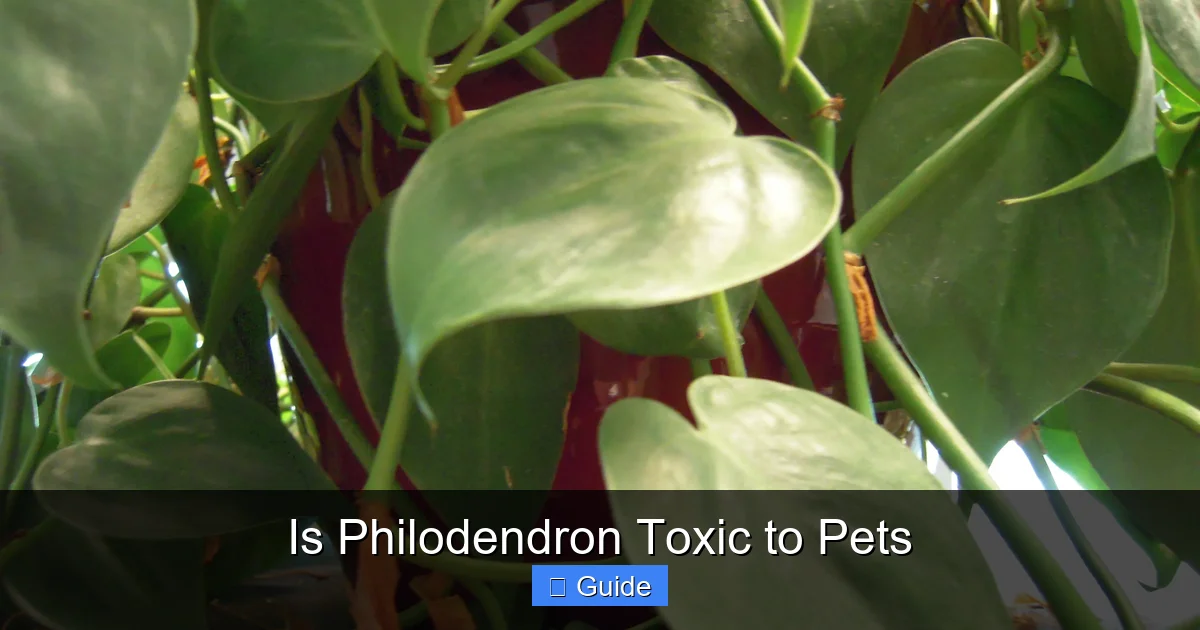
Visual guide about Is Philodendron Toxic to Pets
Image source: petpoisonhelpline.com
Gastrointestinal Upset
Vomiting often follows the oral irritation. The stomach tries to expel the irritant. Diarrhea can develop later as the crystals move through the intestines. Loss of appetite is common for a day or two.
Respiratory Concerns
In severe cases, swelling can extend to the throat. This makes breathing difficult. You may hear wheezing or see the pet breathing with an open mouth. This is an emergency that needs veterinary care immediately.
Behavioral Changes
Pain can make a normally playful pet withdrawn. Hiding, lethargy, or reluctance to eat are red flags. If you see any of these after possible exposure, treat it as a potential philodendron toxic to pets incident.
How Much Philodendron Is Dangerous
Size of the Bite Matters
A single nibble may cause only mild drooling. A larger mouthful increases the number of crystals entering the tissue. The more crystals, the stronger the reaction. There is no safe amount; any ingestion warrants observation.
Species Sensitivity
Cats tend to be more sensitive because they groom frequently. Dogs may swallow larger pieces, which can cause blockage in addition to irritation. Both species can suffer serious effects from philodendron toxic to pets.
Repeated Exposure
If a pet returns to the plant day after day, the cumulative irritation can worsen. Chronic exposure may lead to persistent oral ulcers. Removing the plant stops the cycle.
Immediate Steps If Your Pet Eats Philodendron
Rinse the Mouth
Offer fresh water and encourage your pet to drink. Gently wipe the lips with a damp cloth. Do not force water into the throat; let the pet swallow naturally. This helps flush out loose crystals.
Do Not Induce Vomiting
Unlike some toxins, inducing vomiting can push crystals deeper into the esophagus. The sharp edges can cause more damage on the way up. Let the veterinarian decide if vomiting is needed.
Call Your Veterinarian
Describe what happened, how much was eaten, and the symptoms you see. The vet may recommend an antihistamine, pain relief, or a visit for observation. Early professional advice improves outcomes for philodendron toxic to pets cases.
Monitor Closely
Watch for worsening swelling, difficulty breathing, or persistent vomiting. Keep a log of times and symptoms. This information helps the vet assess severity.
Long‑Term Care and Recovery
Dietary Adjustments
Offer soft, bland food for a day or two. Boiled chicken and rice are gentle on an irritated stomach. Avoid dry kibble that may scratch healing tissue.
Follow‑Up Veterinary Visits
If the vet prescribes medication, give the full course. A recheck may be needed to ensure no secondary infection develops. Healing usually completes within a week for mild cases.
Prevent Future Incidents
Move philodendron to a high shelf or a room your pet cannot enter. Use deterrent sprays on the leaves if relocation is not possible. Consistent prevention stops repeat philodendron toxic to pets episodes.
Pet‑Safe Alternatives to Philodendron
Spider Plant
Spider plant is non‑toxic, easy to grow, and produces cute baby plantlets. Cats often enjoy batting the arching leaves without harm.
Boston Fern
Boston fern adds lush greenery and thrives in humidity. It is safe for both cats and dogs, making it a great bathroom plant.
Parlor Palm
Parlor palm tolerates low light and requires minimal water. Its feathery fronds are completely pet‑friendly.
Areca Palm
Areca palm brings a tropical feel and is listed as non‑toxic by the ASPCA. It also helps purify indoor air.
Calathea
Calathea varieties display striking leaf patterns. They prefer indirect light and are safe for curious pets.
Peperomia
Peperomia comes in many shapes and colors. It stays compact, perfect for shelves, and poses no toxicity risk.
Choosing any of these alternatives lets you enjoy greenery without worrying about philodendron toxic to pets. Your home stays beautiful and your pets stay healthy.
Final Thoughts on Philodendron Toxic to Pets
Philodendron toxic to pets is a real concern for any pet owner who loves houseplants. The calcium oxalate crystals cause rapid oral pain and can lead to more serious complications if large amounts are swallowed. Recognizing the symptoms early, rinsing the mouth, and contacting a veterinarian are the most important steps you can take. Prevention is even better: keep the plant out of reach or swap it for a pet‑safe option. With a little planning, you can have a thriving indoor garden and a safe environment for your four‑legged family members.
Frequently Asked Questions
What makes philodendron toxic to pets?
Philodendron contains calcium oxalate crystals that embed in the mouth and throat, causing pain, swelling, and irritation.
Can philodendron toxic to pets cause death?
Death is rare but possible if severe airway swelling occurs and is not treated promptly.
How can I tell if my pet ate philodendron?
Look for sudden drooling, pawing at the mouth, vomiting, or difficulty swallowing shortly after the plant was accessible.
Is it safe to keep philodendron in a hanging basket out of reach?
Hanging baskets reduce risk, but determined pets may still reach them; the safest option is to choose a non‑toxic plant.
What are the best pet‑safe houseplants for low light?
Parlor palm, snake plant, and ZZ plant thrive in low light and are non‑toxic to cats and dogs.
Should I induce vomiting if my dog eats philodendron?
No, inducing vomiting can push sharp crystals further down the esophagus; contact your vet instead.