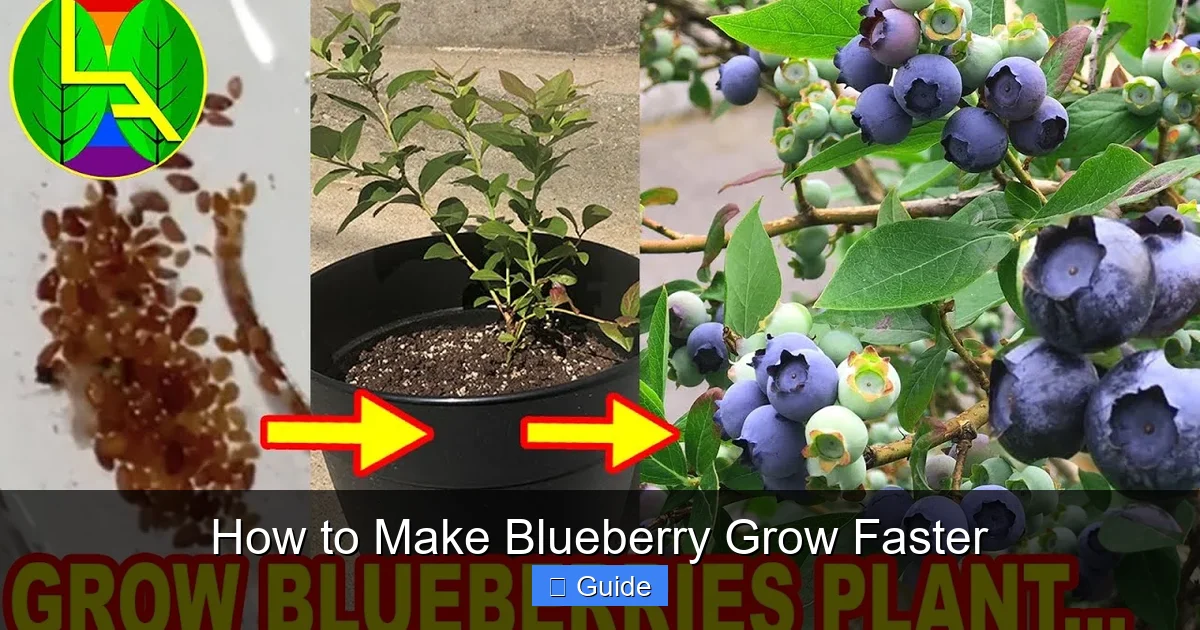
How to Make Blueberry Grow Faster
Want bigger berries sooner? This guide reveals proven techniques to accelerate blueberry growth, from selecting fast-maturing varieties and perfecting acidic soil to mastering watering schedules and strategic pruning. Follow these steps and enjoy a bountiful harvest in record time.
Growing blueberries can feel like a test of patience. You plant them, you wait, you water, and you wonder when those sweet, plump berries will finally appear. If you have ever asked yourself how to make blueberry grow faster, you are not alone. Many gardeners want to speed up the process without sacrificing plant health or fruit quality. The good news is that you can absolutely encourage quicker establishment and earlier harvests. It comes down to understanding what these plants truly need and giving it to them consistently.
Blueberries are not difficult to grow, but they are particular. They demand acidic soil, consistent moisture, and the right nutrients at the right time. When you meet these needs perfectly, the plants respond with vigorous growth. When you miss the mark, they sulk. This guide walks you through every lever you can pull to accelerate growth. From the moment you select a variety to the day you pick your first bowl of berries, every decision matters. Let us dive into the strategies that actually work.
Key Takeaways
- Choose the right variety: Select early-ripening, vigorous cultivars like ‘Duke’ or ‘Patriot’ for faster fruit production.
- Perfect your soil pH: Maintain 4.5 to 5.5 pH with peat moss, sulfur, and regular testing for optimal nutrient uptake.
- Water consistently: Provide 1 to 2 inches weekly using drip irrigation to keep shallow roots evenly moist.
- Prune strategically: Remove old canes annually to stimulate vigorous new growth and larger berries.
- Fertilize correctly: Use acid-loving fertilizers in split applications from spring through early summer.
- Mulch heavily: Apply 3 to 4 inches of pine bark or sawdust to conserve moisture and suppress weeds.
- Ensure cross-pollination: Plant at least two compatible varieties for better fruit set and bigger yields.
Quick Answers to Common Questions
How long does it take for a blueberry bush to produce fruit?
Most blueberry bushes produce a small crop in their second year and reach full production by year 4 to 6. Removing first-year flowers accelerates this timeline.
What is the best fertilizer for faster blueberry growth?
Ammonium sulfate or a specialized acid-loving plant fertilizer applied in three split doses from bud break to early summer provides steady nutrition without raising soil pH.
Can I grow blueberries in containers for faster results?
Yes, containers allow complete control over soil pH and drainage, often resulting in faster establishment than planting in poorly suited native soil.
How much sun do blueberries need to grow fast?
Blueberries need at least 6 to 8 hours of direct sunlight daily for maximum growth speed and fruit production. More sun equals faster growth and sweeter berries.
Why are my blueberry leaves turning yellow with green veins?
This is iron chlorosis caused by high soil pH. Test your soil and apply elemental sulfur to lower pH to 4.5 to 5.5. Use chelated iron foliar spray for a quick green-up.
📑 Table of Contents
- Understanding Blueberry Growth Basics
- Choosing the Right Variety for Speed
- Preparing Perfect Soil Conditions
- Planting Techniques for Faster Establishment
- Essential Care Practices for Rapid Growth
- Troubleshooting Slow Growth Issues
- Advanced Techniques for Maximum Speed
- Seasonal Calendar for Fast Growth
- Conclusion
Understanding Blueberry Growth Basics
Before you can speed things up, you need to know how blueberries grow naturally. These plants are perennials with a unique root system. They lack root hairs, which are the tiny extensions that help most plants absorb water and nutrients. Instead, blueberries rely on a fine, fibrous root network that sits shallow in the soil. This makes them extremely sensitive to drought, compaction, and pH fluctuations.
The Three Growth Phases
Blueberry bushes move through three distinct phases. The first is the establishment phase. This lasts roughly one to two years after planting. The plant focuses energy on root development and cane formation. You will see little fruit during this time. The second phase is the rapid growth phase. Canes elongate quickly, and the bush fills out. Fruit production increases significantly. The third phase is maturity. The plant reaches its full size, usually 4 to 6 feet tall for highbush types. Annual pruning maintains a balance of young, productive wood.
Understanding these phases helps you set realistic expectations. You cannot rush biology entirely, but you can optimize every phase. The goal of learning how to make blueberry grow faster is really about removing bottlenecks. You want to shorten the establishment phase and maximize the rapid growth phase.
Why Speed Matters
Faster growth means earlier returns on your investment. It means fresh berries for your family sooner. It also means a larger plant that can withstand pests, diseases, and weather stress better than a stunted one. A vigorous bush recovers from winter damage faster. It produces more flower buds. It shades out weeds naturally. Speed is not just about impatience. It is about building a resilient, productive plant for decades of harvests.
Choosing the Right Variety for Speed
Not all blueberries grow at the same pace. Variety selection is the single biggest factor in how quickly you see results. Some cultivars are naturally more vigorous. Others are bred for early ripening. Some tolerate less-than-perfect conditions better than others. Picking the right one for your climate and goals sets the ceiling for speed.
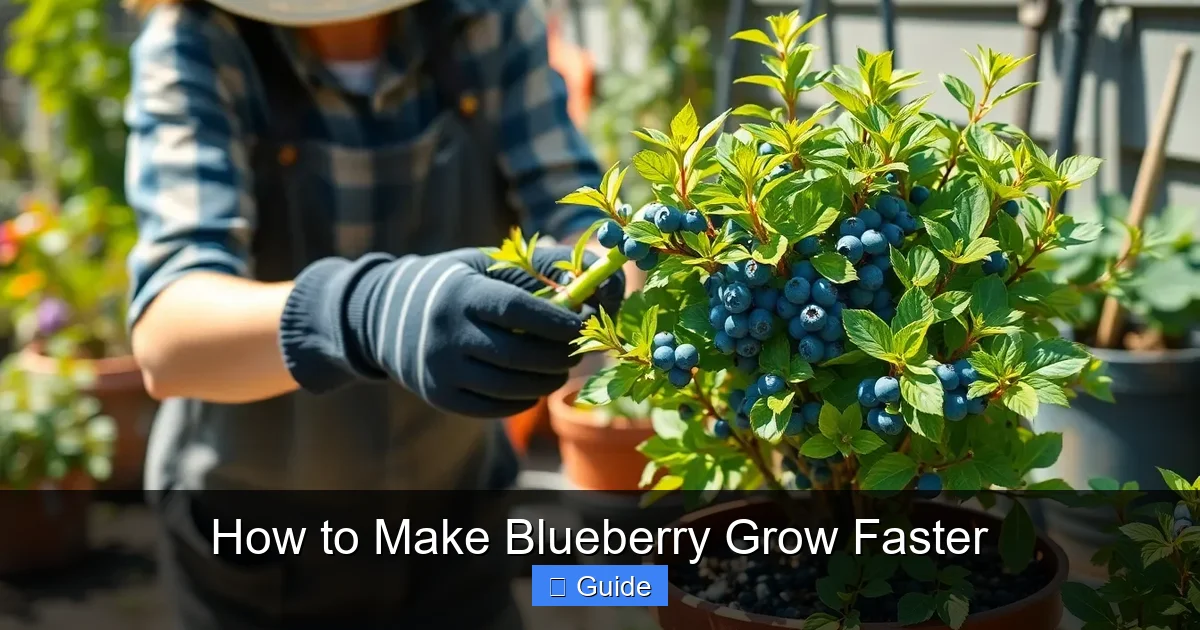
Visual guide about How to Make Blueberry Grow Faster
Image source: floramood.com
Highbush vs. Rabbiteye vs. Lowbush
Highbush blueberries (Vaccinium corymbosum) are the most common for home gardens. They grow upright, reach 4 to 6 feet, and produce large berries. Northern highbush types need 800 to 1,000 chill hours. Southern highbush types need only 150 to 500 chill hours and handle heat better. Rabbiteye blueberries (Vaccinium virgatum) are native to the Southeast. They are tougher, more drought-tolerant, and can reach 10 to 15 feet unpruned. They often grow faster in hot climates. Lowbush blueberries (Vaccinium angustifolium) are ground-hugging, wild types. They spread by rhizomes but are slow to establish from nursery plants.
For most gardeners asking how to make blueberry grow faster, northern or southern highbush varieties offer the best balance of speed, size, and fruit quality. Rabbiteye is the speed champion in zones 7 to 9.
Fast-Growing Cultivars to Consider
Certain varieties have a reputation for vigor. ‘Duke’ is an early-season northern highbush that establishes quickly and crops heavily young. ‘Patriot’ is cold-hardy, vigorous, and produces large fruit early. ‘Legacy’ is a southern highbush known for rapid growth and exceptional flavor. ‘O’Neal’ ripens very early and grows fast in mild winters. For rabbiteye, ‘Climax’ and ‘Premier’ are vigorous early producers. ‘Brightwell’ and ‘Tifblue’ follow close behind.
Buy two- or three-year-old container plants rather than bare-root whips. Older plants have a head start on root development. They will fruit a year sooner. Look for plants with multiple canes and a well-developed root ball. Avoid root-bound specimens with circling roots.
Pollination Partners Boost Yield Speed
Blueberries are partially self-fertile, but cross-pollination dramatically increases fruit set, berry size, and ripening speed. Plant at least two varieties that bloom at the same time. Check bloom charts from your nursery. Early-season varieties pollinate early-season varieties. Mid-season with mid-season. This single step can increase your harvest volume by 20 to 30 percent in the first fruiting years.
Preparing Perfect Soil Conditions
If there is one secret to how to make blueberry grow faster, it is soil preparation. Blueberries evolved in acidic, organic-rich, well-drained soils. They cannot thrive in typical garden soil. Most garden soils range from 6.0 to 7.5 pH. Blueberries need 4.5 to 5.5. At higher pH, iron and manganese become unavailable. The plants turn yellow, stunt, and eventually die. You must fix the soil before you plant.
Test First, Amend Second
Never guess your pH. Buy a reliable soil test kit or send a sample to your local extension office. Test the exact planting area. If your pH is above 5.5, you need to lower it. Elemental sulfur is the standard amendment. It works slowly, taking 3 to 6 months to fully react. Apply it in the fall for spring planting. For a pH drop of 1 point in sandy soil, use roughly 1 pound of sulfur per 100 square feet. In clay, use 2 pounds. Always follow your soil test recommendations.
Build the Ideal Planting Mix
Blueberries hate heavy clay and pure sand. They want a loose, moisture-retentive, acidic medium. The classic recipe is 50 percent peat moss, 30 percent pine bark fines, and 20 percent native soil (if your native soil is not heavy clay). If you have clay, skip the native soil. Use 50 percent peat moss and 50 percent pine bark fines. This mix drains instantly but holds water like a sponge. It mimics the forest floor where blueberries evolved.
Dig a hole twice as wide as the root ball and just as deep. Backfill with your custom mix. Do not add fertilizer to the planting hole. It burns tender roots. Do not add compost or manure. They are often too alkaline and salty. Stick to peat and bark.
Raised Beds and Containers for Total Control
If your native soil is alkaline clay, consider raised beds or large containers. A raised bed 12 to 18 inches deep filled with the peat-bark mix gives you instant perfect conditions. Containers allow you to move plants for optimal sun and winter protection. Use 15- to 20-gallon pots. Ensure excellent drainage. This approach eliminates the years-long battle to acidify heavy soil. It is the fastest route to healthy growth in difficult areas.
Planting Techniques for Faster Establishment
How you plant determines how quickly the roots explore their new home. A few simple techniques at planting time pay dividends for years. The goal is to eliminate air gaps, ensure root-to-soil contact, and prevent the planting hole from becoming a water trap.
Timing Your Planting
Fall planting is ideal in zones 6 and warmer. The soil is warm, encouraging root growth before winter. The plant enters spring with an established root system. In zones 5 and colder, early spring planting is safer. Plant as soon as the ground can be worked. Avoid planting during hot, dry summer weather. Heat stress on a new transplant sets growth back weeks.
The Planting Process Step by Step
Water the plant thoroughly in its pot an hour before planting. Gently remove it. If roots are circling, tease them outward with your fingers. Make four vertical slices 1 inch deep down the root ball if it is severely root-bound. This stimulates new outward growth. Place the plant in the hole. The top of the root ball should sit 1 inch above the surrounding soil. Blueberries settle. Planting high prevents water from pooling at the crown.
Backfill with your prepared mix. Firm gently with your hands. Do not stomp. Create a shallow berm 12 inches from the base to hold water. Water deeply immediately after planting. Apply 3 to 4 inches of mulch. Keep mulch 2 inches away from the canes to prevent rot.
First-Year Flower Removal
This is hard but essential. Remove all flower buds in the first spring. Pinch them off or rub them off with your fingers. Do not let the plant fruit. Fruiting diverts energy from root and cane growth. A plant that fruits in year one will be smaller and weaker in year three. A plant that waits until year two will surpass it quickly. This is a core principle of how to make blueberry grow faster. Sacrifice the first tiny crop for a much larger second crop.
Essential Care Practices for Rapid Growth
Once planted, consistent care keeps the momentum going. Blueberries do not tolerate neglect. They need a steady supply of water, nutrients, and protection from competition. This section covers the daily and seasonal practices that drive speed.
Watering: The Non-Negotiable Factor
Blueberry roots sit in the top 12 inches of soil. They dry out fast. Inconsistent watering causes stress, reduces cell expansion, and slows growth. The fastest-growing bushes never experience drought stress. Aim for 1 to 2 inches of water per week from rain or irrigation. Increase to 2 to 3 inches during fruit swell in summer.
Drip irrigation is superior to overhead watering. It keeps foliage dry, reducing disease. It delivers water directly to the root zone. Run it daily or every other day in hot weather. Use a timer. Mulch heavily to reduce evaporation. Pine bark, pine needles, or aged sawdust are best. They break down slowly and maintain acidity. Avoid hardwood mulch or straw. They can raise pH over time.
Fertilization Schedule for Speed
Blueberries are light feeders but need specific nutrients. Use a fertilizer formulated for acid-loving plants. Look for ammonium sulfate or urea as the nitrogen source. Avoid nitrate-based fertilizers. They raise soil pH. Apply in three split doses: at bud break, at petal fall, and 6 weeks later. Do not fertilize after early July. Late nitrogen promotes tender growth that winter kills.
For a mature bush, apply 1 ounce of ammonium sulfate per year of age, up to 8 ounces max. Split this into the three applications. For young plants, use half rates. Always water before and after fertilizing. Organic options include feather meal, cottonseed meal, or specialized blueberry blends. They work slower but build soil health.
Annual Pruning for Vigor
Pruning is not just for shape. It directly controls growth rate and fruit quality. Unpruned bushes become dense thickets of weak, unproductive wood. Light penetration drops. Disease pressure rises. Berry size shrinks. Proper pruning stimulates strong new canes from the base. These new canes are the engine of fast growth.
Prune in late winter while dormant. Remove all dead, damaged, or diseased wood. Remove low, spreading branches. Remove any cane older than 5 to 6 years. They are thick, gray, and peeling. Keep 6 to 8 vigorous canes of varying ages (1 to 4 years old). Thin the center for light and air. This opens the bush, reduces disease, and directs energy to the best wood.
Weed Management Without Root Damage
Weeds compete fiercely for water and nutrients. Because blueberry roots are shallow, you cannot hoe or cultivate deeply. Hand-pull weeds when small. Maintain that 3 to 4 inch mulch layer. It suppresses 90 percent of weeds. Landscape fabric under mulch adds extra protection. Never use string trimmers near the base. They girdle canes instantly. Glyphosate drift kills blueberries. Use cardboard or shielded sprayers if you must use herbicide.
Troubleshooting Slow Growth Issues
Even with perfect planning, things go wrong. Recognizing problems early and correcting them fast minimizes lost time. This section covers the most common reasons blueberries stall and how to fix them.
Yellow Leaves: The pH Alarm
Interveinal chlorosis (yellow leaves with green veins) on new growth screams high pH. The plant cannot access iron. Test soil immediately. If pH is above 5.5, apply elemental sulfur at the drip line. Water it in. For a faster fix, use chelated iron foliar spray. It greens up leaves in days while sulfur works on the soil. Do not use iron sulfate. It can burn roots if overapplied.
Stunted Growth: Check Drainage
If the plant just sits there, not growing, not dying, check drainage. Dig a small hole 12 inches deep near the plant. Fill with water. If it does not drain in 2 hours, you have a drainage problem. Roots are suffocating. Solutions include: raising the bed higher, installing a French drain, or transplanting to a container. Wet feet kill blueberry speed faster than anything except high pH.
Pest and Disease Setbacks
Spotted wing drosophila, blueberry maggot, and birds steal fruit. Mummy berry, botrytis, and phomopsis blight damage canes and flowers. Scout weekly. Use netting for birds. Apply organic sprays (spinosad for insects, sulfur or copper for fungi) at labeled timings. Remove and destroy mummified berries. Prune out infected canes. Healthy, fast-growing plants resist pests better. Stress invites attack.
Winter Damage Recovery
In cold zones, winter can kill flower buds and cane tips. Wait until bud break to assess. Prune back to live wood. The plant will push new growth from lower buds. It may fruit less that year but will recover fast if roots are healthy. Mulch heavily in late fall. Consider burlap windbreaks for exposed sites. Snow cover is the best insulator. If you get reliable snow, you need less mulch.
Advanced Techniques for Maximum Speed
If you have mastered the basics and want to push further, these advanced techniques can shave months off your timeline. They require more effort but deliver measurable results for the dedicated grower.
Mycorrhizal Inoculation
Blueberries form symbiotic relationships with ericoid mycorrhizal fungi. These fungi extend the root system’s reach, accessing water and nutrients in exchange for plant sugars. Inoculating at planting with a blueberry-specific mycorrhizal product can accelerate establishment by 20 to 30 percent. Look for products containing Rhizoscyphus ericae or Oidiodendron species. Apply directly to the root ball at planting.
Foliar Feeding for Rapid Correction
Foliar sprays bypass soil issues. Nutrients enter leaves directly. Use a kelp extract or fish hydrolysate monthly during active growth. Add chelated iron if pH is borderline. Spray early morning or late evening. Wet the undersides of leaves. This supplements soil fertility and can boost growth during critical windows like post-harvest bud set.
Trellising and Support Systems
Heavy crops bend canes to the ground. Fruit touches soil, rots, or gets eaten. Trellising keeps canes upright. It improves light penetration and air flow. It makes harvesting faster. A simple T-trellis with two wires at 3 and 5 feet works well. Tie canes loosely with horticultural tape. This is especially valuable for vigorous rabbiteye varieties that grow tall and limber.
Renewal Pruning for Old Bushes
If you inherit an old, neglected patch, you can rejuvenate it. Cut the entire bush to 6 to 12 inches in late winter. It will regrow vigorously from the crown. You lose one to two years of production but gain a young, productive plant. This is faster than trying to selectively prune a mess. Fertilize and water heavily after renewal. The regrowth is astonishing.
Seasonal Calendar for Fast Growth
Timing your tasks with the plant’s natural cycle maximizes efficiency. Here is a month-by-month guide for a typical northern climate. Adjust for your zone.
Late Winter (February to March)
- Prune while dormant
- Apply dormant oil if scale insects were present
- Check mulch depth, replenish if needed
- Order fertilizer and supplies
Early Spring (April)
- Apply first fertilizer split at bud break
- Remove flower buds on first-year plants
- Scout for mummy berry cups, remove if seen
- Start drip irrigation as soil warms
Late Spring (May)
- Apply second fertilizer split at petal fall
- Install bird netting before fruit colors
- Monitor for spotted wing drosophila traps
- Weed and mulch gaps
Summer (June to July)
- Harvest daily for best quality
- Apply third fertilizer split 6 weeks after petal fall
- Water heavily during fruit swell
- Remove any diseased fruit immediately
Late Summer (August)
- Stop fertilizing
- Reduce watering slightly to harden growth
- Scout for next year’s flower buds forming
- Apply foliar kelp for bud development
Fall (September to October)
- Soil test and apply sulfur if needed
- Plant new bushes (ideal time)
- Refresh mulch to 4 inches for winter
- Remove fallen fruit and leaves
Early Winter (November to January)
- Apply burlap screens if windy exposed site
- Check rodent guards on young trunks
- Plan next year’s varieties
- Rest and enjoy your jam
Conclusion
Learning how to make blueberry grow faster is not about finding a magic shortcut. It is about removing every obstacle between the plant and its genetic potential. You start with the right variety for your zone. You build the soil they evolved to love. You plant with care and patience. You water like clockwork. You feed with precision. You prune with purpose. You protect from pests and weather.
Each practice alone helps. Together, they compound. A bush in perfect soil, with consistent water, proper nutrition, and annual pruning will outgrow a neglected bush by years. You will see fruit in year two instead of year four. You will pick quarts instead of pints. The effort you invest upfront pays dividends for 20 to 30 years. Blueberries are a long game. Play it well from day one.
Start with a soil test this week. Order your plants for the optimal planting window. Prepare your beds. The sooner you begin, the sooner you harvest. There is nothing quite like walking into your garden in July, bowl in hand, picking sun-warmed berries from bushes you nurtured from the start. That first taste makes every bit of preparation worth it. Happy growing.
Frequently Asked Questions
What is the fastest growing blueberry variety?
Rabbiteye varieties like ‘Climax’ and ‘Premier’ grow fastest in warm climates (zones 7-9). In cooler zones, ‘Duke’ and ‘Patriot’ northern highbush varieties establish quickly and fruit early.
Can I use coffee grounds to acidify soil for blueberries?
Used coffee grounds are mildly acidic and add organic matter, but they are not strong enough to significantly lower soil pH on their own. Use elemental sulfur for reliable pH adjustment.
Should I prune blueberry bushes the first year?
No, do not prune the first year except to remove broken branches. Let the plant establish its root system. Begin annual pruning in the second winter after planting.
How often should I water blueberry plants for fast growth?
Water blueberries 1 to 2 inches per week, increasing to 2 to 3 inches during fruit swell. Daily drip irrigation is ideal. Never let the shallow root zone dry out completely.
Do blueberries need a pollinator to produce fruit?
Most blueberries are self-fertile but produce significantly more and larger fruit with cross-pollination from a different variety that blooms at the same time. Plant at least two varieties.
When is the best time to plant blueberries for fastest establishment?
Fall planting (October to November) is best in zones 6 and warmer, allowing root growth before winter. In zones 5 and colder, early spring planting (March to April) is safer to avoid winter kill.