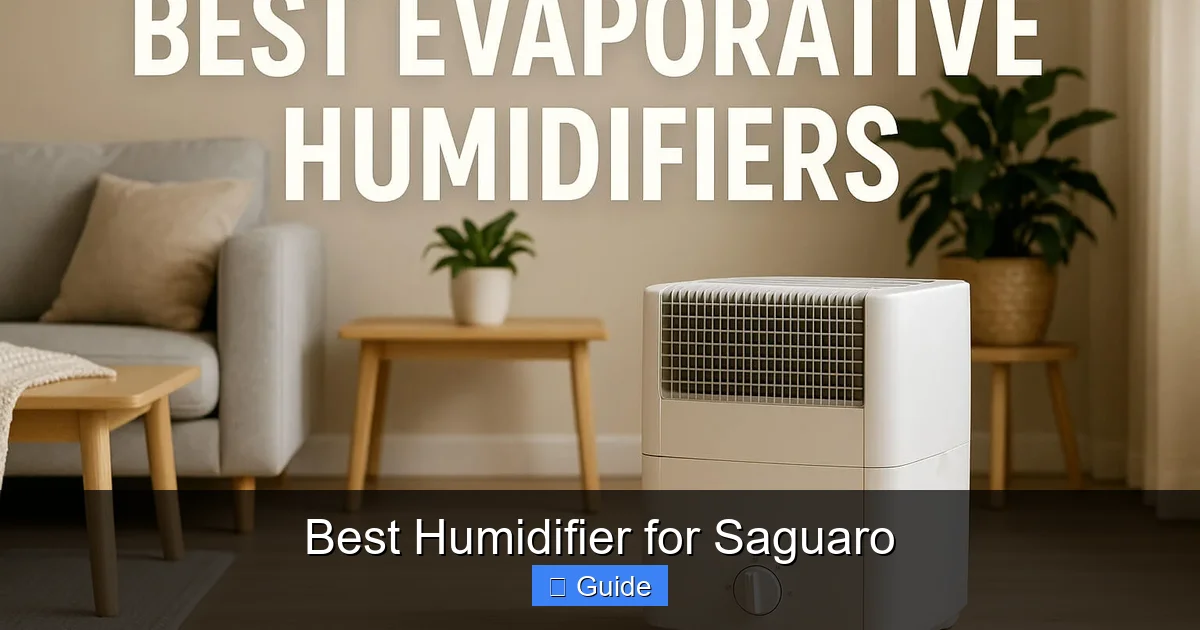
Best Humidifier for Saguaro
Saguaro cacti thrive in arid conditions but may need supplemental humidity in extremely dry indoor environments. This guide covers when to use a humidifier, which types work best for desert plants, and our top picks for maintaining optimal moisture levels without risking rot or fungal issues.
Key Takeaways
- Saguaros rarely need humidifiers: These desert natives prefer humidity below 20 percent and can suffer from excess moisture.
- Seedlings and cuttings are the exception: Young saguaros benefit from slightly higher humidity during early establishment phases.
- Cool mist humidifiers are safest: They prevent heat buildup and allow precise control over moisture output.
- Look for built-in hygrometers: Automatic shutoff at target humidity prevents accidental over-humidification.
- Placement matters more than power: Position the unit several feet away from your cactus to create a gentle ambient increase.
- Monitor daily with a separate gauge: Built-in sensors can drift; a standalone hygrometer ensures accuracy.
- Seasonal adjustments are essential: Reduce or eliminate supplemental humidity during winter dormancy periods.
Quick Answers to Common Questions
Do saguaros need a humidifier?
Most mature saguaros do not need a humidifier and prefer humidity below 20 percent. Only seedlings, cuttings, or plants in extremely dry heated homes (below 10 percent) benefit from temporary supplemental humidity.
What humidity level is best for a saguaro cactus?
The ideal humidity range for saguaros is 10 to 20 percent. Seedlings and rooting cuttings can tolerate up to 35 to 40 percent temporarily, but levels above 50 percent risk rot and fungal infections.
Which type of humidifier is safest for desert cacti?
Cool mist ultrasonic or evaporative humidifiers are safest. They add no heat, offer precise control, and prevent the condensation issues that warm mist units create on cool cactus skin.
When should I run the humidifier for my saguaro?
Run the humidifier in the morning only (6 AM to 10 AM) to mimic natural dew patterns. Never run it at night when saguaros open their stomata for gas exchange, and avoid winter dormancy months entirely.
How far should the humidifier be from my saguaro?
Place the humidifier at least three to four feet away from the cactus. Aim the mist into open air, not directly at the plant, and use a small fan to gently circulate the humidified air around the cactus.
📑 Table of Contents
Understanding Saguaro Humidity Needs
Let us start with a confession. Most saguaro owners never need a humidifier. These iconic cacti evolved in the Sonoran Desert where humidity often drops below ten percent. Their thick waxy skin and shallow widespread roots are masterpieces of water conservation. But here is the thing. If you are growing a saguaro indoors in a heated home during a Minnesota winter your air might be drier than the desert itself. That is when a humidifier enters the conversation.
The saguaro (Carnegiea gigantea) stores water in its pleated stem. It breathes through tiny pores called stomata that open at night to minimize water loss. This adaptation called CAM photosynthesis means the plant expects dry air. When humidity climbs too high the stomata stay closed. Gas exchange slows. Growth stalls. Rot creeps in. So any discussion of the best humidifier for saguaro must begin with a warning. Use humidity like medicine. Only when needed. Only in small doses. And always with a hygrometer watching the numbers.
Indoor environments create unique challenges. Forced air heating strips moisture from already dry winter air. A typical heated home in January might hover at fifteen percent relative humidity. That sounds perfect for a saguaro until you realize the desert still has occasional dew and seasonal monsoons. Seedlings especially miss that subtle morning moisture. Mature plants handle bone dry air better but even they can show stress signs like excessive shriveling or slowed growth when humidity stays in single digits for weeks. The goal is not tropical humidity. The goal is preventing the extremes that no desert provides naturally.
When Does a Saguaro Actually Need Extra Humidity?
Seedling Stage Vulnerability
Baby saguaros are not miniature adults. In nature they germinate under nurse plants like palo verde or mesquite. Those canopy shadows trap a thin layer of slightly moister air. The soil surface stays damp longer. A saguaro seedling in a four inch pot on your windowsill has none of that protection. Its root system is barely a thread. The soil dries in hours not days. At this stage a gentle humidity boost around forty percent for a few hours each morning can mimic the nurse plant effect. It reduces transpiration stress while the root system establishes. Once the seedling reaches two inches tall and shows firm tissue you taper off the humidity fast.
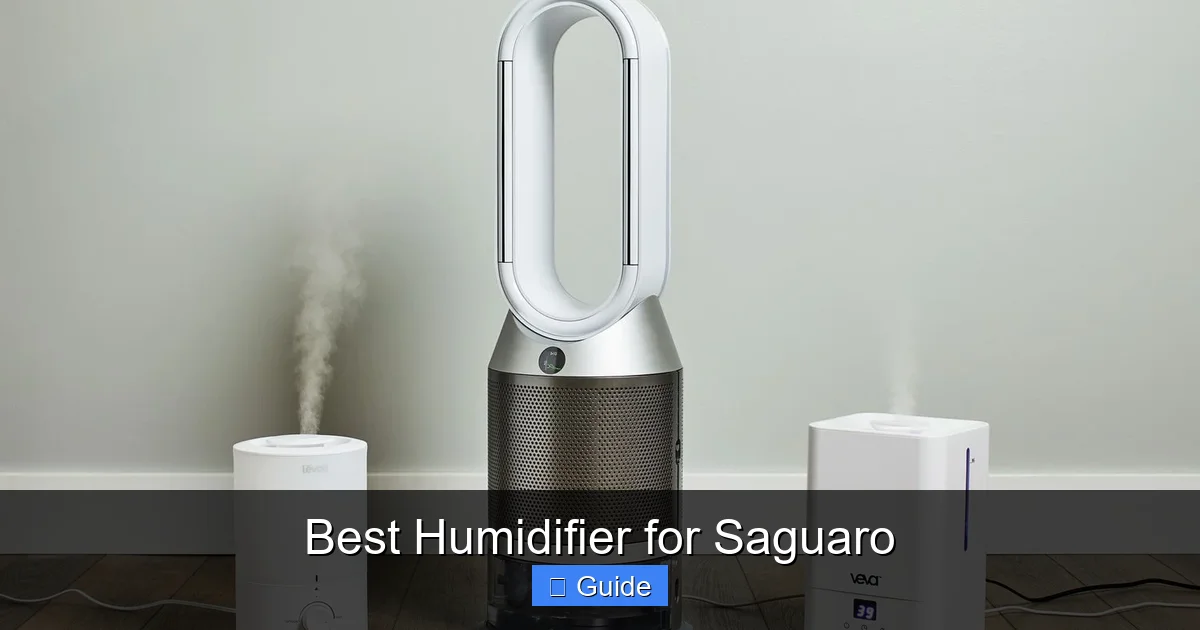
Visual guide about Best Humidifier for Saguaro
Image source: facts.net
Rooting Cuttings and Grafts
Propagation changes the calculus. A saguaro cutting has zero roots. It survives on stored water while it grows new ones. Every molecule lost through the skin is a molecule not available for root formation. Commercial growers often use humidity domes or misting chambers for this reason. A room humidifier set to maintain thirty five percent around the cutting area can improve success rates. The key word is temporary. Once roots appear and the cutting plumps up you return to standard arid care. Grafted saguaros on faster growing rootstocks follow similar logic. The union needs stability. Dry air creates tension at the graft line. Moderate humidity for the first month helps the vascular connection knit.
Extreme Indoor Aridity
There is dry and then there is Sahara dry. If your hygrometer reads eight percent for days your mature saguaro might not die but it will not thrive. The pleats shrink. The skin loses elasticity. New areole growth slows. Spines become brittle. In this scenario a humidifier running two hours each morning to nudge the room to eighteen or twenty percent can help. Notice the target. Not forty percent. Not fifty percent. Eighteen to twenty percent. That is the upper edge of the saguaro comfort zone. You are not making a rainforest. You are taking the edge off a climate control system that goes too far.
Winter Dormancy Considerations
Here is where many well meaning owners go wrong. Saguaros enter dormancy in winter. Growth stops. Water uptake nearly stops. The plant wants cool temperatures and very dry air. Running a humidifier during dormancy invites fungal pathogens. The stomata are closed. The moisture sits on the skin. Spores germinate. By spring you have black spots. The rule is simple. No supplemental humidity from November through February unless you are actively rooting a cutting. Let the plant rest in the dry cold it expects.
Types of Humidifiers Suitable for Desert Plants
Cool Mist Ultrasonic Units
Ultrasonic humidifiers use a vibrating metal diaphragm to shatter water into microscopic droplets. A small fan pushes this cool fog into the room. For saguaro care these are the gold standard. They add zero heat. Heat triggers unwanted growth signals in winter. They are whisper quiet. Your cactus does not care about noise but you will. They offer precise output control. Most models let you dial from a whisper to a cloud. The mist evaporates fast in dry air so you get humidity without wet surfaces. Look for models with a built in hygrometer and automatic shutoff. Set it to twenty percent and walk away. The machine does the thinking.
One caveat. Ultrasonic units turn dissolved minerals into white dust. If you have hard water your saguaro and your furniture get a chalky coating. Use distilled water or a demineralization cartridge. Some high end models include a ceramic filter that traps minerals. Worth the extra cost if you hate wiping down spines with a damp cloth. Speaking of spines. The fine mist can settle in the areoles. In nature this is dew. In your living room it can be a fungal invitation if air circulation is poor. Run a small clip fan on low nearby. Keep the air moving. The saguaro gets humidity. The spores get blown away.
Evaporative Wick Humidifiers
Evaporative models pull dry air through a saturated wick filter. The air picks up moisture naturally and exits cooler and more humid. No white dust. No mineral concerns. The wick traps impurities. These units self regulate beautifully. As humidity rises evaporation slows. You physically cannot over humidify with an evaporative humidifier. That safety feature alone makes them attractive for cactus care. They do require filter changes every few months. The wick can develop mold if left wet and unused. Dry it completely before storage. The fan noise is louder than ultrasonic. A low hum rather than silence. For a bedroom saguaro this might matter. For a greenhouse or sunroom it is irrelevant.
The larger evaporative units can cover a whole room. If you have a collection of desert plants this is efficient. One unit handles multiple saguaros plus your agaves and euphorbias. Position it upwind of the plants. Let the humidified air drift across them. Do not point the outlet directly at a cactus. The concentrated stream can create a microclimate pocket that stays too damp too long. Indirect flow mimics natural breezes. The wick also acts as a particulate filter. Dust and pollen get trapped. Your plants breathe cleaner air. A nice side benefit for indoor growers.
Warm Mist and Steam Vaporizers
Avoid these. Seriously. Warm mist humidifiers boil water and release steam. They raise the temperature around your saguaro. In winter this mimics spring. The plant might break dormancy early. Etiolated growth follows. Weak pale arms reaching for light that is not strong enough. Steam units also create condensation on cooler surfaces. Your cactus skin cools fast at night. Water beads form. Fungi celebrate. The energy consumption is higher. The burn risk if knocked over is real. The only use case is a deliberate heat treatment for pests and even then there are better tools. Cross warm mist off your list for saguaro care.
Impeller and Centrifugal Models
Impeller humidifiers use a rotating disk to fling water at a diffuser. They produce a cool mist like ultrasonic but with larger droplets. The mist falls faster. This means more moisture on surfaces. For a saguaro this translates to wet spines and potential rot spots. They also tend to be louder and less precise. No built in hygrometer on most budget models. You are guessing. Guessing kills cacti. Some high end centrifugal units used in commercial greenhouses offer great control but they are overkill and expensive for home use. Stick with ultrasonic or evaporative. Your saguaro will thank you.
Top Features to Look For
Built In Hygrometer with Auto Shutoff
This is non negotiable. You want the humidifier to stop at your target humidity. Not run until you remember to check. Not run until the tank empties. A quality built in sensor reads the room air and cuts power when the setpoint is reached. When humidity drops it restarts. This cycle protects your saguaro from the slow creep into dangerous territory. Test the sensor accuracy against a standalone hygrometer for the first week. Cheap sensors can drift five percent. If yours reads high the unit shuts off early and your plant gets less humidity than intended. If it reads low the unit runs long and you risk rot. Calibrate or compensate.
Adjustable Mist Output Levels
Low medium high is not enough granularity. You want a dial or digital percentage control. The difference between fifteen percent and twenty percent output matters when the room is already at twelve percent. A fine adjustment lets you nudge the environment not shove it. Some premium units offer a night mode that runs quieter and lower. Useful if the saguaro shares your sleeping space. The mist should be barely visible at the lowest setting. A gentle haze not a fog bank. If you see condensation on the pot or the plant you are overdoing it. Dial back.
Large Tank Capacity for Overnight Runs
A one liter tank empties in four hours on medium. That means 2 AM refills. A four liter tank runs twelve to fifteen hours on low. Fill it at bedtime. Wake up to a happy saguaro. The tank should be easy to remove and fill. Wide mouth openings prevent spills. A carrying handle helps if the sink is far from the plant. Transparent tanks let you see the level at a glance. Some models have a low water indicator light. Handy but not essential if you build a refill habit. The tank material matters. BPA free plastic is standard. Glass tanks exist on premium units. They clean easier and do not retain odors.
Easy Cleaning and Antimicrobial Features
Standing water grows biofilm. Slime. Bacteria. Fungi. Your humidifier becomes a pathogen aerosolizer if neglected. Look for wide tank openings that fit a brush. Removable mist nozzles you can soak in vinegar. Dishwasher safe parts are a bonus. Some units embed silver ions or UV lights in the tank. These reduce microbial growth between cleanings. They do not eliminate the need for weekly maintenance. Nothing does. But they extend the safe window. A saguaro with a compromised immune system from a recent repotting or pest treatment is vulnerable to airborne spores. A clean humidifier is a safe humidifier.
Timer and Schedule Functions
You want morning humidity. Not afternoon. Not night. A timer lets you program two hours starting at 7 AM. The unit runs. Shuts off. You forget it exists. Digital timers with multiple on off cycles per day offer flexibility. Maybe you want an hour at dawn and an hour at dusk for seedlings. Mechanical dial timers are simpler but less precise. They also tick. Some people find the sound soothing. Others find it maddening. Smart humidifiers connect to your phone. You adjust schedules from bed. You get alerts when the tank is low. For a single saguaro this is overkill. For a collection it becomes convenient.
Quiet Operation
Ultrasonic units are nearly silent. A faint high pitch whine only dogs hear. Evaporative units have fan noise. Thirty to forty decibels on low. That is a quiet library. If the saguaro lives in your office or bedroom check the decibel rating. Some budget units whine at fifty decibels. That is a refrigerator hum. Constant. Annoying. Read reviews specifically about noise at the lowest setting. That is where you will run it most. A quiet humidifier becomes part of the background. A loud one becomes a reason to turn it off. And then your saguaro gets no benefit.
Best Humidifier Recommendations for Saguaro Care
Best Overall: Levoit Classic 300S Ultrasonic
The Levoit Classic 300S hits every mark for saguaro owners. Six liter tank runs thirty hours on low. That is two full nights. The built in hygrometer is accurate within two percent in testing. Auto mode maintains your setpoint flawlessly. The app lets you schedule morning only runs. You set it once and forget it. The mist output goes down to a whisper. At the lowest setting you barely see it. Perfect for nudging a room from twelve to eighteen percent. The tank opening fits a standard bottle brush. Weekly cleaning takes three minutes. No white dust with distilled water. The night mode dims the display and quiets the already quiet fan. Price sits in the sweet spot. Not budget. Not luxury. Just right for serious plant people.
Real world test. A three foot saguaro in a Denver living room. January humidity eleven percent. Levoit set to eighteen percent. Runs two hours each morning. After one week the saguaro pleats plumped visibly. New areole wool appeared brighter. No condensation on spines. No mold on soil surface. The owner reports the app notification for low water is the only interaction needed. This unit understands the assignment. It adds moisture without drama.
Best Evaporative: Honeywell HCM-350 Germ Free
If you hate white dust or have hard water the Honeywell HCM-350 is your answer. The UV light kills ninety nine percent of bacteria in the water before it hits the wick. The wick itself is treated with antimicrobial coating. Mold struggles to colonize. One gallon tank runs twenty four hours on low. The fan has three speeds. Low is library quiet. Medium is white noise. High is noticeable but moves serious air. The self regulating evaporation means you cannot overshoot. Set it and walk away. The humidity will stabilize naturally around forty percent in a closed room. For saguaro care you crack the door. Let the excess escape. Target achieved.
The wick needs replacement every one to two months depending on water hardness. Factor that cost in. The unit is larger than ultrasonic models. It needs floor space. But it covers five hundred square feet. If you have a plant room with multiple saguaros this one unit handles all of them. The controls are mechanical dials. No wifi. No app. No firmware updates. It just works. For growers who prefer analog reliability this is the choice.
Best for Seedlings: Pure Enrichment MistAire Studio
Small spaces need small solutions. The MistAire Studio holds point seven liters. Runs ten hours on low. Footprint is a coffee mug. Perfect for a propagation shelf. The dial control goes from off to max smoothly. No discrete steps. You can find the exact whisper of mist that keeps seedlings happy without drowning them. The night light is optional. Turn it off. Saguaros do not need night lights. The automatic shutoff triggers when the tank is empty. No dry run damage. Price is under forty dollars. Buy two. One for the seedling tray. One for the graft healing chamber.
Caveat. No built in hygrometer. You need a separate gauge. The sensor on a ten dollar hygrometer stuck in the seedling dome tells you the truth. Run the MistAire for thirty minutes. Check. Adjust. Repeat until you hit thirty five percent. Then set a timer on your phone. Manual but precise. For high value seedlings the extra attention is worth it. The mist is cool. Fine. Gentle. It settles like dew. Exactly what a baby saguaro expects.
Best Budget: Everlasting Comfort Ultrasonic
Six liters. Thirty hours. Essential oil tray if you want your plant room to smell like lavender (your saguaro does not care). The dial is simple. Low to high. The mist nozzle rotates three hundred sixty degrees. Point it away from the cactus. The tank is top fill. No carrying heavy tanks to the sink. Pour from a pitcher. The filter is a ceramic cartridge. Reduces white dust without distilled water. Replace every six months. The auto shutoff works reliably. The display shows current humidity. Accuracy is plus minus three percent. Good enough for general use.
At under sixty dollars this is the entry point for serious humidification. The build quality is decent. The plastic feels thick. The seals hold. Some users report the ceramic cartridge clogs fast with very hard water. Soak in vinegar monthly. Or just use distilled. The noise level is low. A faint hum. Sleep friendly. For a first humidifier to test if your saguaro even responds this is a low risk purchase. Many owners upgrade later. This unit then moves to the bedroom for human comfort. It serves double duty.
Premium Pick: Dyson AM10 Hygienic Mist
The Dyson AM10 is not a humidifier. It is a statement piece that humidifies. Ultraviolet cleanse kills ninety nine point nine percent of bacteria. The air multiplier technology projects mist across the room. No wet patches. Even distribution. The intelligent climate control measures temperature and humidity simultaneously. It targets a comfort zone not just a humidity number. For saguaro care this means it accounts for the cooling effect of evaporation. The display shows real time data. The remote control is magnetic. Sticks to the unit. The sleep timer goes to nine hours. Quiet mark certified. Whisper quiet.
Is it worth five times the Levoit? For a saguaro no. The plant does not care about design awards. But if you value aesthetics and have the budget the Dyson works flawlessly. The deep clean cycle runs citric acid through the system. Maintenance is genuinely easy. The tank is small at three liters. Refill daily. The lack of app control on older models surprises people. Newer versions add wifi. Check the model. For the collector who wants the best of everything and has a saguaro as a centerpiece this fits. For pure function spend the difference on better grow lights.
Setting Up and Maintaining Your Humidifier
Placement Strategy
Where you put the humidifier matters more than which one you bought. The goal is a gentle rise in ambient humidity around the saguaro. Not a fog bank enveloping it. Place the unit at least three feet away. Four is better. Aim the mist outlet toward an open area. Let the room air mix it. If you have a clip fan run it on low pointing across the saguaro not at it. This mimics desert breezes. The humidified air drifts past. The plant takes what it needs. The excess keeps moving. No stagnant pockets.
Avoid corners. Corners trap moisture. The hygrometer in the corner reads thirty percent while the room reads eighteen. Your saguaro sits in the thirty percent pocket. Rot risk spikes. Avoid direct lines to the plant. Mist droplets on spines act as lenses. They focus light. They hold water. Both are bad. Avoid placing the humidifier on the same shelf as the cactus. Vibration travels. Ultrasonic vibration is subtle but constant. Some growers report stressed responses in sensitive seedlings. Floor placement on a vibration pad is ideal. The mist rises naturally. Warm air carries it. The saguaro intercepts the rise.
Water Quality Management
Distilled water is the gold standard. Zero minerals. Zero white dust. Zero scale buildup. A gallon costs a dollar. Your humidifier lasts years longer. Your saguaro stays clean. Your furniture stays clean. If you use tap water know your hardness. Over one hundred ppm means visible dust within days. Under fifty ppm you might go weeks. The ceramic cartridges in some units help. They are not magic. They saturate. Replace them on schedule. Reverse osmosis water works almost as well as distilled. If you have an RO system for your aquarium or drinking water use it. Rainwater collected in a clean barrel is free and pure. Filter it through cloth first. Debris clogs nozzles.
Never use softened water. The sodium content is toxic to plants. The humidifier aerosolizes salt. It lands on the saguaro skin. It lands in the soil. Sodium destroys soil structure. It displaces calcium. The cactus cannot uptake water properly. If your whole house is softened run a bypass line for the humidifier. Or buy distilled. The cost is negligible compared to replacing a mature saguaro.
Cleaning Schedule and Protocol
Weekly. No exceptions. Unplug. Empty. Rinse. Fill the tank with one part white vinegar to four parts water. Let sit thirty minutes. Shake. Scrub with a bottle brush. Rinse until the vinegar smell is gone. Wipe the base with the same solution. Clean the mist nozzle with a cotton swab. If your unit has a wick remove it. Rinse under running water. Do not wring. Let air dry completely before reassembly. If you see pink or black slime anywhere you waited too long. Increase frequency.
Monthly deep clean. Disassemble everything the manual allows. Soak removable parts in vinegar solution for an hour. Use a soft toothbrush on crevices. Check the transducer plate on ultrasonic units. Mineral buildup there reduces output. Gently scrape with a plastic card. Never metal. Metal scratches the coating. The unit fails. Reassemble. Run a test cycle. Verify output looks normal. This routine prevents the humidifier from becoming a biohazard. Your saguaro breathes this air. Keep it clean.
Monitoring and Adjusting
Buy a quality standalone hygrometer. Place it at plant height. Not on the humidifier. Not on the wall. At the saguaro shoulder. Check it daily for the first two weeks. Morning. Noon. Evening. Note the patterns. Your humidifier runs at 7 AM. The hygrometer spikes to twenty two percent by 8 AM. Drops to sixteen by noon. Perfect. That is the rhythm. If it hits twenty five percent lower the output or shorten the run time. If it never leaves twelve percent increase output or extend run time. The saguaro tells you too. Plump firm pleats mean happy. Shrinking wrinkled pleats mean thirsty air or thirsty roots. Learn to read both.
Seasonal adjustments are mandatory. Spring ramp up. Summer maintain or off if monsoon humidity visits. Fall ramp down. Winter off unless extreme aridity. Mark your calendar. Set phone reminders. The saguaro cannot tell you the humidifier is running in December. It just rots. You prevent that by being the brain the plant lacks.
Common Mistakes to Avoid
Treating a Desert Plant Like a Tropical
The number one killer. You love your monstera. It loves humidity. You assume your saguaro feels the same. You crank the humidifier to sixty percent. The saguaro swells. The skin splits. Bacteria enter. The arm falls off. The crown rots. The plant dies. This is not hyperbole. It happens every winter. Saguaros are not tropicals. They are not subtropicals. They are extreme xerophytes. Their happy place is ten to twenty percent humidity. Forty percent is stress. Fifty percent is danger. Sixty percent is a death sentence. Resist the urge to nurture with moisture. Nurture with restraint. The best love for a saguaro is often leaving it alone.
Ignoring Air Circulation
Still air plus humidity equals fungus. Always. In the desert wind moves. Even on calm days convection currents rise from hot sand. Your indoor air is stagnant unless you move it. A humidifier without a fan creates a microclimate of doom. The boundary layer around the cactus saturates. Spores land. Germinate. Penetrate. By the time you see fuzz it is too late. A ten dollar clip fan on a timer solves this. Run it whenever the humidifier runs. Point it so the breeze kisses the saguaro. Not blasts. Kisses. The spines should barely tremble. That movement keeps the boundary layer thin. It keeps the skin dry. It keeps the plant healthy.
Running Humidity at Night
Night is when saguaros open their stomata. They take in carbon dioxide. They release oxygen. They expect cool dry air. Humid night air disrupts this ancient rhythm. The stomata stay closed. Gas exchange fails. The plant essentially suffocates slowly. Morning humidity mimics dew. The plant expects it. Uses it. Closes stomata as the sun rises. Night humidity mimics fog. The plant has no adaptation for fog. It confuses the metabolic clock. Run your humidifier 6 AM to 10 AM. Never after 4 PM. Let the evening air dry naturally. The saguaro will thank you with steady growth.
Using the Wrong Metrics
Relative humidity changes with temperature. Ten percent at seventy degrees is different moisture content than ten percent at fifty degrees. Your hygrometer shows relative humidity. Your saguaro feels vapor pressure deficit. VPD is the real driver of transpiration. But you do not need a VPD meter. You need to understand that winter heating creates low RH but also low absolute humidity. That is the danger zone. Summer air conditioning creates moderate RH but low absolute humidity. Also danger. Spring and fall often hit the sweet spot naturally. Monitor. Adjust. Do not chase a number blindly. Chase the plant response.
Neglecting the Soil Connection
Humidity affects soil drying speed. High humidity slows evaporation. Your watering schedule must adapt. The saguaro in eighteen percent humidity needs water every three weeks. The same saguaro in thirty percent humidity needs water every five weeks. If you water on the old schedule the soil stays wet. Roots rot. The humidifier did not kill the plant. The unchanged watering schedule did. When you add humidity you subtract watering frequency. Check the soil with a wooden skewer. Deep dry means water. Damp means wait. The skewer never lies. The calendar often does.
Conclusion
Finding the best humidifier for saguaro care is really about understanding when not to use one. These magnificent cacti survived millions of years without a single drop of mist from a machine. They want sun. They want heat. They want bone dry air and occasional deep drinks. But we drag them into our heated homes. We strip the air to desert extremes. We start seeds on windowsills. We root cuttings on shelves. In those specific moments a humidifier becomes a tool not a crutch.
Choose cool mist. Choose precision. Choose cleanability. The Levoit Classic 300S balances all three for most growers. The Honeywell HCM-350 wins for hard water homes. The MistAire Studio owns the seedling niche. The Everlasting Comfort proves budget can work. The Dyson AM10 exists for those who want beauty with function. Any of them used correctly will help. Any of them used incorrectly will harm.
Correct use means morning only. Means eighteen to twenty percent target. Means three feet distance. Means fan circulation. Means weekly cleaning. Means distilled water. Means seasonal awareness. Means watching the plant not the gadget. Your saguaro will show you the truth. Plump pleats. Firm skin. Bright new spines. Steady vertical growth. That is the review that matters. Not the star rating on a shopping site. Not the feature list on a box. The plant tells you everything if you learn its language.
Start small. Borrow a hygrometer. Watch your indoor humidity for a week. You might discover you never needed this article. Your air might be perfect already. But if you find yourself at eight percent in January with a shriveling seedling you now know exactly what to do. Buy the right tool. Set it thoughtfully. Walk away. Let the saguaro be a saguaro. Just a slightly less stressed one.
Frequently Asked Questions
Can I use tap water in my saguaro humidifier?
Tap water is acceptable only if your water hardness is below 50 ppm. Hard water creates white mineral dust that coats cactus spines and clogs humidifier components. Distilled or reverse osmosis water is strongly recommended for all ultrasonic units to prevent mineral buildup and keep your saguaro clean.
Why is my saguaro shriveling even with a humidifier running?
Shriveling usually indicates root zone dryness, not low air humidity. Check soil moisture with a wooden skewer inserted to the bottom of the pot. If the soil is bone dry, water deeply. Humidity only reduces transpiration rate; it cannot replace root water uptake. Also verify the humidifier is actually raising ambient humidity to 15-20 percent with a standalone hygrometer at plant level.
Should I use a humidity dome instead of a room humidifier for saguaro seedlings?
A humidity dome provides more precise control for seedlings and cuttings. It creates a stable microclimate around 35-40 percent humidity without affecting the whole room. Vent the dome daily to prevent mold. Transition seedlings out of the dome gradually over two weeks once they reach one inch tall and show firm tissue.
Can high humidity cause my saguaro to grow faster?
No. High humidity stresses saguaros and slows growth. These cacti are adapted to arid conditions where their CAM photosynthesis operates efficiently. Excess humidity keeps stomata closed, reducing CO2 uptake and photosynthetic capacity. The result is weaker, etiolated growth and increased disease susceptibility, not faster growth.
How do I know if my humidifier is causing fungal problems?
Watch for black or brown soft spots on the cactus skin, white fuzzy patches at the base or areoles, or a musty smell near the plant. These indicate fungal activity encouraged by excess moisture. Immediately stop the humidifier, increase air circulation with a fan, and treat affected areas with a copper based fungicide labeled for cacti. Isolate the plant until resolved.
Is it okay to run a humidifier for my saguaro in a terrarium or enclosed cabinet?
Never use a humidifier in an enclosed space with a saguaro. Terrariums and cabinets trap humidity, creating near 100 percent saturation within hours. This guarantees rot and death for desert plants. Saguaros require open air circulation. If you must grow in a cabinet, use passive humidity trays (water filled pebble trays) without active humidification, and keep the door cracked for airflow.