Parsley Pest Problems and Solutions
Parsley pest problems and solutions can be managed easily with early detection and natural controls. This guide walks you through the most common bugs, signs of damage, and step‑by‑step organic remedies to keep your parsley thriving.
Growing parsley at home is rewarding, but parsley pest problems and solutions can feel overwhelming when tiny invaders appear. The good news is that most issues are easy to spot and fix with a little knowledge. In this guide we share practical steps you can take today.
We start by learning which insects commonly attack parsley. Then we show you how to read the warning signs on leaves and stems. Next we cover prevention tactics that make your garden less inviting to bugs. After that we dive into organic sprays and homemade remedies that work without harming beneficial insects. Finally we discuss ongoing care that keeps parsley productive all season.
Whether you grow parsley in containers, raised beds, or a traditional row, the same principles apply. Let’s get started.
Key Takeaways
- Identify pests early: Regular scouting catches problems before they spread.
- Know the usual suspects: Aphids, spider mites, leaf miners, and caterpillars love parsley.
- Use cultural controls first: Proper spacing, crop rotation, and clean beds reduce pressure.
- Apply organic sprays wisely: Neem oil, insecticidal soap, and homemade garlic spray work well.
- Encourage beneficial insects: Lady beetles, lacewings, and parasitic wasps keep pest numbers low.
- Monitor after treatment: Re‑check plants weekly to confirm control and prevent resurgence.
- Plan for season‑long health: Mulching, watering at soil level, and timely harvest extend plant vigor.
Quick Answers to Common Questions
What are the most common pests on parsley?
Aphids, spider mites, leaf miners, caterpillars, and whiteflies are the top offenders.
How can I tell if spider mites are present?
Look for fine webbing on leaf undersides and a stippled, yellow appearance on foliage.
Is neem oil safe for beneficial insects?
Neem oil has low toxicity to lady beetles and lacewings when applied at recommended rates and during cool hours.
When should I use row covers?
Use row covers early in the season to exclude flying pests; remove them during flowering if pollination is needed.
How often should I rotate organic sprays?
Rotate modes of action every 2‑3 applications to prevent resistance buildup.
📑 Table of Contents
Identify Common Parsley Pests
Aphids
Aphids are small, soft‑bodied insects that cluster on new growth. They suck sap and leave a sticky honeydew that attracts ants. You will often see them on the undersides of leaves. A strong blast of water can dislodge many of them.
Spider Mites
Spider mites are barely visible to the naked eye. They create fine webbing on leaf undersides and cause a stippled, yellow look. Hot, dry weather encourages them. Increasing humidity around plants helps suppress populations.
Leaf Miners
Leaf miners lay eggs inside leaf tissue. The larvae tunnel between the upper and lower surfaces, leaving winding white trails. Affected leaves eventually turn brown and drop. Removing mined leaves early stops the cycle.
Caterpillars and Loopers
Various caterpillars, including the parsleyworm, chew large holes in foliage. They are often green and blend with the plant. Hand‑picking at dusk is effective because they are more active then.
Whiteflies
Whiteflies flutter up when you disturb the plant. They feed on sap and can transmit viruses. Yellow sticky traps placed near the canopy catch adults and reduce numbers.
Recognize Signs of Infestation
Visual Clues on Leaves
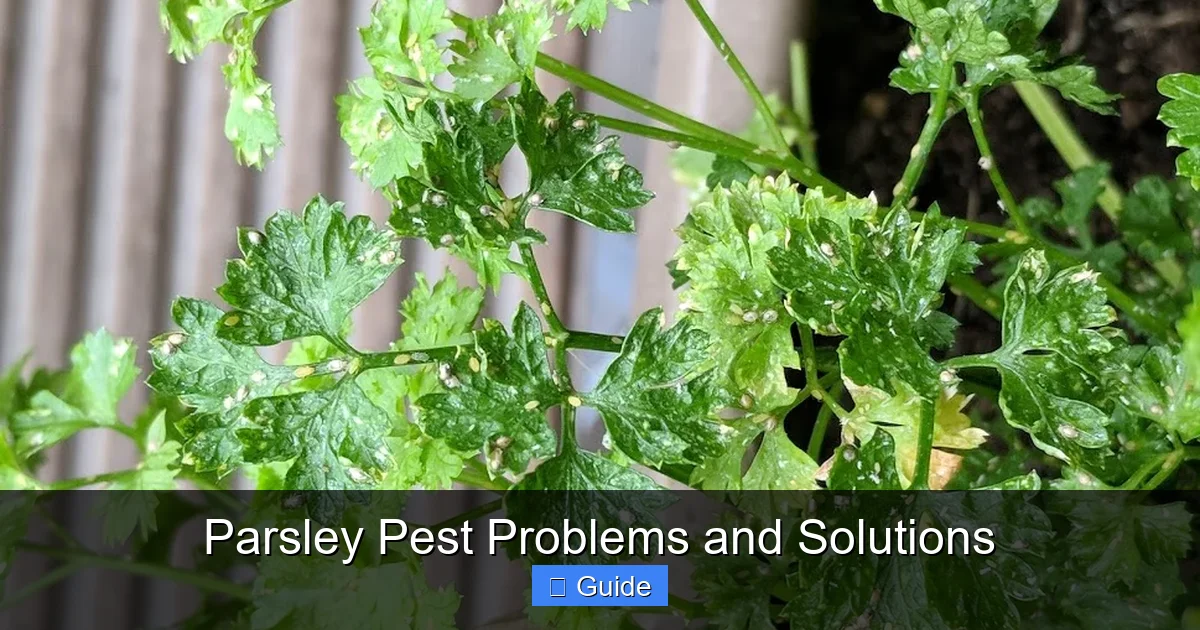
Look for curled, yellowed, or speckled leaves. Aphid colonies appear as tiny green, black, or pink dots. Spider mite damage shows as a fine, dusty stippling. Leaf miner trails are unmistakable white lines.
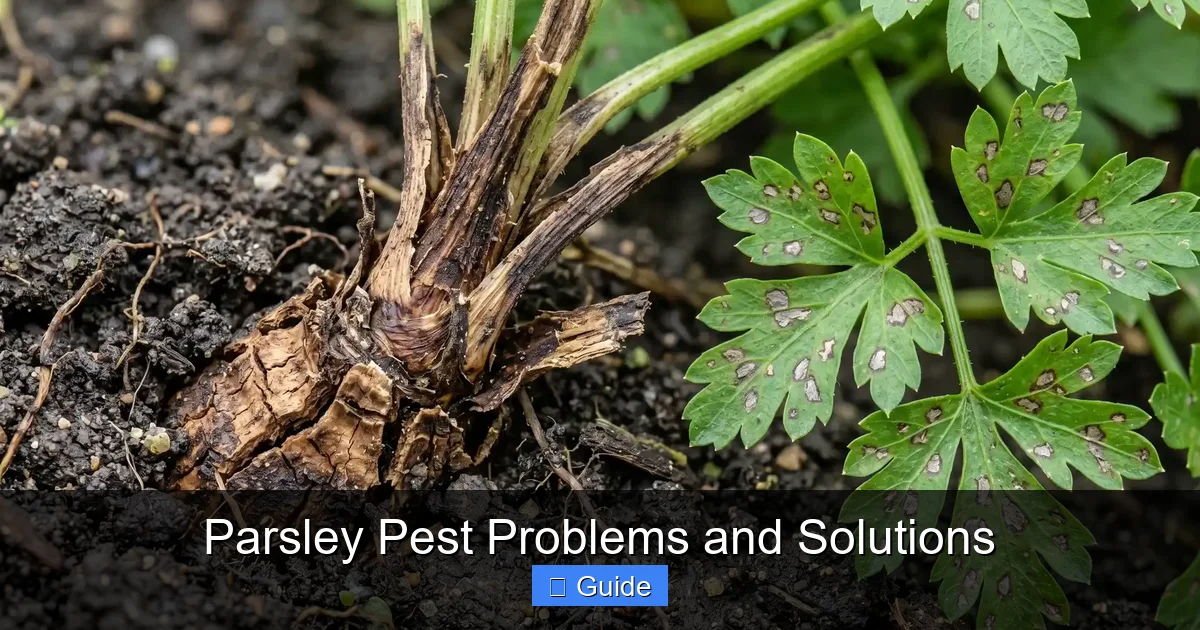
Visual guide about Parsley Pest Problems and Solutions
Image source: bloomingexpert.com
Sticky Residue and Sooty Mold
Honeydew from aphids and whiteflies creates a shiny film. Sooty mold grows on this film, turning leaves black. Washing leaves with a gentle soap solution removes both.
Reduced Growth and Flavor
Heavy feeding stresses the plant, leading to smaller leaves and a weaker aroma. If you notice a sudden slowdown, inspect the plant closely for hidden pests.
Presence of Beneficial Insects
Seeing lady beetles, lacewings, or parasitic wasps is a good sign. They often arrive after pest numbers rise. Encourage them by planting nectar‑rich flowers nearby.
Preventive Cultural Practices
Choose Resistant Varieties
Some parsley cultivars show better tolerance to aphids and leaf miners. Ask your local nursery for recommendations suited to your climate.
Rotate Crops Each Year
Parsley belongs to the Apiaceae family. Avoid planting it in the same spot where carrots, celery, or dill grew last season. Rotation breaks pest life cycles.
Space Plants Properly
Crowded foliage creates humid microclimates that favor spider mites and fungal diseases. Aim for 8‑10 inches between plants in rows and 12 inches in containers.
Keep the Garden Clean
Remove plant debris, weeds, and fallen leaves promptly. These harbor overwintering eggs and pupae. A tidy bed reduces the starting population each spring.
Water at Soil Level
Overhead watering wets foliage and encourages mite outbreaks. Use drip irrigation or a soaker hose to keep leaves dry while delivering moisture to roots.
Mulch Wisely
A thin layer of straw or shredded leaves conserves moisture and suppresses weeds. Avoid thick mulch that can hide slugs and cutworms.
Organic Control Methods
Neem Oil Spray
Neem oil disrupts insect feeding and reproduction. Mix 1‑2 teaspoons of cold‑pressed neem oil with a quart of water and a few drops of liquid soap. Spray early morning or late evening to avoid leaf burn.
Insecticidal Soap
Commercial insecticidal soap works on soft‑bodied pests like aphids and whiteflies. Apply thoroughly to leaf undersides. Repeat every 5‑7 days until numbers drop.
Homemade Garlic‑Pepper Spray
Blend 2 cloves garlic, 1 teaspoon cayenne pepper, and 1 quart water. Strain and add a drop of dish soap. This repellent deters many chewing insects and is safe for beneficials.
Beneficial Insect Releases
Purchase lady beetles or lacewing eggs from a reputable supplier. Release them at dusk near infested plants. Provide a shallow water source to keep them around.
Physical Barriers
Floating row covers exclude flying insects while allowing light and rain through. Secure edges with soil or pins. Remove covers during flowering if you need pollinators.
Hand‑Picking and Traps
Inspect plants daily. Remove caterpillars, beetles, and egg clusters by hand. Yellow sticky traps catch whiteflies and adult leaf miners. Replace traps weekly.
When to Use Targeted Treatments
Threshold Levels
Not every bug warrants a spray. A common rule: treat when aphids exceed 10 per leaf or when 20 % of foliage shows miner tunnels. This avoids unnecessary applications.
Timing Applications
Spray early in the morning when temperatures are below 85 °F. This reduces phytotoxicity and protects pollinators that are less active then.
Rotate Modes of Action
Alternate between neem oil, soap, and botanical sprays. Rotating prevents pests from developing resistance to any single product.
Spot‑Treat Only Affected Areas
If only a few plants show damage, treat those individually. Whole‑bed applications waste product and can harm non‑target insects.
Follow Label Instructions
Even organic products have maximum rates and pre‑harvest intervals. Read the label each time you mix a batch.
Maintaining a Healthy Parsley Patch Year‑Round
Seasonal Feeding
Apply a balanced organic fertilizer in early spring and again after the first harvest. Avoid high nitrogen late in the season, which encourages soft growth that pests love.
Successive Plantings
Sow a new batch every 3‑4 weeks. This gives you a continuous supply and spreads pest pressure across multiple age groups.
Harvest Correctly
Cut outer leaves first, leaving the central rosette intact. Regular harvesting stimulates fresh growth and reduces hiding spots for insects.
Overwintering in Mild Climates
In zones 7‑9, parsley can survive winter with a thick mulch. Cover plants with straw after the first hard frost. Remove mulch gradually in spring.
Record Keeping
Note pest sightings, treatment dates, and harvest yields in a garden journal. Patterns emerge over years, helping you anticipate problems before they start.
Community Resources
Join a local gardening club or online forum. Sharing observations with neighbors often reveals regional pest trends you might miss alone.
Conclusion
Managing parsley pest problems and solutions does not require harsh chemicals. By scouting regularly, using cultural controls, and applying targeted organic sprays only when needed, you keep your parsley vibrant and flavorful. Remember that a healthy garden ecosystem does most of the work for you. Happy growing!
Frequently Asked Questions
Can I grow parsley indoors without pest issues?
Indoor parsley still attracts aphids and spider mites, especially in dry air. Regular inspection and a humidifier help keep problems low.
What is the best homemade spray for caterpillars?
A garlic‑pepper spray applied every 5‑7 days deters most chewing caterpillars without harming beneficial insects.
Do companion plants really reduce parsley pests?
Yes, planting dill, fennel, or alyssum nearby attracts predatory insects that naturally suppress parsley pests.
How do I prevent leaf miners from returning next year?
Remove and destroy mined leaves, rotate crops, and apply a light neem oil spray at the first sign of adult flies.
Is it okay to eat parsley after spraying neem oil?
Wait at least 24 hours after the last neem oil application before harvesting, then wash leaves thoroughly.
What should I do if pests persist despite organic treatments?
Re‑evaluate cultural practices, increase beneficial insect releases, and consider a short‑term application of a certified organic pyrethrin product as a last resort.