Plants That Go with Coral Bells
Choosing the right plants that go with coral bells creates a lively, low‑maintenance garden. This guide covers light needs, soil preferences, top companions for shade and sun, color‑mixing ideas, and simple care routines.
Coral bells are a favorite perennial for many gardeners. Their ruffled leaves come in shades of purple, lime, amber, and near black. The plants that go with coral bells can highlight those colors and add texture. A well‑planned mix looks good from spring through fall.
Choosing companions is not just about looks. The right plants that go with coral bells share similar light, soil, and water needs. When needs match, care becomes simple and the garden stays healthy. This guide will walk you through the best options for both shade and sun.
We will cover basic coral bell traits, light and soil preferences, top companion lists, design tips, and maintenance advice. By the end you will know exactly which plants that go with coral bells fit your garden style.
Key Takeaways
- Match light conditions: Pair shade‑loving coral bells with ferns, hostas, and astilbe.
- Consider soil moisture: Choose companions that like well‑drained, moist soil.
- Use foliage contrast: Combine bright coral bell leaves with dark green or silver foliage.
- Plan for seasonal bloom: Select plants that flower at different times for year‑round interest.
- Group by water needs: Water all plants together to simplify maintenance.
- Divide regularly: Divide coral bells and companions every few years to keep vigor.
Quick Answers to Common Questions
What are the best shade companions for coral bells?
Ferns, hostas, astilbe, and bleeding heart thrive in the same low‑light, moist conditions as coral bells.
Can coral bells grow in full sun?
Some newer cultivars tolerate more sun, but they still prefer afternoon shade in hot climates.
How often should I water a mixed bed with coral bells?
Water deeply once a week during dry periods; adjust for rainfall and soil type.
When is the best time to divide coral bells?
Early spring before new growth starts is ideal for division.
Do companion plants need the same fertilizer?
A balanced granular fertilizer applied in early summer works for most companions.
📑 Table of Contents
Understanding Coral Bells (Heuchera) Basics
What Are Coral Bells?
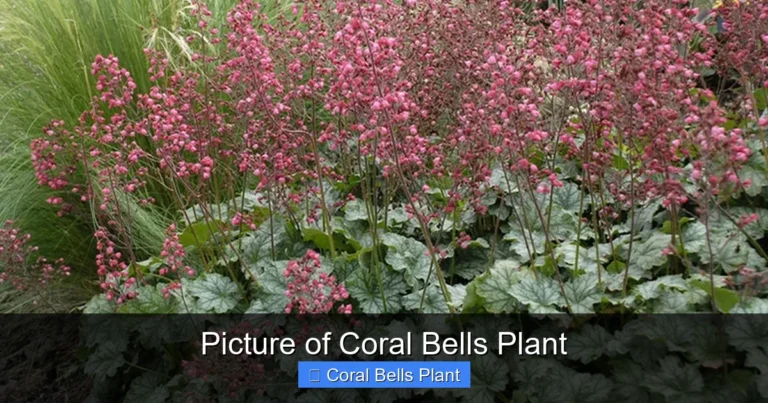
Coral bells belong to the genus Heuchera. They are native to North America. The plants that go with coral bells often share a woodland origin. Coral bells form low mounds of evergreen or semi‑evergreen foliage. Small bell‑shaped flowers rise on thin stems in late spring.
Growth Habit and Foliage Colors
Most varieties reach 12 to 18 inches tall and spread 18 to 24 inches wide. Leaf color ranges from deep burgundy to chartreuse. The plants that go with coral bells can echo or contrast these hues. Some cultivars have ruffled edges that catch light beautifully.
Seasonal Interest
Foliage stays attractive all season in mild climates. In colder zones the leaves may die back but return in spring. The plants that go with coral bells can provide early spring flowers, summer blooms, or fall color. This layered interest keeps the bed lively year round.
Light and Soil Preferences for Companion Plants
Shade Requirements
Coral bells thrive in partial to full shade. The plants that go with coral bells in shade should tolerate low light. Ferns, hostas, and astilbe are classic shade partners. They all prefer moist, well‑drained soil rich in organic matter.
Sun Tolerant Varieties
Some newer coral bell cultivars handle more sun. The plants that go with coral bells in sunnier spots include daylilies, coneflowers, and sedum. These companions need at least six hours of direct light. They also appreciate a bit of afternoon shade in hot climates.
Soil Moisture and Drainage
All coral bells dislike soggy roots. The plants that go with coral bells should like similar drainage. Amend heavy clay with compost or coarse sand. A mulch layer helps keep moisture even and suppresses weeds.
Top Companion Plants for Shade Gardens
Ferns and Hostas
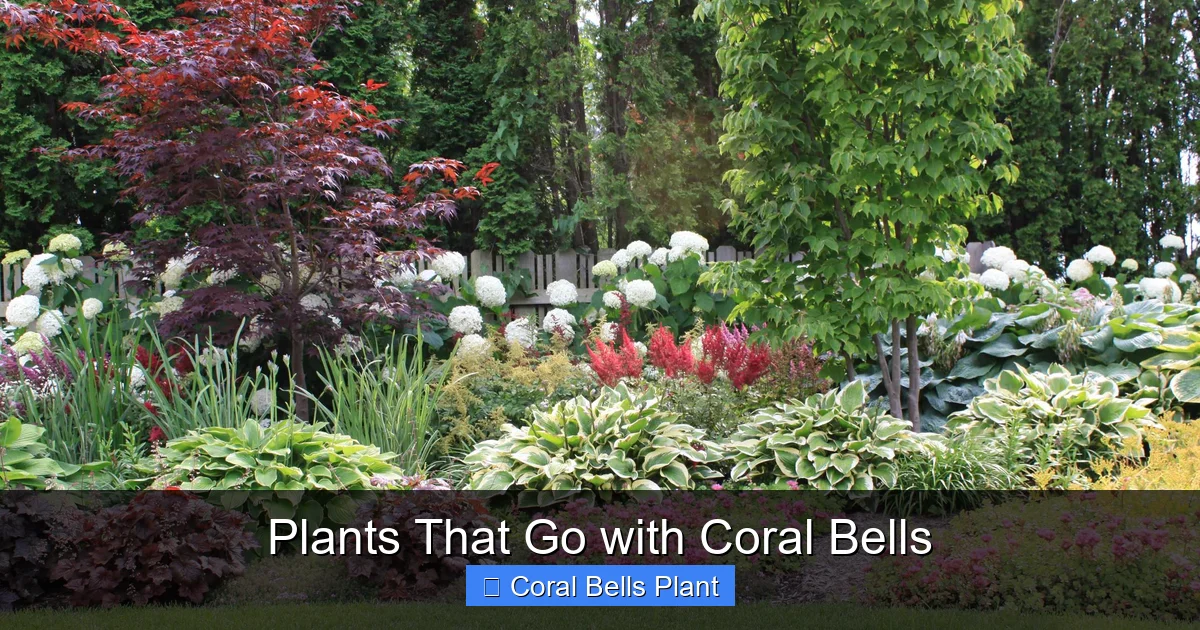
Ferns add delicate fronds that contrast with coral bell ruffles. The plants that go with coral bells such as Japanese painted fern bring silver‑green tones. Hostas provide broad leaves in blue, gold, or variegated patterns. Both groups thrive in the same moist shade.
Astilbe and Bleeding Heart
Astilbe produces feathery plumes in pink, red, or white. The plants that go with coral bells like astilbe bloom early summer, extending color. Bleeding heart offers heart‑shaped flowers in spring. Its arching stems add vertical interest without crowding.
Groundcovers Like Ajuga
Ajuga forms a low carpet of glossy leaves and blue spikes. The plants that go with coral bells such as ajuga fill gaps and suppress weeds. It tolerates foot traffic and stays evergreen in mild winters. This makes maintenance easier.
Top Companion Plants for Sun Gardens
Daylilies and Coneflowers
Daylilies bloom repeatedly and come in many colors. The plants that go with coral bells like daylilies add height and movement. Coneflowers attract pollinators and tolerate heat. Both have deep roots that compete well for water.
Sedum and Ornamental Grasses
Sedum offers succulent foliage and late‑summer flowers. The plants that go with coral bells such as sedum thrive in dry, sunny spots. Ornamental grasses like blue fescue add fine texture. Their movement in breeze adds life to the bed.
Lavender and Salvia
Lavender brings fragrance and silvery leaves. The plants that go with coral bells like lavender prefer lean, well‑drained soil. Salvia spikes provide long‑lasting color in purple, blue, or red. Both are drought tolerant once established.
Designing a Cohesive Color Palette
Matching Foliage Tones
Pick companions that echo the dominant coral bell hue. The plants that go with coral bells in a purple palette might include purple‑leafed heuchera, dark hosta, and burgundy ajuga. Repeating the tone creates harmony.
Contrasting Flower Colors
Use flowers that sit opposite on the color wheel. The plants that go with coral bells with lime foliage look striking beside magenta astilbe or orange daylily. Contrast draws the eye and adds excitement.
Using Repetition for Unity
Repeat a key plant three or more times across the bed. The plants that go with coral bells repeated in groups create rhythm. This technique works in both formal and cottage styles.
Maintenance Tips for a Thriving Mixed Bed
Watering Strategies
Water deeply once a week during dry spells. The plants that go with coral bells share similar moisture needs, so a single schedule works. Use a soaker hose to keep foliage dry and reduce disease.
Mulching and Feeding
Apply two inches of shredded bark each spring. The plants that go with coral bells benefit from the slow‑release nutrients. A balanced granular fertilizer in early summer supports blooms.
Dividing and Pruning
Divide coral bells every three to four years in early spring. The plants that go with coral bells such as hostas and daylilies also respond well to division. Remove spent flower stems to encourage fresh growth.
With the right partners your coral bells will shine. The plants that go with coral bells can turn a simple border into a dynamic tapestry. Start small, observe, and adjust each season. Happy planting!
Frequently Asked Questions
What soil type do coral bells prefer?
Coral bells like well‑drained, humus‑rich soil with a slightly acidic to neutral pH.
Are coral bells deer resistant?
Yes, most coral bells are deer resistant due to their bitter foliage.
Can I grow coral bells in containers?
Absolutely, use a quality potting mix and ensure good drainage.
How do I prevent crown rot?
Plant at the correct depth, avoid soggy soil, and mulch away from the crown.
What pests affect coral bells?
Slugs, snails, and vine weevils are the most common pests.
Do coral bells need deadheading?
Removing spent flower stems keeps the plant tidy and may encourage a second flush.