Caramel Coral Bells Companion Plants
Caramel coral bells companion plants add warm color and soft texture to shady beds. Pair them with ferns, hostas, and heucheras for a layered look that thrives in similar conditions. The result is a low‑maintenance garden that shines all season.
Key Takeaways
- Choose shade‑tolerant partners: Ferns, hostas, and heucheras share the same light needs.
- Match soil moisture: Pick plants that like moist, well‑drained soil.
- Contrast foliage texture: Combine bold leaves with fine fronds for visual interest.
- Plan for seasonal color: Add early bloomers and late‑season grasses.
- Space properly: Give each plant room to spread without crowding.
- Mulch and water consistently: Keeps roots cool and reduces stress.
Quick Answers to Common Questions
What are the best companion plants for caramel coral bells?
Ferns, hostas, heucheras, astilbe, lungwort, bleeding heart, and Japanese forest grass all thrive in the same shade and moisture conditions.
How much sunlight do caramel coral bells need?
They prefer morning sun with afternoon shade; too much direct sun can scorch their leaves.
When should I divide caramel coral bells?
Divide clumps in early spring every three years to keep plants vigorous and to create new plants.
Can caramel coral bells grow in containers?
Yes, they work well in pots using a thriller‑filler‑spiller design with other shade‑loving plants.
How do I prevent slugs on hostas planted with caramel coral bells?
Use beer traps, copper tape, or diatomaceous earth around hostas to deter slugs without harming the coral bells.
📑 Table of Contents
Why Caramel Coral Bells Shine in the Garden
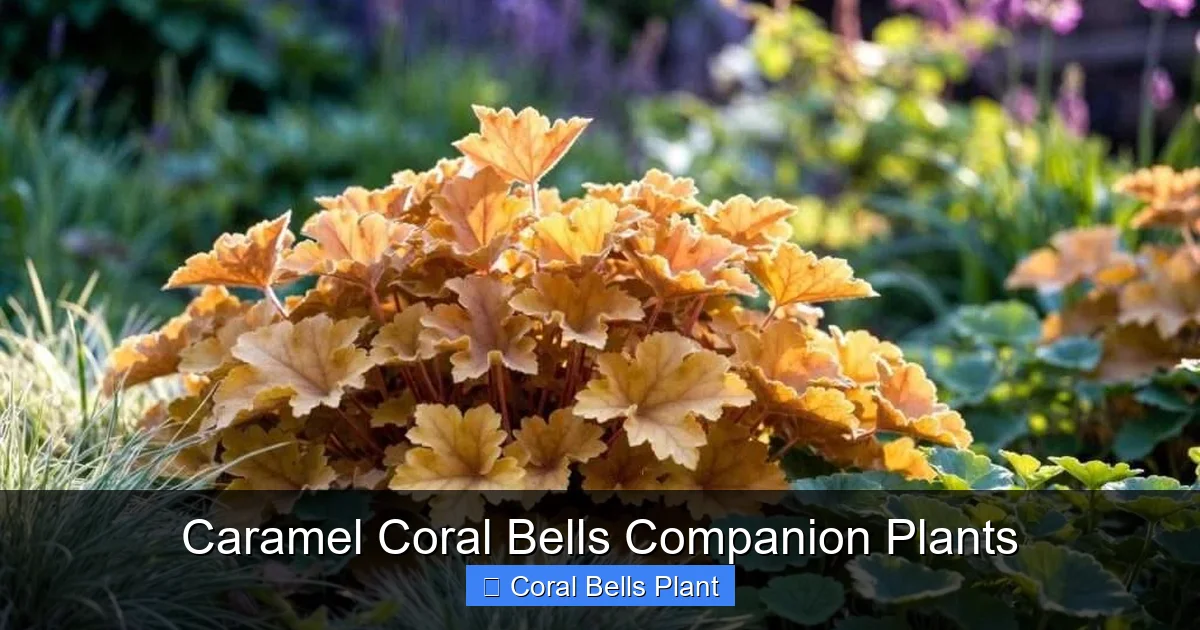
Caramel coral bells bring a warm glow to any shady spot. Their leaves show shades of amber and copper. They stay low and neat. They work well as a ground cover. They also add a pop of color when other plants are green. Gardeners love them for their easy care. They tolerate drought once established. They also resist deer. This makes them a smart choice for busy yards. When you plan caramel coral bells companion plants, think about color balance.
Warm Color That Lasts
The foliage keeps its color from spring to fall. It does not fade fast. The warm tones pair nicely with cool greens. This contrast creates depth. When you choose caramel coral bells companion plants, pick partners that highlight the amber hue. A mix of warm and cool hues looks balanced.
Compact Growth Habit
These plants stay under twelve inches tall. They spread slowly. They fill gaps without taking over. This habit makes them perfect for edging paths. They also work well in containers. Their compact size means they fit in tight spaces. When you design with caramel coral bells companion plants, use their low profile to frame taller neighbors.
Hardy in Many Zones
Caramel coral bells survive cold winters. They thrive in USDA zones four through nine. They bounce back after frost. This hardiness gives you confidence. You can plant them once and enjoy them for years. When you select caramel coral bells companion plants, choose varieties with similar hardiness.
Low Maintenance Appeal
They need little pruning. They rarely suffer from pests. A light mulch in spring keeps weeds down. This low care nature makes them ideal for new gardeners. When you pair caramel coral bells companion plants, you keep the whole bed easy to manage.
Versatile Uses
Use them in shade borders, woodland gardens, or under trees. They also brighten container arrangements. Their foliage looks good all season. When you mix caramel coral bells companion plants, you create a tapestry that works in many settings.
Knowing the Needs of Caramel Coral Bells
Before you pick caramel coral bells companion plants, learn what the bells like. They prefer partial shade. Too much sun can scorch the leaves. They need moist, well‑drained soil. Rich organic matter helps them grow strong. They also like a slightly acidic pH. Test your soil before planting. When you match caramel coral bells companion plants to these needs, the whole bed thrives.
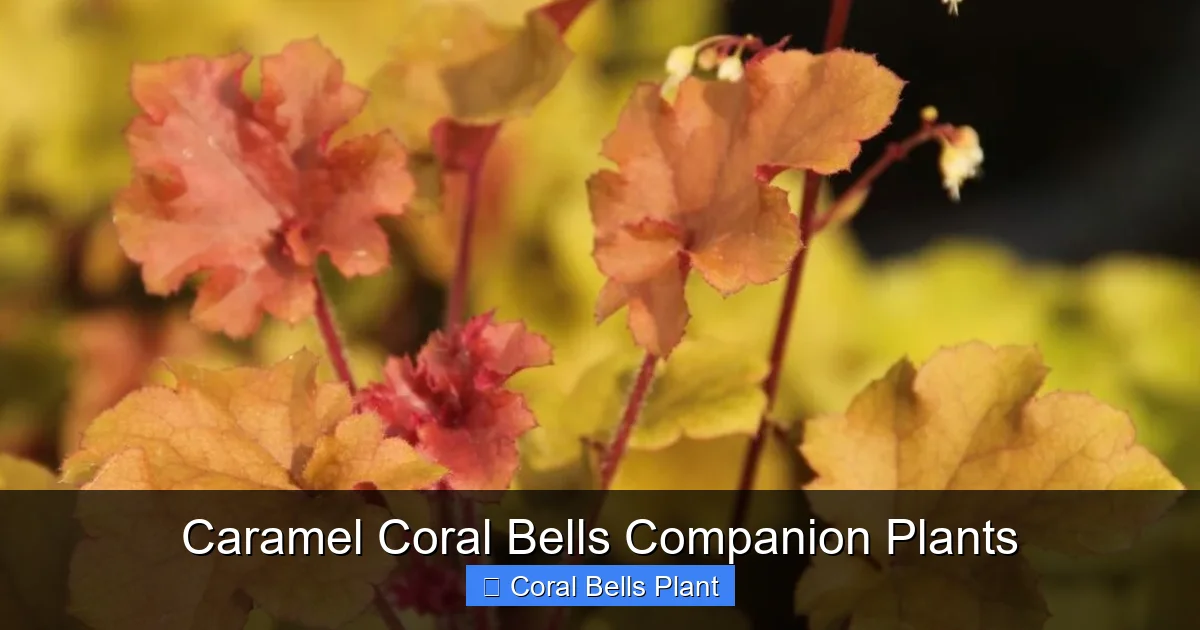
Visual guide about Caramel Coral Bells Companion Plants
Image source: backyardgardenlover.com
Light Preferences
Morning sun and afternoon shade is ideal. Deep shade can make them leggy. Bright filtered light keeps the color vivid. Observe your garden at different times. Choose a spot that matches this pattern. When you site caramel coral bells companion plants, give them the same light conditions.
Soil and Moisture Requirements
Loamy soil with compost works best. Mulch helps retain moisture. Water regularly during the first season. After that, they tolerate short dry spells. Avoid soggy ground. Good drainage prevents root rot. When you prepare soil for caramel coral bells companion plants, add plenty of organic matter.
Fertilizer Guidelines
Apply a balanced slow‑release fertilizer in early spring. Too much nitrogen can cause weak growth. A light feeding once a year is enough. Organic options like fish emulsion work well. When you feed caramel coral bells companion plants, use the same mild fertilizer for all.
Seasonal Care Calendar
In early spring, clean up old leaves. Apply mulch. In summer, water during dry weeks. In fall, cut back spent flower stems. In winter, leave foliage for protection. When you follow a calendar for caramel coral bells companion plants, you reduce surprises.
Top Caramel Coral Bells Companion Plants for Color and Texture
Choosing the right caramel coral bells companion plants makes the bed sing. Look for plants that share light and water needs. Ferns, hostas, and heucheras are classic partners. They add different leaf shapes. They also bring fresh green tones. This mix creates a layered look. When you select caramel coral bells companion plants, aim for contrast in texture and harmony in color.
Ferns Add Fine Texture
Japanese painted fern adds silver‑blue fronds. Lady fern offers soft green arches. Both thrive in the same shade. Their delicate leaves contrast with the bold coral bells leaves. Plant them in groups for a soft cloud effect. When you place ferns near caramel coral bells companion plants, the fine texture highlights the warm foliage.
Hostas Provide Bold Leaves
Hostas come in many sizes and colors. Blue‑green varieties cool the warm coral bells. Variegated types add white edges. Their broad leaves fill space quickly. Space them twelve inches apart for air flow. When you pair hostas with caramel coral bells companion plants, you get a strong visual anchor.
Heucheras Echo the Family
Heucheras, also called coral bells, share the same family. Choose varieties with purple or lime leaves. They echo the coral bells habit. Their flower spikes add height in late spring. This creates a vertical accent. When you mix heucheras with caramel coral bells companion plants, the bed feels cohesive.
Astilbe Brings Feathery Blooms
Astilbe brings plume‑like flowers in pink, red, or white. It likes the same moist shade. Its blooms rise above the foliage. This adds a seasonal highlight. Pair astilbe with caramel coral bells companion plants for a summer show.
Lungwort Offers Early Color
Lungwort blooms early with pink‑blue flowers. Its spotted leaves stay attractive all year. It tolerates the same conditions. It spreads slowly, forming a neat mat. This makes it a reliable partner. When you add lungwort to caramel coral bells companion plants, you extend the bloom season.
Bleeding Heart for Romantic Touch
Bleeding heart produces heart‑shaped flowers in spring. It prefers the same cool, moist shade. Its arching stems add movement. It goes dormant in summer, leaving space for others. When you include bleeding heart with caramel coral bells companion plants, you add a classic cottage feel.
Japanese Forest Grass for Movement
Japanese forest grass forms cascading mounds of green‑gold blades. It thrives in shade and moist soil. Its graceful habit softens hard edges. It stays low, complementing the coral bells height. When you plant Japanese forest grass beside caramel coral bells companion plants, you create a flowing rhythm.
Designing a Bed with Caramel Coral Bells Companion Plants
Layout matters when you mix caramel coral bells companion plants. Start with a sketch. Place taller plants at the back. Put low growers at the front. Use odd numbers for a natural look. Repeat groups for rhythm. When you design with caramel coral bells companion plants, think in layers.
Sketch Your Layout First
Draw a simple plan on paper. Mark the bed dimensions. Note sun patterns. Indicate where each plant group will go. This saves time at planting. When you plan caramel coral bells companion plants on paper, you avoid costly mistakes.
Back Row Anchors
Use taller ferns or astilbe at the rear. They create a backdrop. Their height frames the lower coral bells. This gives depth to the bed. When you set back row anchors for caramel coral bells companion plants, choose plants that stay upright.
Mid Layer Fillers
Hostas and heucheras fill the middle zone. Their varied leaf shapes add interest. Stagger them in a zigzag pattern. This avoids a stiff line. When you arrange mid layer fillers with caramel coral bells companion plants, keep spacing even.
Front Edge Accents
Place coral bells along the edge. Their low habit defines the border. Add a few lungwort clumps for early color. This draws the eye forward. When you set front edge accents for caramel coral bells companion plants, keep the line clean.
Pathway Integration
If a path runs through the bed, plant coral bells beside stepping stones. Their foliage softens hard edges. They also tolerate light foot traffic. This makes the garden inviting. When you integrate pathways with caramel coral bells companion plants, you create a journey.
Container Groupings
You can recreate the bed in a large pot. Use a thriller‑filler‑spiller approach. Tall astilbe as thriller. Hostas as filler. Coral bells as spiller over the rim. This works on patios and balconies. When you design containers with caramel coral bells companion plants, follow the same layer logic.
Care Tips for a Happy Mixed Planting
Ongoing care keeps caramel coral bells companion plants looking fresh. Water deeply once a week during dry spells. Mulch every spring to conserve moisture. Remove spent flowers to encourage new growth. Divide crowded clumps every three years. When you maintain caramel coral bells companion plants regularly, the bed stays vibrant.
Watering Schedule
Check soil with your finger. If the top inch feels dry, water. Early morning is best. Avoid wetting foliage to reduce disease. Drip irrigation saves time. When you water caramel coral bells companion plants, aim for the root zone.
Mulching Benefits
Two inches of shredded bark works well. It suppresses weeds. It also keeps roots cool. Replenish mulch after heavy rain. When you mulch caramel coral bells companion plants, you reduce watering chores.
Deadheading and Pruning
Snip off faded flower stems. Cut back any damaged leaves. This improves air flow. It also directs energy to foliage. When you deadhead caramel coral bells companion plants, you promote a tidy appearance.
Dividing Overgrown Clumps
In early spring, lift the plant. Separate into smaller sections. Replant at the same depth. Water well after dividing. This rejuvenates the planting. When you divide caramel coral bells companion plants, you get more plants for free.
Pest and Disease Watch
Watch for slugs on hostas. Use beer traps or copper tape. Powdery mildew can appear in humid weather. Space plants for good air flow. Remove affected leaves promptly. When you monitor caramel coral bells companion plants, you catch problems early.
Seasonal Feeding
Apply a light compost top‑dressing in fall. This feeds roots for next spring. Avoid heavy fertilizers late in the year. When you feed caramel coral bells companion plants seasonally, you support steady growth.
Putting It All Together: A Simple Plan for Success
You now have a clear roadmap for caramel coral bells companion plants. Start with a site check. Choose a shady, moist spot. Pick three to five companion types. Sketch the layout. Plant in groups of three or five. Mulch and water. Enjoy a low‑maintenance, colorful shade garden all season. When you follow this plan for caramel coral bells companion plants, success is almost guaranteed.
Step‑by‑Step Planting Guide
1. Test soil pH and drainage. 2. Amend with compost if needed. 3. Mark planting holes for each group. 4. Place taller plants at the back. 5. Set coral bells at the front. 6. Fill gaps with mid‑layer fillers. 7. Water thoroughly. 8. Apply mulch. When you execute each step for caramel coral bells companion plants, the bed establishes quickly.
Quick Checklist
- Test soil pH and drainage.
- Select shade‑tolerant companions.
- Plan height layers: back, middle, front.
- Space plants per label instructions.
- Apply mulch after planting.
- Water consistently the first year.
- Divide every three years.
Long‑Term Maintenance Calendar
Spring: clean up, mulch, fertilize lightly. Summer: water during drought, deadhead. Fall: cut back, add compost. Winter: leave foliage for insulation. When you follow this calendar for caramel coral bells companion plants, the garden stays healthy year after year.
Final Thoughts
Mixing caramel coral bells companion plants is rewarding. The warm foliage glows against cool greens. The texture play keeps the eye moving. With a little planning, you get a garden that looks great with minimal work. Happy planting! When you enjoy caramel coral bells companion plants, you share beauty with friends and family.
Frequently Asked Questions
What soil pH do caramel coral bells prefer?
Caramel coral bells prefer a slightly acidic soil pH between 5.5 and 6.5. Testing your soil before planting helps you amend it correctly.
How often should I water caramel coral bells companion plants?
Water deeply once a week during dry periods; check the top inch of soil and water when it feels dry.
Are caramel coral bells deer resistant?
Yes, caramel coral bells are generally deer resistant, making them a good choice for gardens with browsing pressure.
Can I plant caramel coral bells under trees?
Absolutely, they thrive in the dappled shade beneath deciduous trees as long as the soil stays moist and well‑drained.
What is the best time to plant caramel coral bells?
Early spring or early fall are ideal planting times, giving roots a chance to establish before extreme temperatures.
Do caramel coral bells need fertilizer?
A light application of balanced slow‑release fertilizer in early spring is sufficient; avoid heavy feeding which can weaken growth.