Coral Bells Shade Plants
Coral bells shade plants are versatile perennials prized for their colorful foliage and delicate flowers. These low-maintenance plants thrive in partial to full shade, offering year-round interest with minimal care.
Key Takeaways
- Shade tolerance: Coral bells excel in partial to full shade, making them perfect for woodland gardens and north-facing beds.
- Foliage variety: Choose from purple, silver, chartreuse, caramel, and near-black leaves to create stunning color combinations.
- Easy care: These perennials need well-draining soil, moderate water, and little fertilizer once established.
- Year-round interest: Evergreen in mild climates, coral bells provide winter color when other plants go dormant.
- Pollinator friendly: Bell-shaped flowers attract hummingbirds and bees from late spring through summer.
- Deer resistant: Fuzzy leaves and bitter taste make coral bells unappealing to deer and rabbits.
- Versatile design: Use as ground cover, border edging, container plants, or focal points in shade gardens.
Quick Answers to Common Questions
How much shade do coral bells need?
Coral bells thrive in partial to full shade. They prefer dappled light or morning sun with afternoon shade. Avoid hot afternoon sun which can scorch their colorful foliage.
Are coral bells deer resistant?
Yes, coral bells are highly deer resistant. Their fuzzy leaves and bitter taste make them unappealing to deer and rabbits, making them excellent choices for gardens with wildlife pressure.
How often should I water coral bells?
Water coral bells when the top two inches of soil feel dry. They prefer consistent moisture but hate soggy soil. In shade, they typically need about one inch of water per week from rain or irrigation.
When should I divide my coral bells?
Divide coral bells every three to four years in early spring or early fall when the center becomes woody, flowering decreases, or leaves get smaller. This rejuvenates the plant and gives you free plants.
Can coral bells grow in containers?
Absolutely. Coral bells are excellent container plants for shade. Use a pot at least 12 inches wide with good drainage, quality potting mix, and water more frequently than in-ground plants.
📑 Table of Contents
- Introduction to Coral Bells Shade Plants
- Understanding Coral Bells: The Shade Garden Superstars
- Best Coral Bells Varieties for Shade Gardens
- How to Plant Coral Bells in Shade
- Caring for Coral Bells in Shady Spots
- Designing with Coral Bells in Shade Gardens
- Common Problems and Solutions
- Seasonal Care Calendar
- Propagation: Making More Coral Bells
- Coral Bells in Different Garden Styles
- Conclusion: Your Shade Garden Transformation
Introduction to Coral Bells Shade Plants
If you have a shady spot in your garden that feels impossible to fill, let me introduce you to your new best friend. Coral bells shade plants, botanically known as Heuchera, are the unsung heroes of the shade garden. These remarkable perennials have undergone a stunning transformation in recent decades. What started as a modest native wildflower with green leaves and tiny pink blooms has exploded into a rainbow of cultivars that would make any plant collector weak at the knees.
I remember the first time I planted coral bells in the deep shade beneath my old maple tree. I was skeptical. Most plants sulk in that kind of darkness. But those coral bells? They thrived. Their ruffled leaves caught what little light filtered through the canopy and seemed to glow from within. That is the magic of these plants. They do not just tolerate shade. They celebrate it.
Whether you are a seasoned gardener or just starting out, coral bells shade plants belong in your landscape. They ask for little and give so much. In this guide, we will explore everything you need to know to grow these shade-loving superstars successfully. From choosing the right varieties to planting, care, and creative design ideas, consider this your complete roadmap to coral bells success.
Understanding Coral Bells: The Shade Garden Superstars
What Exactly Are Coral Bells?
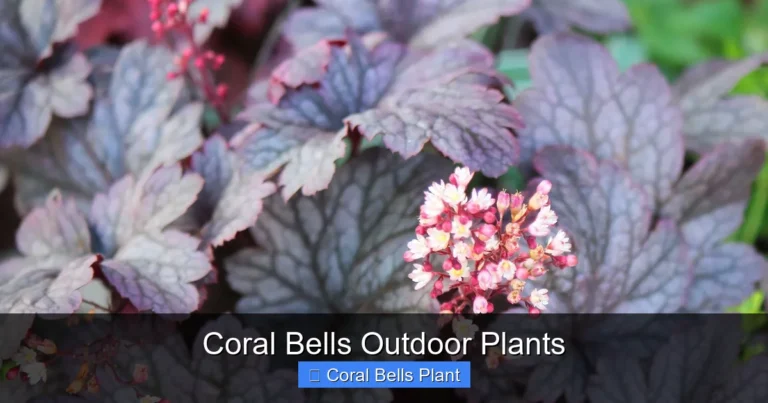
Coral bells belong to the genus Heuchera, a group of about 37 species native to North America. These herbaceous perennials form neat mounds of lobed, often ruffled leaves that emerge from a central crown. In late spring to early summer, wiry stems rise above the foliage bearing clusters of tiny bell-shaped flowers. Those flowers give the plant its common name. They look like miniature coral bells dangling from delicate wires.
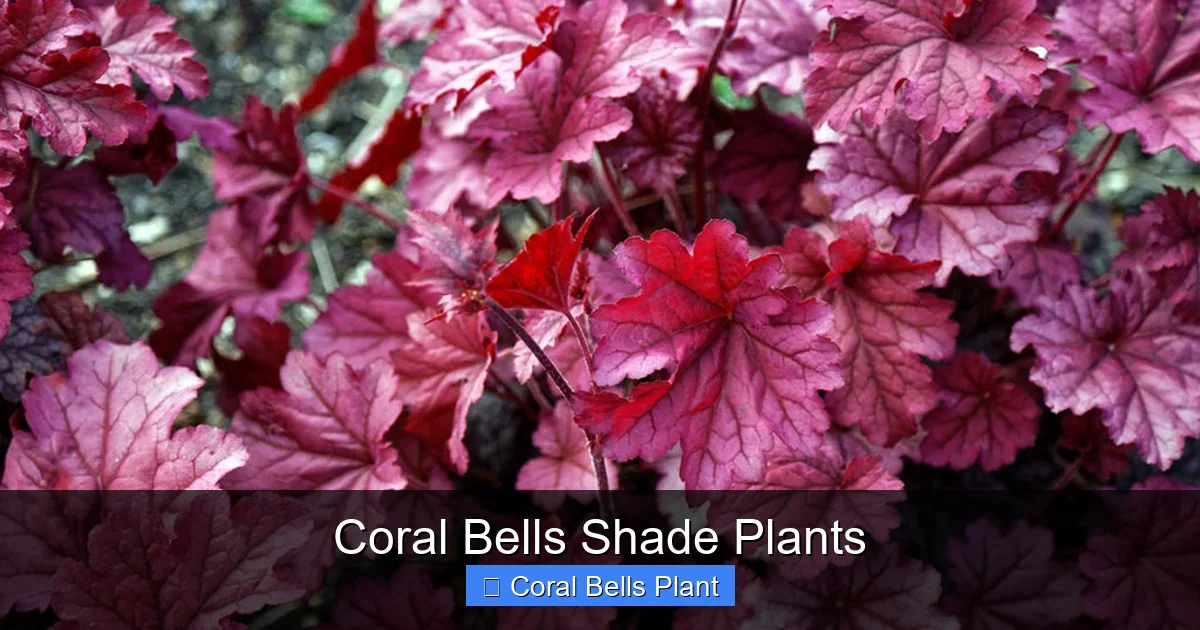
Visual guide about Coral Bells Shade Plants
Image source: thegardenmagazine.com
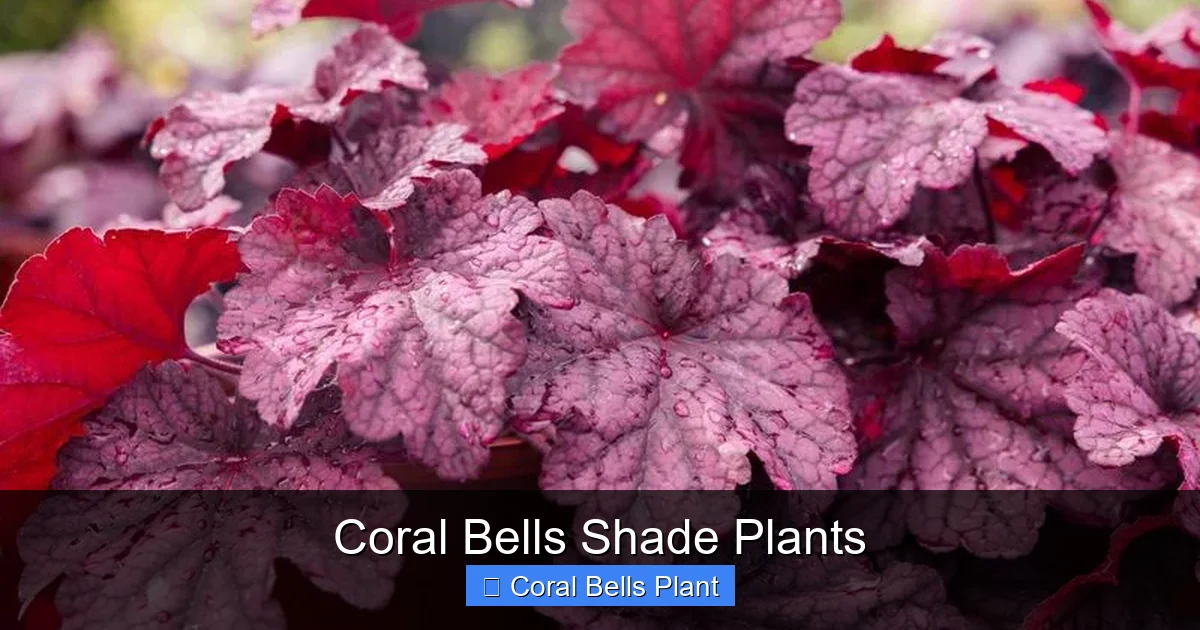
The species Heuchera sanguinea, with its bright coral-red flowers, is the classic coral bells. But modern breeding has shifted the spotlight from flowers to foliage. Today, gardeners grow coral bells primarily for their leaves. The color range is staggering. You will find deep purple, metallic silver, bright lime, warm caramel, rich amber, and near-black. Many varieties show different colors on the upper and lower leaf surfaces. Some change color with the seasons. The texture varies too, from smooth and glossy to heavily ruffled and velvety.
Why Coral Bells Love Shade
In their native habitats, coral bells grow on rocky slopes, in woodland clearings, and along stream banks. They are adapted to dappled light and cool, moist conditions. Their natural range stretches from the mountains of Mexico to the forests of Canada. This tells you something important. Coral bells are tough. They handle a wide range of conditions.
Shade protects their colorful foliage from scorching. In full sun, many varieties bleach out or develop crispy edges. The pigments that create those stunning colors — anthocyanins for purples and reds, chlorophyll for greens, carotenoids for yellows and oranges — are most stable in filtered light. Shade also reduces water stress. The large, thin leaves lose moisture quickly in hot sun. In shade, the plants stay hydrated and happy with less irrigation.
The Difference Between Heuchera, Heucherella, and Tiarella
Before we go further, let us clear up a common confusion. You may see plants labeled Heucherella or Tiarella alongside coral bells. They are cousins. All three belong to the Saxifragaceae family. All three love shade. But they have distinct personalities.
True coral bells (Heuchera) have the widest color range and the most ruffled foliage. They form tight mounds. Foamflower (Tiarella) has more deeply lobed leaves, often with dramatic dark centers. The flowers are foamier, held in denser spikes. Foamflowers spread by runners, making excellent ground covers. Heucherella, also called foamy bells, are hybrids between Heuchera and Tiarella. They combine the colorful foliage of coral bells with the spreading habit and foamy flowers of foamflower. All three are excellent shade plants. Choose based on the look you want.
Best Coral Bells Varieties for Shade Gardens
Purple and Black Foliage Varieties
If you want drama, look at the dark-leaved coral bells. These create incredible contrast against green ferns, hostas, and light-colored hardscaping. ‘Palace Purple’ was the breakthrough variety in the 1980s. It started the purple craze. Its leaves are maple-shaped, glossy, and deep bronze-purple with beet-red undersides. It remains a reliable, vigorous choice.
‘Obsidian’ takes darkness to another level. The leaves are nearly black, shiny, and hold their color all season. ‘Black Pearl’ offers intense black foliage with a ruffled edge. ‘Midnight Rose’ adds a twist — black leaves splashed with hot pink spots that fade to cream as they age. It is like having two plants in one. For a softer purple, try ‘Plum Pudding’ with its silvery-plum leaves and dark veins.
Silver and Pewter Varieties
Silver-leaved coral bells shine in deep shade. They reflect light, brightening dark corners. ‘Silver Scrolls’ has metallic silver leaves with charcoal veins and purple undersides. The ruffling is exquisite. ‘Cinnabar Silver’ offers silver leaves with a cinnamon tint and dark veining. ‘Steel City’ is a compact variety with steel-blue foliage.
‘Appletini’ brings a fresh twist — chartreuse leaves with a silver overlay. The effect is electric in shade. ‘Electric Lime’ lives up to its name with brilliant lime-green foliage. These lighter varieties are invaluable for creating depth. Plant them behind darker plants to make the dark ones pop.
Warm Tones: Caramel, Amber, and Peach
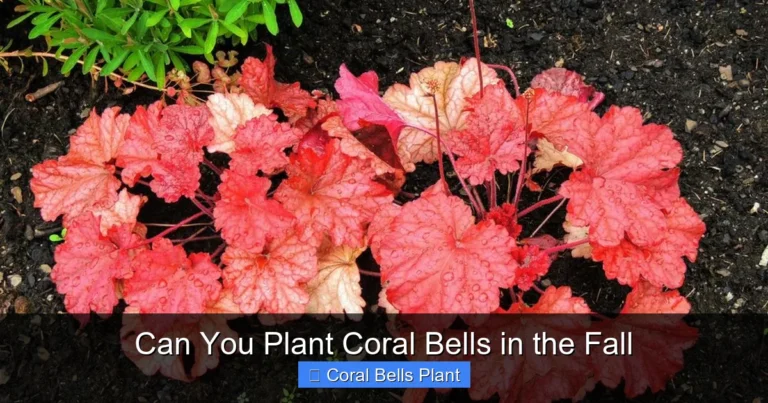
For a cozy, autumnal feel, the warm-toned coral bells are unbeatable. ‘Caramel’ is a modern classic. Its leaves emerge gold, mature to soft apricot, and develop pink undersides. The foliage is heavily ruffled and substantial. ‘Peach Flambe’ lives up to its fiery name with bright peach leaves that deepen to plum in fall. ‘Georgia Peach’ offers large, peachy-gold leaves with a silver overlay.
‘Fire Alarm’ brings true red to the foliage palette. The leaves are bright coral-red in spring, deepening to rich burgundy. ‘Cherry Cola’ has reddish-brown leaves with a cola tint. These warm varieties pair beautifully with blue hostas, Japanese painted ferns, and purple heucheras. They bring the feeling of a perpetual autumn to your shade garden.
Green and Variegated Varieties
Do not overlook the green varieties. They are often the most vigorous and sun-tolerant. ‘Green Spice’ has green leaves with silver overlay and dark red veins. The new growth is flushed pink. ‘Lime Rickey’ sports ruffled lime-green leaves that hold their color well. ‘Citronelle’ is a chartreuse powerhouse, glowing in shade.
Variegated varieties add another dimension. ‘Snow Angel’ has green leaves speckled with cream. ‘Marmalade’ shows undulating leaves in shades of amber, peach, and green. ‘Rio’ offers peach-amber leaves with a silver veil. These multicolored varieties act as bridges between other plants, tying a planting scheme together.
Choosing Varieties for Your Climate
Not all coral bells perform equally everywhere. This is crucial. Many modern hybrids have Heuchera villosa in their ancestry. This species, native to the southeastern US, brings heat and humidity tolerance. Varieties with villosa blood — like the ‘Villosa’ series, ‘Caramel’, ‘Citronelle’, and ‘Mocha’ — thrive in hot, humid summers.
If you garden in the North or at high elevation, look for varieties with Heuchera sanguinea or Heuchera americana parentage. These handle cold better. ‘Palace Purple’, ‘Plum Pudding’, and the Northern Exposure series are bred for cold climates. In the Pacific Northwest, where winters are wet, choose varieties with good crown rot resistance. The villosa hybrids excel here too.
Always check the hardiness zone rating. Most coral bells are hardy in zones 4-9. Some extend to zone 3 with mulch protection. In zones 10-11, they may struggle with the lack of winter chill. They need a dormant period. If you are unsure, ask your local nursery or extension office. They know what works in your area.
How to Plant Coral Bells in Shade
Selecting the Perfect Spot
Success starts with location. Coral bells shade plants want dappled shade, morning sun with afternoon shade, or bright full shade. Avoid deep, dark shade under dense evergreens or on the north side of solid walls. The plants will survive but become leggy and lose color. Also avoid hot afternoon sun, especially in southern climates. The leaves will scorch.
Look for spots under deciduous trees. The spring sun before leaf-out gives the plants an energy boost. The summer canopy protects them. The fall leaf drop provides natural mulch. Woodland edges are ideal. So are the east sides of buildings or fences. North sides work if they get reflected light. Observe your garden through the day. Note where the shadows fall. That is your planting map.
Soil Preparation: The Foundation of Success
Coral bells hate wet feet. Their crowns rot in soggy soil. This is the number one killer. Good drainage is non-negotiable. Before planting, test your drainage. Dig a hole 12 inches deep. Fill with water. Let it drain. Fill again. If the second filling does not drain in a few hours, you have a drainage problem. Amend heavily or choose a raised bed.
The ideal soil is rich, humusy, and well-draining. Think forest floor. Work in plenty of organic matter. Compost, leaf mold, well-rotted manure, or peat moss all improve texture and moisture retention. Aim for a soil that holds moisture like a wrung-out sponge but never stays soggy. The pH should be slightly acidic to neutral, 6.0 to 7.0. Most garden soils fall in this range. A soil test removes guesswork.
If your soil is heavy clay, do not just amend the planting hole. That creates a bathtub effect. Water collects in the amended hole and drowns the plant. Instead, amend a wide area. Or build a raised bed. If your soil is sandy, add extra organic matter to hold moisture. Coral bells have shallow roots. They dry out fast in sand.
Planting Step by Step
Plant in spring or early fall. Spring gives roots time to establish before summer heat. Fall planting works in mild climates. Avoid summer planting unless you can water diligently. Space plants 12 to 18 inches apart for most varieties. Check the label. Some spread wider.
Dig a hole twice as wide as the pot but no deeper. The crown — where leaves meet roots — must sit at or slightly above soil level. This is critical. Planting too deep causes crown rot. Planting too high exposes roots. Gently loosen the root ball. If roots circle the bottom, tease them out. Place the plant in the hole. Backfill with amended soil. Firm gently. Do not compact.
Water thoroughly to settle soil and eliminate air pockets. Apply a two-inch layer of mulch. Shredded leaves, pine straw, or bark mulch work well. Keep mulch away from the crown. A mulch volcano against the stem invites rot and pests. Leave a one-inch gap around the crown.
Container Planting for Shade
Coral bells shine in containers. Their mounded habit and colorful foliage make perfect pot centerpieces. Choose a pot at least 12 inches wide and deep. Ensure drainage holes. Use a high-quality potting mix, not garden soil. Mix in some compost and perlite for drainage.
Plant as you would in the ground. Crown at soil level. Water well. Container plants need more frequent watering. Check daily in hot weather. Fertilize lightly. A slow-release fertilizer at planting time works well. Or use liquid fertilizer at half strength monthly during growth. In winter, move pots to a protected spot. An unheated garage or against a house wall works. Water occasionally if the soil dries out.
Caring for Coral Bells in Shady Spots
Watering: The Goldilocks Principle
Coral bells want consistent moisture. Not wet. Not bone dry. Just right. The large, thin leaves transpire quickly. In shade, evaporation is slower, but tree roots compete fiercely for water. Check soil moisture by sticking your finger two inches deep. If it feels dry, water. If it feels moist, wait.
Water at the base of the plant. Wet foliage invites fungal diseases. Soaker hoses or drip irrigation are ideal. They deliver water to roots without wetting leaves. Water deeply. This encourages deep roots. Frequent shallow watering creates shallow roots that dry out fast. In established plantings, an inch of water per week from rain or irrigation is usually enough. Adjust for your climate and soil.
New plantings need more attention. Water every two to three days for the first few weeks. Gradually extend the interval. By the end of the first season, they should be on the regular schedule. Mulch helps enormously. It conserves moisture, suppresses weeds, and keeps soil cool. Replenish mulch annually as it breaks down.
Fertilizing: Less Is More
Coral bells are light feeders. Too much fertilizer produces lush, weak growth that flops and attracts pests. It also reduces foliage color intensity. In rich soil amended with compost, you may not need fertilizer at all. If growth seems slow or leaves look pale, apply a balanced, slow-release fertilizer in early spring. A 10-10-10 or 5-5-5 formula works. Follow package rates. Err on the low side.
Alternatively, top-dress with an inch of compost in spring. This feeds slowly and improves soil structure. Avoid high-nitrogen fertilizers. They promote leaves at the expense of flowers and color. Do not fertilize after midsummer. Late growth will not harden off before winter. In containers, nutrients leach faster. Use a slow-release fertilizer at planting. Supplement with half-strength liquid fertilizer monthly if needed.
Pruning and Grooming
Coral bells are low-maintenance, but a little grooming keeps them looking sharp. Remove spent flower stems after blooming. Cut them at the base. This redirects energy to foliage. Some gardeners remove flower stems before they bloom, preferring the foliage show. That is a personal choice. The flowers are charming and attract pollinators.
In late winter or early spring, remove any tattered, brown, or damaged leaves. Cut them at the base. Be careful not to damage the crown. New growth will emerge fresh. In mild climates where coral bells stay evergreen, this cleanup is mostly cosmetic. In cold climates, the foliage may die back completely. That is normal. Leave the dead leaves as winter protection. Remove them in spring.
Every three to four years, the center of the plant may become woody and bare. The plant loses vigor. This signals division time. Dig the whole clump in spring. Pull or cut apart into sections, each with roots and several growth points. Replant the healthiest pieces. Discard the woody center. Division rejuvenates the plant and gives you free plants.
Mulching for Moisture and Protection
We mentioned mulch at planting. It deserves its own section. Mulch is the secret weapon for coral bells shade plants. A two to three-inch layer of organic mulch does wonders. It conserves moisture, moderates soil temperature, suppresses weeds, and slowly enriches soil as it decomposes. Shredded leaves are my favorite. They mimic the forest floor. Pine straw is excellent, especially for the slight acidity coral bells prefer. Bark mulch works too.
Apply mulch in spring after the soil warms. Do not mulch too early. Cold, wet mulch against the crown causes rot. Keep mulch pulled back from the crown. Replenish in fall after cleanup. In winter, the mulch layer protects roots from freeze-thaw cycles that heave plants out of the ground. This is especially important in zones 4-5.
Designing with Coral Bells in Shade Gardens
Color Echoes and Contrasts
Designing with coral bells is like painting with living color. Their foliage palette lets you create sophisticated combinations. Start with color echoes. Repeat a color from one plant in another. The purple veins of ‘Green Spice’ echo the solid purple of ‘Palace Purple’. The silver overlay on ‘Appletini’ picks up the silver of Japanese painted fern. These echoes unify a planting.
Then add contrast. Dark purple coral bells next to chartreuse hostas create electric tension. Silver coral bells against deep green hellebores glow. Caramel coral bells beside blue hostas warm the cool blue. Think about the color wheel. Complementary colors (opposites) create vibrancy. Analogous colors (neighbors) create harmony. Use both.
Remember seasonal changes. Some coral bells shift color dramatically. ‘Peach Flambe’ goes from peach to plum. ‘Midnight Rose’ shifts from pink-splashed to cream-splashed. Plan for these changes. A combination that works in May might clash in October. Or it might get better. Observe your plants through the seasons. Take photos. Learn their rhythms.
Texture Play in the Shade Garden
Color gets the glory, but texture does the heavy lifting in shade gardens. Without bright flowers, texture creates interest. Coral bells offer ruffled, smooth, veined, and fuzzy textures. Pair them with contrasting textures. The bold, smooth leaves of hostas. The feathery fronds of ferns. The grassy blades of carex or hakonechloa. The glossy leaves of hellebores. The delicate leaves of bleeding heart.
Ruffled coral bells like ‘Caramel’ or ‘Crème Brûlée’ add a frothy texture. Smooth, shiny varieties like ‘Obsidian’ provide sleek contrast. Veined varieties like ‘Green Spice’ add linear texture. Mix at least three textures in any grouping. This prevents the “green blur” effect where everything blends together.
Companion Plants for Coral Bells
Coral bells play well with others. Here are proven companions for shade:
- Hostas: The classic pairing. Hostas provide bold foliage. Coral bells add color and ruffles. Choose contrasting sizes and colors.
- Ferns: Japanese painted fern, autumn fern, Christmas fern, maidenhair fern. Their vertical fronds contrast the mounded coral bells.
- Hellebores: Early bloomers with leathery evergreen leaves. They bloom when coral bells are just waking up.
- Heucherella and Tiarella: Cousins with similar needs. Foamflowers spread as ground cover. Coral bells mound above.
- Carex and Hakonechloa: Ornamental grasses for shade. Carex ‘Ice Dance’ or ‘Evergold’. Hakonechloa ‘Aureola’. Movement and fine texture.
- Bleeding Heart (Dicentra): Spring bloomer with ferny foliage. Goes dormant in summer, leaving space for coral bells to shine.
- Astilbe: Feathery plumes in early summer. Likes the same moist, rich soil.
- Pulmonaria: Silver-spotted leaves and early blue-pink flowers. Another foliage star.
- Brunnera: Heart-shaped leaves, often silver. ‘Jack Frost’ is stunning with dark coral bells.
- Epimedium: Tough, spreading ground cover with delicate flowers. Handles dry shade.
Using Coral Bells as Ground Cover
While coral bells are clump-forming, not spreading, you can use them as ground cover by planting en masse. Space plants 12 inches apart in a grid. They will knit together over time. This works best with vigorous varieties like ‘Palace Purple’, ‘Caramel’, or ‘Citronelle’. The effect is a living tapestry of color.
For a faster cover, interplant with a true spreader like Tiarella or Epimedium. The spreader fills gaps while coral bells establish. Eventually, the coral bells dominate. This technique works beautifully under trees where grass fails. The shallow roots of coral bells coexist with tree roots better than turf.
Container Combinations for Shade
Coral bells are container superstars. They provide the “filler” in the classic thriller-filler-spiller formula. Their mounded habit fills the middle. Pair with a thriller like a small Japanese maple, fern, or upright carex. Add a spiller like creeping jenny, ivy, or trailing lobelia.
For a shade container that lasts all season, combine coral bells with hellebores (winter-spring), heucherella (spring-fall), and evergreen carex (year-round). Add seasonal color with impatiens, begonias, or torenia in summer. Pansies in fall. The coral bells anchor the design through it all.
Edging and Border Ideas
Coral bells make fantastic edging plants. Their neat mounds define paths and beds without flopping over. Plant in a single row along a shaded walkway. Use one variety for a formal look. Mix two or three for a tapestry edge. The ruffled foliage softens hard edges of pavers or stone.
In a mixed border, place coral bells at the front. Their low profile (8-18 inches tall) won’t block taller plants behind. They hide the bare legs of taller perennials. The foliage interest continues after the back plants finish blooming. This extends the season of the border.
Common Problems and Solutions
Crown Rot: The Silent Killer
Crown rot is the most serious threat to coral bells. It strikes when the crown stays wet. Symptoms include wilting despite moist soil, blackened crown tissue, and leaves pulling away easily. The plant collapses suddenly. Prevention is everything. Plant high. Ensure drainage. Mulch away from crown. Water at base, not overhead. Avoid heavy clay without amendment.
If you catch it early, you might save the plant. Dig it up. Wash roots. Cut away all rotten tissue to healthy white tissue. Dust with fungicide or cinnamon (a natural antifungal). Replant in fresh, well-draining soil. Water sparingly. Often, though, the plant is too far gone. Remove and destroy it. Do not compost. Do not replant coral bells in that spot for a year.
Heaving: Winter’s Freeze-Thaw Damage
In cold climates, freeze-thaw cycles push shallow-rooted plants out of the ground. The crown and roots are exposed to killing cold and drying wind. You will see plants sitting above soil level in spring. Prevention: plant in spring so roots establish before winter. Mulch heavily after ground freezes. Use evergreen boughs or straw over the crown.
If heaving occurs, gently press plants back into soil in early spring. Do not stomp. Water to settle soil. Add soil around exposed roots. Mulch. The plant usually recovers. Varieties with Heuchera villosa parentage have deeper roots and resist heaving better.
Sun Scorch and Bleaching
Too much sun fades colors and burns leaves. You will see white or brown crispy patches on leaves. The plant looks washed out. Move it to a shadier spot. Or provide shade with a taller plant or shade cloth. Morning sun is usually fine. Afternoon sun is the culprit. In hot climates, even morning sun can be too much for dark varieties.
Some varieties tolerate more sun. ‘Palace Purple’, ‘Caramel’, ‘Citronelle’, and the villosa hybrids handle more light. But “sun tolerant” does not mean “sun loving.” They still prefer shade. If you must plant in sun, provide consistent moisture and afternoon shade.
Pests: Mostly Minor Nuisances
Coral bells are remarkably pest-resistant. Deer and rabbits avoid them. The fuzzy leaves and astringent taste are unappealing. Slugs and snails may nibble, especially in wet springs. Use iron phosphate bait, beer traps, or copper tape. Diatomaceous earth around plants helps.
Foliar nematodes are microscopic worms that cause angular brown spots between leaf veins. They spread in water. Avoid overhead watering. Remove affected leaves. There is no cure. Destroy badly infected plants. Root weevils notch leaf edges at night. The larvae eat roots. Beneficial nematodes applied to soil control larvae. Adults can be trapped at night with a flashlight and soapy water.
Fungal Diseases in Humid Conditions
Powdery mildew appears as white powder on leaves. It thrives in humid, stagnant air. Space plants for air circulation. Water at base. Remove affected leaves. Spray with neem oil or potassium bicarbonate if severe. Rust shows as orange pustules on leaf undersides. Same cultural controls. Botrytis (gray mold) attacks in cool, wet conditions. Remove dead material. Improve air flow.
Nutrient Deficiencies
Yellowing leaves (chlorosis) often indicate iron deficiency in alkaline soil. Coral bells prefer slightly acidic soil. If your soil is alkaline (pH above 7.0), apply chelated iron or sulfur to lower pH. A soil test confirms. Pale green leaves with dark veins suggest nitrogen deficiency. Light feeding helps. But rule out overwatering and poor drainage first. They cause similar symptoms.
Seasonal Care Calendar
Spring: Wake Up and Grow
Early spring: Remove winter mulch from crowns. Cut back any remaining dead foliage. Apply compost top-dressing. Check for heaving. Press plants back if needed. Divide overcrowded clumps. Plant new coral bells.
Mid-spring: Watch for new growth. Water if dry. Apply slow-release fertilizer if needed. Mulch after soil warms. Enjoy the fresh foliage colors. They are often most intense on new growth.
Late spring: Flower stems emerge. Decide whether to keep or remove them. Stake tall varieties if they flop. Watch for slugs on new leaves.
Summer: Maintain and Enjoy
Early summer: Peak bloom time. Deadhead spent flowers to encourage rebloom on some varieties. Water deeply during dry spells. Check mulch depth.
Mid-summer: Foliage is mature. Colors may deepen or shift. Monitor for pests and diseases. Water consistently. Container plants need daily checks.
Late summer: Stop fertilizing. Reduce watering slightly as growth slows. Remove any declining leaves. Plan fall planting or division.
Fall: Prepare for Winter
Early fall: Excellent planting time in most zones. Divide if needed. Plant new varieties. Water well until ground freezes.
Mid-fall: Clean up fallen leaves from trees. They can smother coral bells. Shred and use as mulch instead. Apply winter mulch after a few hard frosts.
Late fall: Final cleanup. Remove any diseased foliage. Do not cut back healthy evergreen foliage. It protects the crown. Ensure mulch is in place.
Winter: Rest and Protect
Winter: In cold zones, plants are dormant. Snow cover is the best insulation. If snow is unreliable, maintain mulch. Check occasionally for heaving during thaws. In mild zones, enjoy evergreen foliage. Water during dry spells. Do not fertilize. Dream of spring.
Propagation: Making More Coral Bells
Division: The Easiest Method
Division is the most reliable way to propagate coral bells. It produces exact clones of the parent. Do it in spring as new growth emerges, or early fall. Dig the entire clump. Shake off soil. Pull apart with your hands or cut with a sharp knife. Each division needs several growth points (eyes) and roots. Replant immediately. Water well. Keep shaded and moist for a few weeks.
Divide every three to four years to maintain vigor. Signs it is time: center die-out, reduced flowering, smaller leaves, fewer stems. Division resets the clock. You get multiple plants for free. Share with friends. Plant in new spots. Create drifts.
Seed: For the Patient Experimenter
Coral bells grow from seed, but hybrids do not come true. The seedlings will vary. This is how new varieties are born. If you want to experiment, collect seed from spent flower stalks in summer. Sow fresh in pots. Cover lightly. Keep moist. Germination takes two to eight weeks. Grow seedlings in shade. Transplant when they have several true leaves. Expect surprises. The results may be better or worse than the parent.
Species coral bells (not hybrids) come truer from seed. Heuchera sanguinea, Heuchera americana, Heuchera villosa seedlings resemble the parents. This is a good way to get genetic diversity and locally adapted plants.
Leaf Cuttings: Advanced Technique
Some growers propagate from leaf cuttings. Take a healthy leaf with a short petiole (stem). Dip in rooting hormone. Insert into moist perlite or sand. Cover with a humidity dome. Keep in bright shade. Roots and a new plantlet may form at the base in six to eight weeks. Success rates vary. Division is easier for home gardeners.
Coral Bells in Different Garden Styles
Woodland Garden
This is their native habitat. Plant in drifts under deciduous trees. Mix with native ferns, wild ginger, trillium, bloodroot, and spring ephemerals. Choose varieties with villosa or americana parentage for a natural look. ‘Autumn Bride’ (Heuchera villosa) has large, fuzzy green leaves and white flowers in late summer. It self-sows gently. Let it naturalize.
Modern Minimalist
Use single varieties in mass plantings. Rows of ‘Obsidian’ along a concrete path. Blocks of ‘Citronelle’ in geometric beds. The bold foliage colors become architectural elements. Pair with stone, steel, and water. Limit the palette. Three varieties max. Repeat them rhythmically.
Cottage Garden
Mix coral bells freely with roses, peonies, foxgloves, and delphiniums in the shadier corners. Their ruffled leaves complement the romantic aesthetic. Choose warm tones — caramel, peach, amber. ‘Marmalade’, ‘Peach Flambe’, ‘Georgia Peach’. Let them mingle with lady’s mantle, hardy geraniums, and catmint.
Japanese-Inspired Garden
Silver and dark purple varieties suit this style. ‘Silver Scrolls’, ‘Obsidian’, ‘Plum Pudding’. Pair with Japanese maples, azaleas, hakonechloa, and moss. The foliage textures echo the attention to detail. Place near stone lanterns or water basins. Prune carefully to maintain clean mounds.
Container Garden
We covered containers earlier, but they deserve emphasis. Coral bells allow you to garden in shade on balconies, patios, and porches. Where ground planting is impossible, pots bring the shade garden to you. Group pots of different heights. Use coral bells as the constant thread. Change seasonal companions.
Conclusion: Your Shade Garden Transformation
We have covered a lot of ground. From the biology of why coral bells love shade, to choosing varieties, planting, care, design, and troubleshooting. The thread connecting it all is this: coral bells shade plants are one of the most rewarding perennials you can grow. They solve the shade garden puzzle with style.
Think about that dark corner under the maple. The north side of the house where nothing blooms. The spot beneath the deck that gets two hours of morning light. Coral bells can transform every one of those spaces. They bring color where flowers fear to tread. They provide structure when other plants go dormant. They ask for so little — decent soil, some water, a bit of mulch — and give months of beauty.
Start small if you are new to them. Buy three plants of one variety you love. Plant them in a triangle in a shady spot. Watch them through the seasons. Note how the color shifts. How the ruffles catch the light. How the flower stems dance in breeze. You will understand why gardeners become obsessed.
Then expand. Try a silver variety next to a purple one. Add a caramel variety near blue hostas. Tuck a few into containers. Line a path. Fill a woodland edge. Each planting teaches you more. The shade garden becomes a canvas. Coral bells are your most versatile paint.
Remember the keys: plant high, drain well, mulch away from crowns, water consistently but not excessively, divide every few years. That is the recipe. The rest is creativity. Your shade garden is waiting. Go plant some coral bells.
Frequently Asked Questions
Do coral bells come back every year?
Yes, coral bells are hardy perennials that return reliably each spring in zones 4-9. In mild climates they remain evergreen through winter, while in colder zones the foliage may die back but the crown survives underground.
Why are my coral bells turning brown and crispy?
Brown crispy leaves usually indicate too much sun exposure or insufficient water. Move plants to a shadier location and ensure consistent moisture. Afternoon sun is the most common cause of leaf scorch on coral bells.
Should I cut back coral bells in the fall?
In cold climates, leave the foliage in place over winter as it protects the crown. Remove dead leaves in early spring. In mild climates where plants stay evergreen, only remove tattered or damaged leaves as needed.
What is the best fertilizer for coral bells?
Coral bells are light feeders. A balanced slow-release fertilizer (10-10-10 or 5-5-5) applied at half the recommended rate in early spring is sufficient. Alternatively, top-dress with an inch of compost annually.
Can coral bells grow in deep shade?
Coral bells tolerate deep shade but perform best with some filtered light. In very dense shade, they may become leggy, produce fewer flowers, and show less intense foliage color. Bright full shade or dappled light is ideal.
How do I prevent crown rot on coral bells?
Plant with the crown at or slightly above soil level, ensure excellent drainage, keep mulch away from the crown, water at the base rather than overhead, and avoid heavy clay soils without proper amendment.